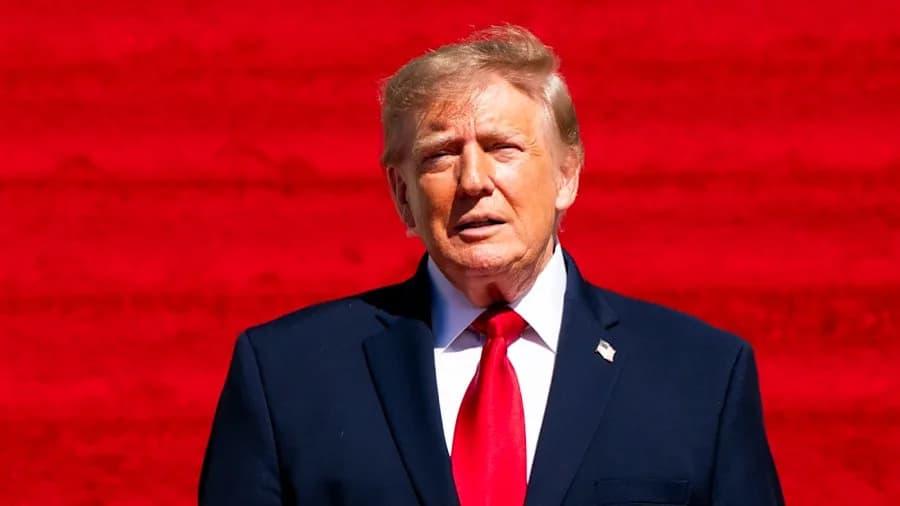
The Senate has paused the 616-page Digital Asset Market Clarity Act (H.R. 3633) ahead of its August recess after an ethics provision tied to Donald Trump’s crypto holdings blocked bipartisan support. Leadership has not filed for cloture on Calendar No. 423 (60 votes required), and no floor date is scheduled. Missing the pre-recess window makes 2026 enactment unlikely and prolongs regulatory uncertainty for exchanges, custodians and DeFi.
Ethics Fight Over Trump’s Crypto Halts Clarity Act — Senate Misses Final 2026 Window
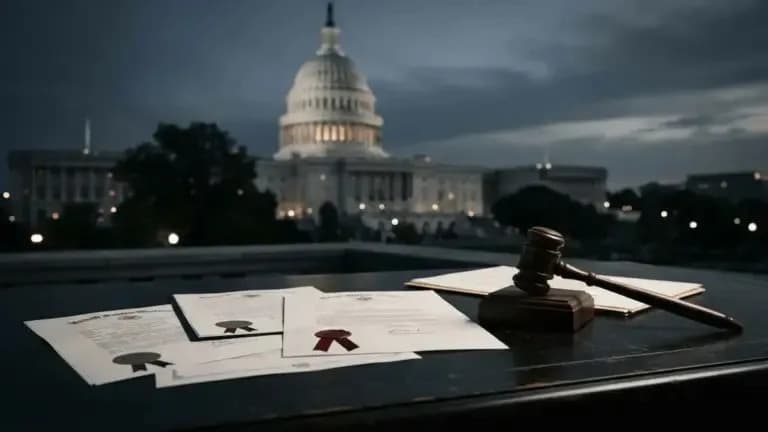
CLARITY Act Delay? Ethics Deadlock Kills Senate’s Last 2026 Window
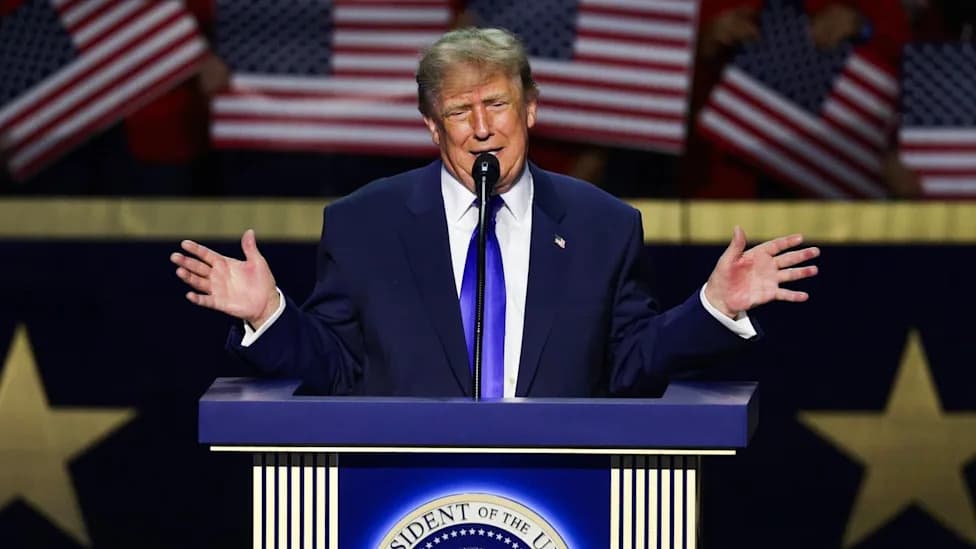
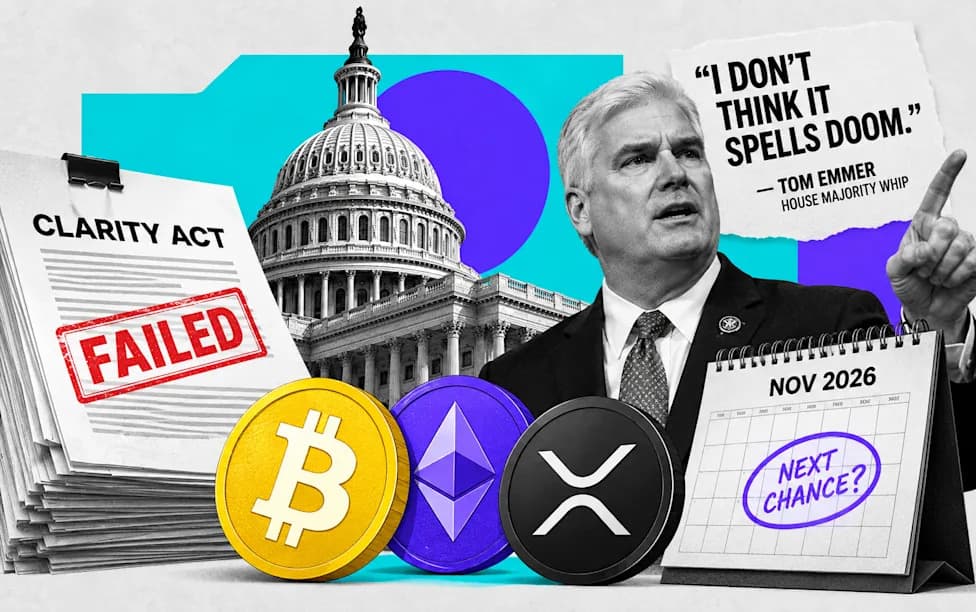
The U.S. Senate has set aside the 616-page Digital Asset Market Clarity Act (H.R. 3633) ahead of its August recess after an ethics provision tied to former President Donald Trump's crypto holdings stalled bipartisan agreement. The merged legislative text released by Senate Republicans on July 22, 2026, has not been scheduled for a cloture filing or floor vote, effectively closing the last realistic window for enactment in 2026 and pushing comprehensive digital-asset legislation to the next Congress.
What Happened
The bill previously cleared the House 294–134 on July 17, 2025, and advanced out of the Senate Banking Committee by a 15–9 vote on May 14, 2026. The merged text—released July 22, 2026—consolidated the Senate Banking language with the Digital Commodity Intermediaries Act reported by the Senate Agriculture Committee on January 29, 2026, and added a standalone government ethics title negotiated with the White House.
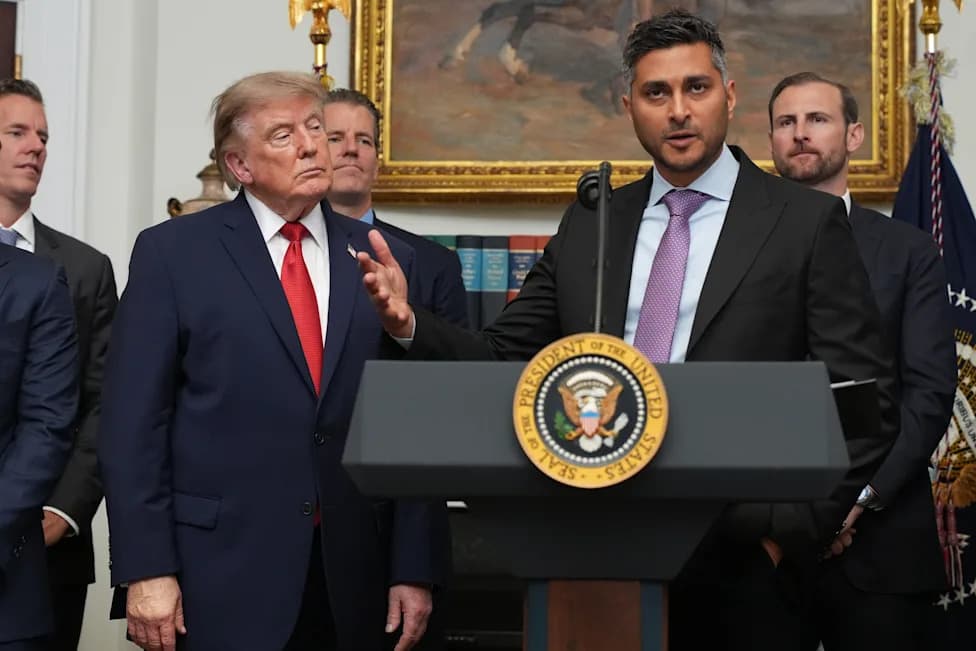
According to reporting, closed-door negotiations involving key senators and White House advisers — including White House Crypto Council Executive Director Patrick Witt — collapsed after Republicans and the White House withdrew a provision that would have allowed state attorneys general to sue the Department of Justice. That withdrawal deepened Democratic resistance because the ethics title is tied specifically to concerns over Trump's crypto holdings.
Procedural Roadblocks
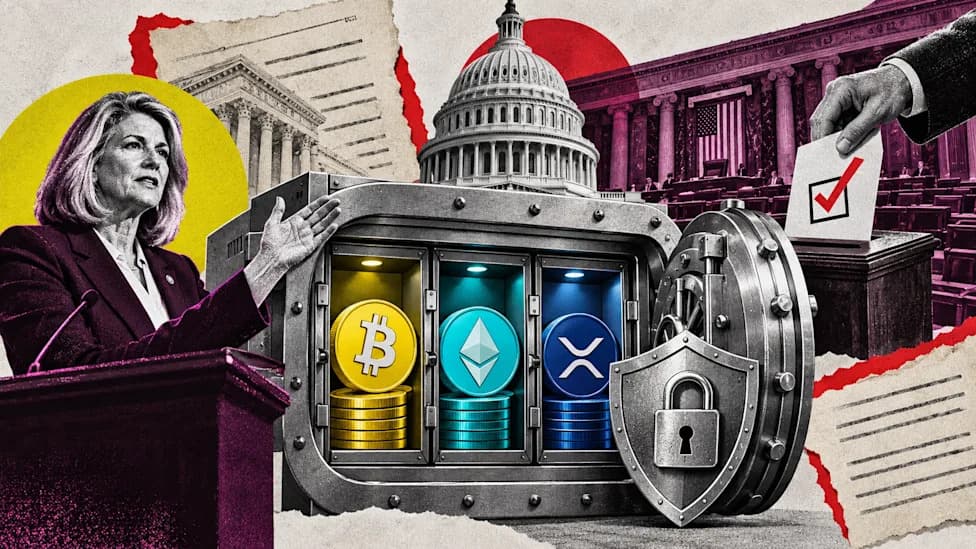
Before the Senate can move to a floor vote, leadership must file for cloture on Calendar No. 423; cloture requires 60 affirmative votes to proceed. Even if cloture were secured, the Senate's merged text would still need reconciliation with the House-passed version before an enrolled bill could be sent to the president. As of late July 2026, neither step has scheduled dates.
Key Policy Elements Still In Flux
The merged framework preserves a jurisdictional split between the Commodity Futures Trading Commission (CFTC) and the Securities and Exchange Commission (SEC): digital commodities would fall under the CFTC while certain ancillary assets would remain under the SEC. The bill also tightens the criteria for the maturity test that helps determine whether tokens fall under SEC oversight.
Custody rules remain contested. The Senate Banking draft narrows who can act as a custodian—generally requiring registration with the SEC or CFTC—and negotiators have not finalized the proposed 18- to 24-month transition window for custody and reporting requirements.
Market Impact And Next Steps
Policy research teams at Galaxy Research, Beacon Policy Advisors, and Stifel have all flagged the pre-August recess as the last plausible chance in 2026 for passage. Once senators leave for recess, the political dynamics of the campaign season make the current legislative vehicle unlikely to succeed for the remainder of the Congress.
For market participants, the delay prolongs uncertainty over regulatory jurisdiction for exchanges, custodians and decentralized finance (DeFi) platforms. Market observers expect attention to pivot back to administrative actions by the SEC and CFTC, and to possible efforts to craft a revised legislative vehicle in the next Congress.
Bottom line: A narrow ethics dispute tied to a high-profile private-party holding has blocked bipartisan compromise and likely scuttled a 2026 vote on a major digital-asset regulatory framework—extending regulatory uncertainty for markets and participants.
Help us improve.