Sen. Cynthia Lummis has emphasized custody protections as a central argument for the CLARITY Act ahead of a key cloture vote scheduled for 2:15 p.m. ET on Sept. 15. The Senate's latest draft would establish "qualified digital asset custodians," impose capital and recordkeeping standards, and treat customer holdings as customer property in bankruptcy. The proposal responds to 2022 industry failures (including FTX) and aims to prevent future collapses from converting customer assets into general bankruptcy claims. Negotiations remain on illicit finance, DeFi protections, stablecoin rewards, and ethics rules, and a successful cloture vote would only open further debate and amendment.
Lummis Elevates Custody Safeguards as Sept. 15 CLARITY Act Cloture Vote Nears
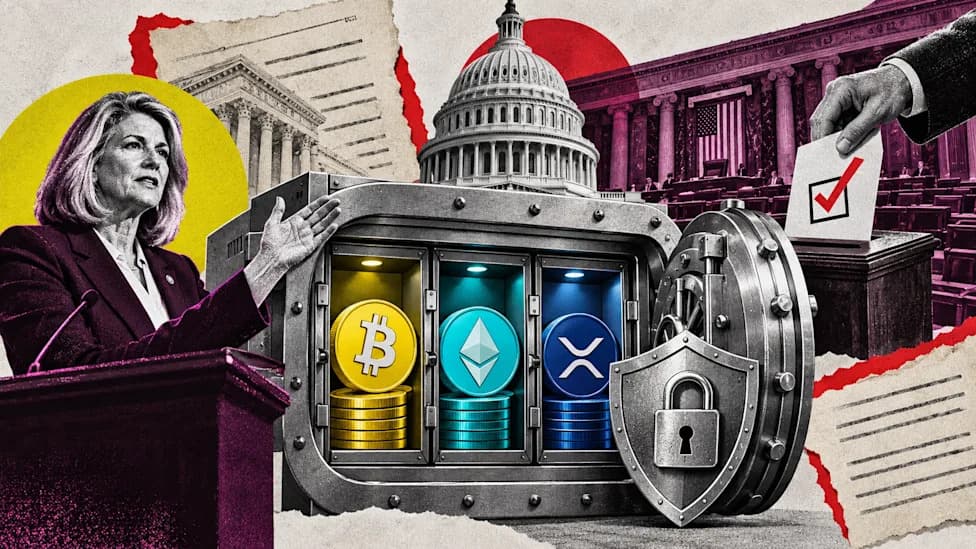
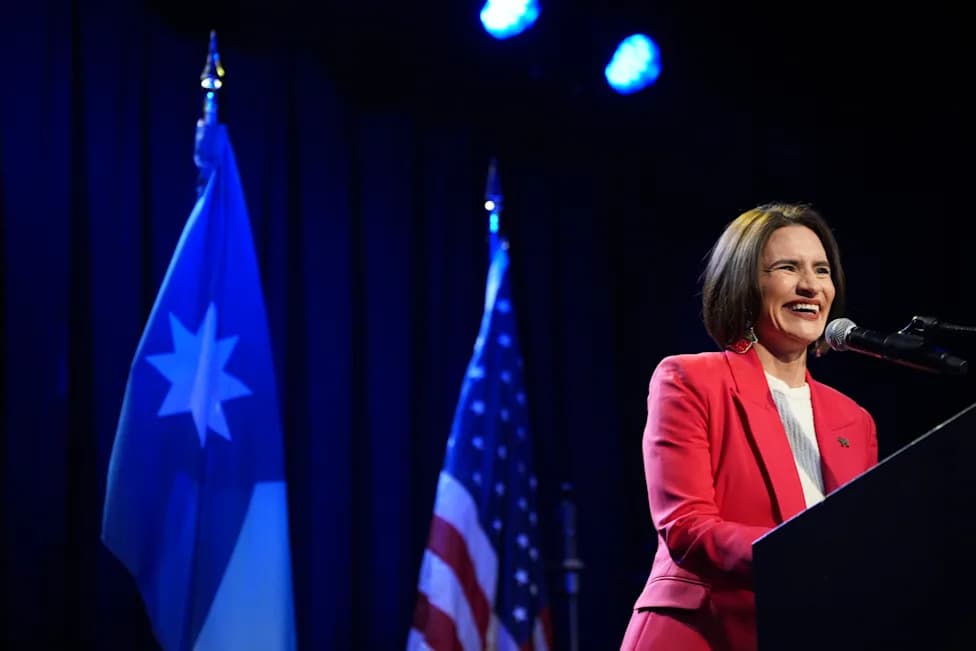
Cynthia Lummis says the CLARITY Act would require qualified custodians and segregated customer funds as the Senate's Sept. 15 vote approaches. | Credit: CCN.com
Sen. Cynthia Lummis has put customer custody front and center in the final push for the CLARITY Act, pressing that stronger safeguards could prevent another exchange collapse from converting customer deposits into general bankruptcy claims.
Key Provisions in the Latest Draft
The Senate's newest CLARITY draft establishes a federal framework for registered digital commodity intermediaries. It would create a defined category of "qualified digital asset custodian" subject to supervision and examination, minimum capital requirements, rigorous recordkeeping, and standards intended to protect customer assets.
Crucially, the draft treats customer cash, crypto, and other property held by a digital commodity exchange as customer property in bankruptcy, and it would bar exchanges from characterizing assets held in custody as their own or using those assets for proprietary purposes.
“Exchanges have collapsed with no custody rules and no consequences when they fail people,” Lummis wrote on Sept. 5. “The CLARITY Act requires qualified custodians and segregated customer funds so the next collapse doesn't wipe out the people who trusted the platform.”
Context: Lessons From 2022
The measures respond directly to failures in 2022 — notably FTX — and subsequent bankruptcy disputes involving companies such as BlockFi and Genesis. Those episodes showed how the legal classification of assets can determine whether customers receive immediate returns or must wait through lengthy bankruptcy proceedings.
Political Landscape And Next Steps
The Senate will hold a cloture vote on H.R. 3633 at 2:15 p.m. ET on Sept. 15. That procedural vote — which would permit further debate and amendments — requires 60 votes to advance; it is not a final passage vote.
One political hurdle eased recently when the National Sheriffs' Association, which had opposed the bill over concerns about illicit finance protections for DeFi and non-custodial software, shifted to a neutral position to allow negotiations to continue. The Senate Banking Committee already advanced its version of CLARITY 15-9 in May, and a July draft merged language from the Banking and Agriculture committees.
Significant disagreements remain, however: lawmakers are still negotiating illicit-finance safeguards, protections for non-custodial developers, stablecoin reward mechanics, and ethics rules addressing officials' crypto holdings. Even if cloture is achieved, the bill would face further debate and potential amendments on the Senate floor.
Bottom Line
For Lummis, the debate is now framed less around whether to encourage crypto innovation and more around whether Congress can establish a market structure that ensures customers retain ownership of assets if a custodian fails.
Help us improve.