The CLARITY Act suffered a procedural setback when the Senate failed to invoke cloture, 50–49, short of the 60 votes required to begin debate. House Majority Whip Tom Emmer says the bill could be revisited after the Nov. 3 midterms and still pass during the lame‑duck session if negotiators secure the missing support. Key sticking points include stablecoin rules, DeFi oversight, regulatory authority and ethics restrictions, and seven Democratic senators remain committed to bipartisan talks. Timing is tight due to canceled House voting days and the approaching midterms.
CLARITY Act Could Still Become Law Before Year‑End, Emmer Says — Post‑Midterm Lame‑Duck Is Key

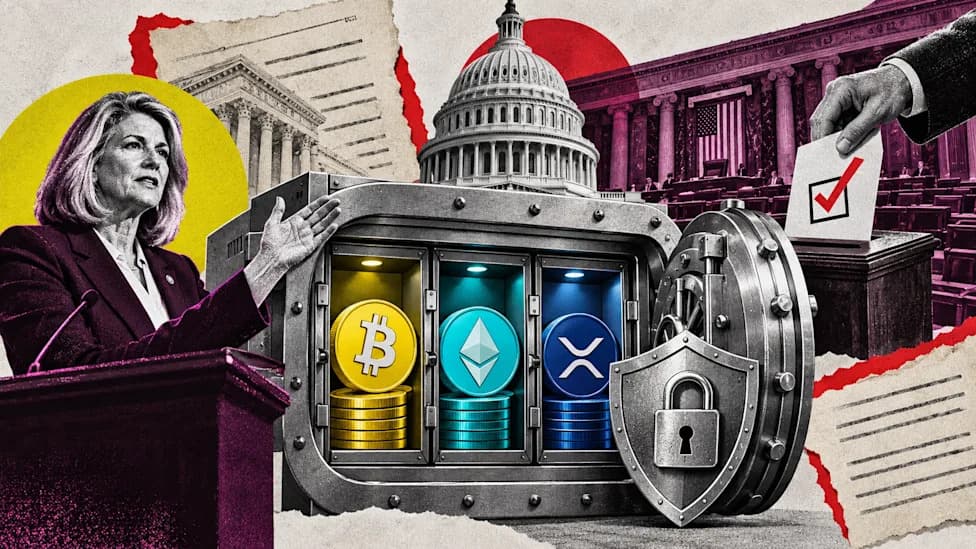
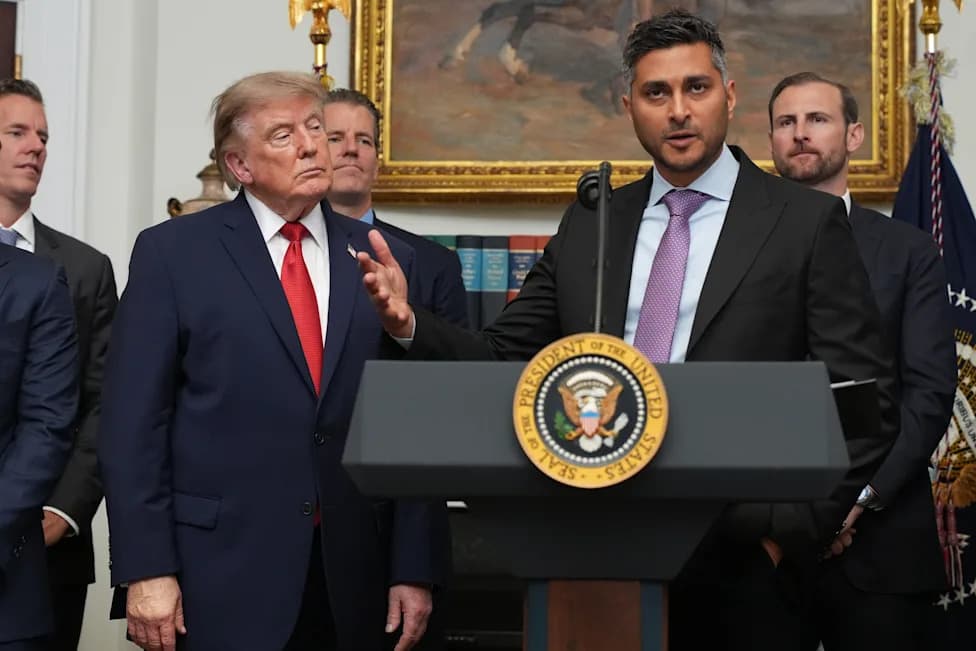
House Majority Whip Tom Emmer says the CLARITY Act could pass before the end of 2026 during the post-midterm lame-duck session. | Credit: CCN.com
House Majority Whip Tom Emmer says the CLARITY Act remains alive despite a bruising Senate procedural defeat, and lawmakers could revive the bill during the post‑midterm lame‑duck session.
The Senate failed to invoke cloture on the CLARITY Act on Tuesday, with the motion receiving a 50–49 majority but falling short of the 60 votes required to begin formal debate. Four Republicans joined Democrats in opposing the procedural motion, although Republican Sen. Thom Tillis later changed his vote for procedural reasons, preserving a path for reconsideration.
Why the bill stalled: Negotiators spent more than a year working through contentious issues — including stablecoin rewards, decentralized finance (DeFi) oversight, the scope of regulatory authority, and ethics restrictions for elected officials — but the Senate lacked the votes this week to move forward.
What Emmer says: Emmer called the result "very disappointing" but not necessarily fatal. He told Fox Business that the bill could be delayed until after the November midterms and still be finished before the end of the year, provided negotiators can secure the missing Senate support.
Path Forward and Procedural Hurdles
Calendar constraints make timing difficult. House leaders canceled eight voting days in September, members depart Washington on Sept. 17, and regular legislative business is unlikely to resume until after the Nov. 3 midterm elections. That makes pre‑election passage improbable and focuses attention on the lame‑duck window between the election and the end of the current Congress.
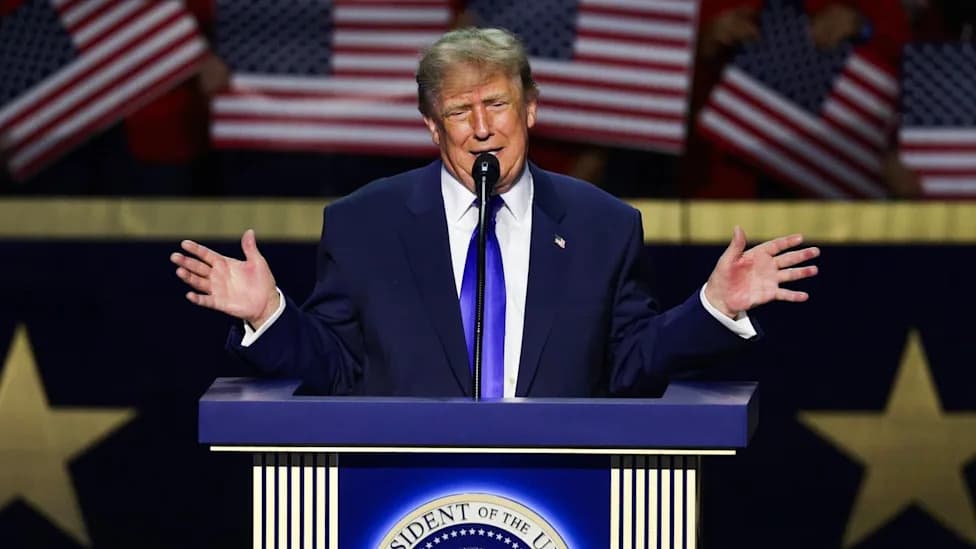
If the bill returns, it must clear several hurdles: the Senate must advance and approve legislation, any Senate version that differs from the House bill would have to go back to the House or be reconciled, and the final bill must reach President Donald Trump for signature.
Outlook
Seven Democratic senators, including Kirsten Gillibrand, Cory Booker and Mark Warner, have said they remain committed to bipartisan negotiations, though they have not released revised text or set a new vote date. For now, the CLARITY Act retains a plausible route to becoming law in 2026, but that depends on lawmakers finding the additional votes the bill lacked this week.
"It absolutely has to get done by the end of the year," Emmer said prior to the vote, underscoring Republican urgency to finalize a market‑structure framework for the crypto industry.
Why it matters: The CLARITY Act would shape federal oversight of key crypto issues — stablecoins, DeFi, enforcement boundaries and ethics rules — so its eventual passage (or failure) will have major implications for industry participants, investors and regulators.
Help us improve.