French authorities warn illegal gold mining along the Marowijne river is triggering severe environmental contamination and public-health risks for riverside communities. Indigenous campaigners report mercury at 8,469× and arsenic at 4,623× WHO safety limits, affecting the Wayana and other local populations. France is urging Suriname to ratify a 2021 border agreement to enable joint enforcement while deploying roughly 500 soldiers to counter illicit operations. Observers say unresolved border claims, local complicity and cross-border supply networks are complicating efforts.
France Calls Illegal Gold Mining on Marowijne River a 'Ticking Time Bomb' — Urges Suriname To Ratify Border Deal
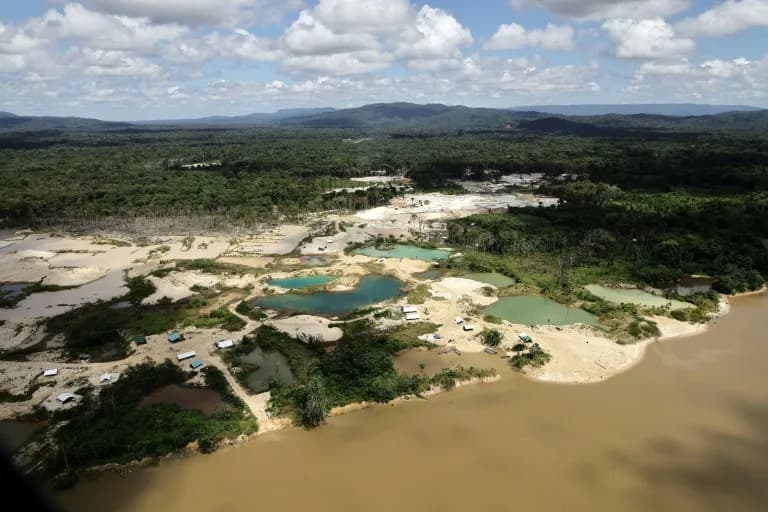
Illegal mining in Suriname is gravely damaging ecosystems on the border with French Guiana (Ranu ABHELAKH)
French authorities warn that rampant illegal gold mining along the Marowijne river — the waterway separating French Guiana and Suriname — has created a severe environmental and public-health crisis that risks spiraling out of control without coordinated action.
Devastation from the Air
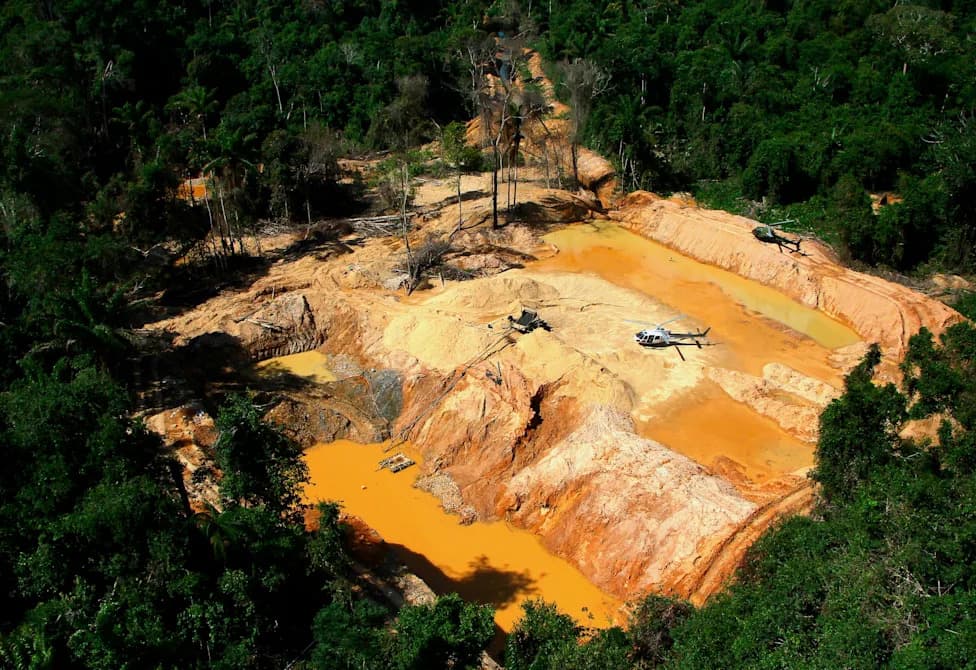
Observers from the Mining Activity Observatory (OAM) and AFP flew by helicopter over stretches of riverbank where illicit mining has gouged vast craters into the landscape and turned the Marowijne discolored by runoff. Investigators have documented miners from Suriname, French Guiana and Brazil operating covertly in streams near the border, using techniques that saturate soil and waterways with toxic mercury.
Alarming Pollution Levels
Indigenous rights campaigner Jupta Itoewaki, from the Wayana community, told AFP that local measurements show mercury levels 8,469 times the World Health Organization (WHO) limit and arsenic levels 4,623 times the WHO limit. Itoewaki stressed that roughly 1,000 Wayana people living along the river are exposed daily through drinking water, fish and food grown or collected nearby.
"The entire community is exposed daily through water and food," Itoewaki said. "Ratify the protocol and recognize our land rights. Otherwise, nothing will change in the water."
Legal, Illegal And Jurisdictional Challenges
Suriname signed a border-delineation agreement with France in 2021 that included measures to curb illicit gold extraction, but Paramaribo has not ratified the accord. France's ambassador to Suriname, Nicolas de Bouillane de Lacoste, says ratification would provide the legal certainty needed for joint enforcement — though he also warns that an agreement alone will not solve the crisis.
By contrast, companies such as SIAL operate legally in French Guiana under French rules and use mercury-free extraction methods. The lack of clear, demarcated boundaries and contested river islands complicates enforcement: "Because the border has not yet been demarcated, it is difficult to determine which country an island belongs to," said Lieutenant-Colonel Emmanuel Rigault, France's defense attaché.
Enforcement Efforts And Local Complicity
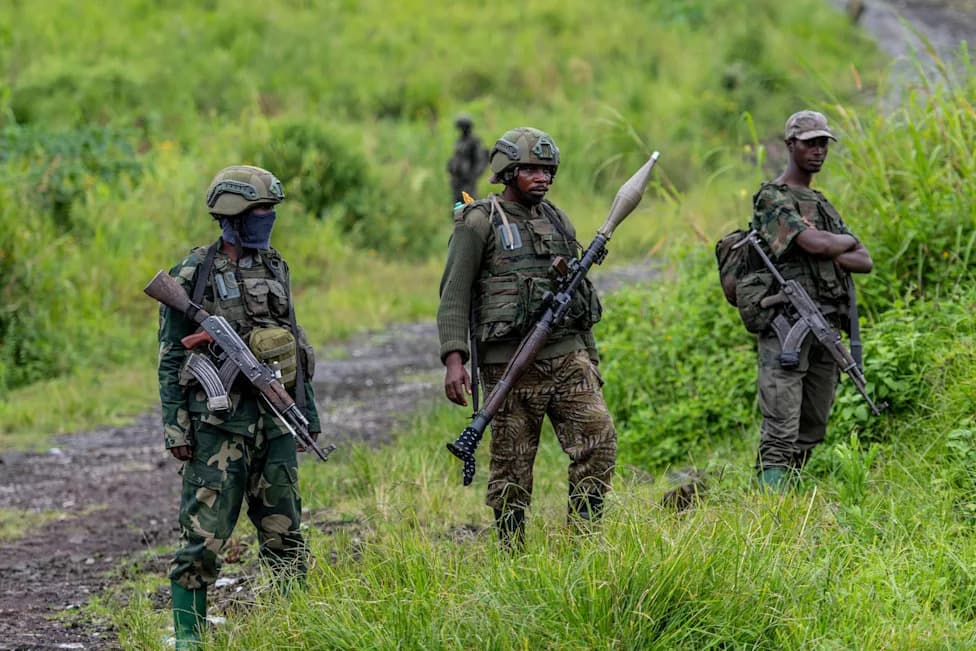
French authorities report deploying roughly 500 soldiers on land, sea and in the air in operations aimed at curbing illegal mining. Still, officials describe the effort as a "losing battle" when confronted by cross-border flows of miners, fuel supplies staged along riverbanks and allegations of local complicity.
From the air, AFP observed clusters of shops — many reportedly Chinese-owned — lining the Surinamese bank and stockpiles of fuel drums used to supply illegal camps, underlining the commercial networks that sustain the activity.
Human And Ecological Toll
French officials warn the pollution threatens aquatic biodiversity, the health and livelihoods of riverside communities, and even child development through prolonged exposure to heavy metals. Suriname's foreign minister, Melvin Bouva, said in July that Paramaribo intends to ratify the 2021 agreement but did not provide a timetable.
The situation remains urgent: community leaders and French authorities are calling for ratification, enforcement, and recognition of Indigenous land rights as complementary steps to halt contamination and protect affected populations.
Help us improve.