Amnesty International reports that M23 fighters allegedly committed abuses at artisanal mines in eastern Democratic Republic of Congo between January 2025 and March 2026 that could amount to war crimes, including killings, torture and forced labor. The investigation, based on 26 interviews, focuses on a coltan site near Rubaya and a gold mine at Lomera and documents 18 miner deaths. Amnesty also says there is evidence gold was smuggled into Rwanda. The findings intensify international concerns about mineral trafficking and the role of armed groups in eastern DRC.
Amnesty: M23 May Have Committed War Crimes at Congo Mines; Mineral Trafficking Alleged
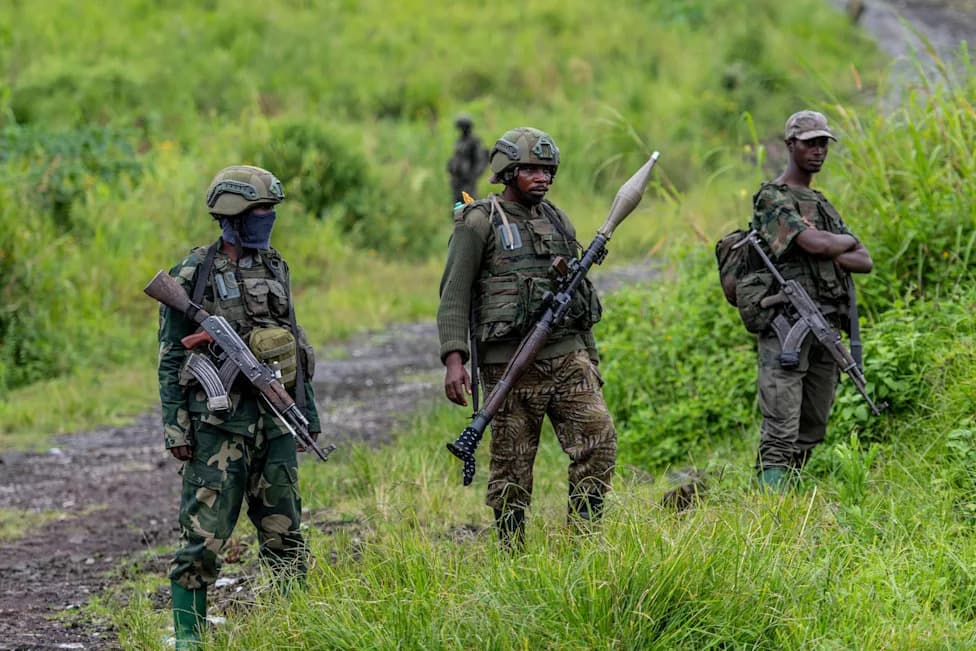
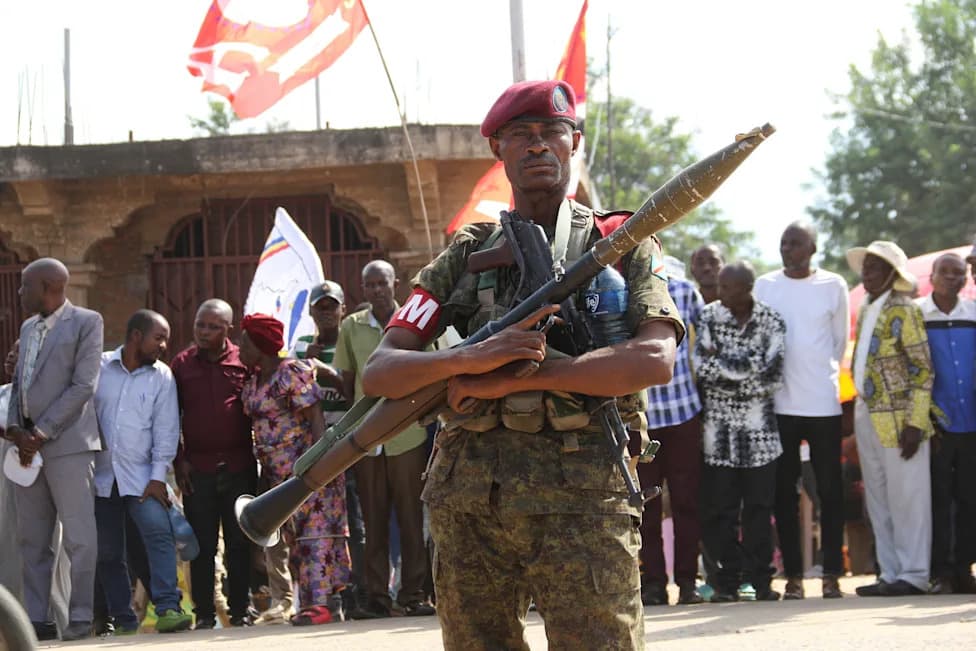
FILE - M23 rebels stand with their weapons in Kibumba, in the eastern of Democratic Republic of Congo, Dec. 23, 2022. (AP Photo/Moses Sawasawa, File)
Amnesty International says the M23 rebel movement in eastern Democratic Republic of Congo (DRC) has carried out abuses at artisanal mines that could amount to war crimes, and that minerals from those sites have been trafficked to neighboring Rwanda.
Key Findings
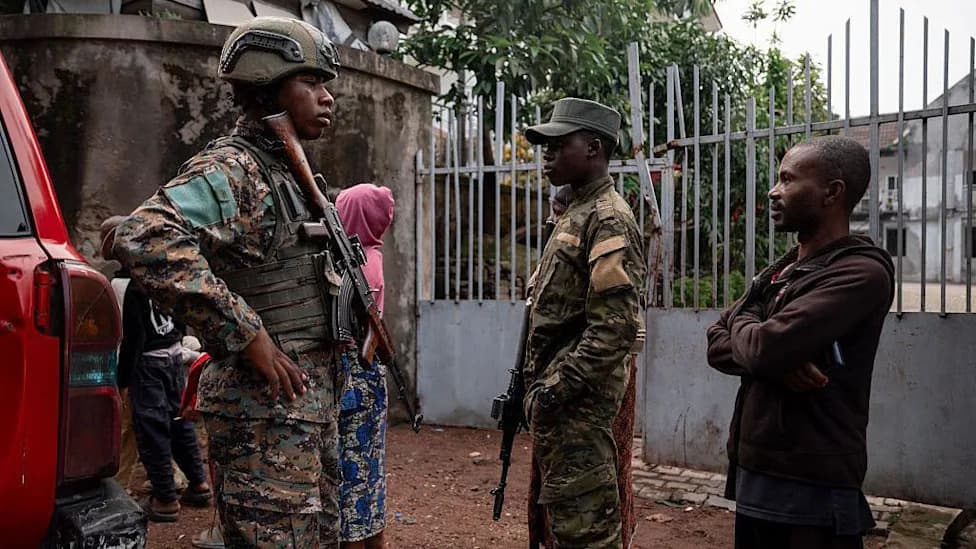
In a report published Monday, Amnesty said investigators interviewed 26 people and documented alleged violations between January 2025 and March 2026, focusing on a coltan site near Rubaya in North Kivu and a gold mine at Lomera in South Kivu. The organization says 16 interviewees — miners and civilians — reported torture or other mistreatment by M23 fighters or security personnel operating at rebel-held mines.
"Witnesses and family members reported that 10 were beaten to death, two were shot dead and six abducted miners were later found dead," Amnesty reported, documenting the deaths of 18 artisanal miners at the Rubaya and Lomera sites.
The rights group details a range of alleged crimes that, under international law, are likely to qualify as war crimes: summary killings, torture, arbitrary detention, forced labor and pillage. Amnesty also reports evidence that gold was moved out of M23-controlled areas into Rwanda through informal smuggling routes.
Responses and Wider Context
Requests for comment from M23 and Rwandan authorities went unanswered, the report says. United Nations experts, the United States and the government of the DRC have previously accused Rwanda of benefiting from Congo's mineral wealth in exchange for support to rebel forces — allegations Kigali denies.
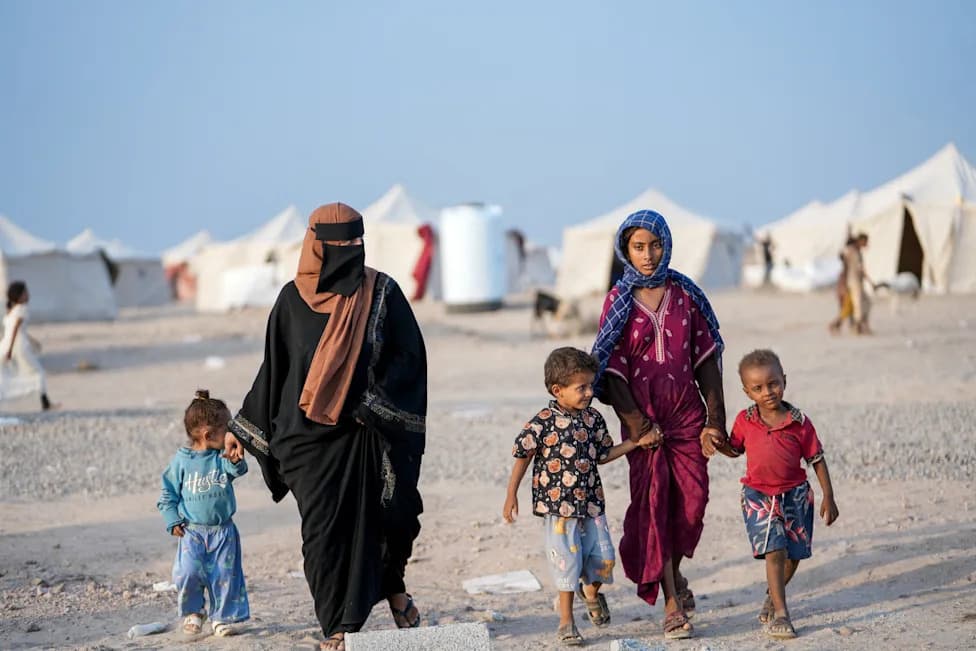
Eastern DRC is one of the world’s most mineral-rich and most violent regions, with decades of conflict involving government forces and numerous armed groups, including M23. The re-emergence of M23 has intensified fighting and worsened an already severe humanitarian crisis.
Mines, Casualties and Production
The Rubaya coltan site is a major source of tantalum — a metal used in smartphones and other electronics. Amnesty notes that Rubaya accounts for roughly 15% of global production of tantalum-derived ore, and that the DRC produced more than half of the world’s tantalum in the previous year. The group also reported that the country exported more than 28 tons of gold that year.
Rubaya has experienced multiple recent tragedies: a March mine collapse that killed at least 200 people and a January landslide that left around 200 dead, according to Amnesty. The Lomera gold mine suffered a collapse last year that trapped numerous miners.
What Comes Next
Amnesty’s findings add to mounting international scrutiny of mineral flows from eastern DRC and the role of armed groups in controlling artisanal mining sites. The report calls for accountability, independent investigations and measures to disrupt illegal mineral trafficking that may sustain armed groups and fuel continued violence.
Help us improve.