Residents in Calgary’s Evanston neighbourhood have reported a heavy infestation of invasive Prussian carp in a stormwater pond, raising concern about spread through municipal waterways. Prussian carp tolerate poor water, reproduce rapidly — even asexually — and have been detected across multiple Alberta watersheds. The City of Calgary is developing a fish management and a five-year invasive species plan while officials investigate how the fish arrived.
Invasive Prussian Carp Swarm Calgary Stormwater Pond, Raising Spread and Ecosystem Concerns
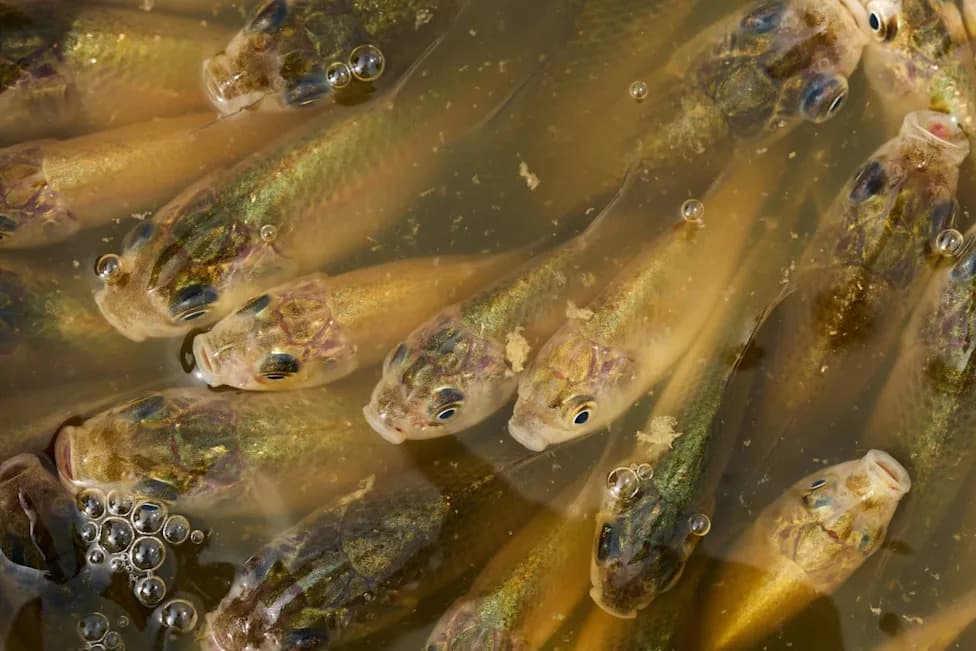
Photo Credit: iStock
Residents in the Evanston neighbourhood of northwest Calgary have reported a dense population of Prussian carp in a local stormwater pond, prompting alarm among conservation groups and city officials about the potential for the invasive fish to spread through municipal waterways.
What Was Observed
Community reports highlighted what appears to be a heavy concentration of Prussian carp in the Evanston stormwater pond. Rural Roots Canada first raised the alarm after residents and volunteers documented the sightings and expressed concern that the species may already be established in Calgary’s stormwater system.
Origins And How They Spread
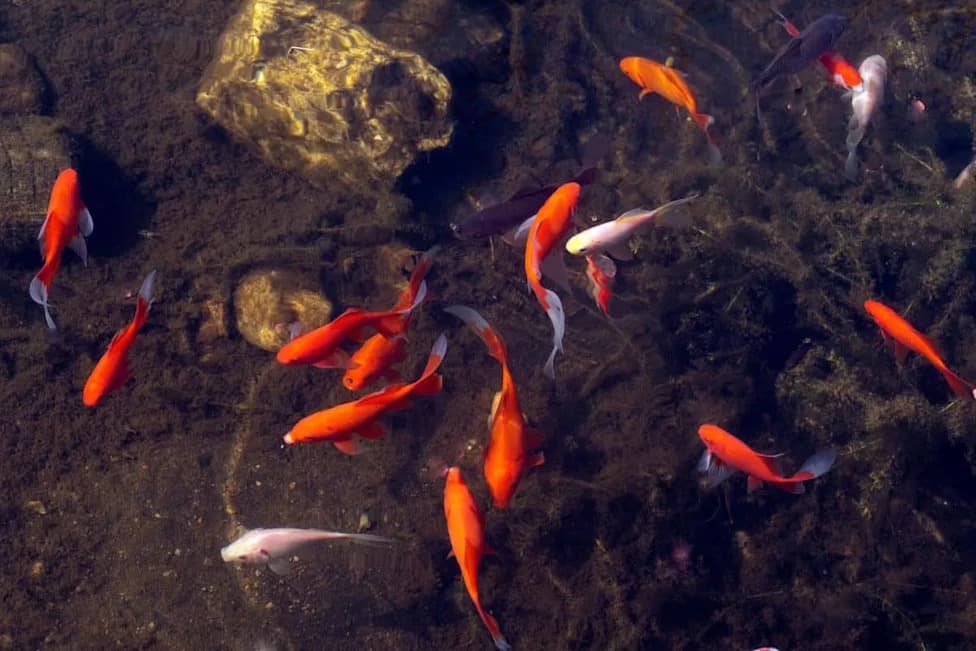
Prussian carp are native to parts of central Europe and Asia. They commonly reach new regions when aquarium fish or unwanted pet goldfish are released into ponds, storm channels or other waterbodies — either intentionally or accidentally. Alberta was the first jurisdiction in North America to identify Prussian carp, and the species has since spread into Saskatchewan via connected waterways.
Where They Have Been Detected
Authorities and conservation groups have reported Prussian carp in several Alberta watersheds, including the Bow and South Saskatchewan systems as well as the North Saskatchewan, Oldman, Red Deer and Rosebud watersheds. The presence across multiple connected systems increases the risk of further spread.
Why They Are A Concern
Prussian carp are highly adaptable and resilient: they tolerate low water quality, reproduce rapidly, compete aggressively with native species for food and habitat, and can reproduce asexually — meaning a single individual may be capable of founding a new population. These traits allow them to displace native fish and alter food webs, undermining the ecological balance of lakes, rivers and connected waterways.
Implications For Stormwater Infrastructure
Stormwater ponds in Calgary are critical infrastructure intended to capture runoff, reduce flood risk and improve water quality before discharge to the Bow River system. If invasive fish establish in these ponds, the city could face significant operational challenges and increased costs to preserve the ponds’ environmental functions.
City Response And Next Steps
Rather than treating the Evanston pond as an isolated incident, the City of Calgary is taking a broader approach. Ward 2 Councillor Jennifer Wyness told Rural Roots Canada that the city is developing a fish management and control strategy, and officials expect a five-year invasive species plan for local waterways later this year. Because Prussian carp are notoriously difficult to eradicate once established, prevention of new introductions is likely to be as important as measures to address existing populations.
What Residents Can Do
Residents can help by not releasing aquarium fish or plants into the wild, reporting suspicious sightings to local conservation authorities, and following guidance from municipal and provincial agencies on preventing the spread of invasive species.
Help us improve.