With 100 days to the US midterms, polls show Republicans at risk of losing the House while fighting to retain a narrow Senate majority. Rising living costs, high gas prices and low presidential approval are shaping voter sentiment, but redistricting and GOP fundraising provide significant advantages. Forecasts from Decision Desk HQ give Democrats a 59% chance to win the House, though several tight Senate races could decide control of Congress.
100 Days to Midterms: Trump’s GOP Faces Risk Of Losing The House And A Tight Senate Fight

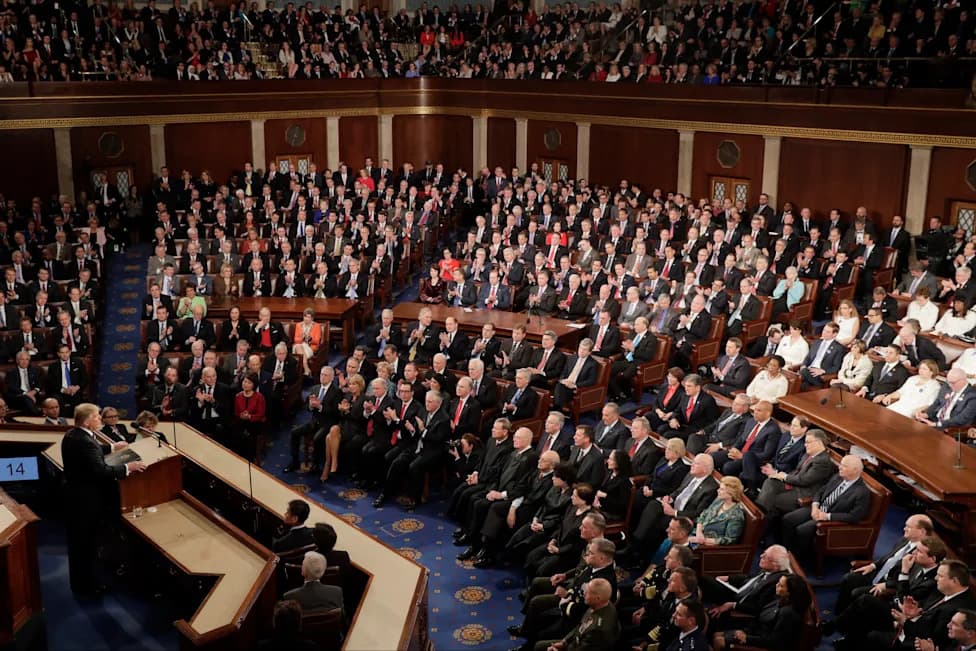
US President Donald Trump has been pushing an election security bill that Democrats say is designed to suppress voting (Brendan SMIALOWSKI)
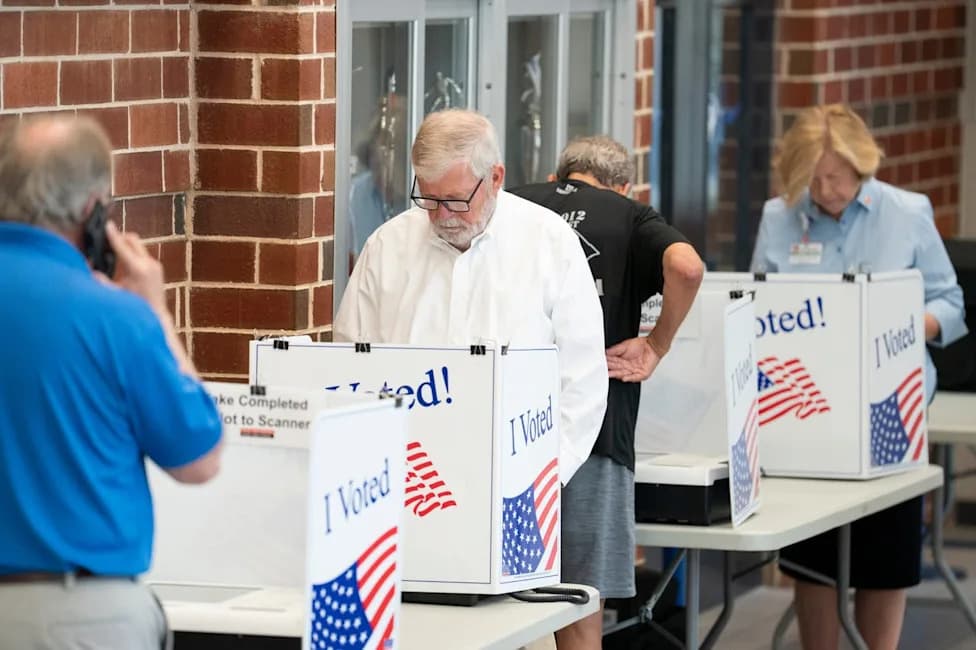
One hundred days before the US midterm elections, President Donald Trump’s Republican Party is confronting polls that suggest it could lose control of the House of Representatives while locked in a fierce battle to retain the Senate.
High Stakes For The White House
Although Trump will not appear on the November 3 ballot, the results carry enormous consequences for his presidency. A Democratic takeover of the House would give the party control of powerful committees and subpoena authority, likely triggering two years of investigations into the administration and raising the prospect of renewed impeachment efforts.
What Voters Are Saying
Voters are increasingly concerned about the cost of living: gasoline has risen above $4 a gallon amid disruptions tied to the war in Iran, inflation remains elevated, and interest rates are high. Polling cited by Democrats indicates the party now leads on issues including inflation, health care and—even—immigration, an area long viewed as a Republican strength.
"Donald Trump and Republicans have failed the American people," House Democratic leader Hakeem Jeffries said as he launched an affordability campaign focused on groceries, gasoline, housing and health care.
Electoral Map And Money
Election analytics site Decision Desk HQ gives Democrats roughly a 59% chance to win the House, projecting a 224-211 Democratic majority. Historically, the president’s party tends to lose seats in midterms, and only a relatively small number of district flips would change control.
Republicans enter the stretch with two structural advantages: redistricting and fundraising. After the latest map-drawing, analysts estimate Republicans may have a net advantage of about five to 12 seats, and GOP committees and allied groups hold tens of millions more in campaign funds than Democrats—resources that matter in close races.
The Senate Picture
The Senate race is different but no less dramatic. Republicans currently hold a 53-47 majority, meaning Democrats need a net gain of four seats to seize control. Decision Desk HQ and other forecasters see the Senate as narrowly competitive; its outcome may hinge on a handful of tight contests, runoff races in some states, retirements and local dynamics rather than national polling alone.
Political analyst Chuck Todd noted that Republicans have gone from "clear favorites" in the Senate nine months ago to only "very small favorites" now and warned the scale of House gains depends heavily on the president’s approval ratings.
What This Means For Trump
Trump’s approval ratings remain low: an Economist/YouGov survey found roughly 36% approval. If Democrats win the House while Republicans keep the Senate, Washington would be divided: legislation could stall, administration officials would face scrutiny and public hearings, and Democrats would use their House platform to investigate the Iran war, ethics questions and proposed election changes.
Bottom line: The next 100 days will hinge on whether national dissatisfaction with the economy and foreign policy translates into district-level losses for Republicans—or whether redistricting, cash advantages and targeted campaigns are enough to hold the House and the Senate for the GOP.
Help us improve.