The Public Utility Commission of Texas is asking the Legislature for clearer authority to oversee fast-growing data-center demand that could strain the state’s power grid. In response to Gov. Greg Abbott’s June 1 request, the PUCT recommended requiring fuller developer disclosures, improving ERCOT’s curtailment communications, and adding safeguards against foreign exploitation. Officials say better oversight is needed to reduce outage and price-spike risks and protect grid security as AI and cloud-driven demand rises.
Texas Regulators Seek Greater Oversight Of Data Centers to Protect Grid Reliability and Security
Photo Credit: iStock
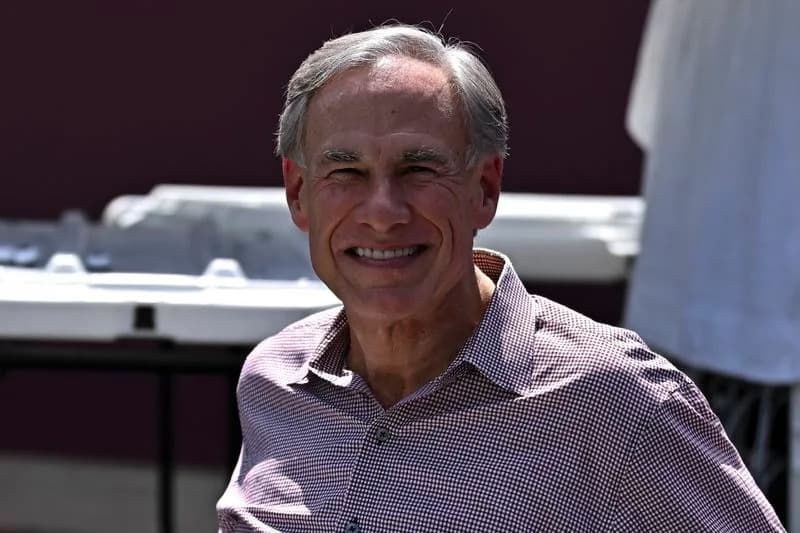
The Public Utility Commission of Texas (PUCT) is urging lawmakers to give it and the Electric Reliability Council of Texas (ERCOT) clearer authority to review and oversee large data centers as construction booms across the state. In response to Gov. Greg Abbott’s June 1 request for guidance on the “rapid growth of large electricity users,” the commission outlined steps to protect grid reliability, improve emergency coordination, and reduce security risks, Nexstar reported.
What The PUCT Is Asking For
The commission’s response identifies three primary areas for legislative action:
- More Detailed Developer Disclosures: Require project applicants to provide fuller operating and load profiles so regulators and ERCOT can evaluate potential reliability impacts before projects are approved.
- Clearer Curtailment Communication: Establish standardized procedures for ERCOT to notify and coordinate with data center operators during curtailments and other emergency actions.
- Security Safeguards: Implement protections to limit the risk that hostile foreign actors could exploit data centers or related infrastructure to interfere with the electric grid.
Why This Matters
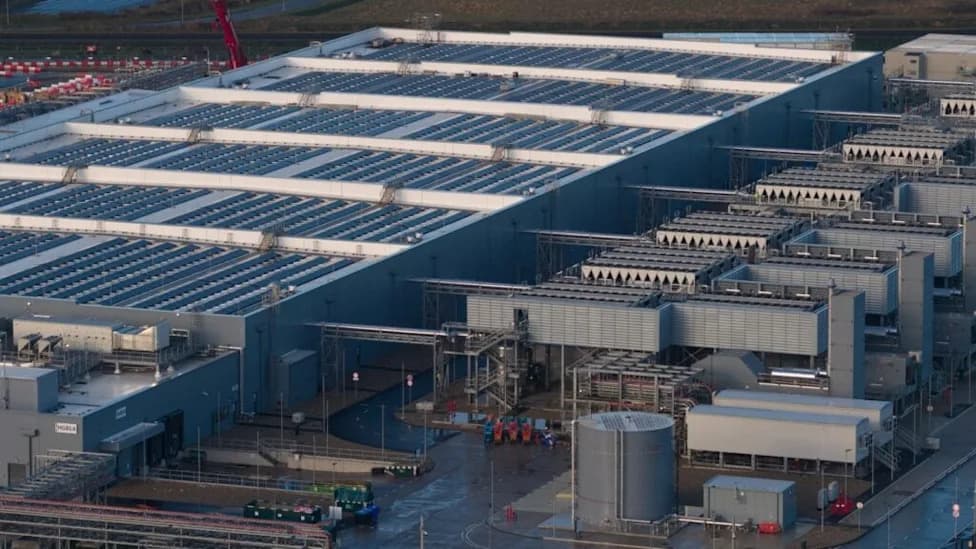
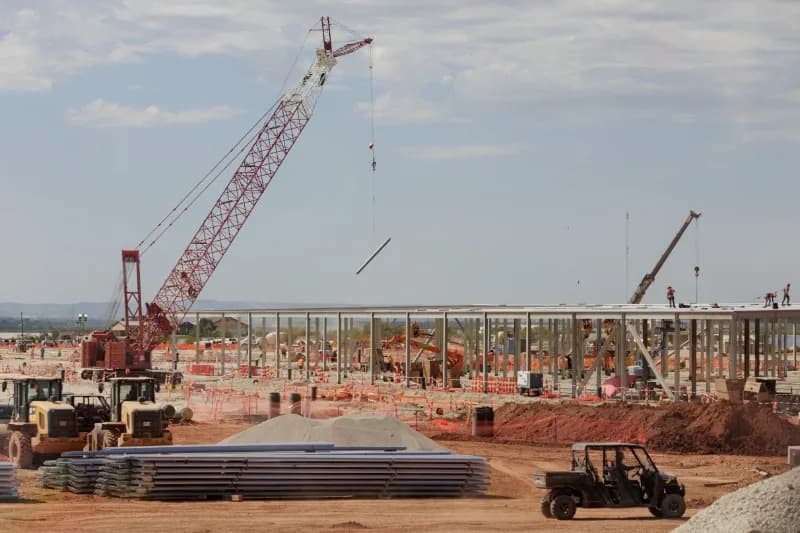
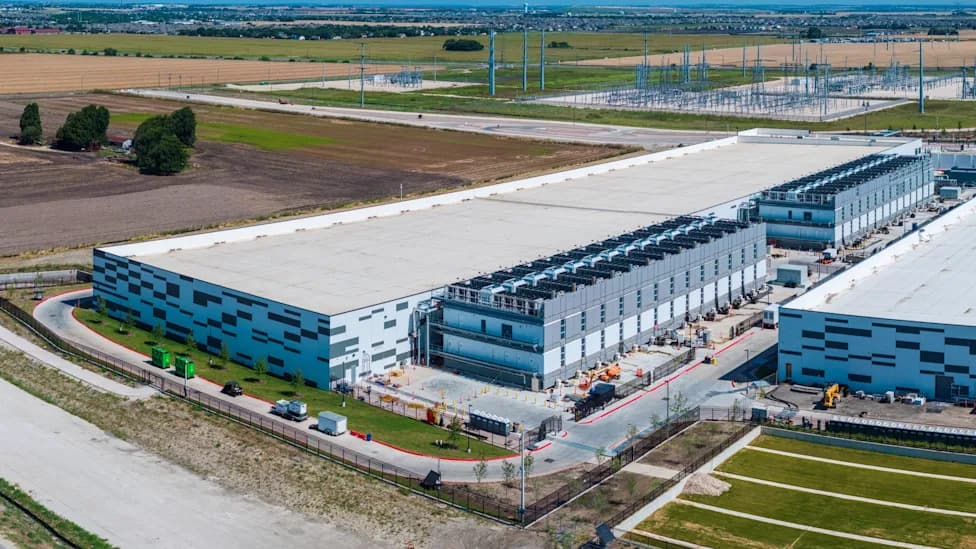
Data centers are becoming major new electricity consumers in Texas, driven by growth in artificial intelligence, cloud services, and large-scale computing. When multiple high-demand facilities come online in a short period, they can complicate planning for heat waves and other stress events, increasing the risk of emergency conservation requests, price spikes, and outages.
Regulators say better visibility into when and how these facilities use power will help balance supply and demand in real time and reduce strain on residents and businesses. There is also a national-security dimension: officials warn that inadequate oversight could create opportunities for malicious actors to disrupt critical infrastructure.
Policy Options And Next Steps
Possible legislative measures include mandating that developers submit operational details, defining PUCT and ERCOT authority over large-load customers, and setting clearer curtailment protocols to ensure emergency measures are consistent and enforceable. The matter is now headed to the Texas Legislature, where lawmakers will consider whether to codify these powers before additional large projects further stress existing rules.
Bottom line: Texas officials view data center expansion not just as an economic development success but as a growing challenge for grid management, consumer protection, and state security—and want tools in place now to manage that growth responsibly.
Source: Nexstar
Help us improve.