Afrah al-Zouba has been named Yemen’s first female foreign minister, capping a 25+-year career in development, peacebuilding and government. She played senior roles in the post-2011 National Dialogue and on the Constitution Drafting Committee, and has led Yemen’s aid-absorption efforts and planning ministry. Critics note limited traditional diplomatic experience, but she has participated in UN-led peace consultations. Al-Zouba steps into the role as violence rises and the government seeks to unify anti-Houthi forces and regain broader authority.
Afrah al-Zouba: Yemen’s First Female Foreign Minister — From Development Leader To Diplomatic Frontline
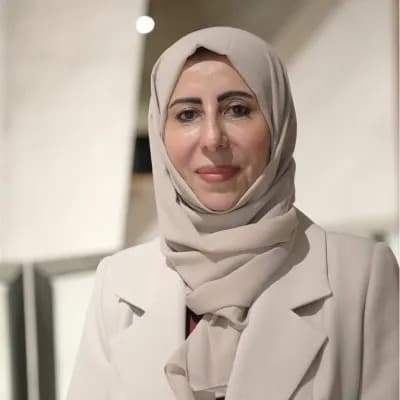
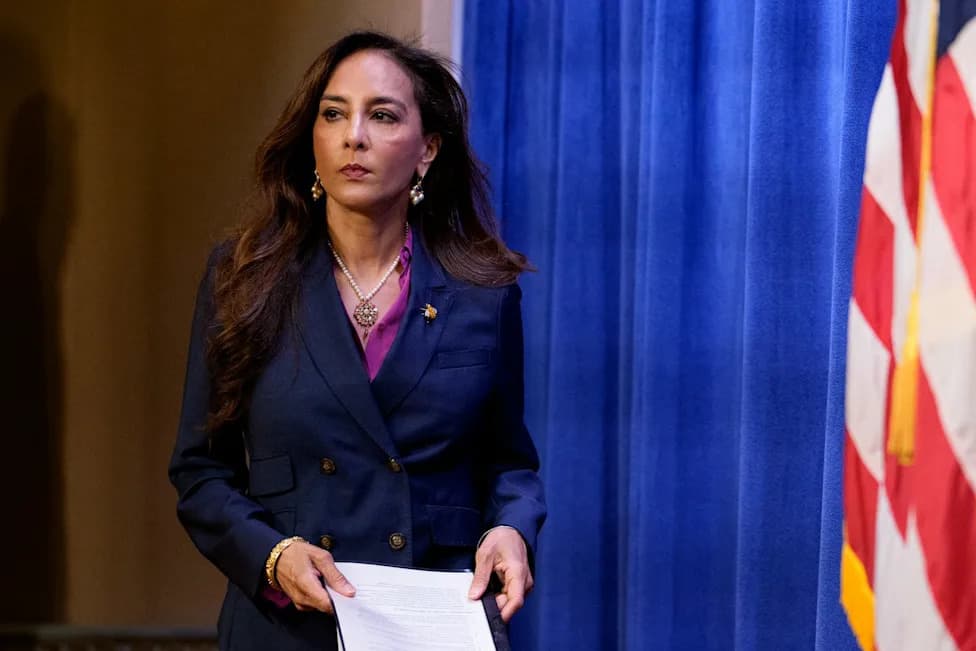
Afrah al-Zouba is Yemen's first female foreign minister [File: via social media]
Afrah al-Zouba has been appointed Yemen's first female foreign minister, a historic milestone for a country long dominated by male political leadership. Her elevation to one of the government's most prominent posts caps a career that spans development, peacebuilding and senior roles in Yemen's transitional politics.
Background and Education
Originally from al-Bayda in central Yemen, al-Zouba trained as a pharmacist, earning a bachelor’s degree from Sanaa University. She later completed a master’s in community health and health economics in Malaysia and an MBA at the University of Science and Technology in Yemen. That combination of health, economics and management has informed a career focused on development policy and public-sector reform.
Career In Development And Government
For more than 25 years al-Zouba worked mainly in development and peacebuilding. Her early work with SOUL For Development took her into some of Yemen’s poorest and most marginalised communities, where she led projects to reduce poverty and improve access to health and education. She also worked with the United States Agency for International Development (USAID) on programmes in governance, conflict mitigation and youth and women’s empowerment.
Al-Zouba’s work increasingly brought her into government service. In 2019 she served as an adviser to then-Prime Minister Maeen Abdulmalik on humanitarian relief and development as Yemen confronted one of the world’s most acute humanitarian crises. She was later appointed in February as minister for planning and international cooperation and previously led the agency responsible for absorbing foreign aid — serving as executive director of the Executive Bureau For Accelerating Aid Absorption And Supporting Policy Reforms.
Role In The Post-2011 Transition
Al-Zouba first rose to national prominence after the 2011 uprising. Between 2013 and 2015 she served as first deputy secretary-general of the National Dialogue Conference, the transitional forum charged with managing Yemen’s move away from long-time president Ali Abdullah Saleh and drafting a new constitution. She helped oversee the conference’s technical and organisational work and contributed to preparing the final document. She later served on the Constitution Drafting Committee.
That process ultimately collapsed when the Houthi movement rejected the dialogue’s outcomes and seized Sanaa in September 2014, plunging the country into the conflict that continues to shape Yemen’s politics and humanitarian situation.
Peacebuilding And International Engagement
While some critics question whether al-Zouba has deep diplomatic experience, she has been active in peacebuilding for over a decade. Between 2016 and 2017 she was among a small group of Yemeni women invited by the United Nations to consultations in Kuwait connected to the Yemeni peace process — part of a broader push to increase women’s participation in negotiations.
What She Faces As Foreign Minister
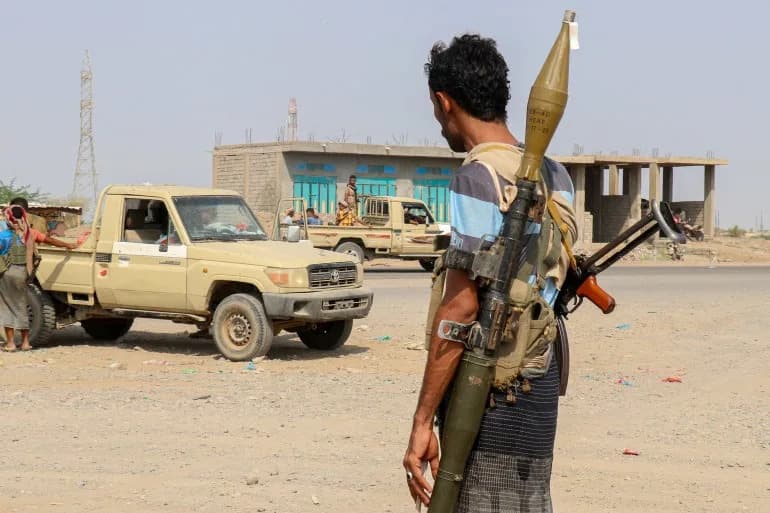
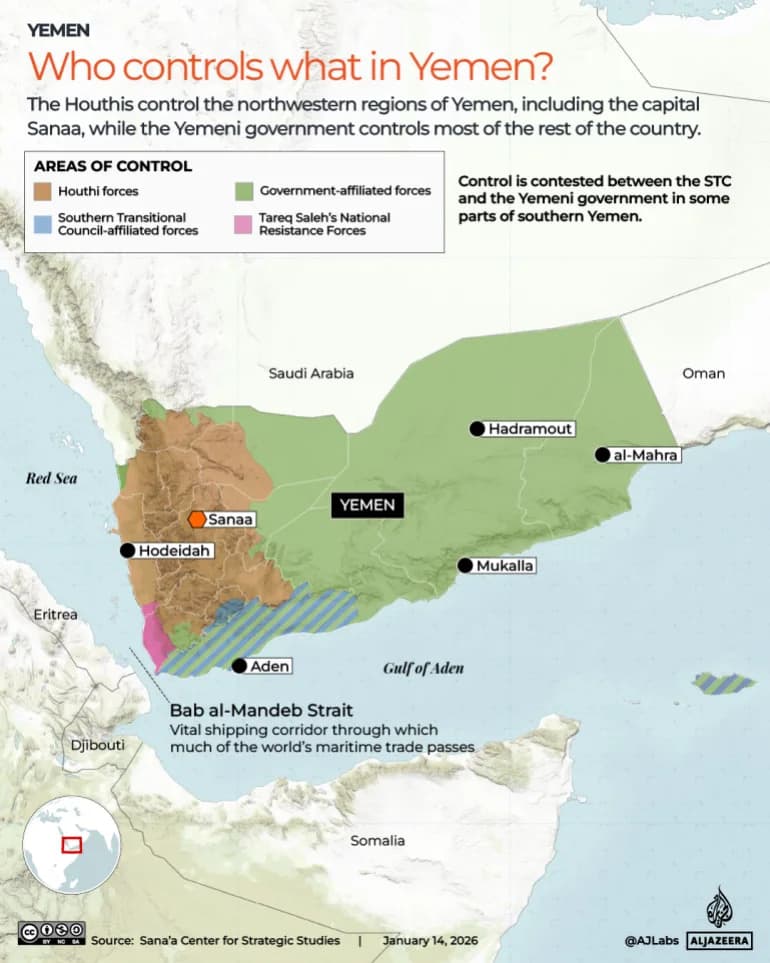
Al-Zouba assumes the foreign ministry at a particularly sensitive moment. The internationally recognised government is attempting to unite anti-Houthi forces under a single chain of command and to re-establish effective control in parts of the south and east not held by the Houthis. After a period of relative calm, violence has been rising again, and the risk of renewed large-scale conflict persists.
In her new role she will be a principal voice for the government abroad — advocating with regional partners, Western capitals and at the United Nations — while navigating complex donor relationships and urgent humanitarian and reconstruction needs at home.
Al-Zouba’s appointment is both symbolic and practical: it marks progress for women’s representation at the highest levels of Yemeni politics and places an experienced development professional in charge of diplomacy at a pivotal time for the country.
Help us improve.