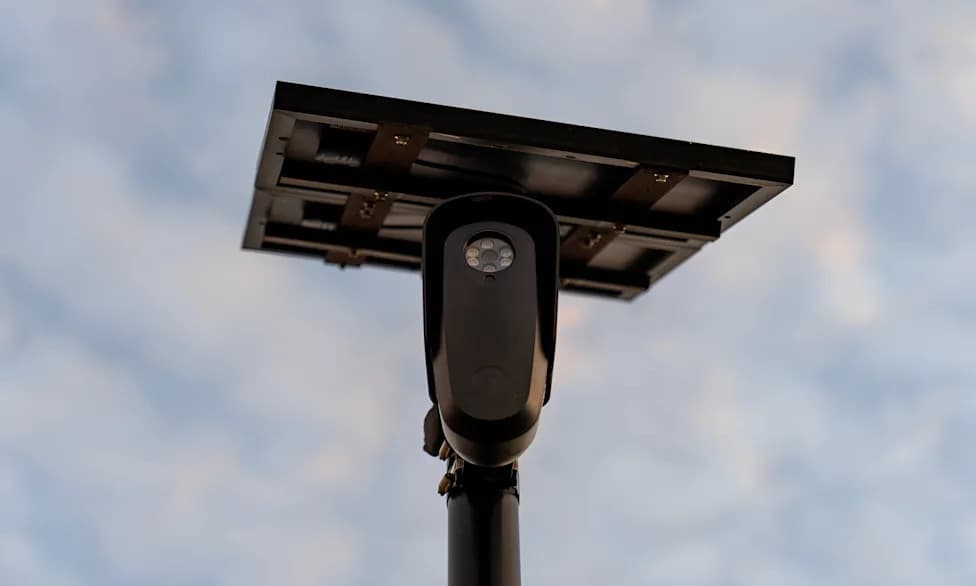
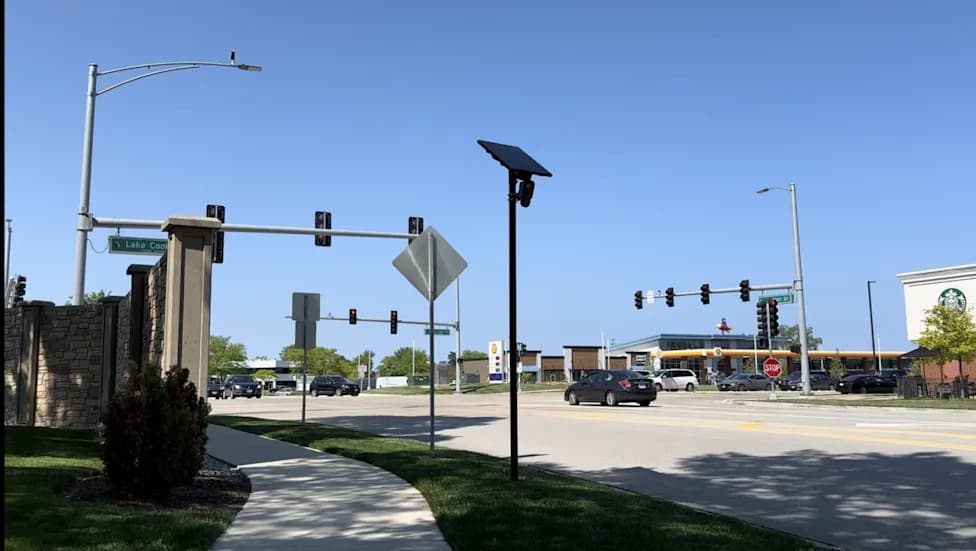
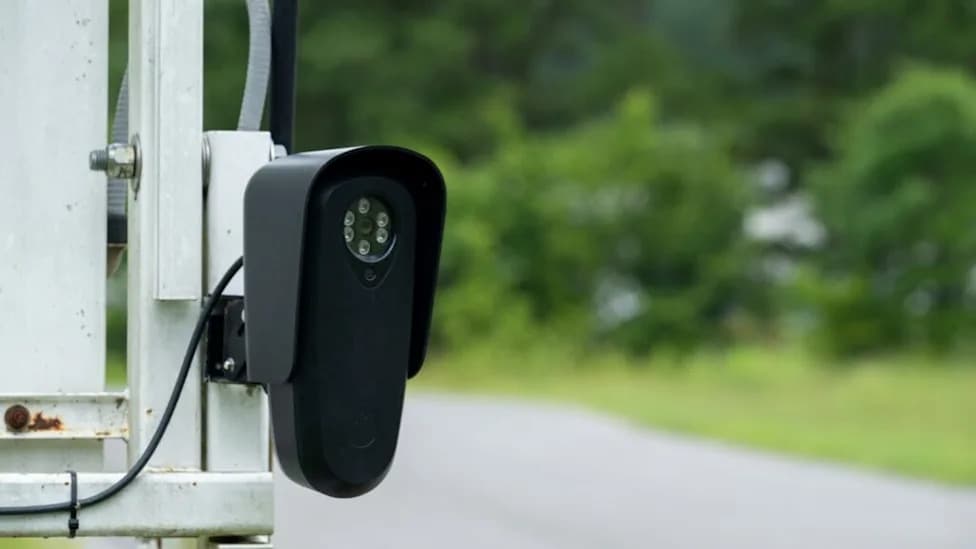
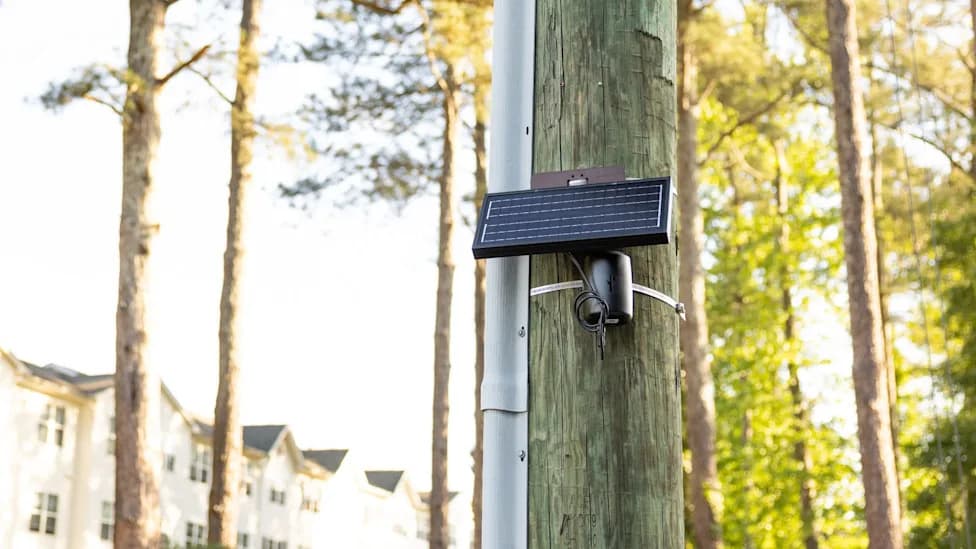
A cracked utility-box enclosure near Chain Bridge reportedly revealed two hidden cameras wired into an LED streetlamp's unmetered 120V feed and aimed at traffic near ambassador residences. The camouflage label that masked the lenses and lack of agency markings have led observers to suspect the unit could be an automated license-plate reader (ALPR). Legal experts note public roads usually carry low privacy expectations, but continuous, disguised monitoring of residences can trigger warrant and constitutional issues. Residents are advised to photograph unexplained hardware (but not touch it) and report sightings to authorities.
Hidden Cameras Found on Utility Pole Near Chain Bridge — Possible ALPR Targeting Diplomatic Route
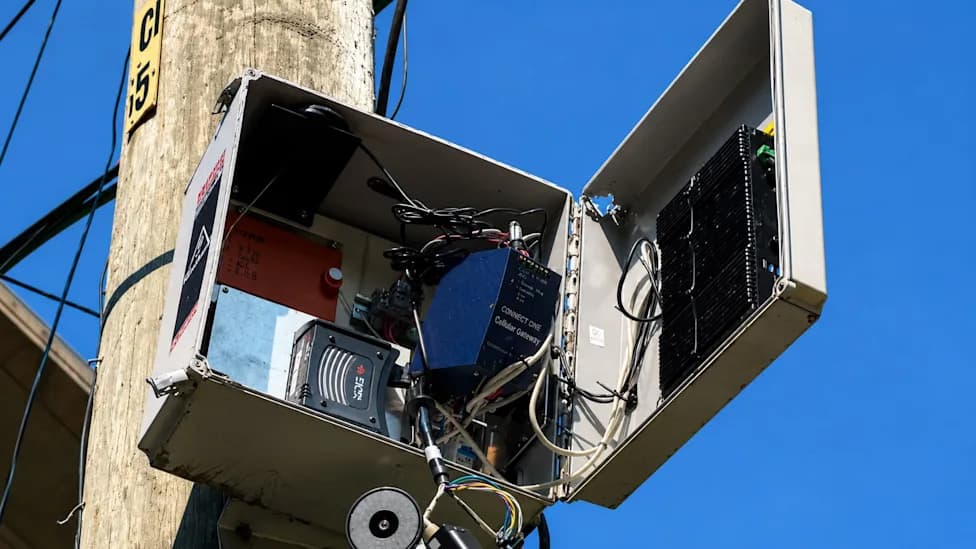
Image: X/@OrwellDay
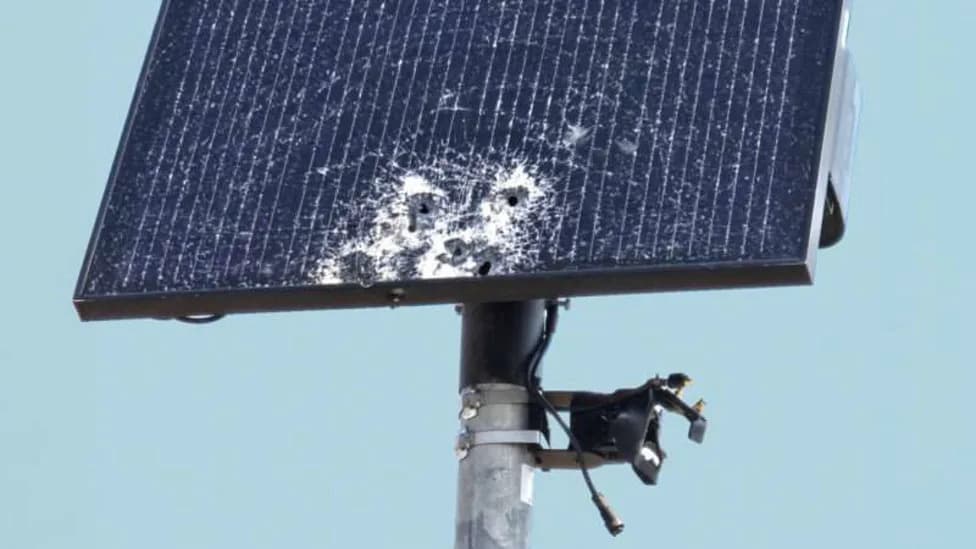
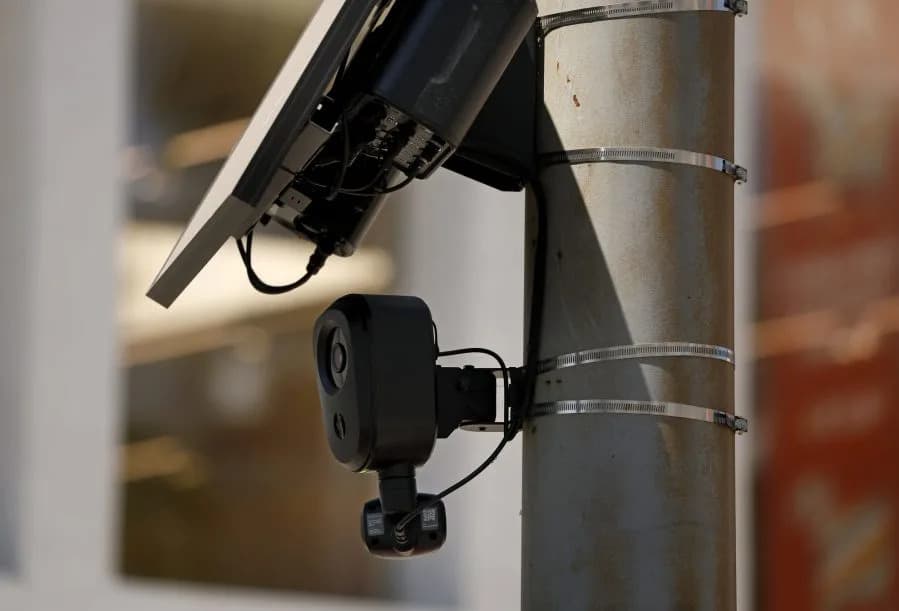
A utility worker inspecting storm damage near Chain Bridge reportedly discovered a cracked utility-box enclosure that revealed two camera lenses concealed behind what looked like a printed warning label. A power cable was visible running up the pole and into an LED streetlamp head, apparently tapping the lamp's unmetered 120V feed. There were no agency markings or identifying labels, and witnesses say the cameras were aimed at traffic coming from Virginia and a side road serving ambassador residences.
The casing appears to have been designed to blend into the streetscape until weather damage exposed the device. Observers say the printed "warning label" functioned as a discreet viewport, with graphics masking a lens aperture so casual passersby would not notice. Streetlights commonly carry constant or scheduled 120V circuits that utilities typically do not meter individually, making lamp heads an accessible power source for bolt-on devices.
Why This Raises Concerns
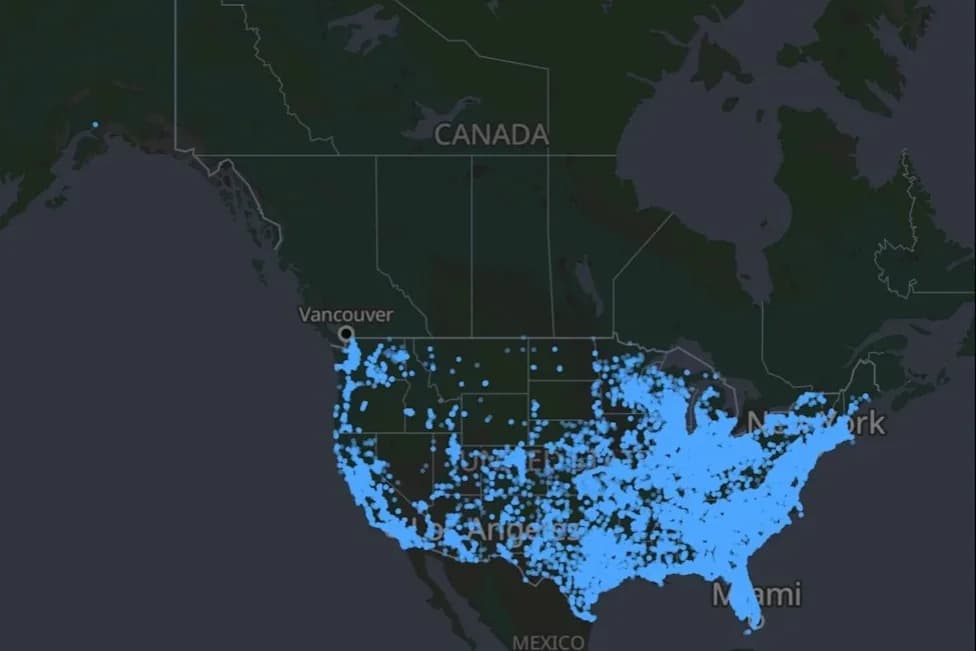
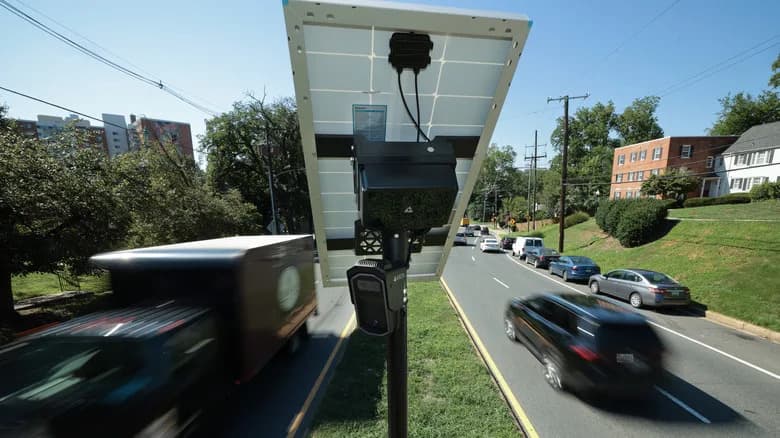
The device's position and angles suggest it could have been used for automated license-plate reading (ALPR) at a chokepoint on a diplomatic route. No operator or agency has claimed responsibility publicly. That silence echoes earlier controversies: the FBI has successfully argued in court that disclosing utility-pole camera locations can compromise investigations (per Ars Technica reporting), and communities have pushed back against unacknowledged ALPR programs such as San Jose's Flock deployment.
Legal and Privacy Questions
Courts generally treat public rights-of-way as locations with a lower expectation of privacy. But sustained, disguised surveillance focused on residences—especially diplomatic residences—can trigger different constitutional and statutory concerns. A Western Energy Institute legal analysis cites at least one federal decision finding the government may need a warrant before continuously recording private-property activity from utility-pole cameras.
Expert Note: Continuous or targeted surveillance of private property can raise Fourth Amendment issues even when the equipment sits in a public right-of-way.
Broader Context
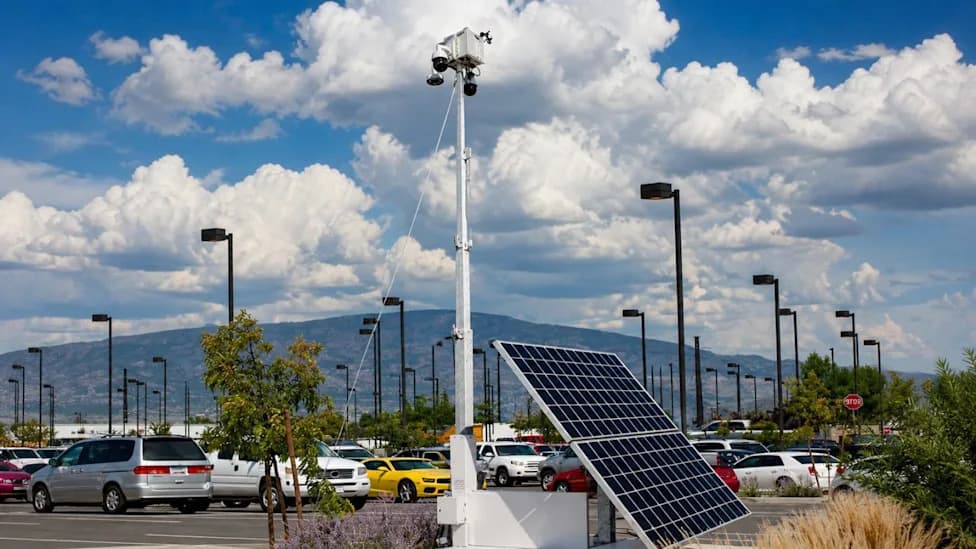
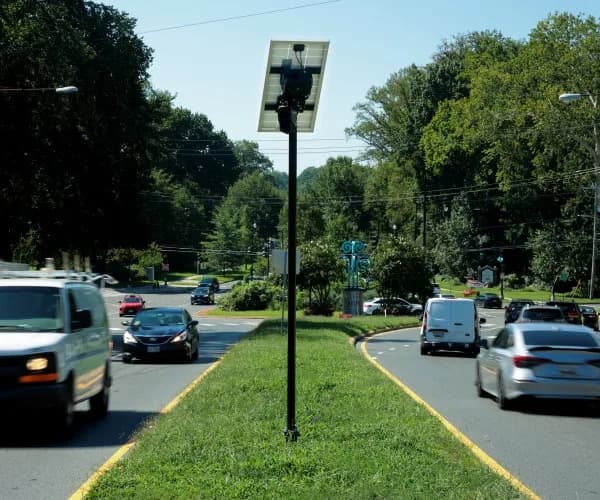
This incident appears consistent with a wider trend in which smart-city infrastructure absorbs surveillance functions: cameras embedded in streetlights, sensors hidden in roadway signs, and ALPR systems tucked into anonymous enclosures without public registries or visible labels. Such deployments often sit in legal gray areas when disclosure and oversight requirements are unclear.
What Residents Should Do
If you spot unexplained lens apertures, suspicious boxes, or cables entering lamp heads: photograph the hardware (do not touch or move it), note the exact location, and report the sighting to local law enforcement or the local utility. Resources on home-security hardware can help people identify camera optics and typical installation features.
The key questions remain: who controls any footage collected, under what legal authority it is used, and whether operators will be required to disclose installations like this one.
Help us improve.