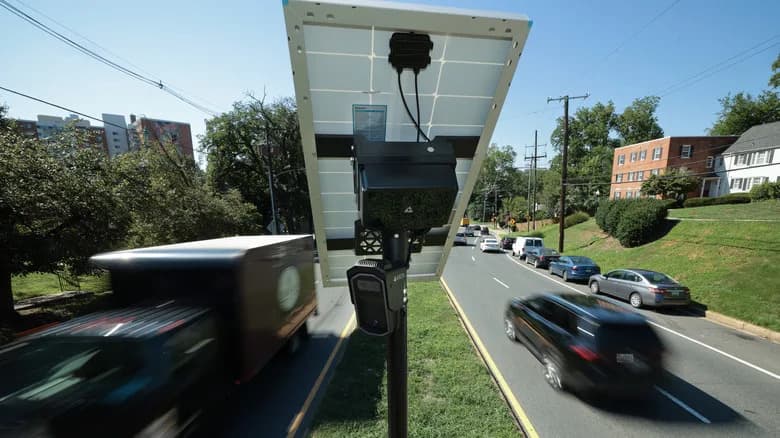
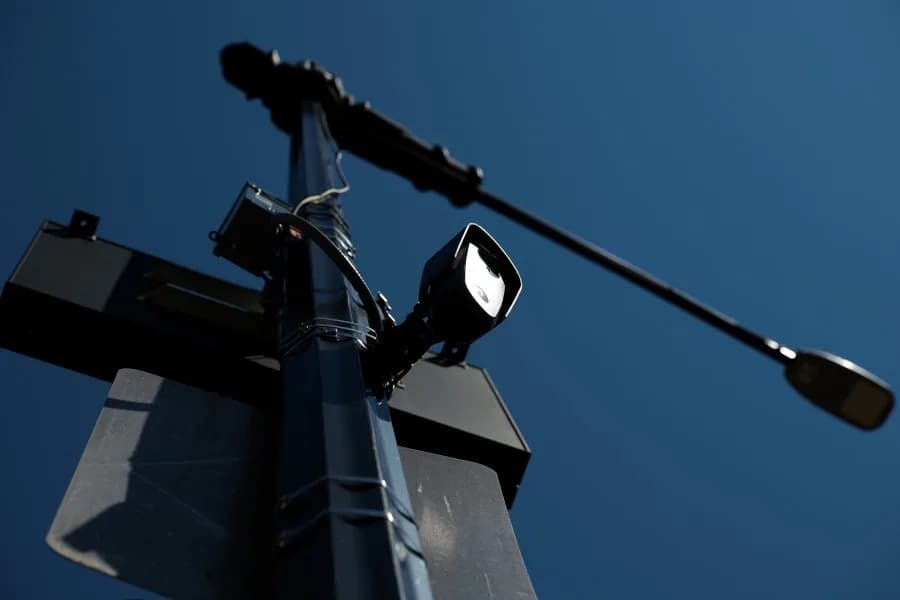
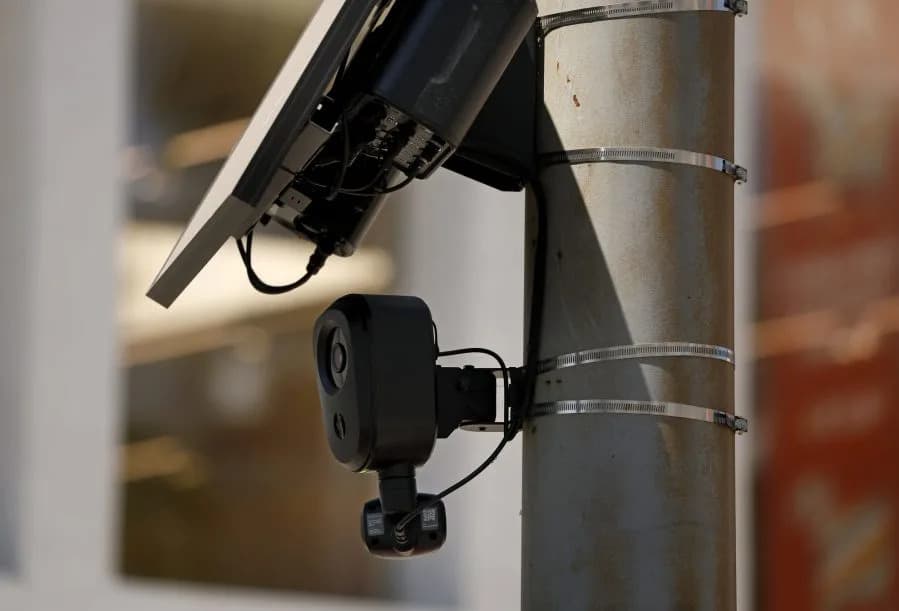
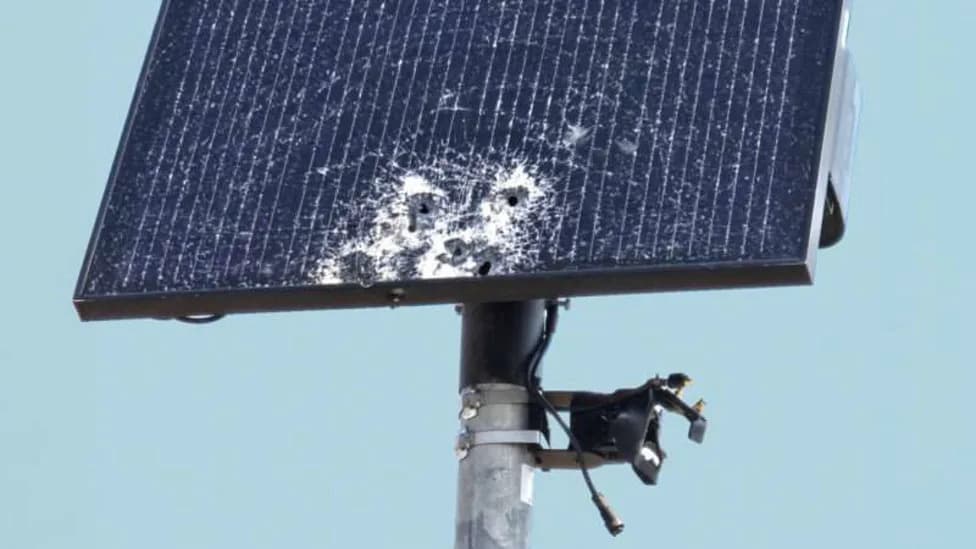
Mobile surveillance towers installed in public spaces are not passive: they stream live video and automated license‑plate data from self‑powered, cellular units to private clouds. A 2024 integration between LiveView Technologies and Axon’s Fusus lets police view and control these cameras in real time, often with less procedural friction than a warrant. Investigations show fusion centers ran tens of thousands of ALPR searches and in some cases shared data in violation of state rules. Simple procurement reforms—warrant requirements for federal sharing, retention limits, public disclosure of integrations, and empowered community oversight—could curb covert mass surveillance.
That Parking‑Lot Tower Isn’t Just a Camera — It Streams Live Data To Police
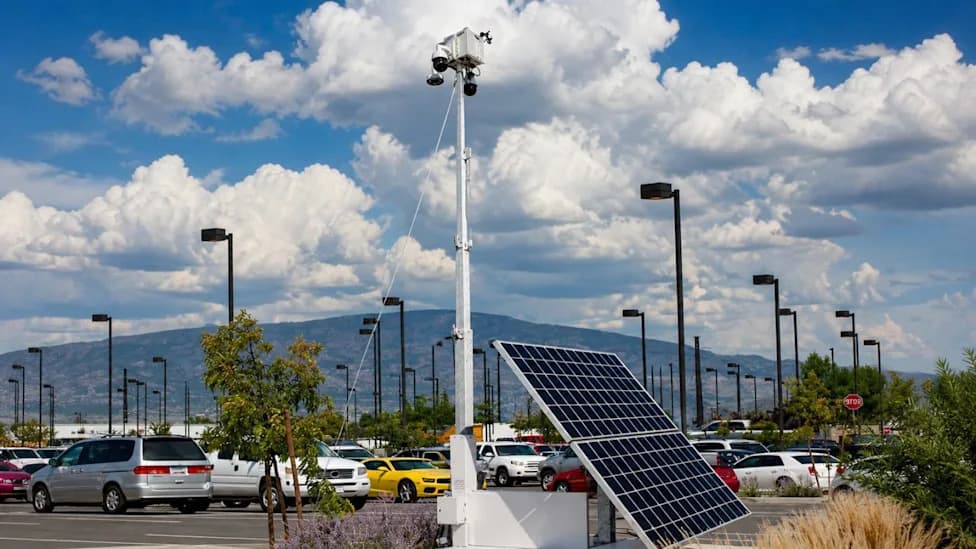
Image: LVT
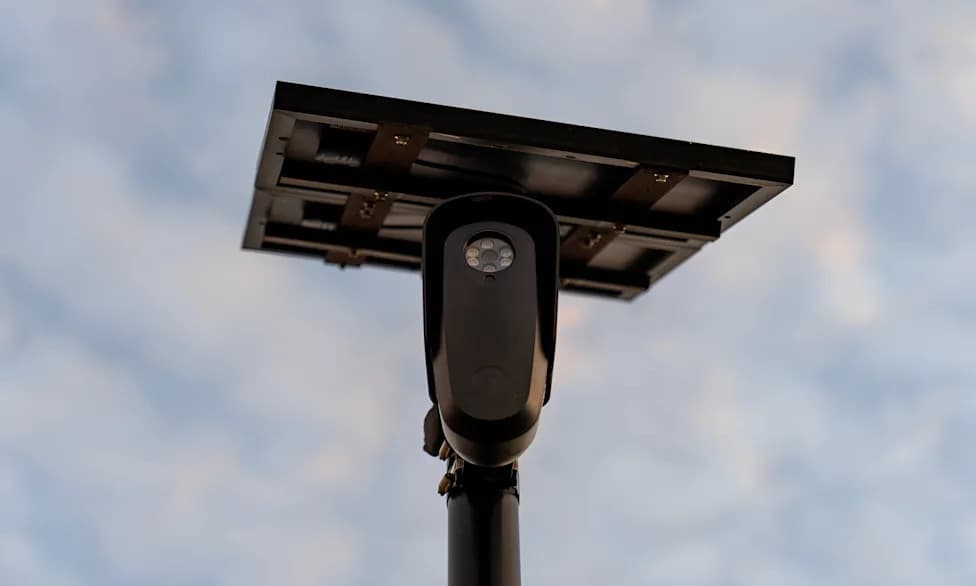
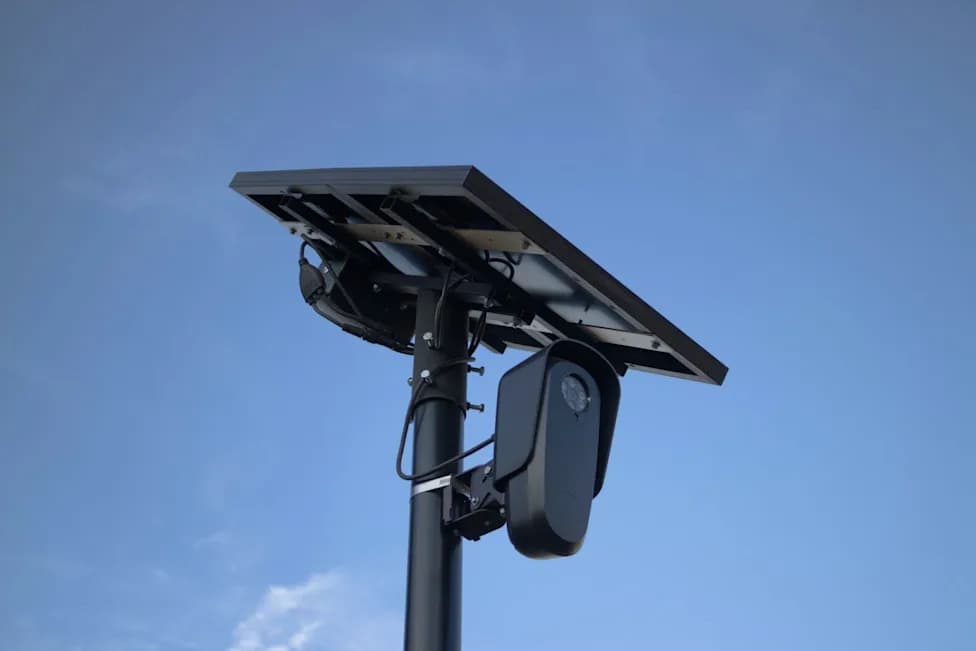
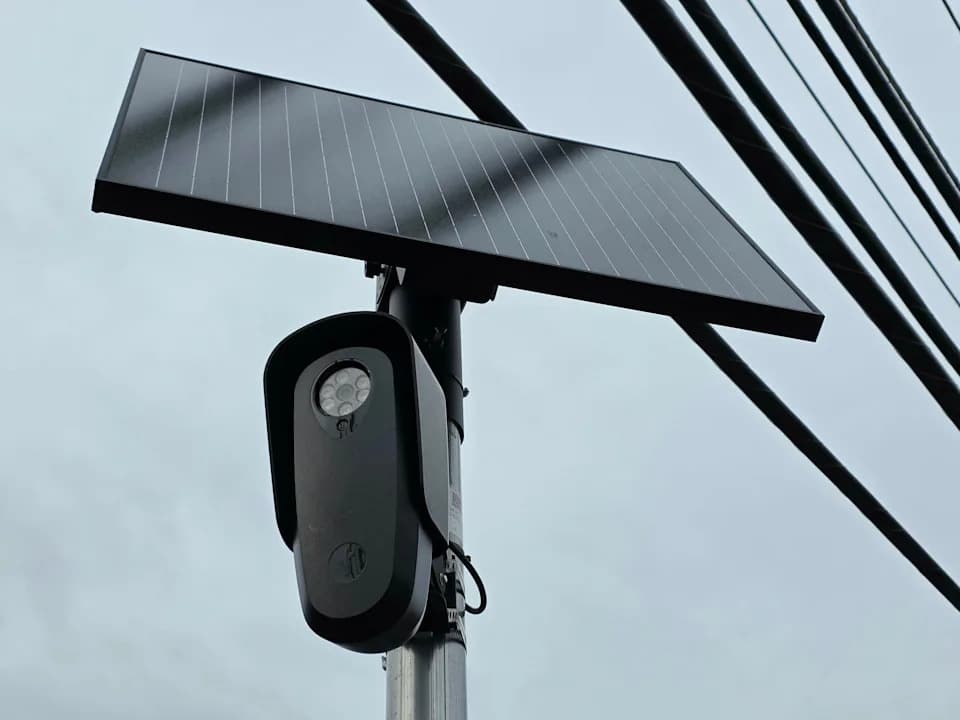
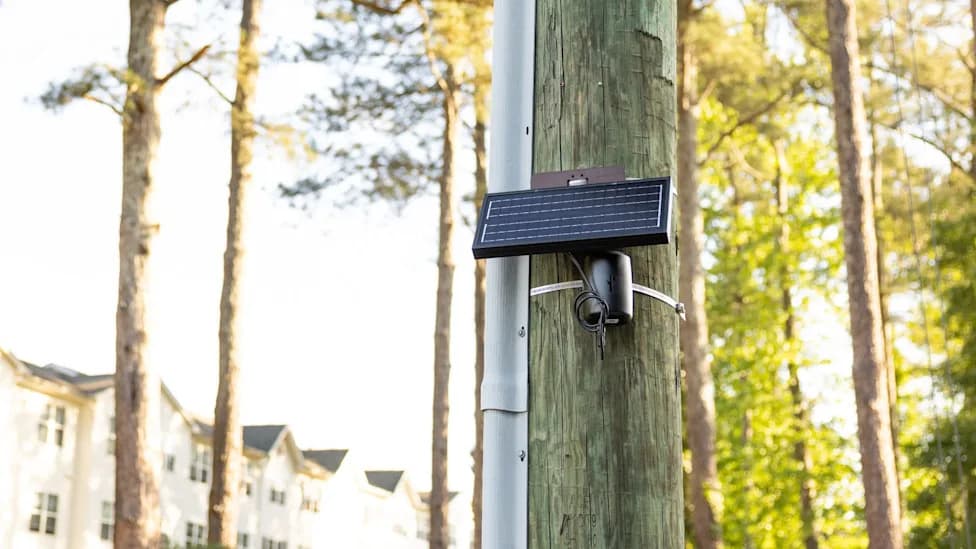
You have probably seen one of these towers in a parking lot, on a city plaza, or by a bus stop and assumed it was only a passive deterrent. In fact, these units are self‑powered, cellular‑connected surveillance nodes that stream live video and automated license‑plate data to private vendor clouds — and law enforcement can often access those feeds with far less friction than a traditional warrant.
What These Towers Are
Manufacturers such as LiveView Technologies (LVT) sell 22‑foot masts fitted with pan‑tilt‑zoom cameras, thermal imagers that can detect motion beyond 1,200 feet in darkness, automated license‑plate readers (ALPRs), floodlights, and speakers that can broadcast custom audio messages. The units are described on LVT’s site as "self‑powered, rapidly deployable camera systems that stream live video feeds and store event recordings in the cloud." Setup takes about 30 minutes and requires no external power hookup.
How Police Access the Data
In 2024 LVT integrated with Axon’s Fusus platform, enabling officers to view and even control these cameras in real time from a precinct desk. The Fusus dashboard provides a polished command‑center interface, but the accountability and oversight mechanisms around remote access are far less developed.
Data Flows and Fusion Centers
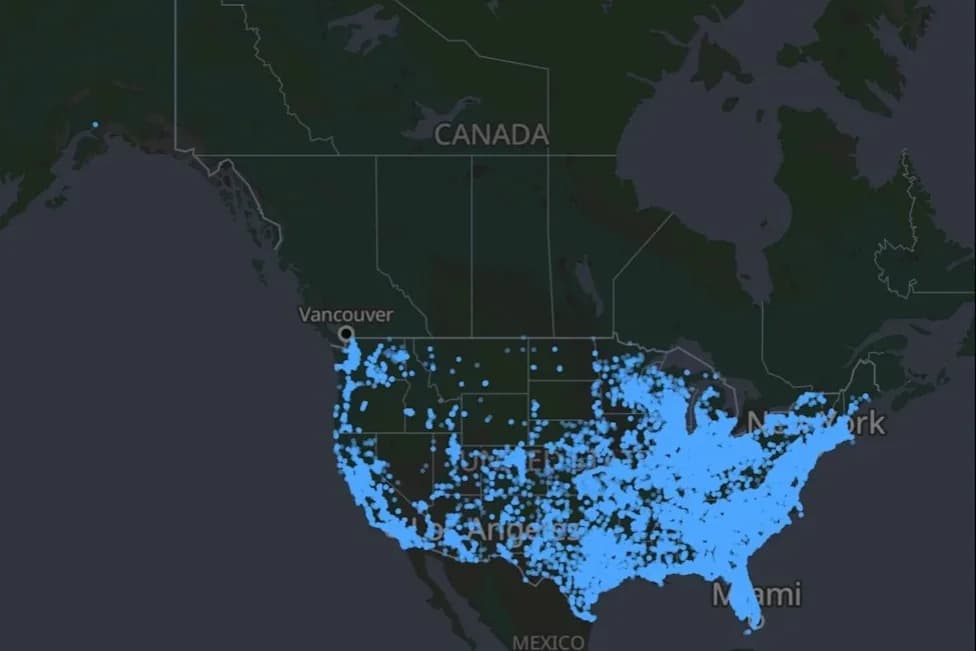
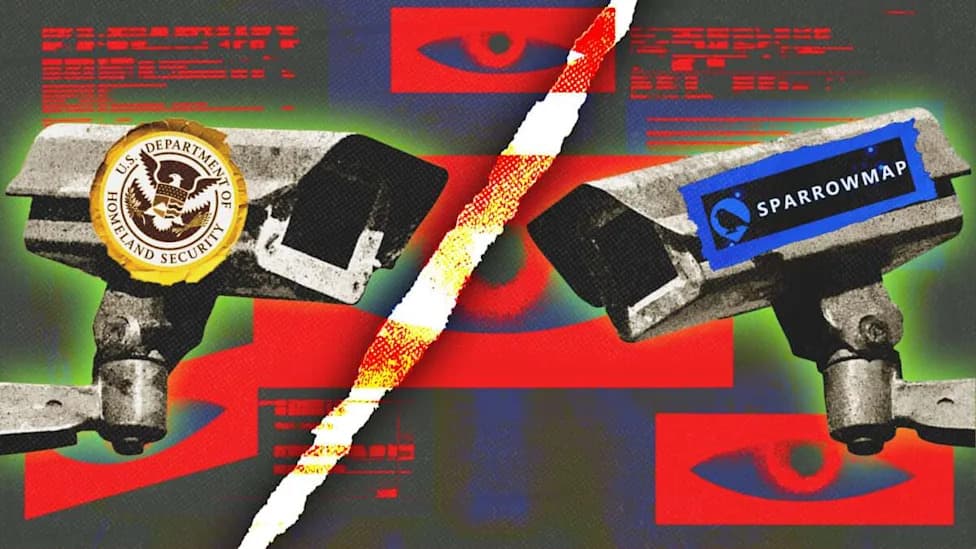
These camera feeds do not exist in isolation. They often feed into regional "fusion centers"—multi‑agency hubs overseen by the Department of Homeland Security that share data among federal, state, local, tribal, and private partners. Reporting shows the Northern California Regional Intelligence Center (NCRIC) ran more than 27,000 searches against Santa Ana’s Flock ALPR network in a single six‑month stretch. Subsequent queries by the Western States Information Network reportedly involved sharing data across state lines in ways that violated California law.
Real‑World Consequences
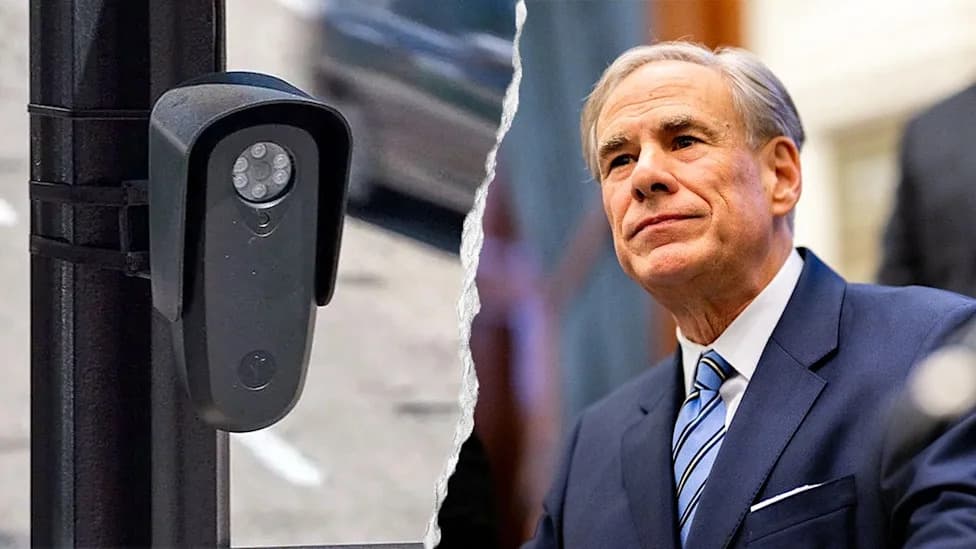
Investigative reporting and public records documented these queries, yet the practices persisted. At an Austin city council hearing, residents warned that approving an LVT contract amounted to opting into mass surveillance with no meaningful exit; staff replied that controls would be adequate, but no binding audits, strict query limits, or full technical disclosures were required in the contracts under consideration.
Where Governance Fails
The core governance failure is a gap between contract language and actual data flows: contracts often fail to limit who can query data, how long it is retained, or how integrations are disclosed publicly.
Concrete Reforms
Policy changes are straightforward and achievable in procurement documents. Recommended contract terms include:
- Prohibiting data sharing with federal agencies without a judicial warrant;
- Mandating short, specific retention limits for ALPR and video data;
- Requiring public disclosure of every agency and third‑party integration;
- Establishing empowered community oversight boards with the authority to audit data custody and terminate contracts.
The trailer and the cloud will not vanish on their own, nor will remote query interfaces or out‑of‑state agencies seeking access. But the contract your city approves next year is public record, and changing that contract is the most effective lever the public has to limit covert mass surveillance.
Read procurement documents before cameras are installed — not after.
Help us improve.