The LinkNYC network can log phones that merely pass by its kiosks by recording probe requests (MAC addresses) even if users don't touch the screens or join the Wi‑Fi. Civil‑liberties groups and a 2022 OTI audit report the system can capture device IDs, IPs, full URL clickstreams and embedded location coordinates, and that MAC addresses were not anonymized as required. Newer Link5G towers broaden collection with limited public oversight, raising concerns about integration with NYPD systems and the adequacy of current franchise agreements and audits.
How LinkNYC Kiosks Track Your Phone — And What It Means for Privacy
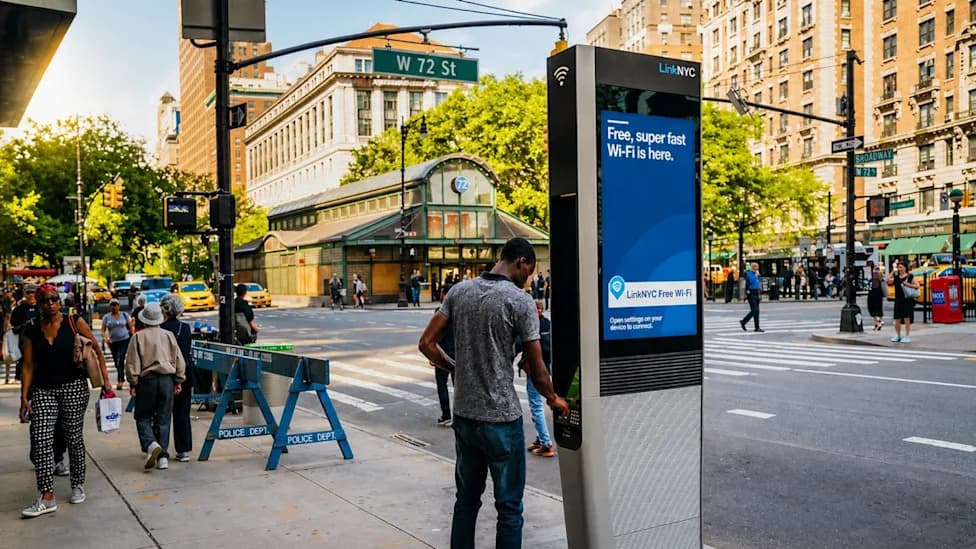
Image: LinkNYC
Walk past a LinkNYC kiosk and you can be logged even if you never touch the screen or join the Wi‑Fi. Your phone emits probe requests — brief broadcasts that include a MAC address when devices scan for known networks — and the kiosk can capture that identifier. CityBridge, the consortium led by Intersection and tied to Alphabet's Sidewalk Labs, replaced New York's payphones with these units and presented the project as bridging the digital divide. The commercial model is outdoor advertising; the data model looks very much like a persistent sensor network built to harvest device and location signals without explicit user consent.
What the Kiosks Contain
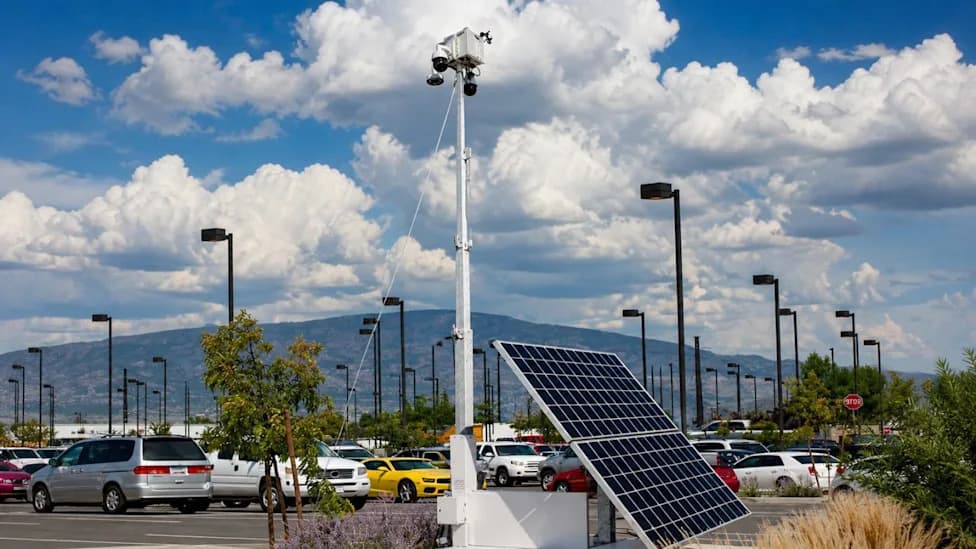
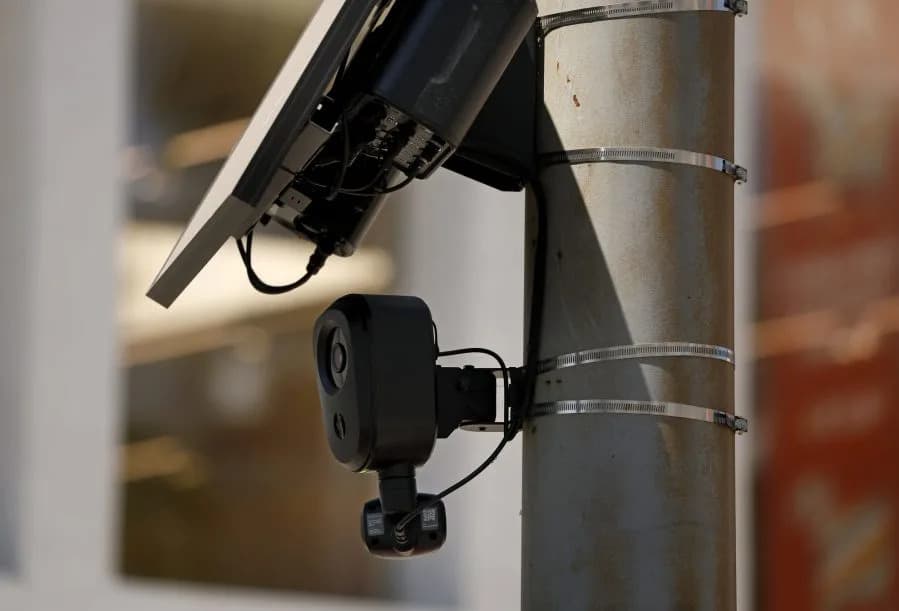
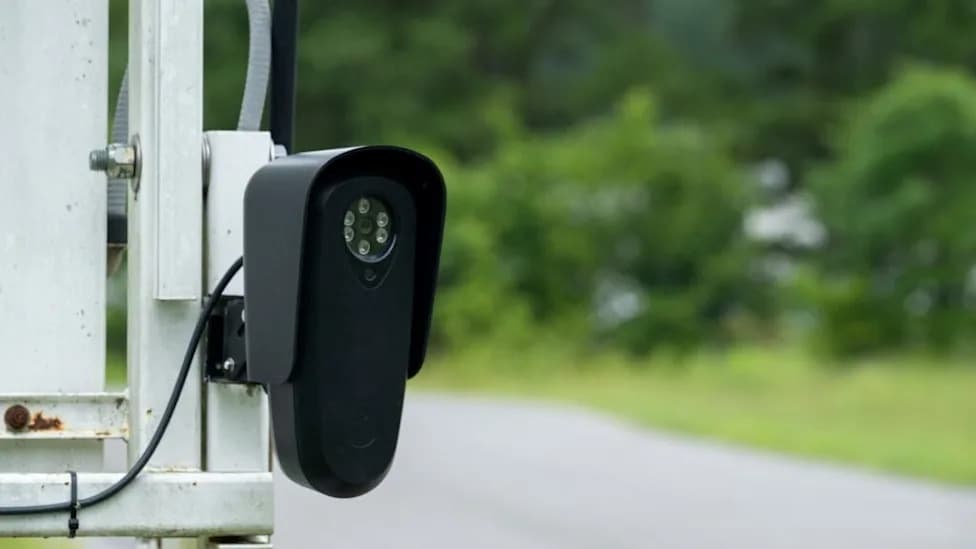
Each LinkNYC unit includes Wi‑Fi, Bluetooth, NFC, cameras and — according to testimony from the New York Civil Liberties Union (NYCLU) — as many as 30 sensors in total. At full deployment, the network could place roughly 15,000 cameras on city sidewalks (two per kiosk), mounted at eye level. Unlike rooftop cameras designed for broad coverage, eye‑level sensors are optimized for capturing faces. This is not merely a camera network that happens to offer free browsing; it is a sensor grid that offers browsing as a feature.
What the System Collects
- Probe Requests and Device IDs: The kiosks log MAC addresses and device identifiers from passing devices whether or not users connect, retaining them for up to 60 days, according to civil‑liberties reports.
- Session Data: During active browsing sessions the system can capture IP addresses, device type, operating system and full URL clickstreams.
- Location Signals: Technical analysis by the Surveillance Resistance Lab indicates the data architecture can include embedded longitude and latitude coordinates.
Audit Findings and Privacy Concerns
The 2022 audit by New York City's Office of Technology and Innovation (OTI) found CityBridge had not anonymized MAC addresses as its privacy policy and franchise agreement required. The project's privacy language also permits broad data sharing with law enforcement agencies and lacks robust public notification commitments. Civil‑liberties groups including NYCLU and the Electronic Frontier Foundation (EFF) have repeatedly warned that movement patterns tied to persistent identifiers can effectively deanonymize individuals over time.
Risks of System Integration
The technical and legal infrastructure for broader integration already exists. New York's Domain Awareness System (DAS), co‑developed with Microsoft, aggregates more than 15,000 cameras and sensors for NYPD investigative and counterterrorism use. Advocates warned as early as 2016 that LinkNYC data could feed into DAS‑adjacent systems; repurposing the network would often require no new hardware, only policy or legal access (for example, subpoenas).
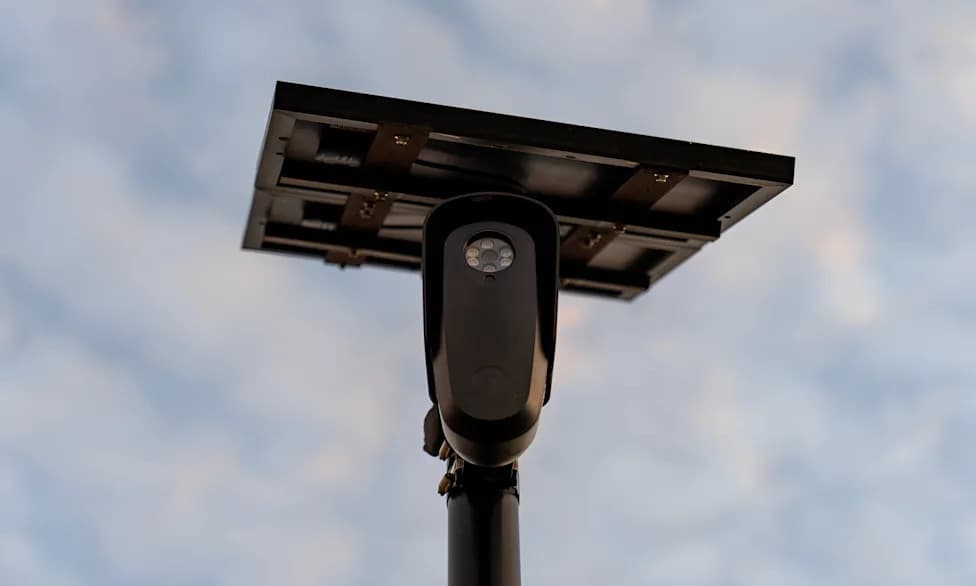
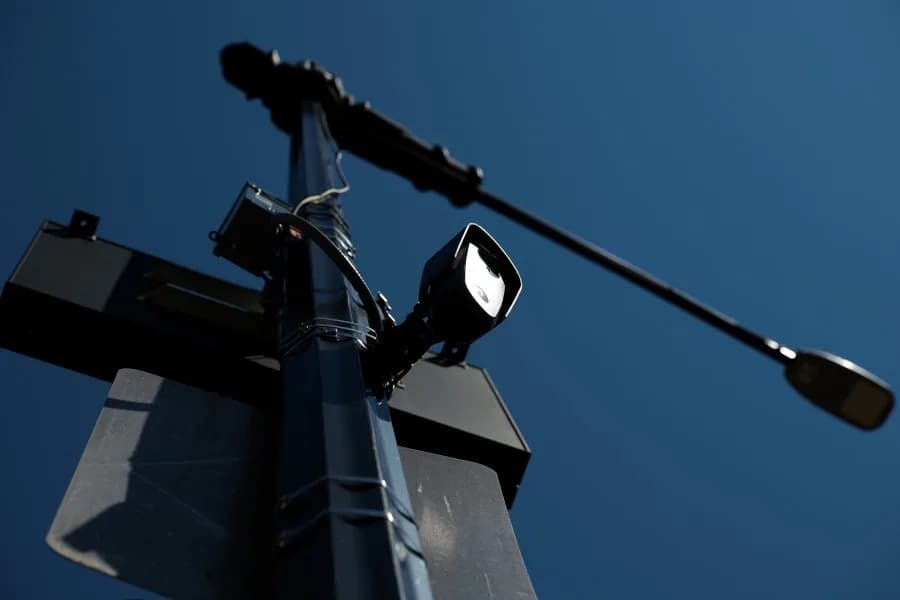
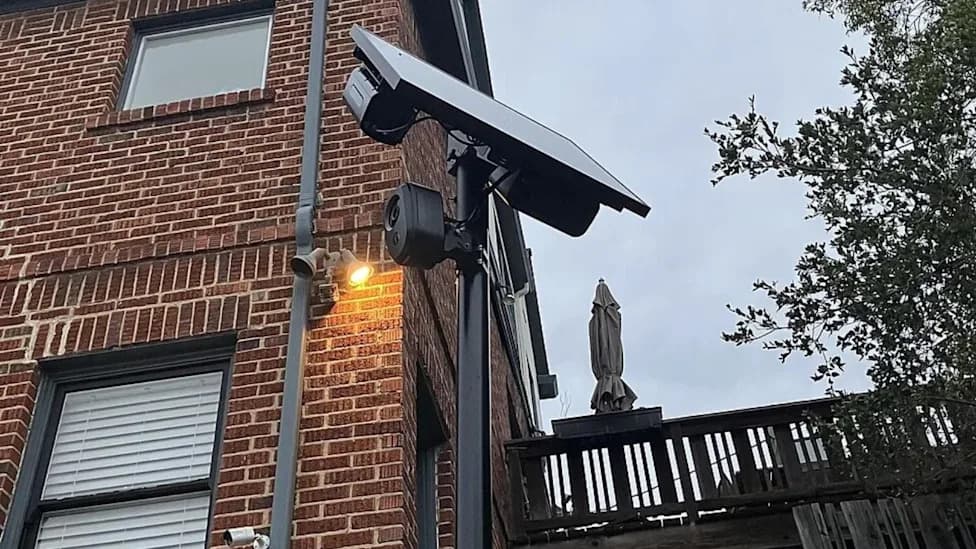
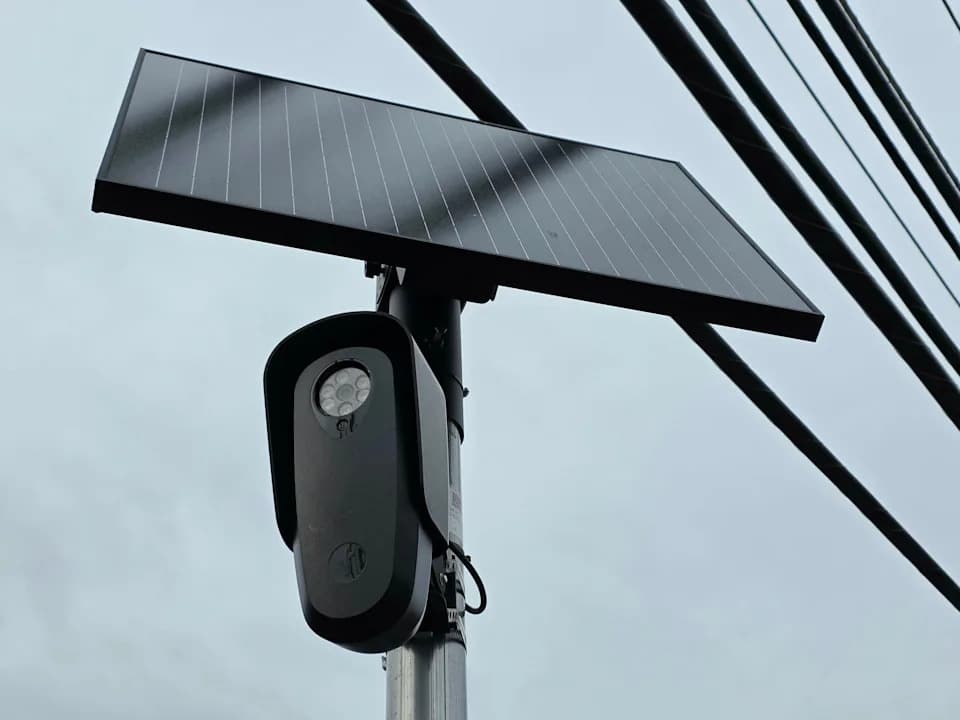
Newer Link5G towers expand this footprint. Taller than the original kiosks and built with carrier‑grade cellular equipment, these towers collect IP and MAC addresses while receiving limited public oversight. Once integrated into sidewalk fiber and street infrastructure, they are effectively permanent fixtures; pedestrians were never asked to opt in to this background data collection.
Bottom Line
The LinkNYC rollout forces a tradeoff between convenient, free connectivity and ambient, background data collection that most pedestrians never consented to. The available audits and technical analyses suggest gaps between stated privacy commitments and actual practice, and they raise urgent questions about transparency, legal safeguards and city oversight as urban sensor networks expand.
What to watch for: stronger anonymization requirements enforced by independent audits, clear limits on law‑enforcement access, public notification about sensor capabilities, and meaningful opt‑out or data‑minimization measures.
Help us improve.