Key points: Pennsylvania’s oil-and-gas wells produce large volumes of salty, radioactive wastewater (brine) that has been used on roads to control dust and ice. Penn State experiments show brine performs no better than plain water for dust suppression and washes contaminants — including radium — into streams and sediments. A May 2026 DEP permit could allow produced water to be sold as a commercial road product without mandatory radium testing or source disclosure, prompting calls for stronger regulation and transparency.
Radioactive Oil-and-Gas Brine on Pennsylvania Roads — What It Is and Why It Matters
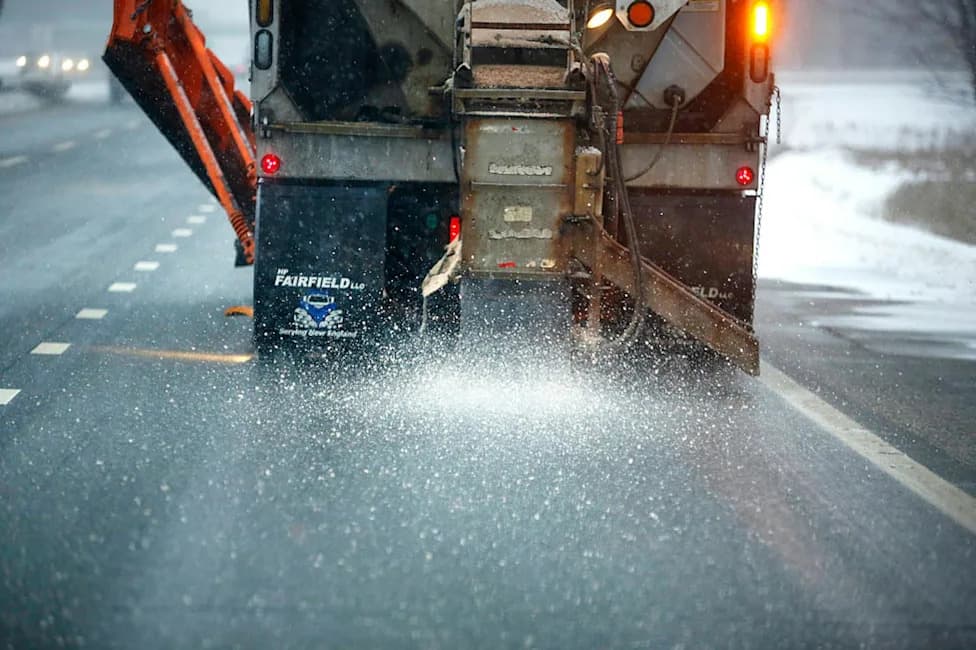
Brine, a mixture of salt and water, is sprayed onto roads to prevent snow and ice from sticking or freezing to the pavement.Portland Press Herald Collection via Getty Images
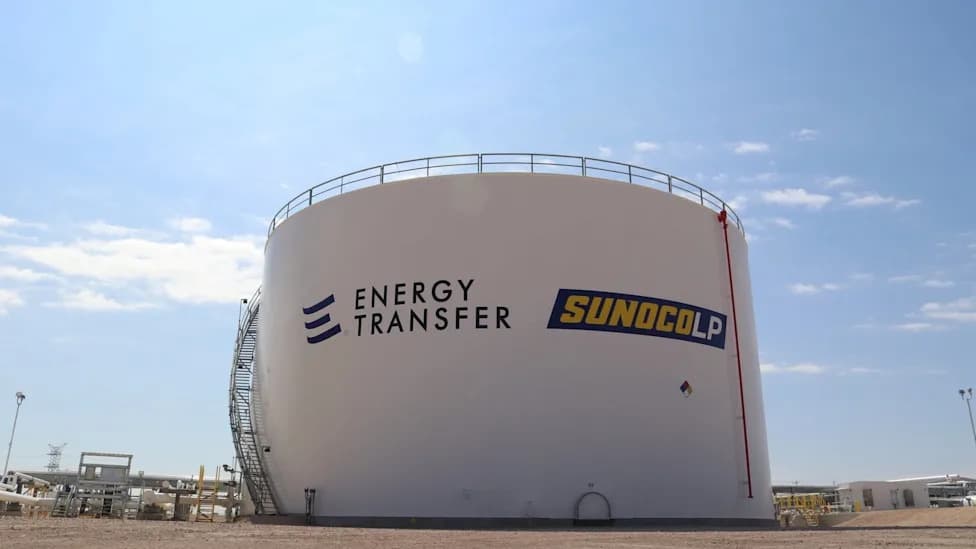
Pennsylvania’s oil-and-gas industry produces large volumes of salty, radioactive wastewater called produced water or brine. Historically, both conventional and unconventional well operators supplied this brine to townships for free to control dust on unpaved roads and as an anti-icing treatment on paved surfaces. Although regulators moved to stop the practice, reports persist that brine is still being spread in some communities. A May 2026 permit from the Pennsylvania Department of Environmental Protection (DEP) could allow well-produced brine to be marketed as a road product — potentially without testing or disclosure of hazardous constituents.
What Is Brine and Why Is It a Concern?
Produced water (brine) is the wastewater that comes up with oil and gas from reservoirs. It is often 5–10 times as salty as seawater and can contain heavy metals, petroleum hydrocarbons and radioactive elements such as radium — a known human carcinogen. In Pennsylvania, measured combined radium activity has averaged about 2,000 picocuries per liter (pCi/L) in conventional-well brine and roughly 1,800 pCi/L in Marcellus shale brine. For context, the U.S. EPA’s drinking-water standard for combined radium is 5 pCi/L.
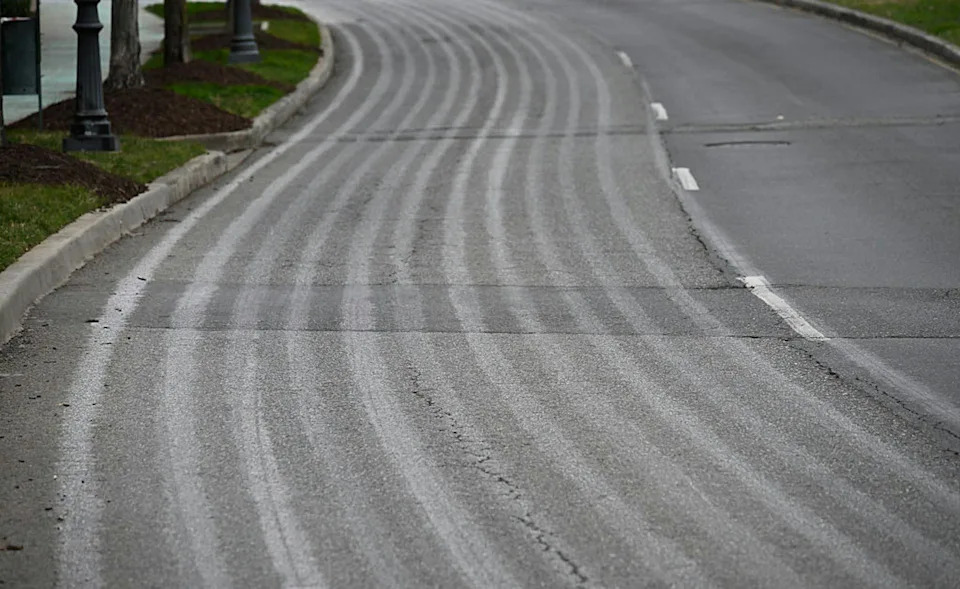
Before 2018, brine from conventional wells was spread on roads to prevent ice from forming.Anadolu/Andolu collection via Getty Images
Health and Environmental Risks
Applying brine to roads creates multiple exposure pathways: contaminants can wash off into streams and roadside sediments during storms, salt can harm aquatic life and corrode infrastructure, and radioactive material bound to road dust could be inhaled or tracked into homes. Radium also has the potential to accumulate in fish and pose risks to people who consume them. Because much of the runoff reaches nearby waterbodies and soils, the ultimate fate and human exposure pathways are uncertain and concerning.
Regulation, Permits and Disclosure Gaps
Produced water is overseen by the DEP’s Office of Oil and Gas Management. Conventional well operators must report annual volumes, and operators may reclassify brine as a "coproduct" by filing with the DEP’s Bureau of Waste Management. Current rules do not require coproducts derived from produced water to disclose their source, to test for radium or other contaminants, or to demonstrate that they perform as advertised for dust control or deicing.
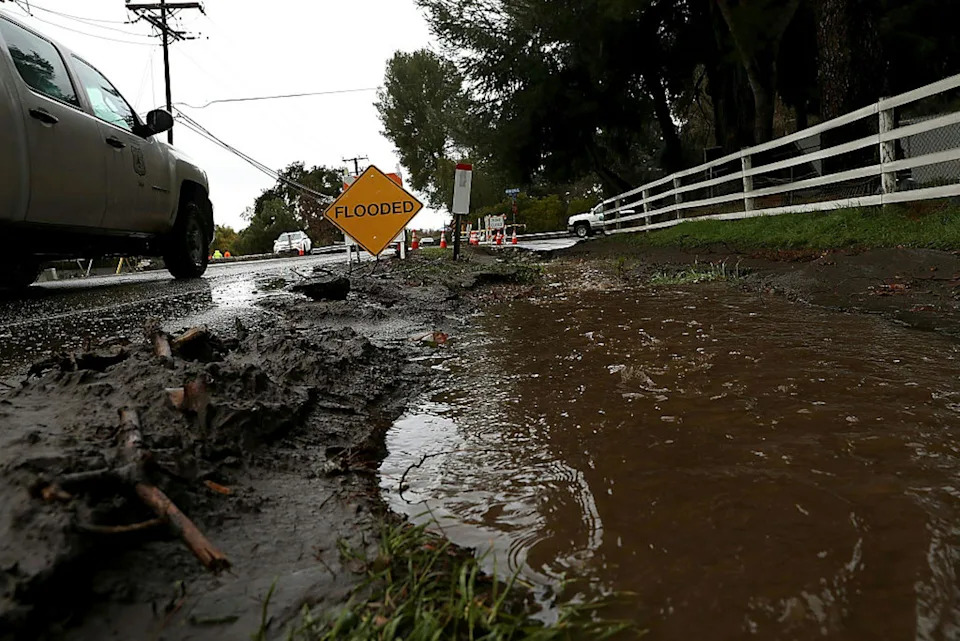
Brine ends up in roadside streams or ditches through runoff and direct drainage after rain.Justin Sullivan/Getty Images News Collection
What the Science Shows
Researchers at Penn State, including William Burgos and Nathaniel Warner, tested whether oil-and-gas brine effectively suppresses road dust. Their lab and large-scale experiments found that:
- Brine performed little better than plain water at reducing dust, and in some tests it increased dust compared with rainwater.
- Most contaminants, including radium, washed off treated surfaces after a normal storm event.
- Roadbeds treated with brine lost more material and degraded faster than those treated with commercial dust suppressants such as calcium chloride.
In short, using produced water for dust suppression or anti-icing appears to provide poor performance while introducing clear environmental and public-health risks.
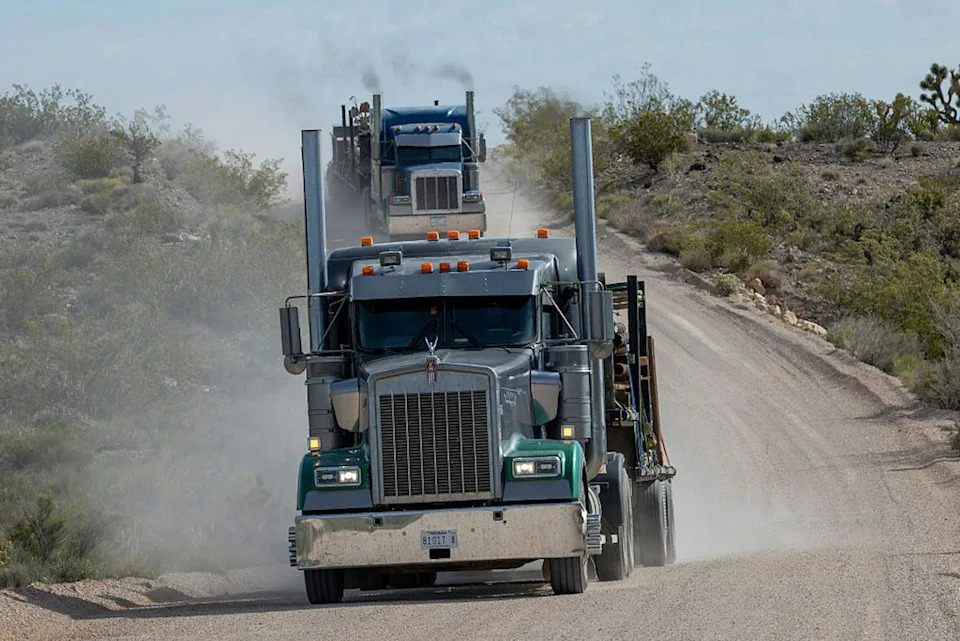
Penn State researchers found that oil and gas brines perform no better than rainwater at controlling dust on roads.David McNew/Getty Images News
Policy and Legislative Developments
The DEP banned use of fracked-well brine for road dust control and anti-icing in 2016 and placed a moratorium on spreading conventional-well brine on roads in 2018. Despite this, a May 2026 DEP permit for a brine-producing well could enable operators to sell produced water as a commercial product without mandatory testing or labeling. Legislators have taken notice: a June 10, 2024 committee hearing addressed a full ban on road-spreading, and the companion House Bill 84 advanced out of committee to the full House on June 8, 2026; no floor date has been set.
What To Watch For
Policymakers, regulators and potential buyers should require transparent labeling, mandatory testing for radium and other contaminants, and verified performance data before any market for produced-water coproducts develops. Communities should be informed if products derived from oil-and-gas wastewater are used on local roads and given clear information about potential risks and mitigation measures.
Authors: William Burgos and Nathaniel Warner, Department of Environmental Engineering, Penn State. Reporting and context by Cassandra Stone, The Conversation U.S. Funding disclosures: Burgos and Warner have received research support from the Pennsylvania Department of Environmental Protection and the U.S. National Science Foundation.
Help us improve.