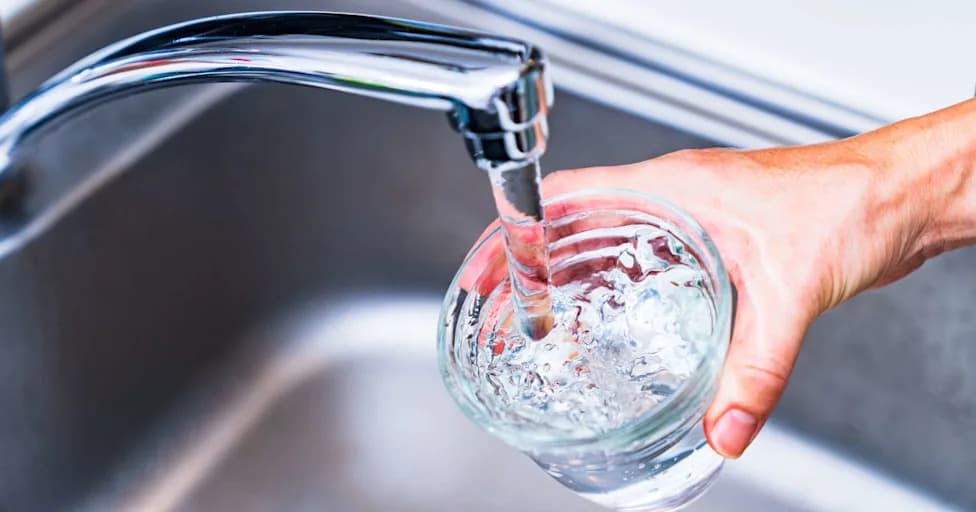
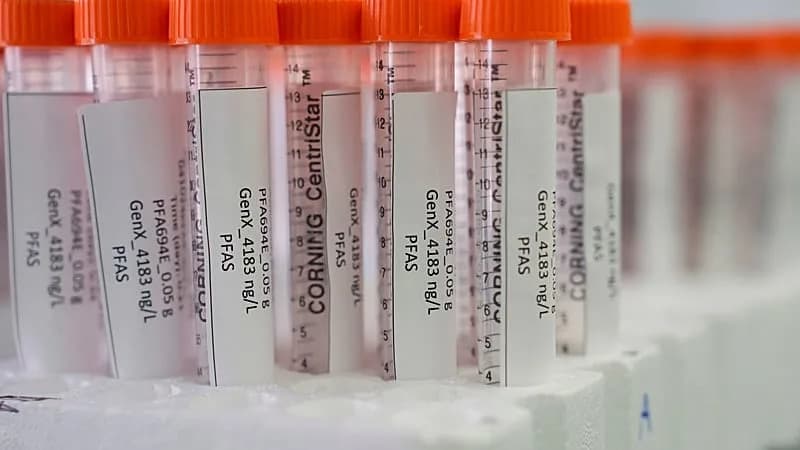
Sweden plans to ban PFAS — "forever chemicals" — from many consumer products, aiming to implement the prohibition from 1 January 2028. The move is intended to precede EU-wide regulation, which the European Commission is expected to propose in 2027. Health and environmental advocates say safer alternatives exist and welcome the national action, while EU processes and exemptions for strategic sectors may shape the final rules. An estimated 12.5 million Europeans live with PFAS-contaminated drinking water, highlighting the stakes.
Sweden to Ban 'Forever Chemicals' in Consumer Goods From 1 January 2028
‘Major victory’: Sweden plans to ban forever chemicals in everyday products ahead of EU
Sweden has announced plans to ban per- and polyfluoroalkyl substances (PFAS), commonly known as "forever chemicals," from many consumer products starting 1 January 2028. The government says it aims to move ahead of expected EU regulation to better protect public health and the environment.
What Sweden Proposes
The proposed national ban would target PFAS in everyday items such as clothing, footwear, waterproofing treatments, kitchenware, cosmetics and even ski wax. The Ministry for Climate and the Environment said that where effective, safer alternatives exist, PFAS should not be present in consumer products.
"This is a major victory for human health and for the Swedish environment," said Romina Pourmokhtari, Sweden's Minister for Climate and the Environment. She added that a national ban combined with a comprehensive action plan will help prevent new pollution and manage existing contamination.
Why PFAS Are Concern
PFAS are a family of more than 10,000 man-made chemicals that resist natural breakdown and have earned the nickname "forever chemicals." They have been used since the 1940s in non-stick cookware, waterproof fabrics, cosmetics and industrial processes, and have been detected across the globe — from remote mountains to human blood.
Chronic exposure to PFAS has been linked by scientists to adverse health effects, including certain cancers, reduced fertility and disruption of the immune system. Critics stress that PFAS migrate out of products into homes, food, water and bodies, posing particular risks to pregnant women and infants during early development.
"PFAS don't stay locked inside products. They escape into our homes, our food and water and our bodies," said Sian Sutherland, co-founder of A Plastic Planet.
European Context
The Swedish move comes ahead of anticipated EU-level action. The European Commission is expected to present legislative proposals on PFAS in 2027, though EU-wide adoption and implementation could take longer. A scientific opinion released in March recommended broad restrictions, and the European Chemicals Agency (ECHA) is due to publish a socioeconomic opinion on anti-PFAS measures by the end of this year — a factor that may influence the final scope of EU rules.
Several EU countries have already acted. France implemented a broad national ban in 2026 that prohibits the sale, production or import of products when PFAS-free alternatives exist, with limited exemptions for essential uses or national security. Denmark restricted PFAS in food-contact paper and board in 2020 and extended restrictions to clothing, footwear and waterproofing agents in 2026.
Scope, Exceptions and Next Steps
EU proposals are expected to include exemptions for strategic sectors such as certain medical applications. Sweden's national law would eventually be superseded by any EU regulations once they are agreed and implemented. Meanwhile, EU limits on PFAS in drinking water came into effect in January, a measure some critics say addresses exposure rather than preventing the chemicals' use at source.
Advocates argue that safer alternatives already exist for many applications and that national initiatives can accelerate the transition away from hazardous chemistries. Across Europe, an estimated 12.5 million people live in areas with PFAS-contaminated drinking water, underscoring urgency for stronger controls.
Help us improve.