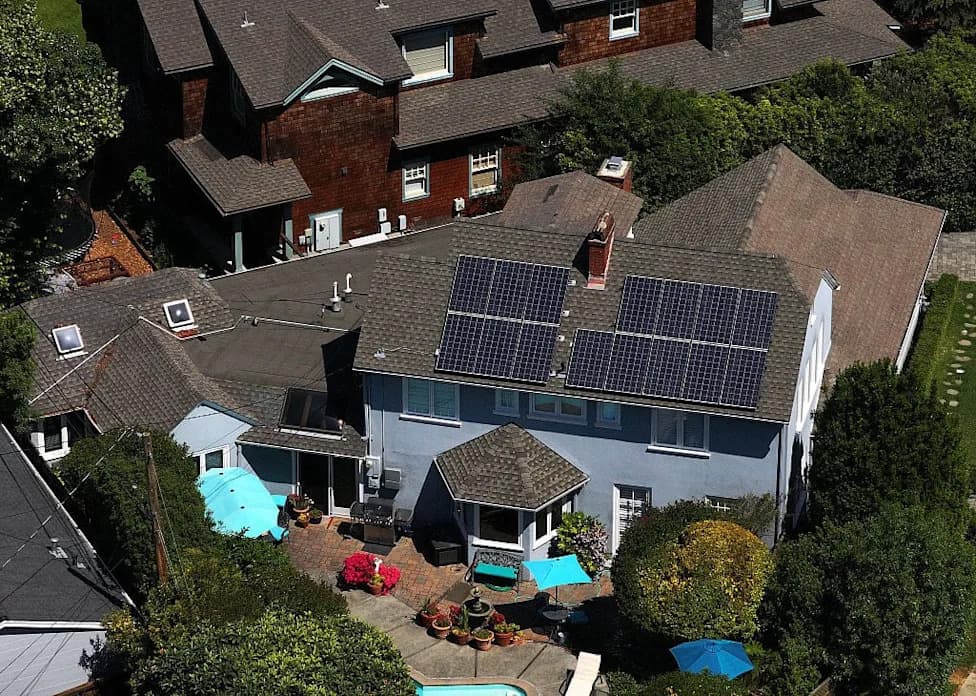
Rooftop solar is now installed on over 350,000 homes in SDG&E territory, helping to reshape the grid across parts of San Diego and southern Orange County. The shift is turning a one-way power system into a two-way network, creating operational challenges and new opportunities for reliability and resilience. Homeowners can reduce energy bills and increase backup power — especially when pairing solar with batteries — while tools like EnergySage help compare costs and incentives.
350,000+ SDG&E Homes Now Generate Their Own Power — How Rooftop Solar Is Rewiring the Grid
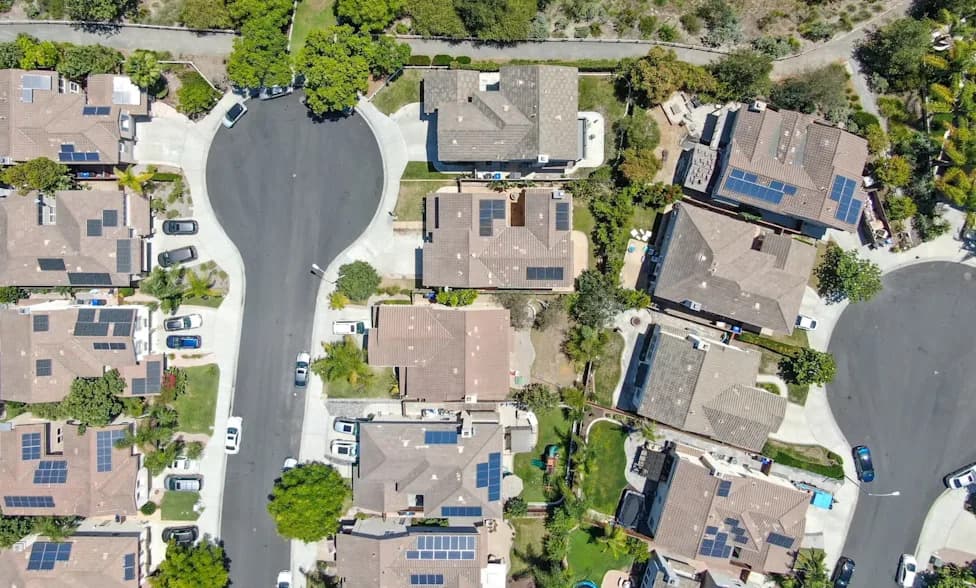
Photo Credit: iStock
Rooftop solar has moved from niche to mainstream across Southern California. In San Diego Gas & Electric's (SDG&E) service area, more than 350,000 residential customers now produce electricity at home, a development reported by Energies Media that is reshaping how the local grid operates.
Widespread Adoption and Local Reach
SDG&E serves roughly 3.7 million people across 27 cities in two counties. In parts of San Diego and southern Orange County, rooftop panels are installed on more than a quarter of homes — one of the highest residential adoption rates in the nation.
From One-Way Delivery To Two-Way Power Flows
The technical significance extends beyond the tally of homes with panels. As households generate more electricity on-site and export excess power to the network, the system is transitioning from a traditional one-way delivery model (central plants to consumers) to a two-way network. That shift requires new operational practices to balance variable generation, manage reverse power flows, and maintain reliability.
What It Means For Homeowners
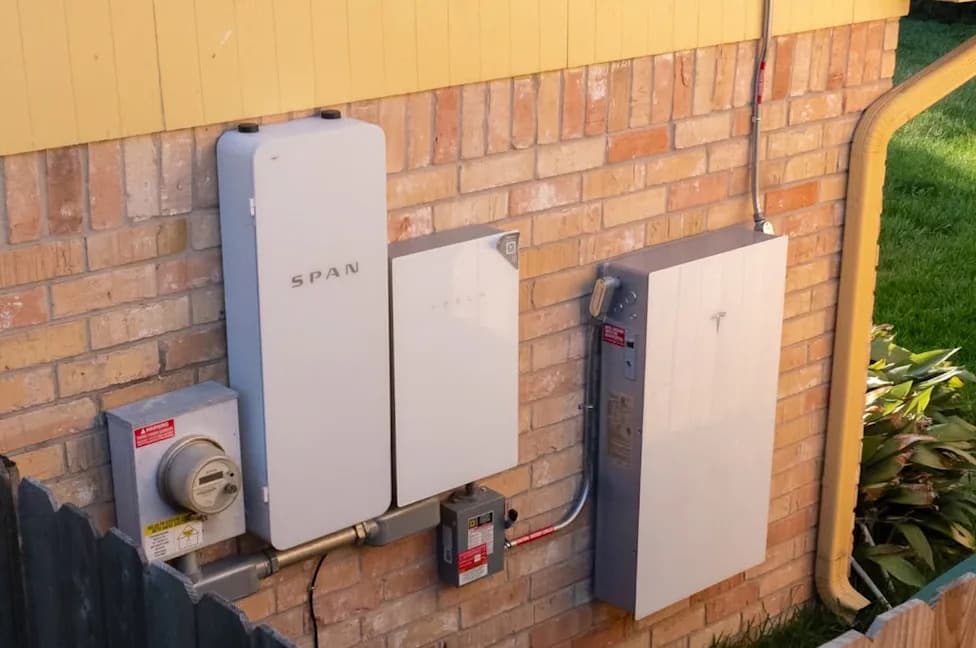
For many households, rooftop solar is a practical way to lower long-term electricity costs and gain protection from rising utility bills. Adding battery storage enhances those benefits by storing daytime solar output for nighttime use or providing backup power during outages, improving resilience and offering additional opportunities to save on energy costs.
Utility Response And Interconnection
SDG&E says it is simplifying the process for customers to connect solar systems to the grid and that its efforts meet or exceed state standards. Utilities must adapt operations, grid controls, and planning to integrate growing amounts of customer-sited generation while keeping service reliable.
Tools And Consumer Resources
Online marketplaces and comparison tools can help prospective buyers evaluate equipment, installers, and incentives. EnergySage, for example, offers free tools for cost estimates, state-by-state price and incentive data, and competitive bid comparisons. The company reports that transparent comparisons through its marketplace have helped users avoid overpaying — citing potential savings of up to $10,000 on solar purchases and installations.
"The energy system is changing because our customers are leading that change," said Scott Crider, president of SDG&E, according to Energies Media. "Our responsibility is to help the grid evolve with them. That means building a system that can safely integrate customer-generated energy while continuing to deliver the reliability our customers expect."
As residential solar continues to grow, homeowners, installers, and utilities will all play a role in shaping a more distributed, resilient, and lower-emission energy system. For consumers considering panels or batteries, comparing trusted estimates and understanding local interconnection steps can make the transition smoother and more cost-effective.
Help us improve.