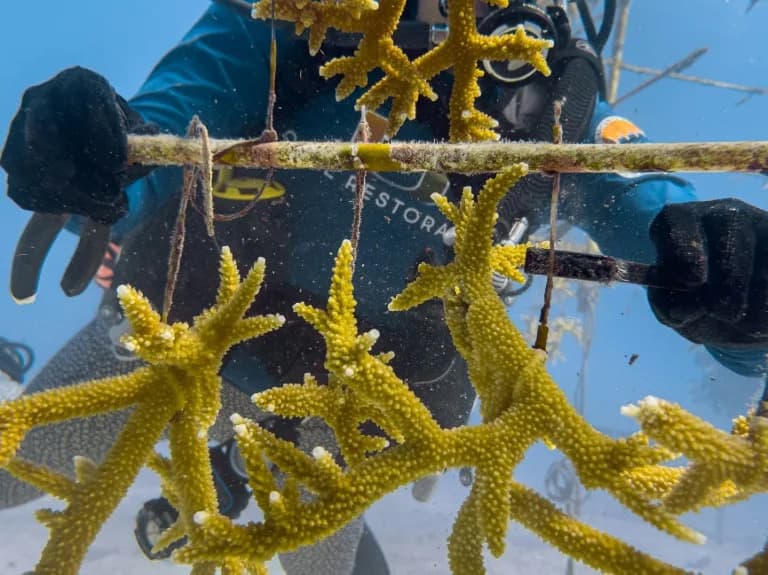
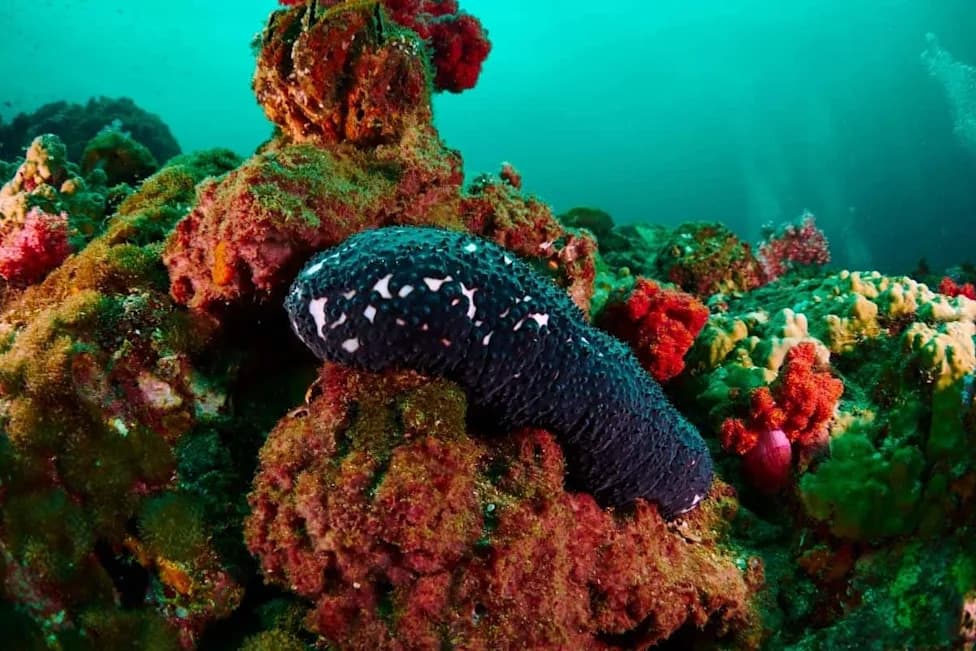
Researchers have rediscovered a mesophotic coral reef off Benin after about 60 years, overturning the belief that the site was dead. Sonar surveys and field verification by the Benin Fisheries and Oceanological Research Institute confirmed living corals and associated communities in the ocean's "twilight zone." According to NOAA, mesophotic reefs occur roughly between 100 and 490+ feet deep and provide critical habitat for spawning, feeding and juvenile growth. Further study will determine whether the reef has persisted continuously since the 1960s and inform conservation efforts.
Mesophotic Coral Reef Rediscovered Off Benin After 60 Years
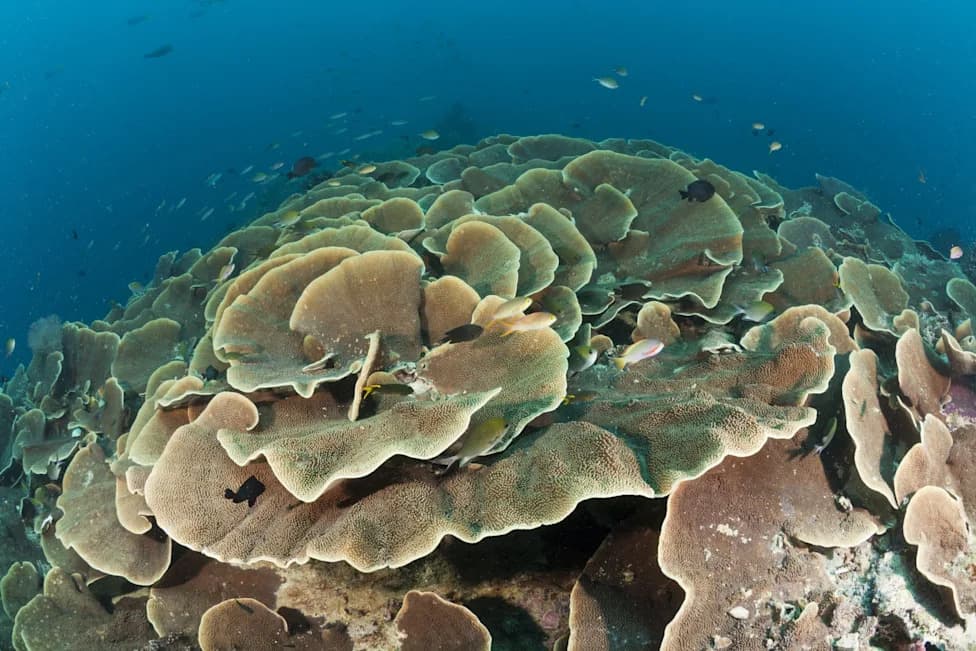
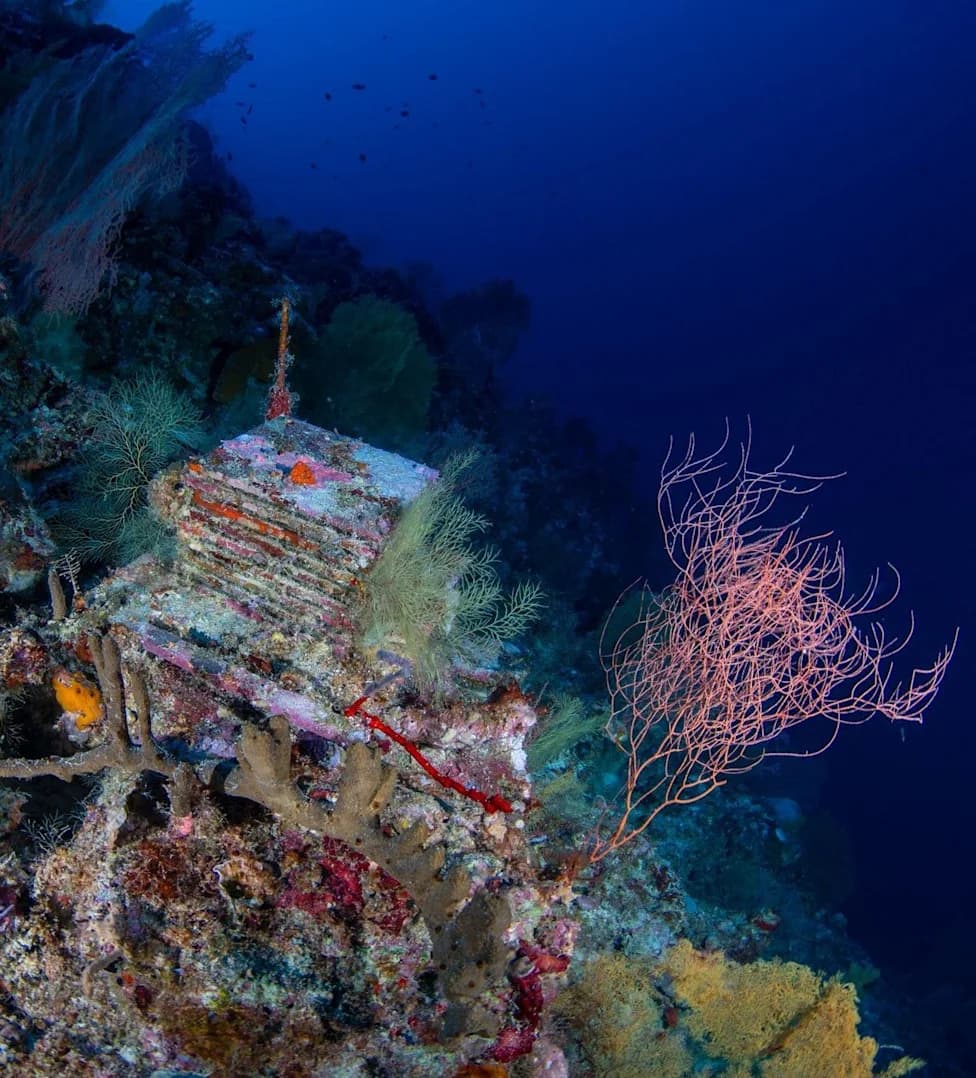
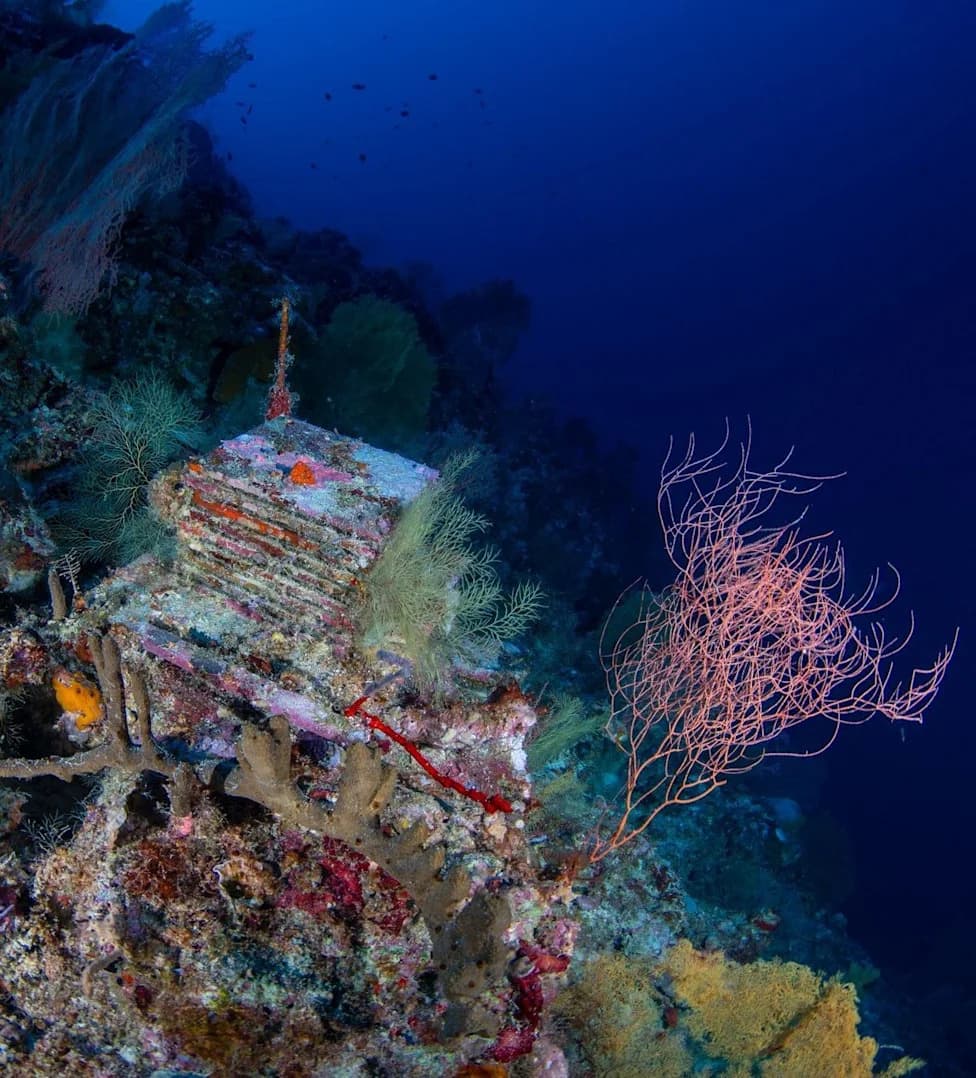
(GERMANY OUT) Lettuce Coral Reef, Turbinaria mesenterina, Raja Ampat, West Papua, Indonesia
Scientists have rediscovered a mesophotic coral reef off the coast of Benin that had not been documented for roughly 60 years, overturning earlier assumptions that the site was dead. The reef sits in the ocean's so-called "twilight zone," where limited light supports specialized, light-dependent communities.
Details of the Rediscovery
Recent sonar surveys detected signatures consistent with living coral and associated organisms, prompting follow-up investigations. Researchers from the Benin Fisheries and Oceanological Research Institute conducted field verification and confirmed the presence of corals, macroalgae, sponges, fish and other species adapted to deeper, low-light conditions.
What Are Mesophotic Reefs?
Mesophotic coral ecosystems occur in tropical and subtropical seas at depths typically ranging from about 100 feet to more than 490 feet below the surface, according to NOAA. Although deeper than most shallow reefs, mesophotic systems are still light-dependent and host distinct ecological communities that provide important habitat functions.
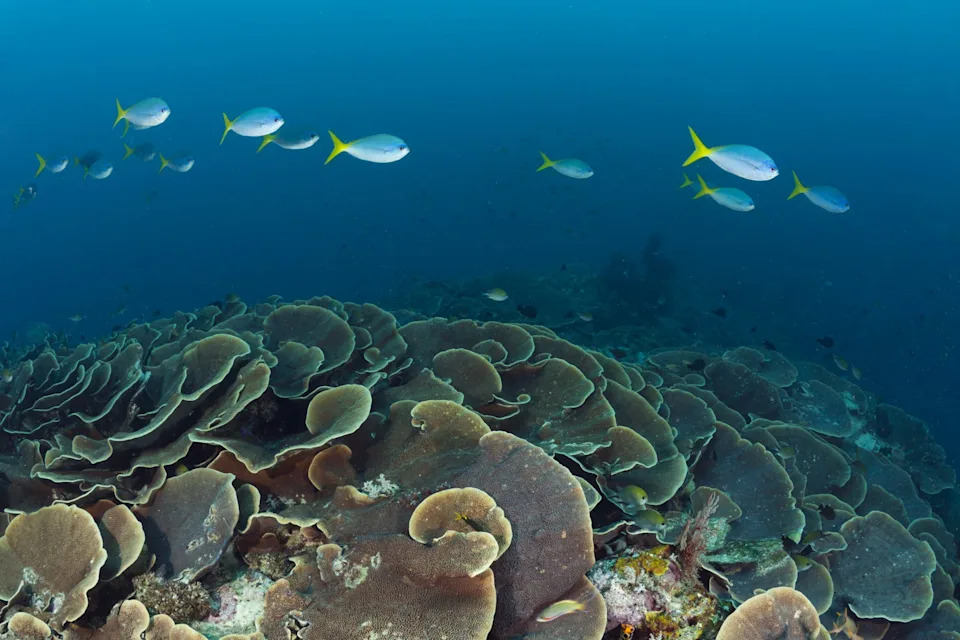
(GERMANY OUT) Lettuce Coral Reef, Turbinaria mesenterina, Raja Ampat, West Papua, Indonesia.
Ecological Importance
These reefs serve as essential habitat for a variety of economically and ecologically important species. They are used for spawning, breeding, feeding and juvenile growth, and may act as refuges for species affected by stressors in shallower waters.
Comparable mesophotic communities exist elsewhere — for example, the Lettuce Coral Reef (Turbinaria mesenterina) in Raja Ampat, Indonesia — and in some regions such as American Samoa mesophotic habitats account for nearly 80% of local coral area.
Next Steps for Research and Conservation
Scientists say further study is needed to determine whether the Benin reef has persisted continuously since the 1960s or whether its extent has fluctuated over time. Additional surveys, ecological assessments and long-term monitoring will help clarify the reef's history and guide conservation planning for these understudied deep-reef ecosystems.
Why it matters: Rediscoveries like this emphasize that deeper reef zones can harbor important, resilient communities and should be included in regional conservation priorities.
Help us improve.