The United States has proposed a 30‑year nuclear cooperation agreement with Saudi Arabia to transfer civilian nuclear technology. Critics warn the pact could permit uranium enrichment and spark a regional arms race, while supporters argue US contractors would provide oversight. A reported "black box" enrichment option and a planned two‑year joint study are central points of debate, and safety concerns persist given past strikes near regional nuclear facilities.
Why the Proposed 30‑Year US–Saudi Nuclear Deal Raises Proliferation and Safety Fears
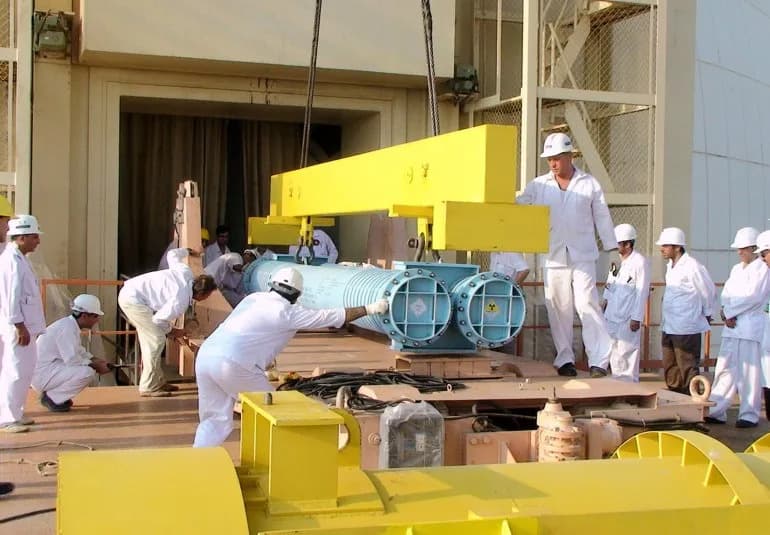
The first fuel is loaded into Iran's Bushehr nuclear power plant on August 21, 2010 [Photo by IIPA/Getty Images]
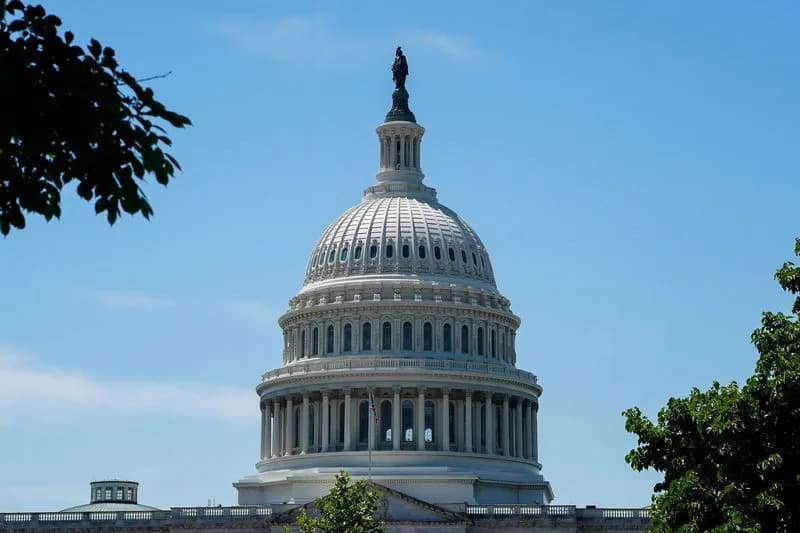
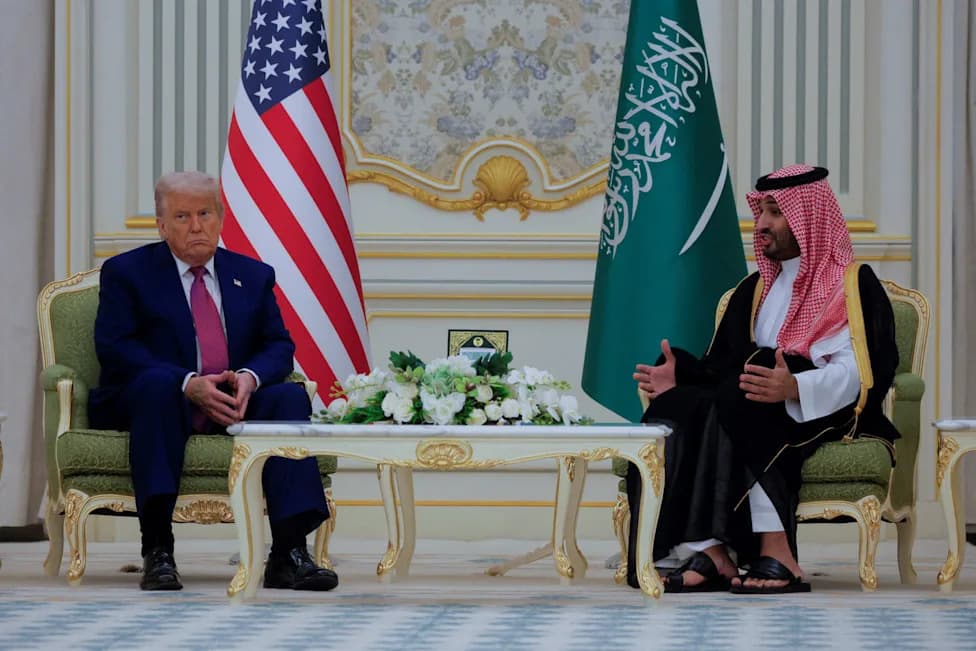
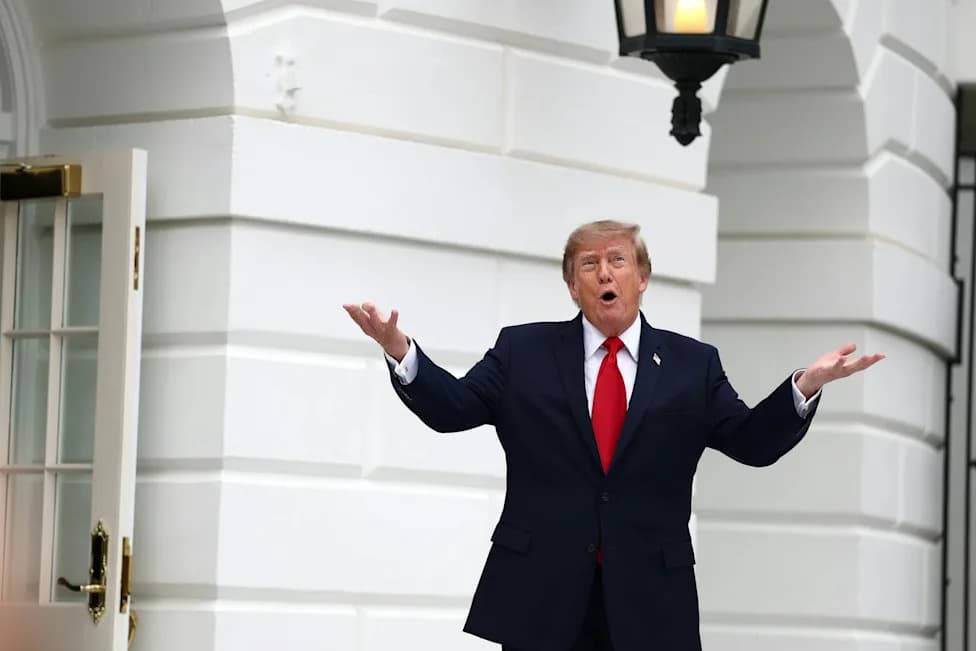
President Donald Trump approved a proposed 30‑year nuclear cooperation agreement with Saudi Arabia that would allow the United States to transfer civilian nuclear technology to the Gulf kingdom. The plan — now submitted to the US Congress for review — has provoked intense debate about proliferation risks, safety in a volatile region, and how much technical control Washington would retain.
Why Critics Are Concerned
Analysts warn the deal could enable Saudi uranium enrichment, a capability closely linked to developing weapons‑grade material. Although US officials say the agreement is intended for civilian energy purposes, many key details remain undisclosed and the US Energy Department has not publicly confirmed whether military‑grade enrichment would be permitted.
Saudi Crown Prince Mohammed bin Salman has said in the past that Riyadh would "without a doubt" pursue a nuclear weapon if Iran acquired one, a remark that fuels regional proliferation worries. Former Israeli defence minister Avigdor Liberman also urged fierce opposition, arguing a civilian Saudi programme could eventually lead to weapons and trigger a broader arms race.
What Supporters Say
Supporters of the pact say US companies would operate and maintain the facilities, enabling Washington to monitor operations and reduce proliferation risks. US nuclear‑reactor designer Westinghouse is widely reported to be a leading contractor on the programme. Some lawmakers and officials emphasize that contractor oversight and binding safeguards can limit weaponisation risks if properly enforced.
The "Black Box" Debate
Media reports describe a proposed "black box" enrichment facility — sited in Saudi Arabia but operated by US firms — and a planned two‑year joint study to decide whether Riyadh needs such a plant or should import commercially produced low‑enriched uranium. Critics say a US‑run facility on Saudi soil would be unprecedented and worry that Saudis could eventually learn the technology or expel foreign staff. Supporters counter that embedded oversight could make enrichment safer than independent domestic programs.
Safety Risks In A Volatile Region
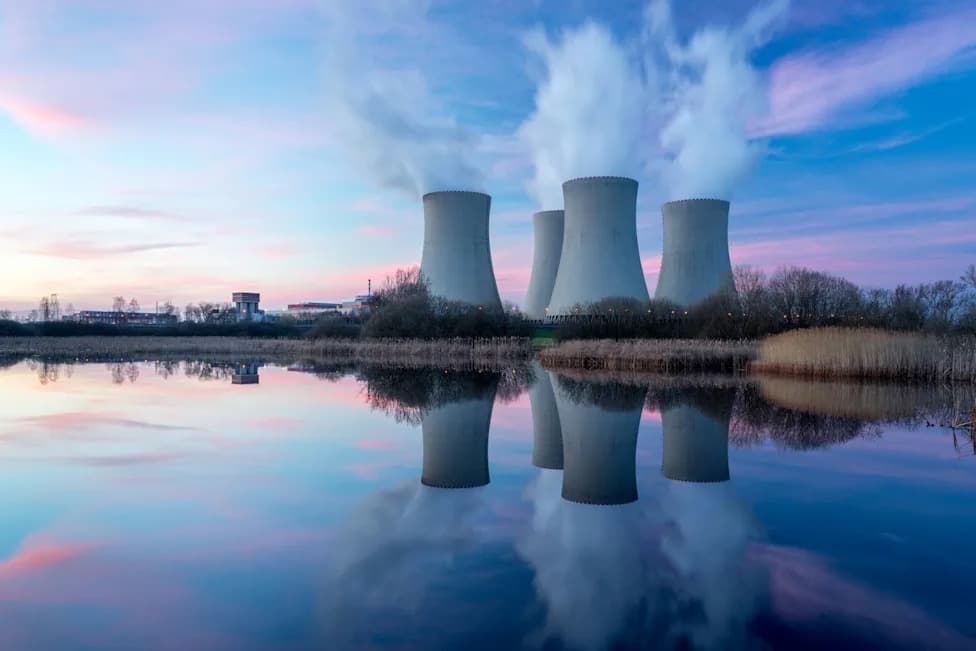
Beyond proliferation, experts cite safety risks from operating nuclear plants amid regional tensions. Iran's Bushehr plant received its first fuel in 2010, and peripheral facilities at plants in the Middle East have been struck during hostilities. Attacks have sometimes reached the perimeters of facilities such as the United Arab Emirates' Barakah site. While these incidents did not hit reactor cores, analysts warn that more facilities in a high‑tension environment raise the risk of accidents or deliberate attacks.
Damage to a reactor core or to spent‑fuel storage can release highly radioactive material with catastrophic local consequences; historical disasters such as Fukushima (2011) and Chornobyl (1986) are stark reminders of those dangers. It is also important to note that weapons materials can come from highly enriched uranium or from plutonium recovered from spent reactor fuel.
Precedents And Alternatives
Observers point to foreign models where contractors manage nuclear plants: Russia operates and supplies fuel to reactors in countries such as Türkiye and Egypt, handling spent fuel as well. The key distinction in those cases is that Russia has not provided enrichment services on site. By contrast, the United Arab Emirates imports all of its low‑enriched uranium from international suppliers and is often cited as a non‑proliferation model.
Next Steps
The agreement now faces congressional review and the proposed two‑year joint study, which could decide whether on‑site enrichment is necessary. Analysts note the study could be used as a negotiating tactic or could lead to a decision to rely on imported low‑enriched uranium. Whatever the outcome, the debate highlights fundamental tensions between expanding civilian nuclear energy and preventing the spread of weapons‑usable materials in a volatile region.
Help us improve.