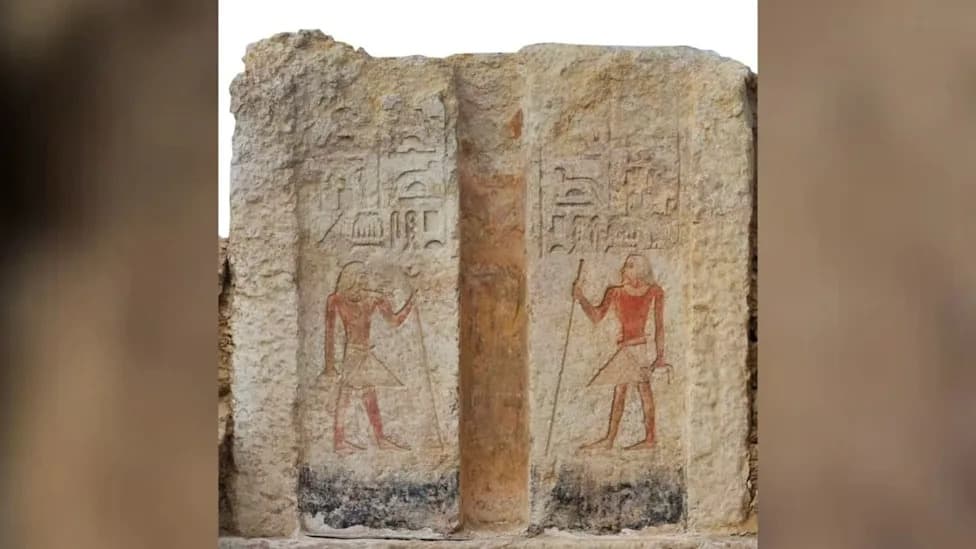
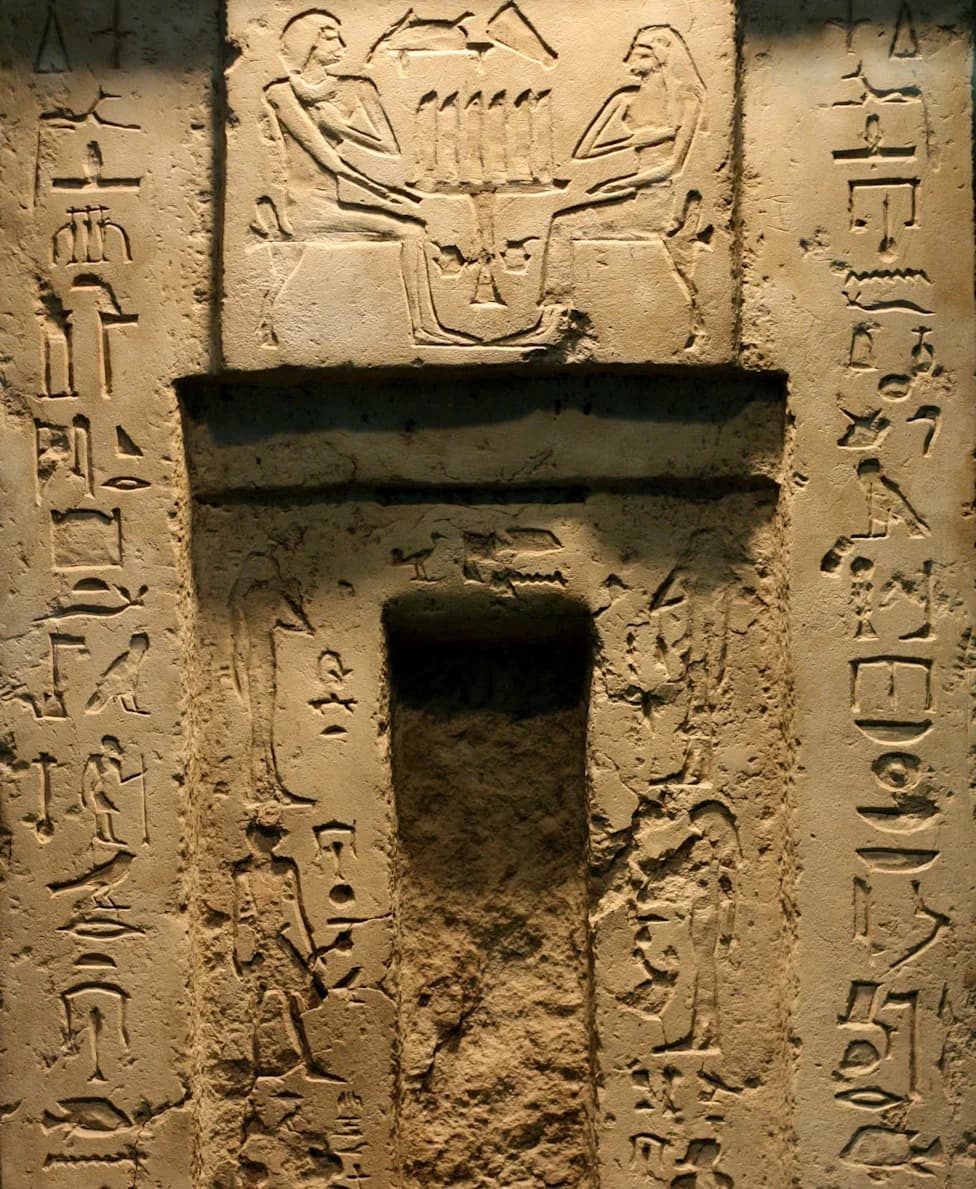
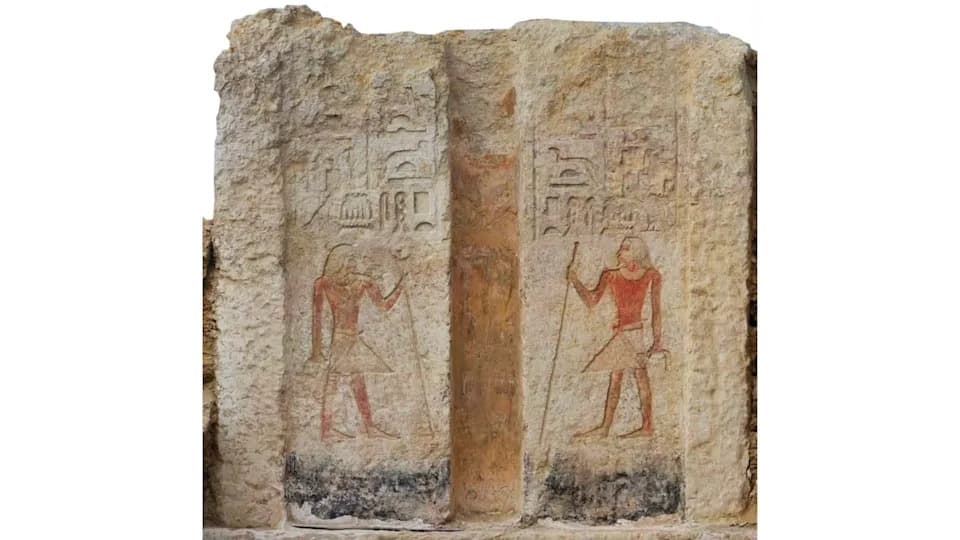
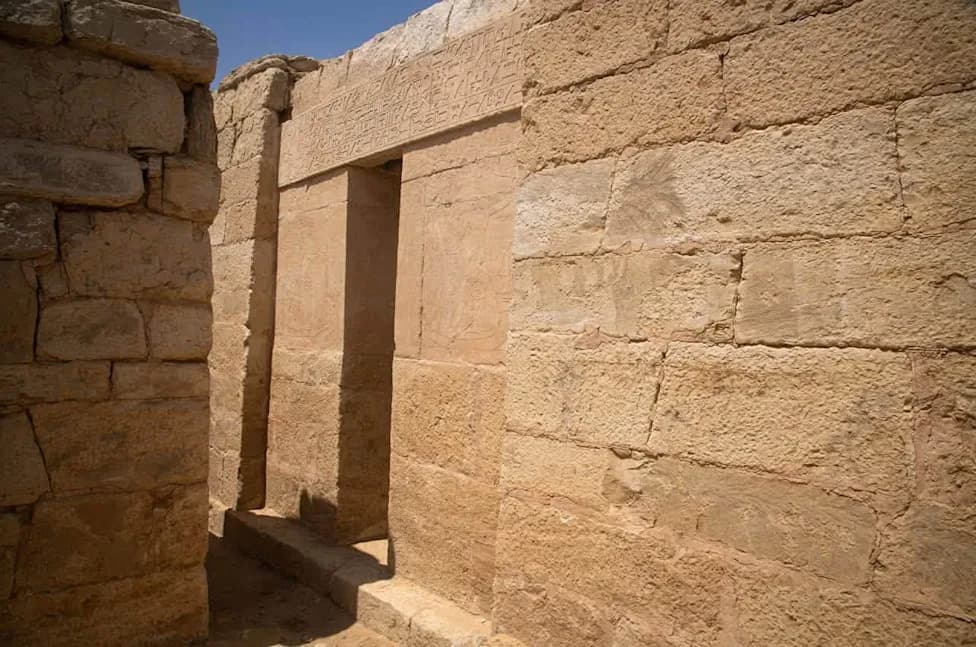
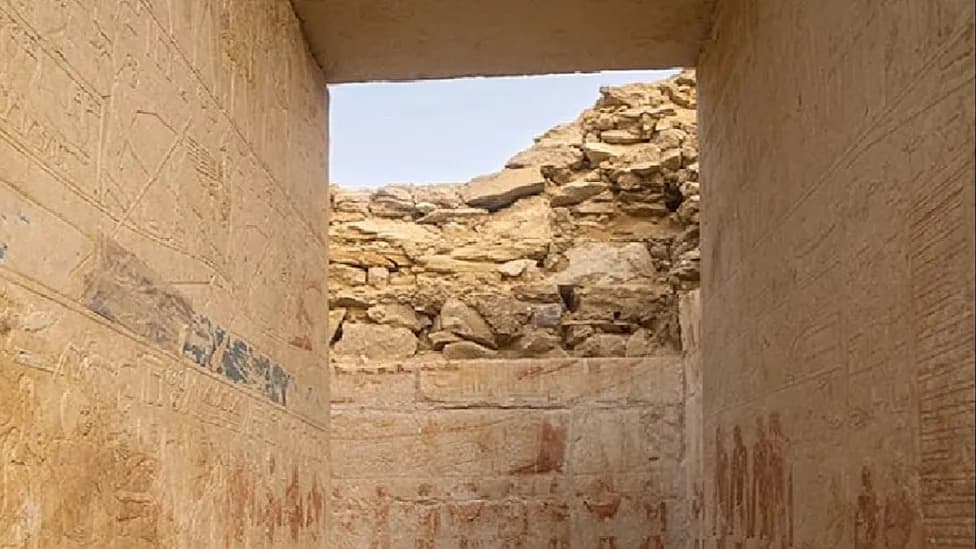
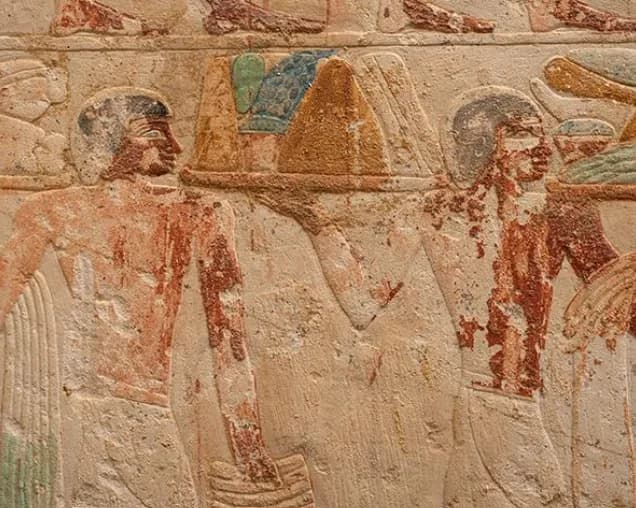
Archaeologists have uncovered three rock-cut New Kingdom tombs at the Bubasteion Necropolis in Saqqara, dating to the later 18th Dynasty (ca. 1550–1292 B.C.). Inscriptions identify the occupants—Mentuhotep, a high-ranking civil and military official; Paremwia (Samut), a leading merchant whose family members are named; and Nahsi, a household supervisor—and preserve titles and family details. A column inscription referring to a commander’s return from Syria underscores Egypt’s connections with the Near East. Together, the finds illuminate elite life, administration and foreign relations during Egypt’s New Kingdom.
Three New Kingdom Tombs Unearthed at Saqqara’s Bubasteion Reveal Elite Lives and Near Eastern Ties
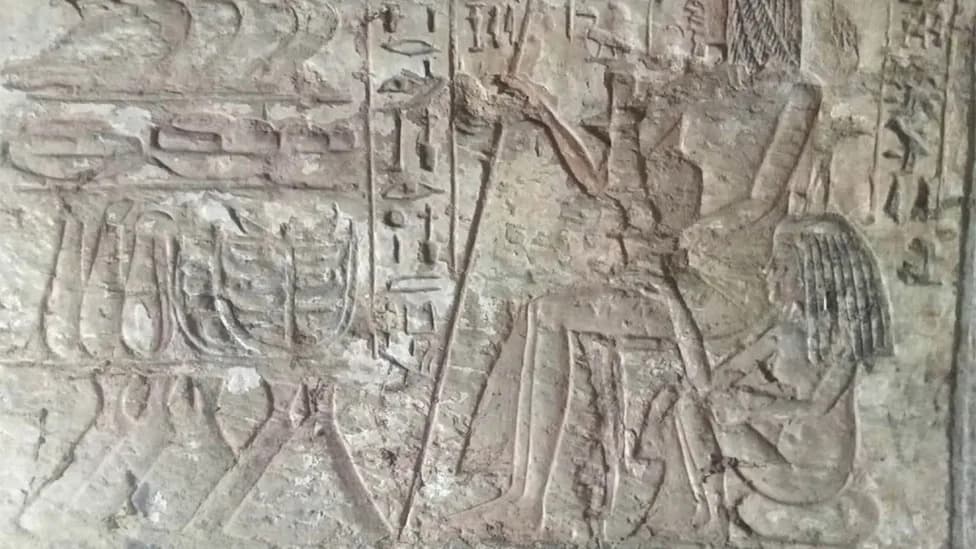
A Trio of Kingdom Tombs in Egypt’s Saqqara Necropolis Were Just Uncovered
An Egyptian archaeological mission has uncovered three rock-cut tombs from Egypt’s New Kingdom period (ca. 1550–1070 B.C.) at the Bubasteion Necropolis in Saqqara, the Supreme Council of Antiquities (SCA) announced. The discovery, first reported by Ahram Online, provides unusually detailed inscriptions that illuminate the careers, families and foreign contacts of elite officials during one of ancient Egypt’s most powerful eras.
Where and When
Saqqara, about 40 km southwest of Cairo, served as the burial grounds for the ancient city of Memphis. The newly discovered tombs date to the later 18th Dynasty (ca. 1550–1292 B.C.), when prominent municipal officials carved private burial chambers into the limestone cliffs of the Bubasteion.
Who Was Buried Here
Mentuhotep: The first tomb is attributed to Mentuhotep, who is depicted in a relief seated beside his mother, Eihotep. Hieroglyphic inscriptions list numerous formal titles—Hereditary Prince, Mayor, Royal Seal Bearer, One Who Pleases the Heart of the Ruler, Administrator, Overseer of Foreign Lands and Overseer of the Army of Khabeshet—indicating combined civil and military authority in the early New Kingdom. An unexcavated burial shaft inside his tomb may reveal additional remains or artifacts.
Paremwia (Samut): The second tomb belongs to Paremwia, also known as Samut, who held the title Great Merchant of the Estate of Ptah. Inscriptions record his immediate family—his wife Tuwi (Lady of the House), his mother Atibyu (a Singer of Amun) and four sons—offering a rare glimpse of the domestic life of an elite New Kingdom official.
Nahsi: The third tomb, in poorer condition, is associated with Nahsi, identified as supervisor of the house, and his wife Neferptah, called lady of the house. Notably, one column bears an inscription describing the return of a military commander from Syria, providing direct textual evidence of Egypt’s military and diplomatic connections with the Near East during this period.
“The inscriptions are unusually detailed and contribute to a better understanding of social structure, administration and external relations in the New Kingdom,” said Hisham El-Leithy, secretary-general of the SCA. Mohamed Abdel Badie highlighted the importance of the Syria-related inscription for confirming the tombs’ date and foreign ties.
Significance
Taken together, these tombs enrich our knowledge of elite administration, family networks and international interactions in the New Kingdom. The combination of civil and military titles, named family members and a Near Eastern reference make these finds particularly valuable for reconstructing how Egyptian officials operated at home and abroad during Egypt’s peak of power.
Further excavation—especially of Mentuhotep’s unexcavated shaft—may produce more artifacts or human remains that shed light on funerary practice and the personal histories of these named officials.
Help us improve.