Volkswagen has introduced 100 sheep to graze beneath the solar array at its Poznań factory, replacing mechanical mowing as part of an agri‑photovoltaics initiative. The installation has more than 31,000 panels and can supply about a quarter of the plant’s annual electricity, reaching full demand on very sunny days. Volkswagen says the scheme is not meant purely as a cost‑cutting move, and experts point to benefits for maintenance, biodiversity and soil health.
Volkswagen Hires 100 Sheep To Tend Poznań Solar Farm — A Grazing Solution For Greener Energy

The latest hires at German car giant Volkswagen are a flock of 100 sheep, tasked with keeping the grass between the rows of a huge solar array neatly trimmed. Moritz Frankenberg/dpa
Volkswagen has brought in a flock of 100 sheep to graze beneath the solar array at its Poznań factory in Poland, replacing conventional lawnmowers as part of an agri‑photovoltaics initiative. The animals keep vegetation between the panels trimmed while the installation generates renewable electricity for the plant.
How The Scheme Works
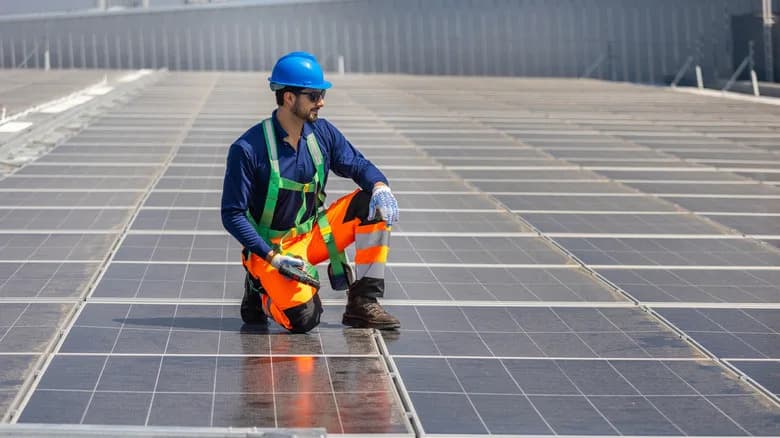
The photovoltaic installation at the Poznań site comprises more than 31,000 solar panels. On very sunny days, the array can generate enough power to meet the factory's full electricity demand and supplies roughly a quarter of the plant’s annual consumption overall.
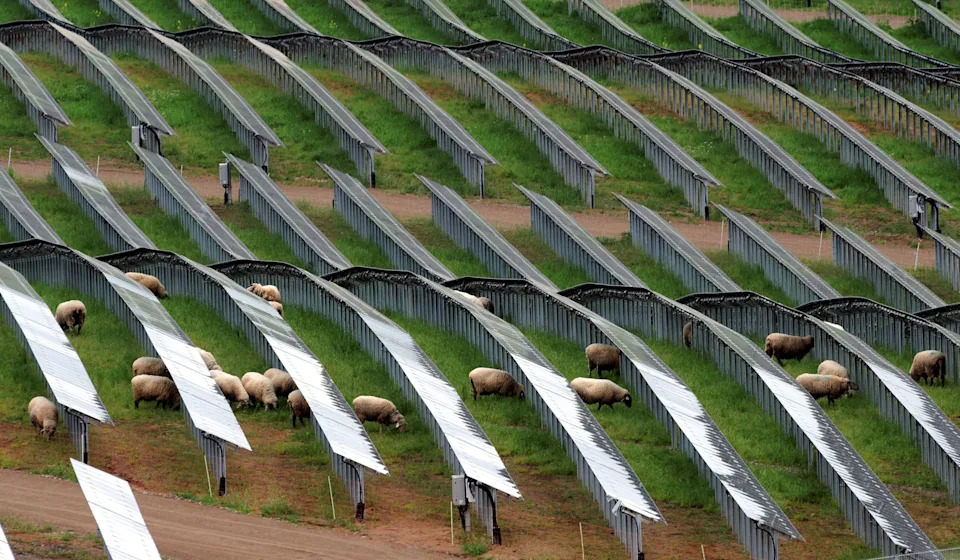
Sheep have long been allowed to graze on the grass growing between solar arrays, as here on a major solar farm in western Germany. Harald Tittel / dpa
Volkswagen says the project is not intended purely as a cost‑cutting measure. At the same time, the company notes that grazing can lower routine maintenance costs compared with mechanical mowing. Experts add that managed grazing can also benefit local biodiversity and improve soil health.
“Sheep grazing demonstrates that modern industry can work harmoniously with nature,” said Marzena Pillich‑Grońska, director of Volkswagen Poznań, when announcing the initiative in July.
Benefits And Context
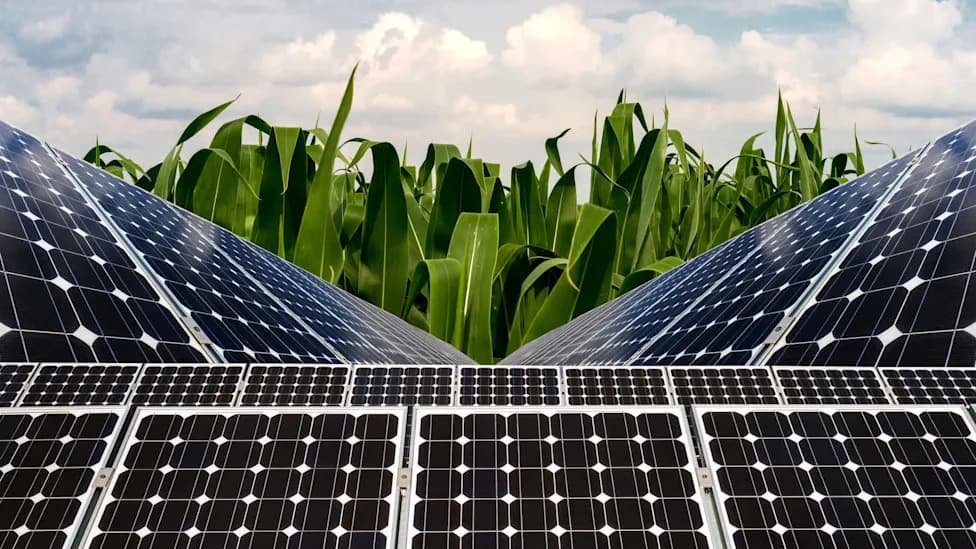
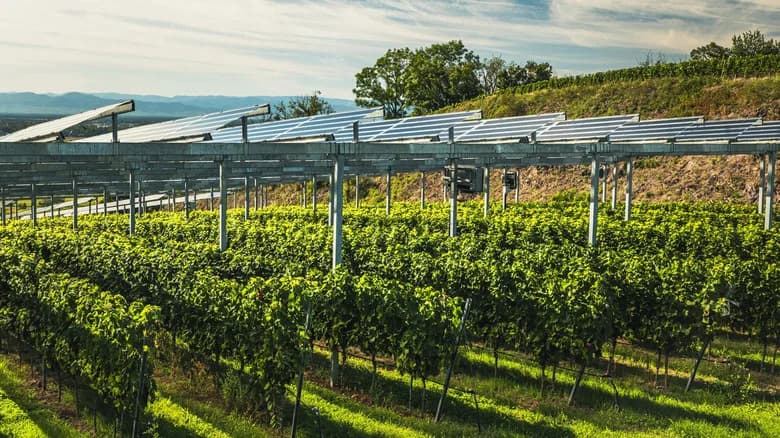
Agri‑photovoltaics—the combined use of land for solar power and agricultural activity—is a growing trend across Europe. Grazing sheep are already used at other large solar sites, including farms in western Germany, where animals similarly help control vegetation and reduce the need for mechanical maintenance.
Volkswagen’s Poznań scheme aims for multiple wins: reliable vegetation control, lower maintenance demands, and potential ecological gains, while the solar array continues to supply clean energy to the factory.
Help us improve.