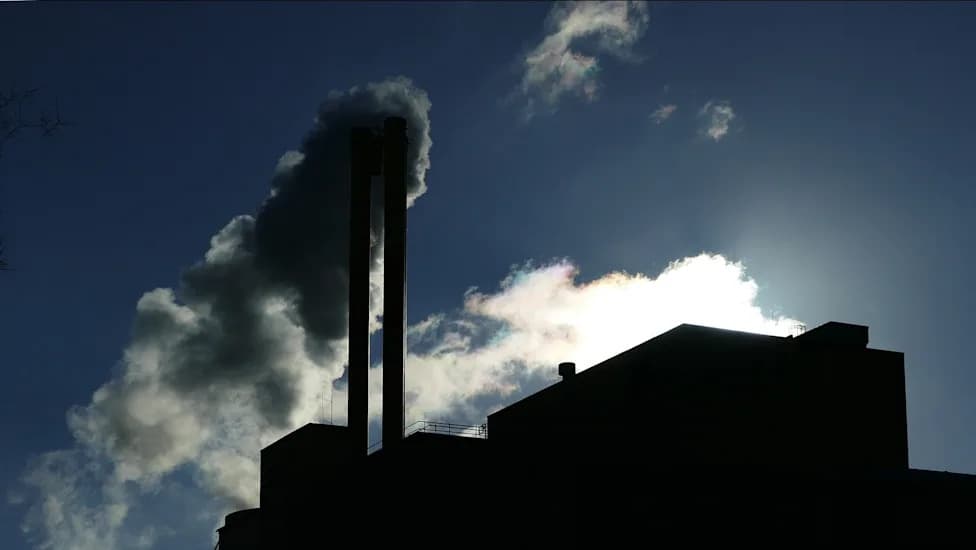
Rising temperatures across North and East Africa are increasingly overwhelming camels, causing blisters, skin burns, dehydration, disease and higher mortality. Field studies and veterinarians report sharp declines in herd health, reduced milk yields and reproductive problems linked to prolonged heat above 41–45°C. Experts call for urgent interventions—water, shade, supplemental feeding and better veterinary care—to protect animals and pastoral livelihoods.
Even Camels Are Suffering: Rising Heat Is Overwhelming Africa’s Desert Herds
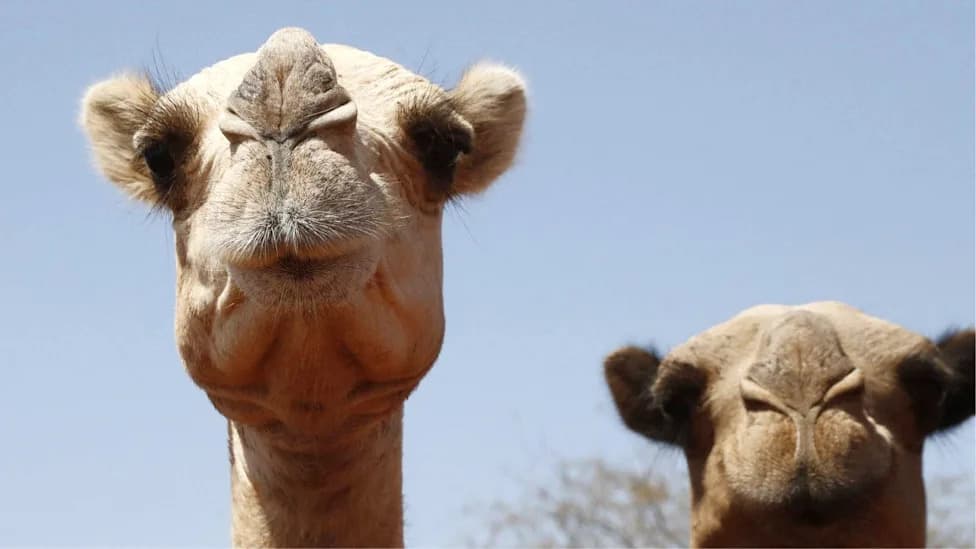
Livestock herders in the Horn of Africa and North Africa have switched to camels over the years because of their famed resilience [Reuters]
Rising temperatures across North and East Africa are beginning to overwhelm camels—animals long celebrated for their ability to survive the harshest desert conditions. Herders, veterinarians and scientists report mounting evidence that extreme heat, coupled with drought, is causing blisters, skin burns, dehydration, disease and rising mortality among dromedary herds.
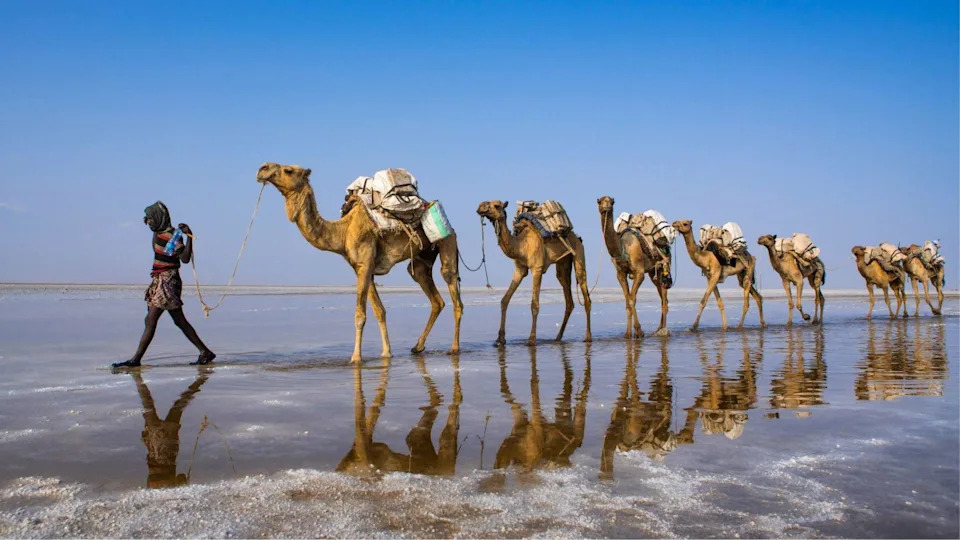
Camels carry bricks of salt cut from the mineral-laden lakes in the Danakil Depression, where temperatures can top 50C [Corbis via Getty Images]
Afar firsthand account:
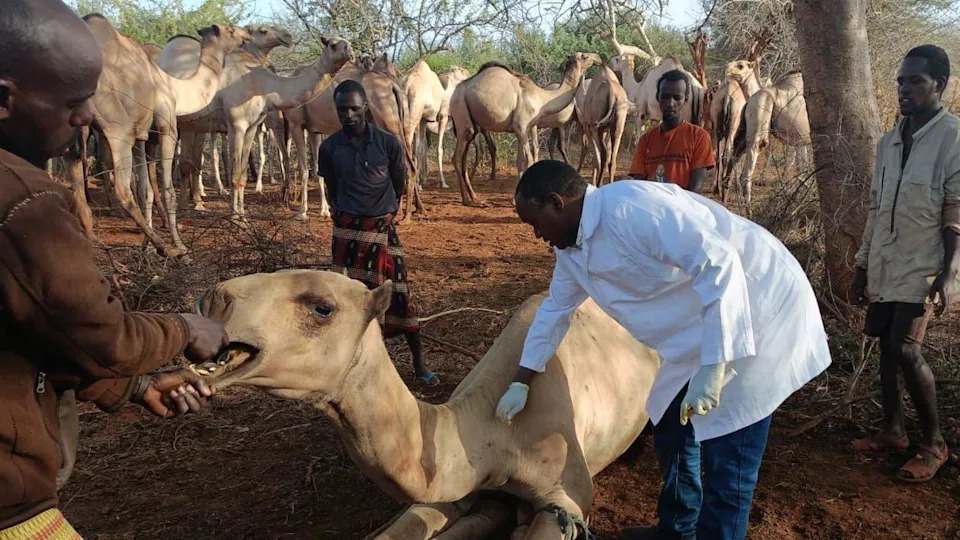
Hassan Nuya Guyo, a vet in north-eastern Kenya, says in the last two years there has been a 15% increase in camel deaths in the area he oversees [Hassan Nuya Guyo]
"I can see my camels suffering from extreme heat," said Ali Umer, a 40-year-old camel herder from Semera in Afar, who manages roughly 500 camels. "They get blisters on their feet, their eyes water, and the hot sand burns their skin. In the past month I have lost eight calves because the heat has become far more intense."
Scientific Evidence and Field Reports
Multiple studies and field reports back up herders' observations. A perception-based study of camel herders in southern Ethiopia (published in 2025) found that climate variability and higher temperatures have harmed herd health, productivity and reproduction. Research published in June showed drought-related camel mortality across Somalia affected nearly 46% of camel-owning households, with the Sool region reporting mortality near 73% in some areas.
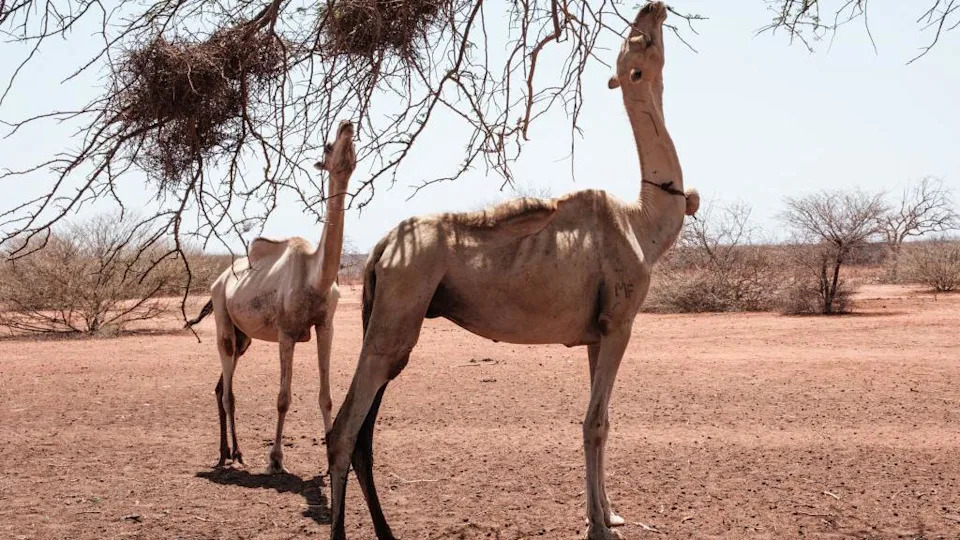
Experts say camels comfortably beat the heat up to around 40C by mainly allowing their body temperature to fluctuate by several degrees throughout the day [Getty Images]
Veterinarians on the ground report rising cases of hyperthermia and secondary infections. In Marsabit county, north-eastern Kenya, a veterinary officer reported a more than 15% increase in camel deaths in the past two years linked to extreme heat and drought. In North Africa, Algerian research documented a marked rise in summer mortality during heatwaves and recommended targeted seasonal interventions.
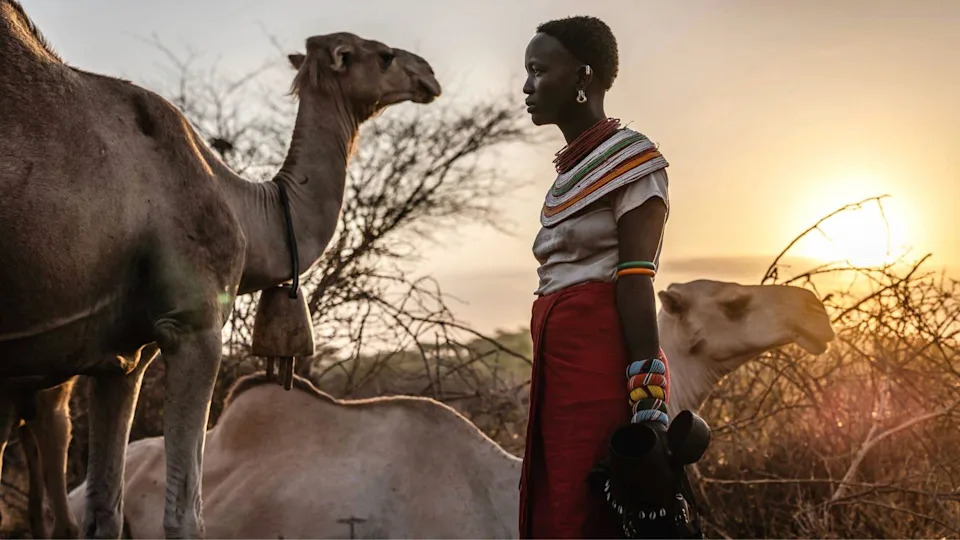
Pastoralists who rely on camels for milk are suffering as studies show that heat stress has reduced yields [AFP via Getty Images]
Climate Trends Behind The Crisis
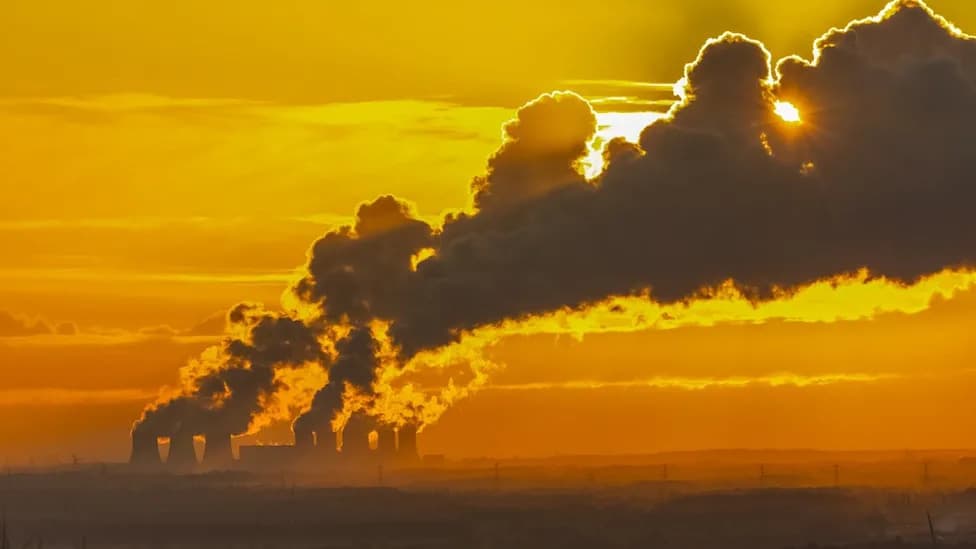
The World Meteorological Organization's State of the Climate in Africa 2025 notes that North Africa warmed about 0.43°C per decade between 1991 and 2025 and that heatwaves have increased markedly since 1981. Several countries in the region and parts of the Middle East reported temperatures above 50°C in 2024. Atmospheric analyses point to extreme heat as a key driver of the 2021–22 drought in the Horn, where higher temperatures accelerate evaporation and plant water loss.
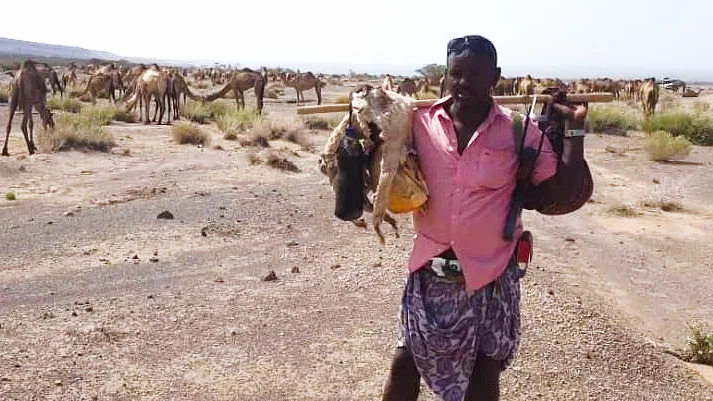
Ali Umer says that within the last month he has lost eight camel calves because of the extreme heat [Ali Umer]
How Heat Harms Camels
Camels have physiological adaptations that let them tolerate heat up to roughly 40°C: they allow body temperature to fluctuate daily to reduce sweating, concentrate urine and pass dry feces to conserve water, and their dense coat reflects solar radiation. However, experts warn these defenses have limits. Dr Mohammed Bengoumi of the FAO says prolonged temperatures above the animals' comfort range increase the risk of severe heat stress, especially when water, shade and forage are scarce.

[BBC]
"Our work shows that prolonged day-and-night heat above 41–45°C directly attacks their cells," said Professor Abdelmadjid Chehma of the University of Ghardaia. "Their immune system suffers as white blood cells and other cells are damaged and struggle to repair themselves."
When heat stress sets in, camels' metabolisms slow to limit internal heat production. Appetite falls, animals become lethargic, milk yields drop and reproductive performance declines. Professor Mohammed el Khasmi of the University of Casablanca lists related problems including weight loss, inflammation, musculoskeletal issues, kidney-related chemical imbalances and increased parasite-driven infections.
Human Livelihoods and Responses
Many pastoralists are adapting by relocating herds to areas with better water and forage. Researchers say some herders are leaving historically important northern grazing lands permanently because extreme heat and drought make camel husbandry unsustainable there. Charities report soaring water prices in parts of Somalia—by some accounts more than 2,000% in affected areas—adding economic strain to the ecological crisis.
Experts and studies recommend urgent, targeted measures: strategic water provisioning, supplemental feed, enhanced veterinary services and disease monitoring, provision of shade, and planning for safe herd mobility. These interventions can reduce immediate suffering and help protect pastoral livelihoods while broader climate mitigation and adaptation efforts continue.
Conclusion: Camels remain a vital defense against desert hardship, but rising and prolonged heatwaves are testing the limits of their resilience. Without timely interventions—local, national and international—pastoral communities and their herds face escalating losses.
Additional reporting by BBC Amharic's Firehiwot Kassa
Help us improve.