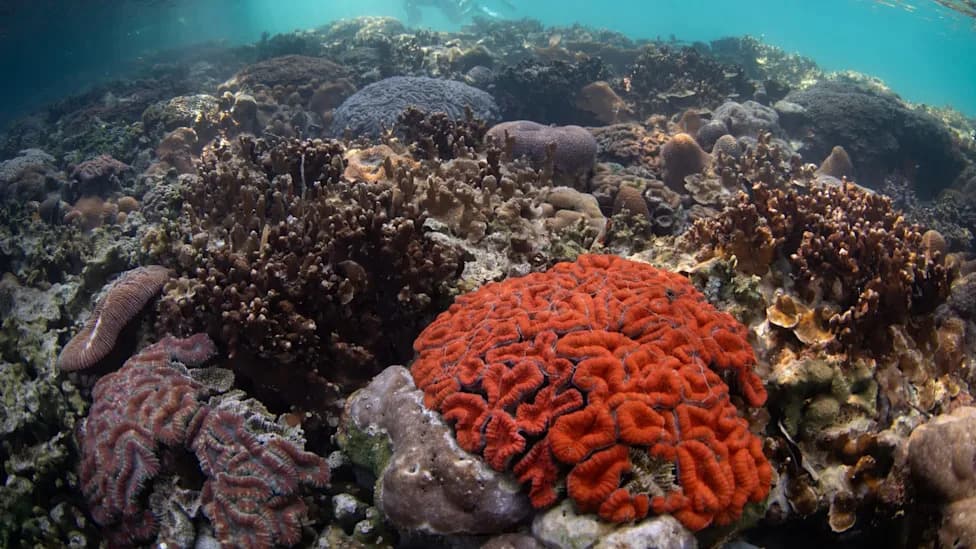
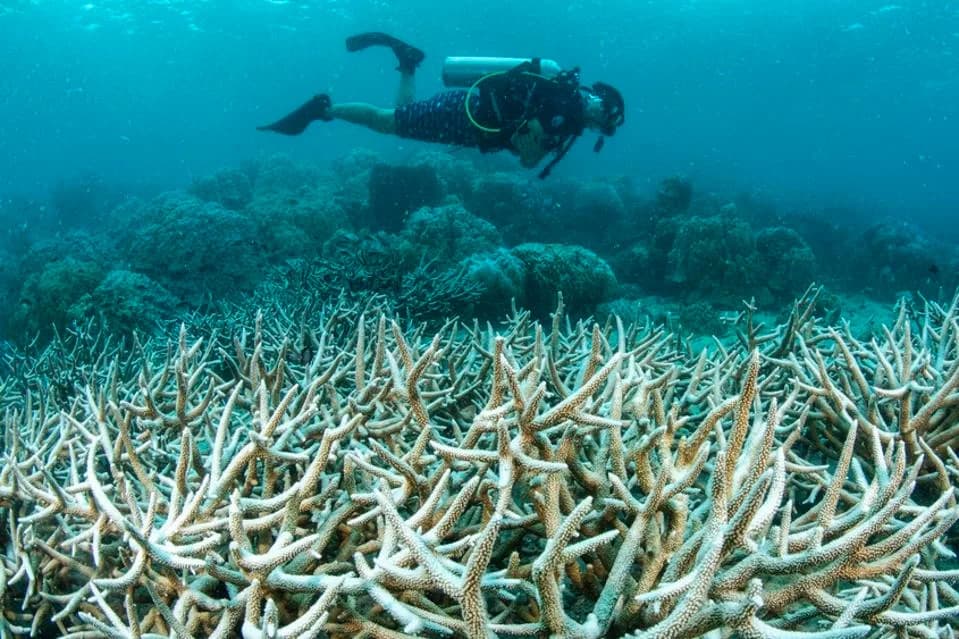
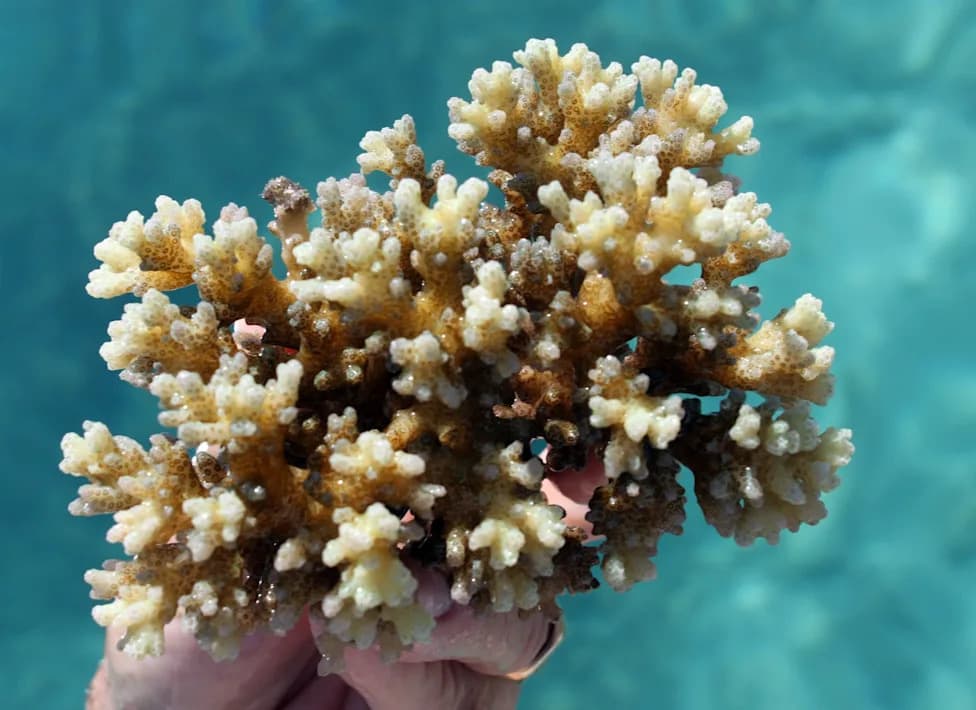
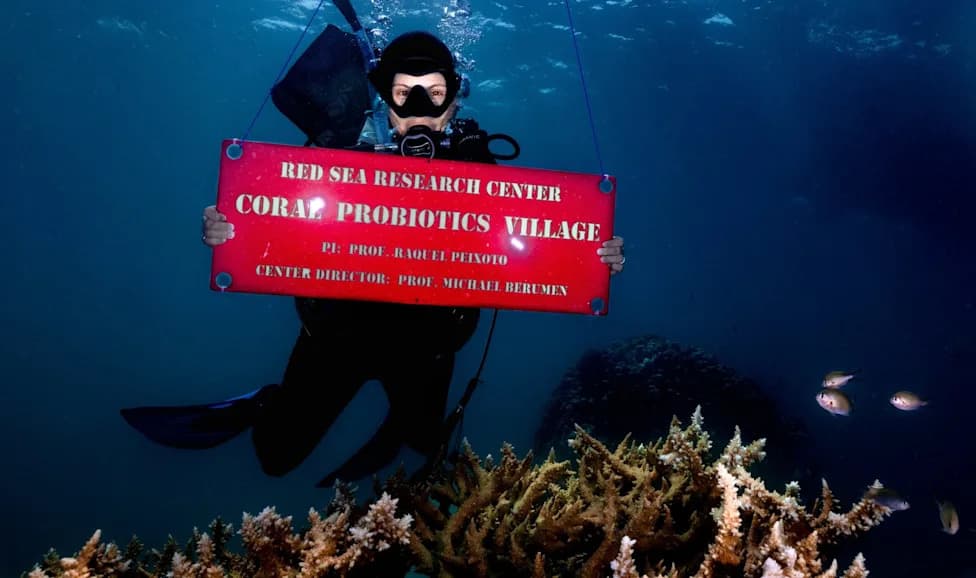
Coralline algae can form a pink-red crust over dead coral rubble, cementing fragments and creating a stable surface for coral larvae to attach. Mossy Earth highlighted this subtle but important early stage of reef recovery on its Field Notes YouTube channel. Clean water is essential for the crust and larvae to thrive, so land-based actions like reducing runoff and improving wastewater management play a key role in enabling reefs to regenerate.
Pink-Red Crust on Dead Coral Gives Baby Corals a Foothold — A Quiet Start to Reef Recovery
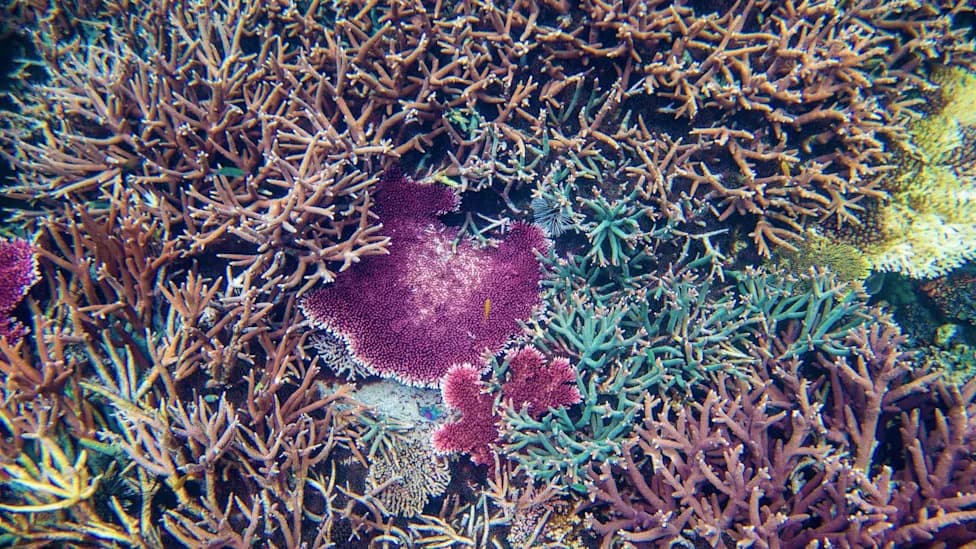
Photo Credit: iStock
What looks like a pink-red crust spreading over a bleached, broken coral skeleton may seem like decay, but conservation group Mossy Earth explains it can be an early and hopeful sign of reef recovery. That colorful layer is coralline algae, a calcifying algae that can cement loose rubble and create a firmer surface where young corals can settle and grow.
How Coralline Algae Helps Reefs
When a table coral dies, its skeleton often fragments into a field of loose rubble. Drifting coral larvae need a stable surface to attach to; if the rubble keeps shifting, larvae are unlikely to survive. As coralline algae spreads across the rubble, it binds fragments together and produces a hard, pink-red crust that stabilizes the seabed, reduces overgrowth by nuisance algae, and provides a foothold for juvenile corals to form new colonies.
That colorful crust stabilizes the reef surface, reduces algal overgrowth, and offers a foothold for young corals to form future colonies.
Why Clean Water Matters
This natural regeneration depends on suitable water conditions. Excess sediment, polluted runoff, and elevated nutrient levels make it harder for both coral larvae and coralline algae to survive and grow. Without reasonably clean water, the crust cannot form effectively and larvae fail to establish.
What This Means For People And Places
Reef recovery benefits coastal communities: healthier reefs support fisheries and tourism, provide habitat for diverse marine life, and strengthen natural storm buffers for shorelines. Small, quiet changes — such as a thin crust of coralline algae and a few baby corals — can be the first visible signs that a reef is beginning to rebuild.
Practical Actions To Help
- Support local and regional water-quality protections and watershed management.
- Reduce fertilizer use and prevent polluted runoff from reaching the sea.
- Choose responsible tourism operators and avoid touching or standing on reefs while swimming or diving.
- Support organizations and research that monitor reef recovery and water quality.
Mossy Earth highlighted this process in a short video on its Field Notes YouTube channel, noting that these subtle early steps matter — provided people protect water quality so natural regeneration can continue.
Help us improve.