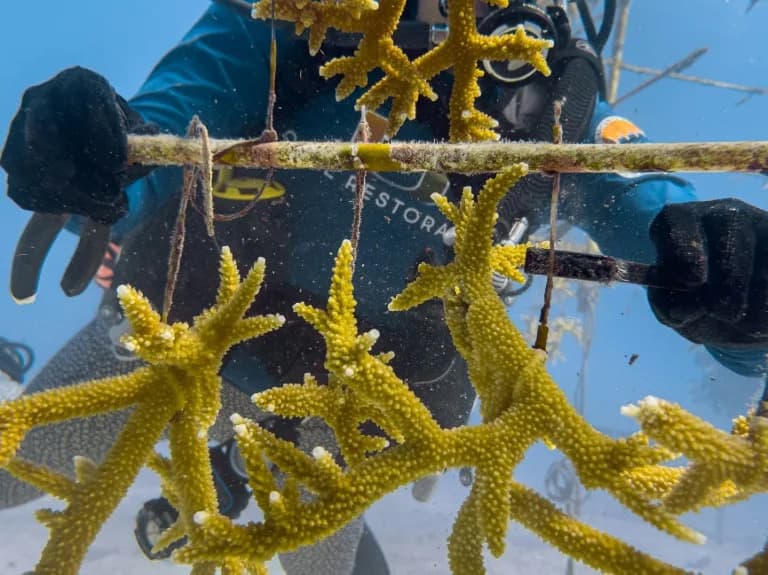
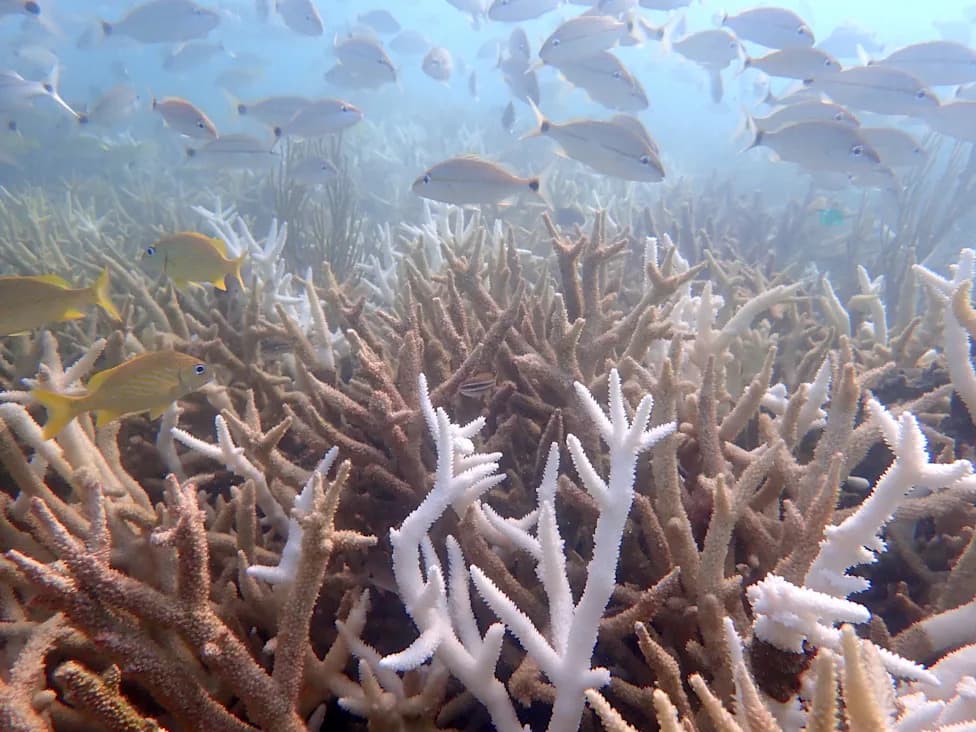
Researchers moved 30 endangered elkhorn coral fragments from offshore nurseries to an onshore hatchery to protect them from rising sea temperatures that could spark a severe bleaching event this summer. Elkhorn populations were heavily damaged in 2023 and again in 2024 and are now functionally extinct across much of South Florida. Divers selected genetically diverse fragments, wrapped and cooled them, and placed them in tanks for sanitizing and stabilization. The University of Miami shares coral stock with other facilities to preserve critical genetic diversity for future restoration efforts.
Florida Scientists Move 30 Endangered Elkhorn Coral Ashore Ahead of Potentially Severe Bleaching
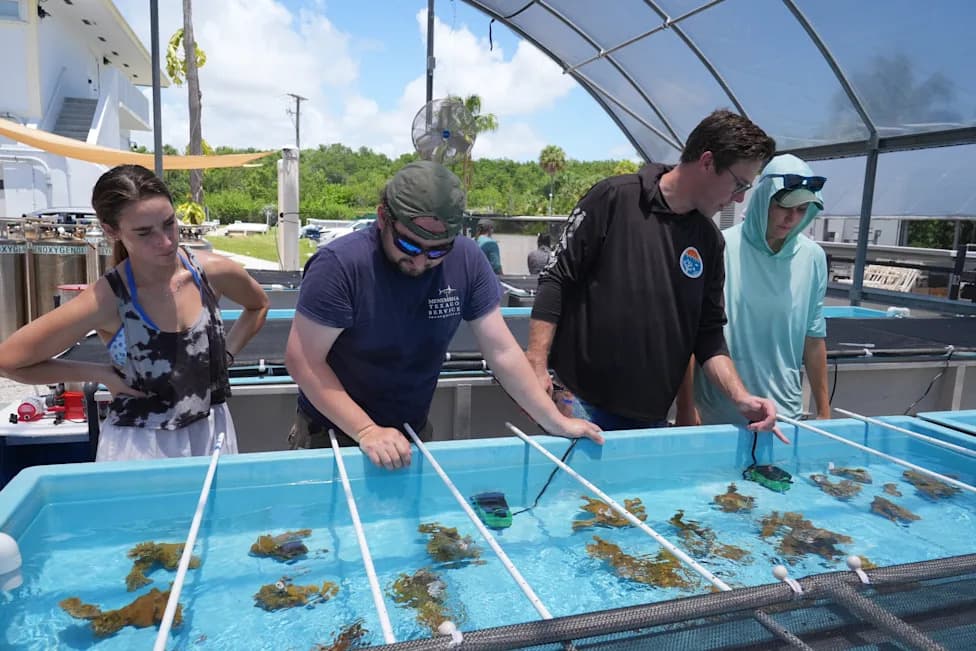
Senior research associate Hesley Dalton, center, reviews the placement of elkhorn coral in a saltwater restoration tank with research assistant Julia Cafiero and interns Jennifer Dranetz and Johnnie Smotrich at the the University of Miami Rosenstiel School of Marine, Atmospheric, and Earth Science, Wednesday, July 22, 2026, in Key Biscayne, Fla. (AP Photo/Marta Lavandier)(AP Photo/Marta Lavandier)
Scientists working to save endangered elkhorn coral moved 30 fragments from offshore nurseries to an onshore hatchery Wednesday, aiming to protect them from rising ocean temperatures that could trigger a major bleaching event this summer.
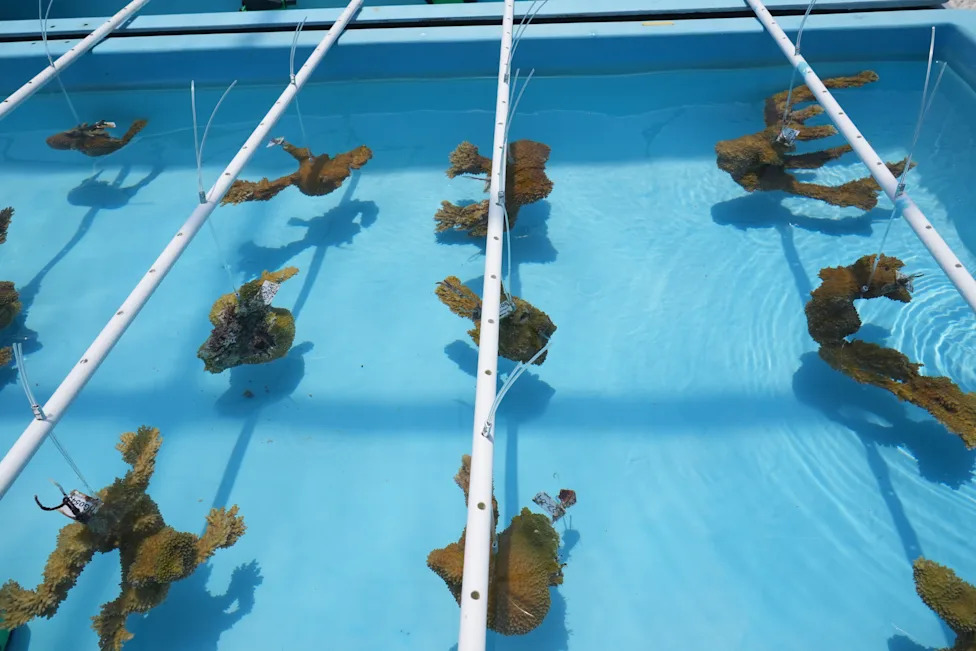
Elkhorn coral from an offshore nursery are placed in a saltwater restoration tank at the University of Miami Rosenstiel School of Marine, Atmospheric, and Earth Science to protect them from anticipated high ocean temperatures and coral bleaching Wednesday, July 22, 2026, in Key Biscayne, Fla. (AP Photo/Marta Lavandier)(AP Photo/Marta Lavandier)
Why the Move Was Urgent
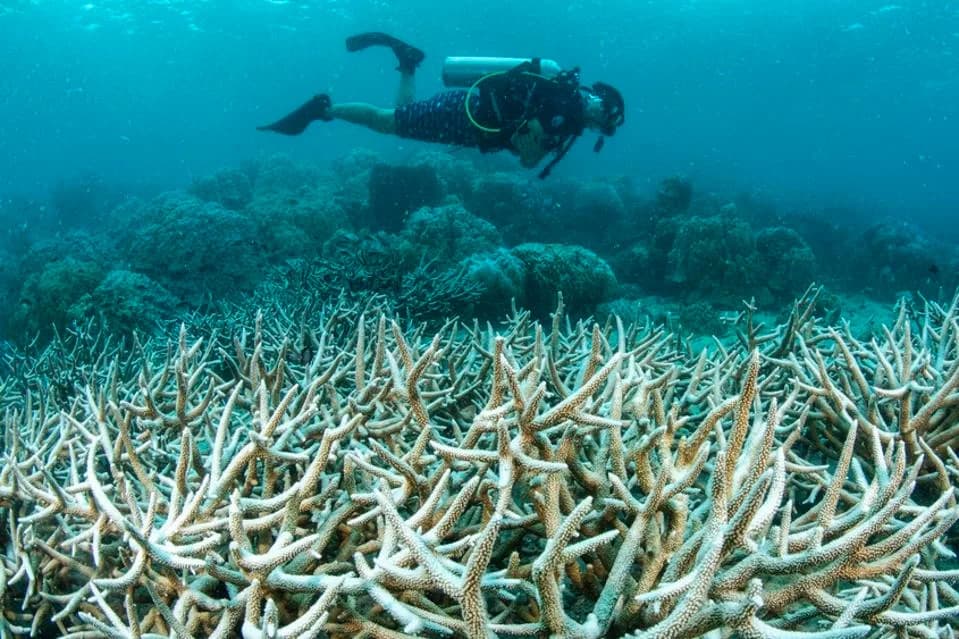
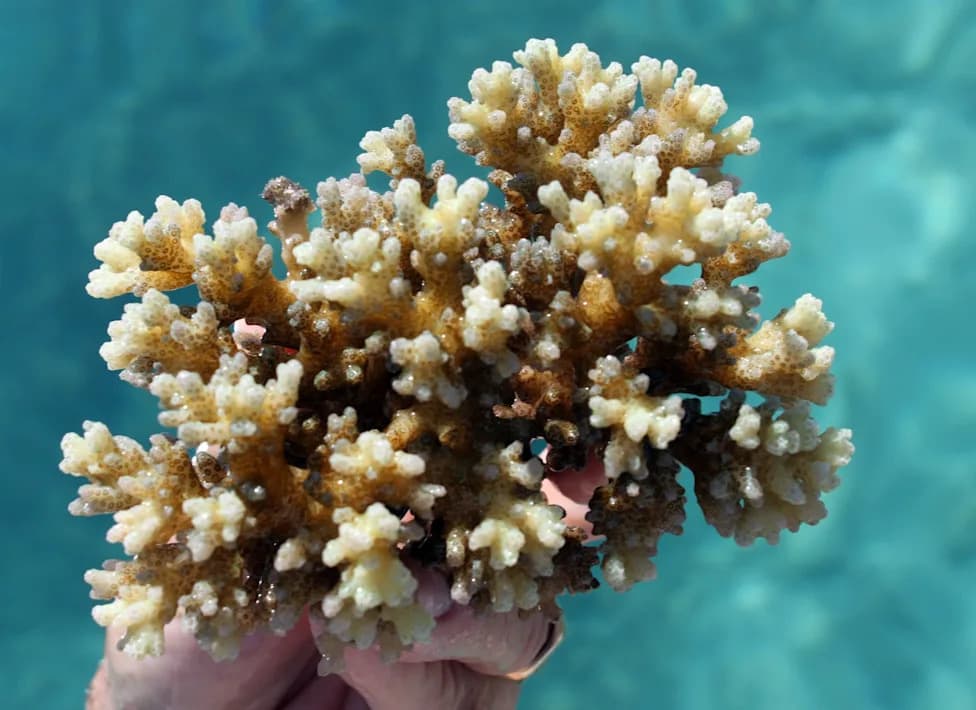
Elkhorn coral populations along South Florida were devastated by an intense 2023 heat wave and hit again in 2024, leaving many areas—from Broward County to the Florida Keys—functionally extinct. "Functionally extinct" means remaining colonies are too small and too far apart to reproduce naturally, said Diego Lirman, associate professor of marine biology at the University of Miami. Because prolonged heat stress causes coral bleaching and death, researchers worried that 2026 could be worse than previous years.
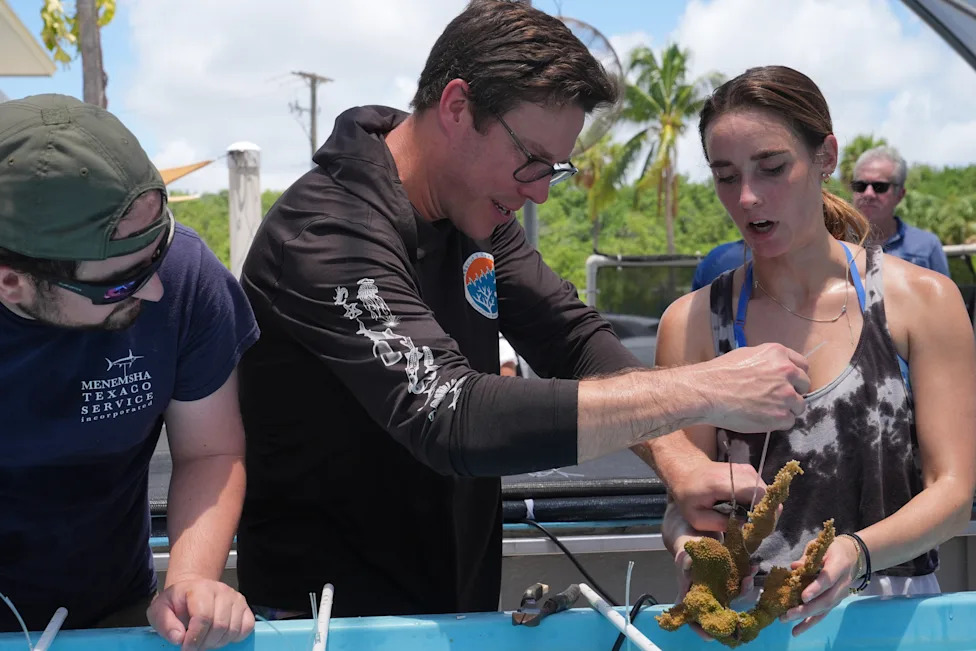
Senior research associate Hesley Dalton, center, demonstrates how to tie an elkorn coral to a saltwater restoration tank to interns Jennifer Dranetz and Johnnie Smotrich at the the University of Miami Rosenstiel School of Marine, Atmospheric, and Earth Science, Wednesday, July 22, 2026, in Key Biscayne, Fla. (AP Photo/Marta Lavandier)(AP Photo/Marta Lavandier)
How The Rescue Worked
On Wednesday, divers carefully collected genetically diverse coral fragments. Each piece was wrapped in wet bubble wrap, placed in coolers to keep temperatures down, sanitized and then transferred into controlled tanks at the hatchery. The onshore environment allows technicians to stabilize the fragments and monitor them through the hottest weeks.
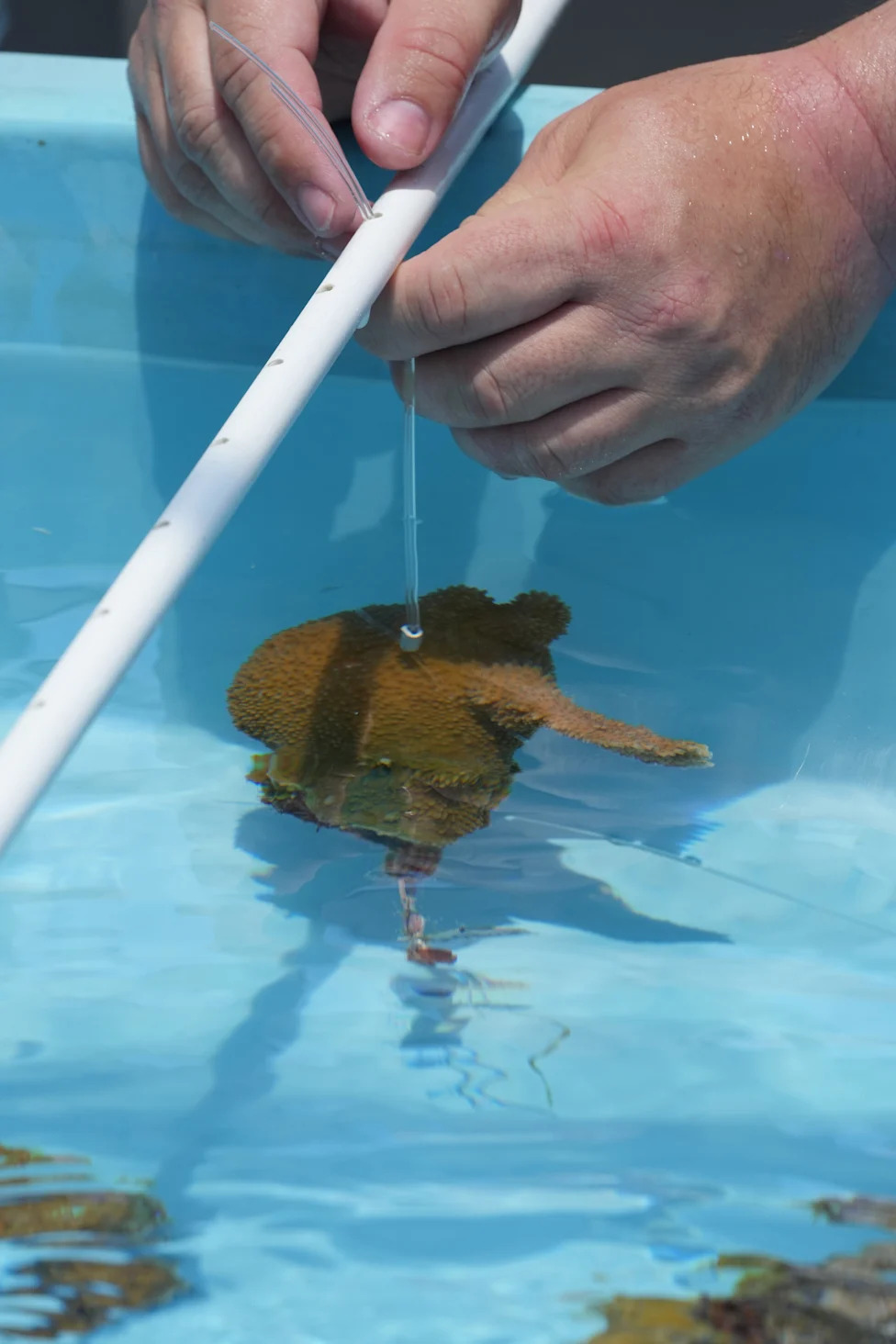
Johnnie Smotrich ties elkhorn coral that was collected from a offshore nursery to a saltwater restoration tank at the University of Miami Rosenstiel School of Marine, Atmospheric, and Earth Science, Wednesday, July 22, 2026, in Key Biscayne, Fla.(AP Photo/Marta Lavandier)(AP Photo/Marta Lavandier)
Protecting Genetic Diversity
The University of Miami exchanges coral stock with other research groups and facilities to preserve as much original genetic diversity as possible across nurseries and hatcheries. "You never know: You may have some that are resistant to disease, some that are resistant to temperature, some that are resistant to acidification," Lirman said. Conserving diverse genotypes increases the chance that future restoration can rebuild resilient reefs.
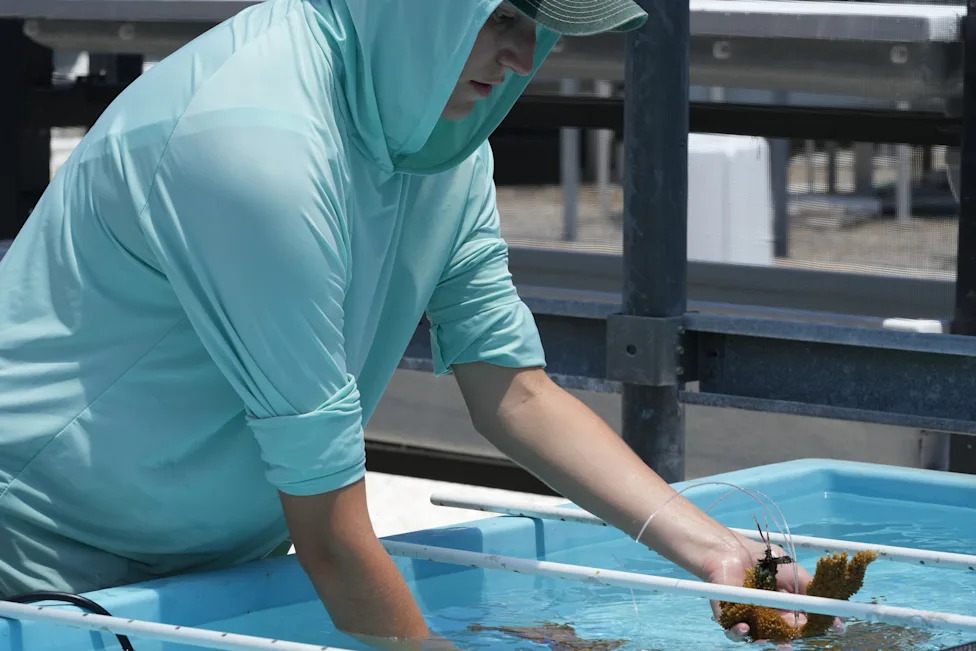
Research associate Julia Cafiero places an elkhorn coral that was collected from a offshore nursery to a saltwater restoration tank at the University of Miami Rosenstiel School of Marine, Atmospheric, and Earth Science, Wednesday, July 22, 2026, in Key Biscayne, Fla. (AP Photo/Marta Lavandier)(AP Photo/Marta Lavandier)
"They seem to be blending into each other and corals are not getting time to recover," Lirman said, describing how repeated heat episodes undermine reef resilience.
Why It Matters
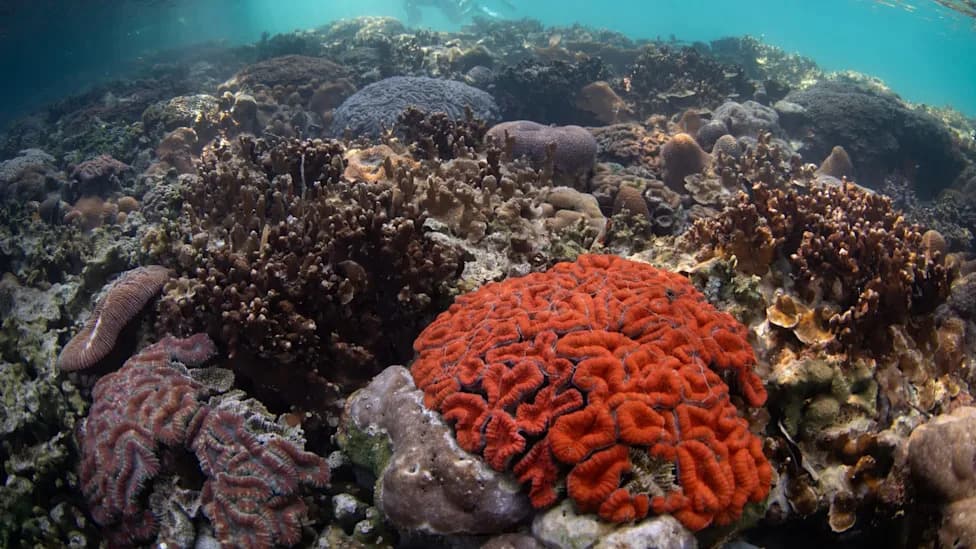
Coral reefs are living ecosystems that underpin seafood production, protect coastlines from storm surge and support tourism. Florida reefs have experienced four mass bleaching events in the past decade, and scientists warn that repeated events threaten the long-term survival of these ecosystems.
Help us improve.