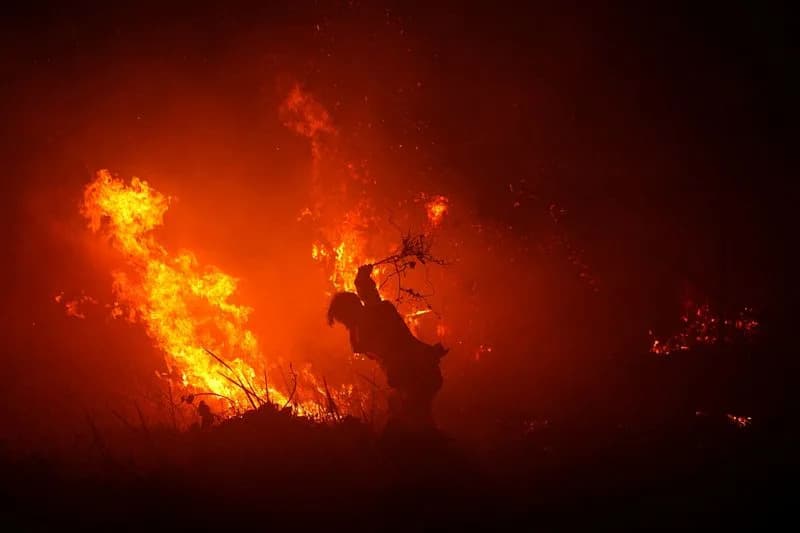
MapBiomas reports the Brazilian Amazon’s burned area fell to about 7.7 million acres (≈3.12 million hectares) last year, the lowest level in at least 40 years, down sharply from 39 million acres the prior year. The decline followed a shift from a severe El Niño-driven drought in 2024 to La Niña rains in 2025, which greatly reduced fires. Analysts warn the improvement may be temporary as a new El Niño develops and urge restoration of native vegetation and better fire management.
Brazilian Amazon Burned Area Falls To Four-Decade Low — But New El Niño Threatens Gains
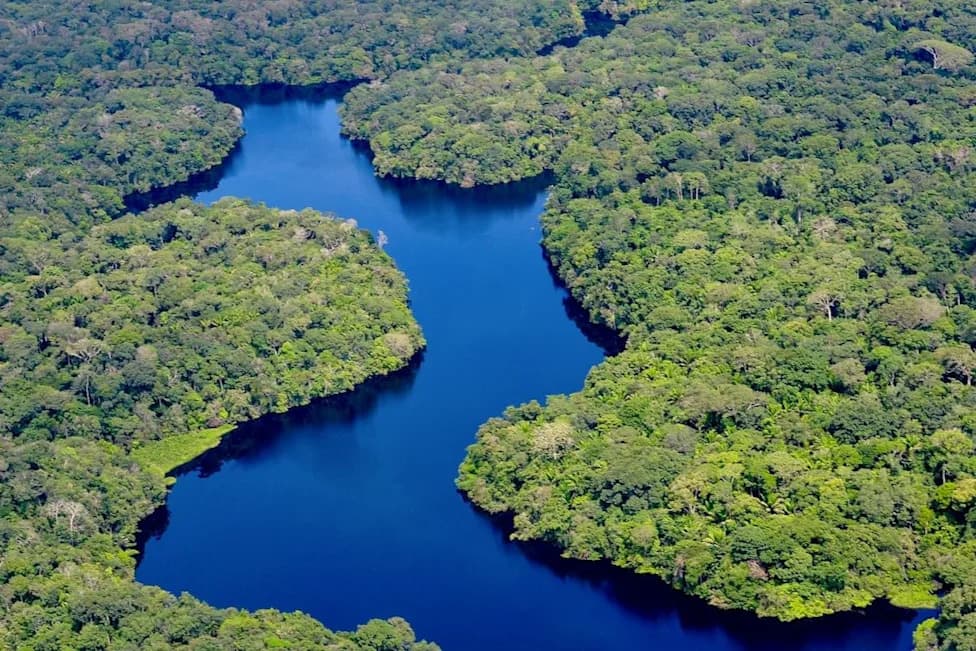
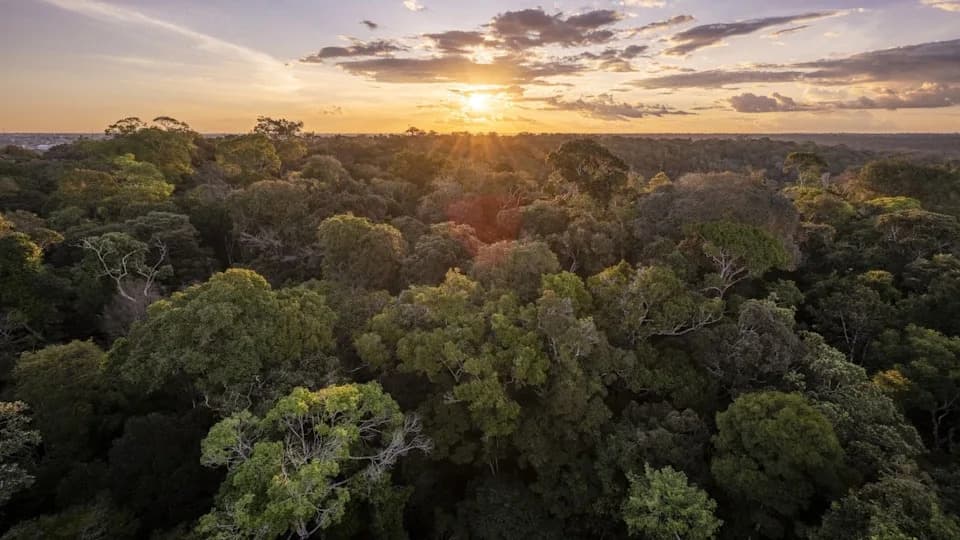
The Amazon rainforest, near Manaus, Brazil. Neil Palmer / CIAT
Last year the area burned across the Brazilian Amazon fell to its lowest level in at least 40 years, according to a new analysis by the environmental monitoring group MapBiomas.
MapBiomas reports about 7.7 million acres burned in the most recent year — roughly 3.12 million hectares — compared with a record 39 million acres (about 15.8 million hectares) the year before. That sharp decline coincided with a shift from a strong El Niño in 2024, which amplified drought, to a cooling La Niña pattern in 2025 that brought heavier rainfall and far fewer fires.
What Happened: From Drought-Fueled Blazes To Rain-Driven Relief
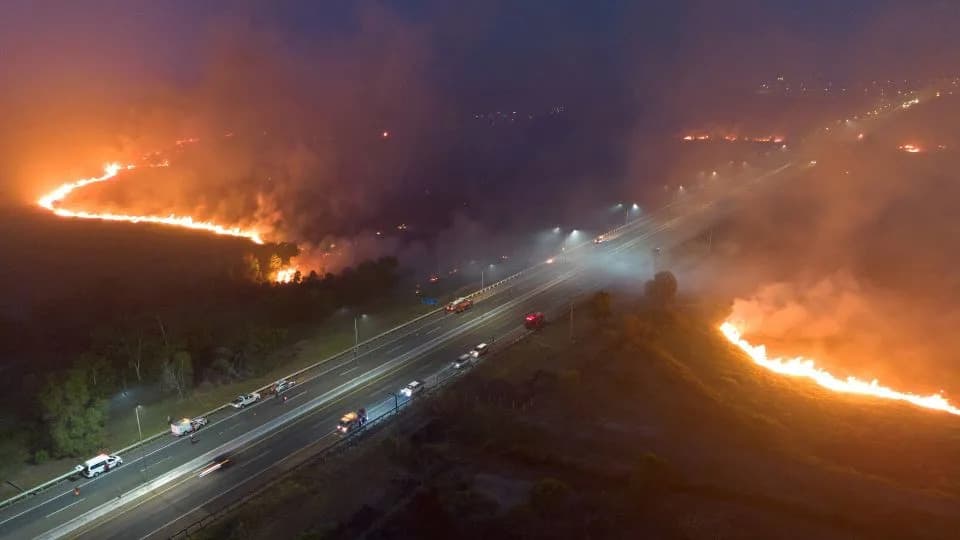
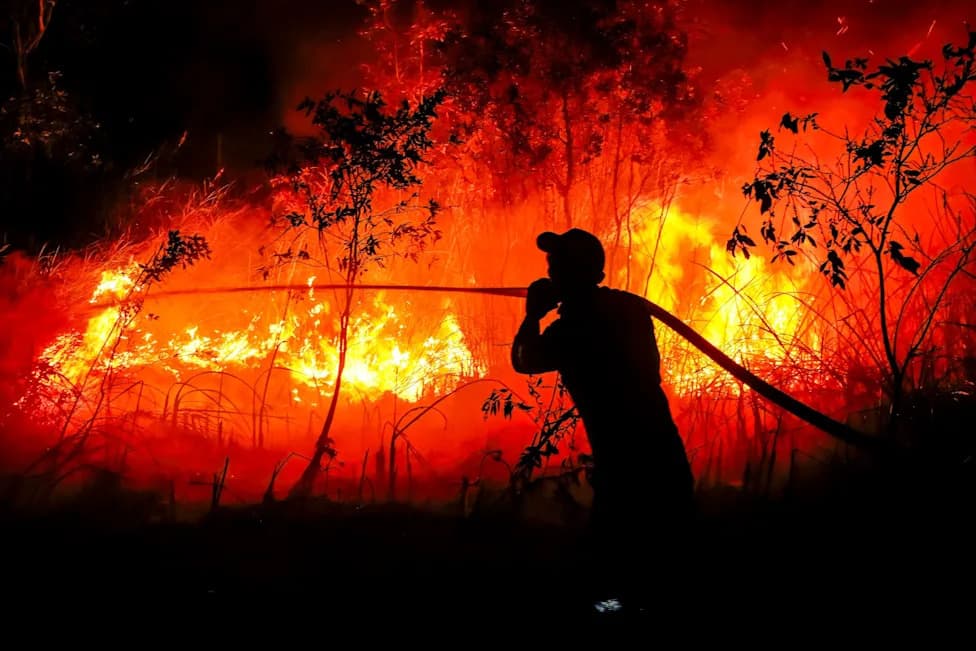
In 2024, El Niño contributed to one of the worst droughts the Amazon has seen in decades. Fires, often started on recently cleared farmland, spread rapidly into adjacent rainforest. Brazilian authorities stepped up enforcement against intentional deforestation, but the extreme dry conditions still produced thousands of fires across the basin.
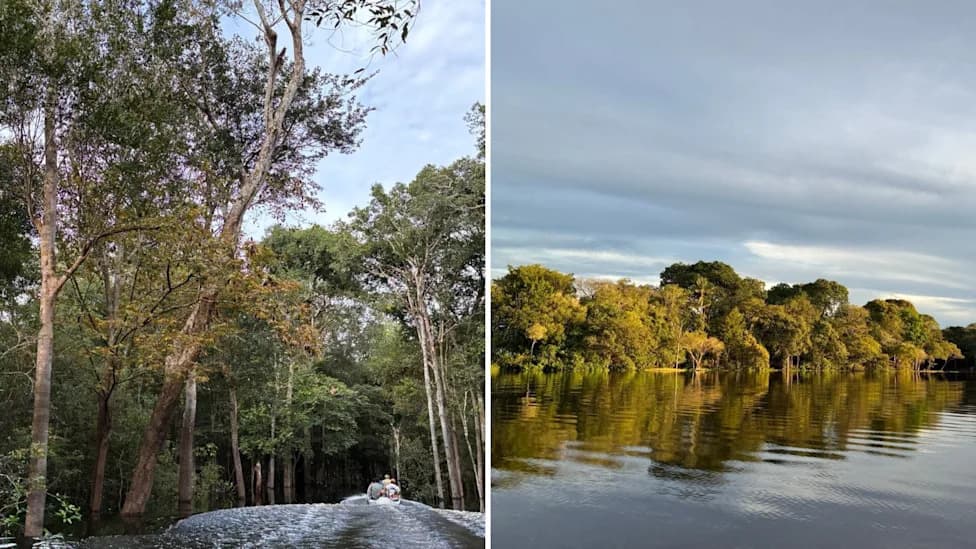
By 2025, La Niña conditions brought increased rainfall to much of the region, and the Amazon experienced the fewest recorded fires in 41 years of monitoring. MapBiomas characterizes the drop in burned area as positive but warns against reading it as a permanent recovery.
Outlook And Policy Options
Analysts note a powerful El Niño is rebuilding in the Pacific, which could return drought risk to the Amazon in the coming year. Preventing future large-scale fire outbreaks will require both enforcement and landscape restoration: replanting native vegetation, restoring degraded pasture and agricultural lands, and improving fire-management practices can reduce fire spread.
Long-term pattern: Since 1985, 64% of land that has burned in Brazil has burned more than once, with most reburning within four years — underscoring the cyclical nature of fire on degraded landscapes.
While recent rains delivered welcome short-term relief, scientists and land managers caution that climate variability and recurring land-use pressures mean the Amazon remains vulnerable. Continued monitoring, restoration, and stronger protections will be essential to reduce the risk of a return to large-scale burning if drought conditions re-emerge.
Help us improve.