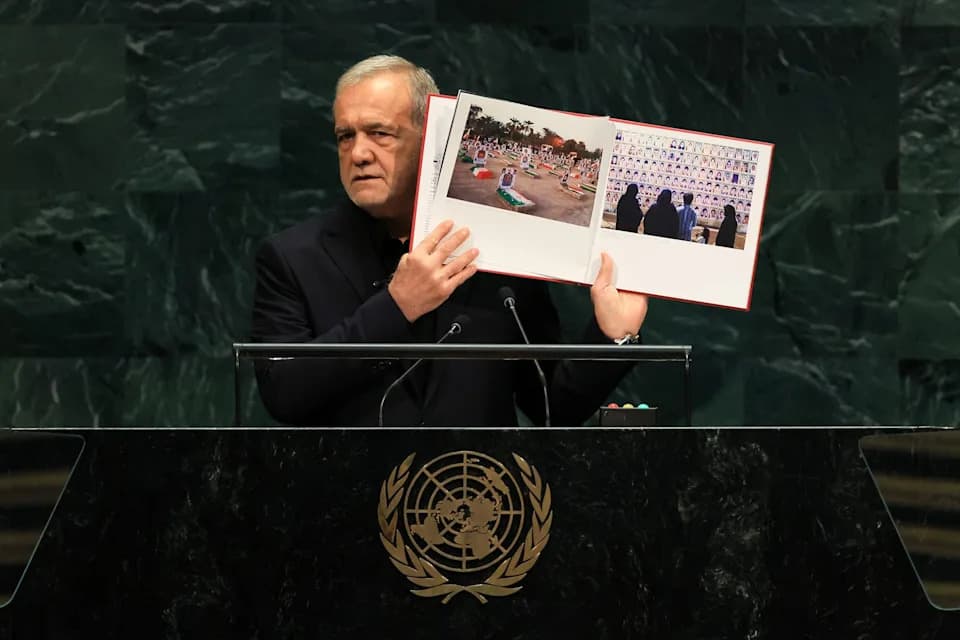
mRNA offers a pragmatic route to an HIV vaccine by enabling rapid design and iterative testing that could shepherd the immune system to produce broadly neutralizing antibodies. However, sharp U.S. funding cuts and policy changes in 2025, an unexpected safety signal (chronic urticaria) in early Moderna trials, and the high bar set by long‑acting preventive drugs have imperiled progress. Philanthropy and international partners have filled some gaps, but researchers warn sustained political and financial support is essential to reach the finish line.
mRNA Brings an HIV Vaccine Within Reach — But Politics and Funding Threaten Progress

An illustrated scientific researcher standing and shining a light on plants within a dark, underground space with a closing skylight.
In January 2025, South African infectious-disease specialist Linda‑Gail Bekker toured a vaccine manufacturing plant and allowed herself a cautious optimism: an HIV vaccine conceived and led by African scientists might finally be possible.
Why HIV Has Been So Hard To Vaccinate Against
HIV has evaded vaccine efforts for four decades. Early on, researchers identified the virus's envelope protein as the logical target, but most immune responses focus on regions of that protein that change rapidly. The rare, powerful defenders known as broadly neutralizing antibodies (bNAbs) — which recognize the virus's conserved vulnerabilities — arise only after years of infection in a small fraction of people. Recreating that long, evolving immune response with a vaccine therefore requires a carefully sequenced series of immunogens rather than a single traditional shot.
Why mRNA Is Seen As A Game Changer
Messenger RNA (mRNA) technology — the platform behind the successful Covid‑19 vaccines — enables rapid design and iteration. Instead of manufacturing protein antigens in cells or eggs, developers send short synthetic RNA instructions that program the body’s own cells to produce the target protein. That makes design changes as quick as editing code, allowing many more clinical iterations in a compressed timeframe. For a pathogen as mutable as HIV, that speed and flexibility are especially valuable.
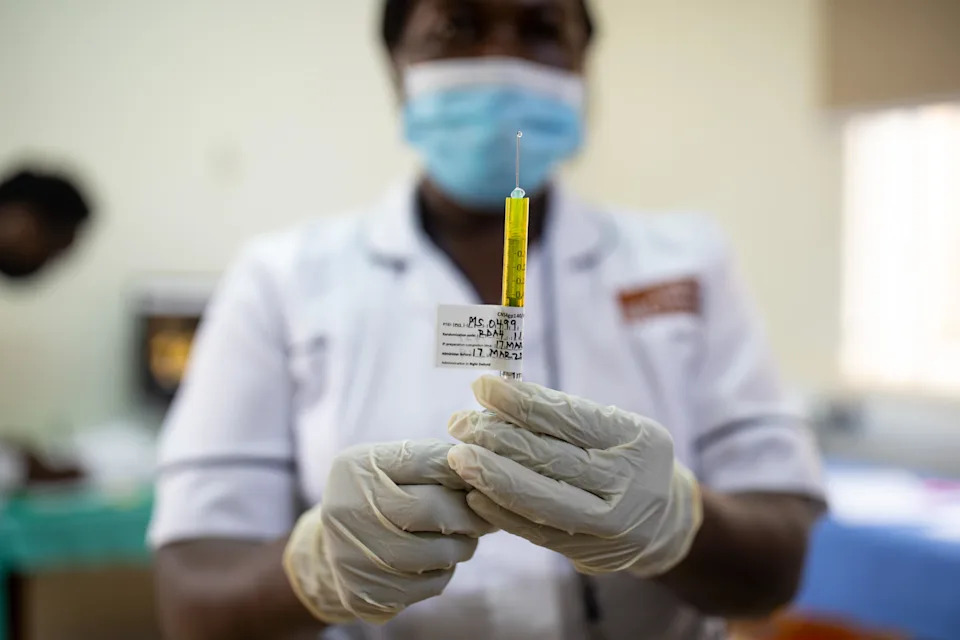
A nurse preparers a trial dose of PrepVacc to inject into a participant in 2022 in Masaka, Uganda, as part of an African-led HIV prevention trial.| Luke Dray/Getty Images
Early Progress And Remaining Scientific Hurdles
Recent laboratory and animal studies have shown it is possible to guide the immune system toward producing bNAbs by administering a planned sequence of vaccine components. A Nature paper in monkeys demonstrated that an eight‑shot regimen could induce potent broadly neutralizing responses — proof of principle, though the regimen is likely impractical as‑is for humans. Researchers now use mRNA to test different sequences, doses, and formulations more quickly to find a practical path to durable protection.
Safety Signals And Clinical Trials
Not all findings have been straightforward. In two separate early human trials of Moderna mRNA candidates encoding parts of the HIV envelope, roughly 1 in 12 participants developed chronic urticaria (persistent hives), sometimes lasting months or years. The reactions appeared with different envelope constructs and have not been observed in Moderna's other mRNA programs, prompting investigation but no definitive explanation. To mitigate risk while continuing development, teams have evaluated lower‑dose regimens; Bekker’s IAVI‑backed G004 trial in South Africa reported no chronic hives at one‑tenth of the original dose and is exploring higher doses to balance safety and immune potency.
Politics, Funding Cuts, And Global Consequences
Scientific momentum has coincided with sharp political and financial disruption. Much of global HIV vaccine research has long relied on U.S. funding. After the 2025 U.S. inauguration, an executive order freezing foreign aid removed a $45 million USAID contract that had been slated to support trials, and NIH programs, including the Consortia for HIV/AIDS Vaccine Development (CHAVD), saw grant terminations and program wind‑downs. Researchers also report policy shifts that curtailed collaborations with some South African institutions. In the view of many scientists and advocates, those moves risk stalling an unusually promising period for HIV vaccine science.
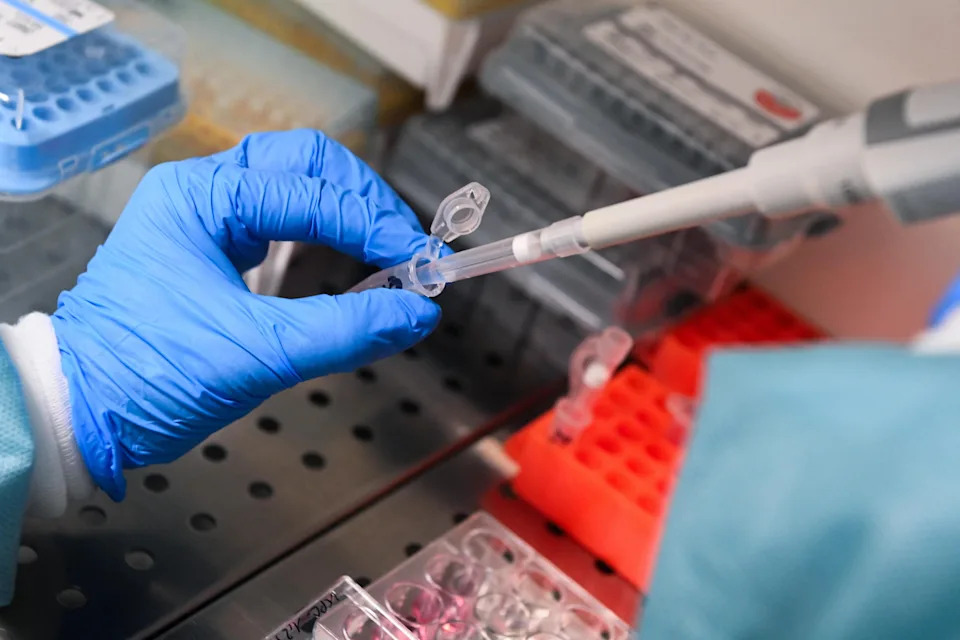
A researcher dilutes mRNA at a lab in Orleans, France. Researchers are working to develop new treatments for numerous diseases using messenger RNA, which became widely known to the public through the vaccines developed against Covid. | Jean-Francois Monier/AFP/Getty Images
Who Is Filling The Gap?
Philanthropies and international partners have stepped in. The Bill & Melinda Gates Foundation remains a major funder of HIV vaccine research (roughly $64 million in 2022 and an estimated $70 million in 2026 across its portfolio), and the South African Medical Research Council provided emergency support to salvage a scaled‑down Africa‑led project. Still, philanthropic and non‑U.S. government funding is modest compared with prior federal investment, and the field’s capacity for serial, rapid iterations remains constrained.
Competition From Long‑Acting Preventives
Another factor raising the bar for a vaccine is the emergence of long‑acting injectable prophylactics that protect people for months. These drugs are a major advance, but delivery, cost, stigma, and clinic access limit their reach in many high‑burden settings. A vaccine that provides years of protection after a few doses would offer distinct public‑health advantages — if it can be developed, tested, and scaled.
The Road Ahead
Scientists describe the moment as disruptive but not fatal. They argue the pieces required for a vaccine strategy are in place: a clearer molecular target, the conceptual roadmap offered by bNAbs, and a platform that can iterate fast enough to pursue the complex, multi‑stage immunization approach HIV demands. The chief threats, they say, are political and financial rather than purely scientific.
“When politics interferes in science, that is the death of scientific progress,” says Bekker, echoing fears that policy choices could delay — or derail — a long‑sought preventive tool that could save millions of lives.
Whether mRNA becomes the licensed vaccine platform or serves primarily as a discovery engine that identifies the right protein designs, many researchers remain cautiously optimistic but warn that sustained funding and international collaboration will be essential to translate promise into impact.
Help us improve.