International health funding fell sharply in 2025, disrupting HIV, TB and malaria programmes; yet many lifesaving services showed resilience. PrEP coverage dropped from 1.4 million to 1.1 million, and over 2 million adolescent girls and young women lost access to essential services. Innovations — including twice-yearly injectable PrEP (lenacapavir), AI-assisted TB X-ray screening and dual-insecticide nets — are helping countries sustain impact. Policymakers must reimagine financing, prioritize high-risk communities and manage donor transitions responsibly.
Progress Against HIV, TB and Malaria Hangs In The Balance After 2025 Funding Cuts
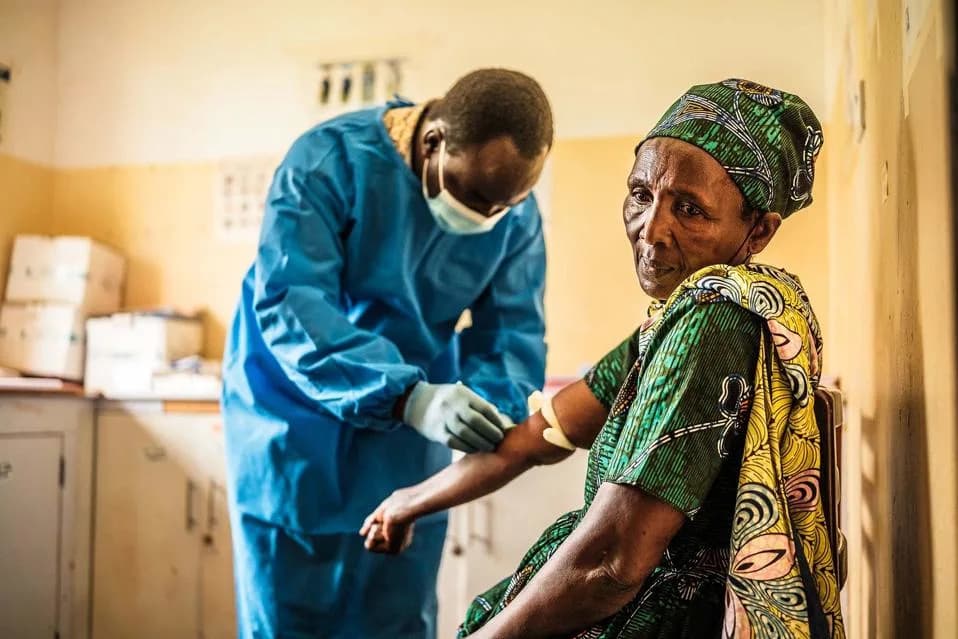
At Wakiso Epicentre Health Center III, Uganda, laboratory technician Stanley Sewa, 36, prepares to draw a blood sample from 65-year-old patient Joyce Nanjala for testing.The Global Fund/Brian Otieno
At Wakiso Epicentre Health Center III in Uganda, laboratory technician Stanley Sewa, 36, prepares to draw blood from 65-year-old Joyce Nanjala for diagnostic testing — a quiet moment that underscores how frontline services sustained care even as international funding plunged in 2025.
Global Funding Shock and Immediate Consequences
In 2025, international financing for global health fell at an unprecedented pace and scale, disrupting programmes aimed at HIV, tuberculosis (TB) and malaria — diseases that still claim millions of lives each year. While the full consequences are still being assessed, a picture has emerged of resilience paired with real setbacks.
Where Services Were Hit
A new report covering more than 100 countries where the Global Fund invests documents concrete losses: the number of people receiving HIV pre-exposure prophylaxis (PrEP) declined from 1.4 million in 2024 to 1.1 million in 2025. More than 2 million adolescent girls and young women lost access to essential health services, increasing vulnerability in a group already at heightened risk of HIV.
TB programmes reported reductions or interruptions to community outreach, contact investigation and active case-finding — all activities essential for early diagnosis, timely treatment and breaking chains of transmission. In some malaria programmes, countries experienced stock-outs of medicines, slower surveillance for drug and insecticide resistance, and delays in prevention campaigns.
Resilience and Trade-Offs
Although these are serious setbacks, the situation could have been worse. Governments increased support where possible, health workers stretched limited supplies and personnel, and programmes prioritized maintaining lifesaving treatment. Those trade-offs typically protected immediate survival but often deferred investments in prevention, workforce training and long-term health systems strengthening.
Innovation Helping Stretch Resources
One positive outcome has been a sharper focus on efficiency and innovation. Advances in prevention, diagnostics and delivery are helping countries sustain impact at lower cost.
- HIV prevention: The rollout of lenacapavir, a twice-yearly injectable PrEP, has begun in Eswatini and Zambia (November 2025) with launches in eight additional African countries. Clinical evidence indicates strong protection, and longer-acting options such as monthly oral alimatravir are also in development.
- TB diagnostics: Artificial intelligence–assisted digital X-ray screening has been introduced in over 20 countries, enabling cost-effective and accurate identification of presumptive TB cases. New near–point-of-care molecular diagnostic devices — deployed in 13 countries so far — lower the cost and time to diagnosis.
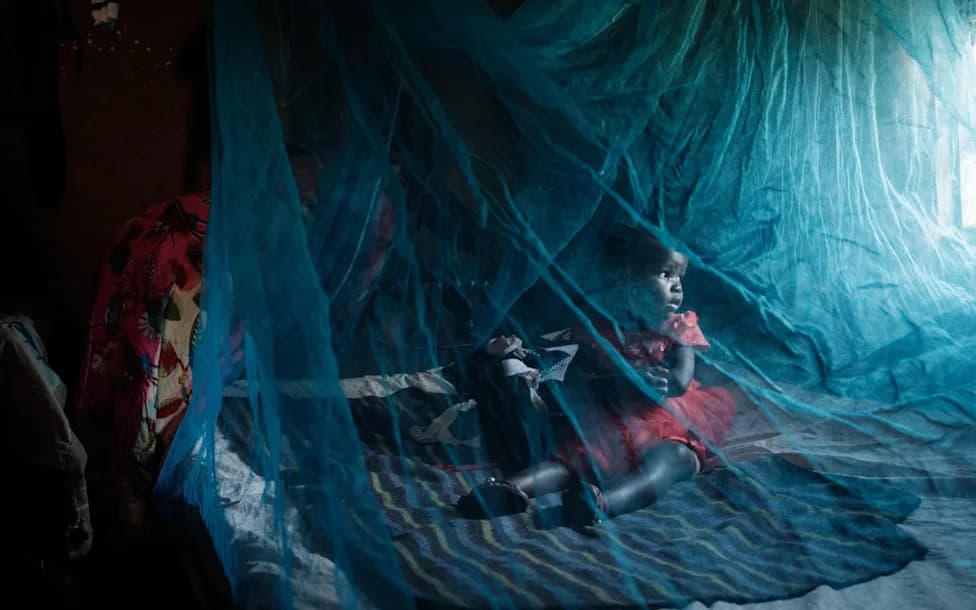
- Malaria prevention: Dual active-ingredient insecticide-treated nets, designed for areas with insecticide resistance, can reduce cases by up to 45% compared with standard nets and now account for 78% of new orders via the Global Fund procurement platform.
Domestic Financing and the Limits of Transition
The funding cuts accelerated efforts to increase domestic health spending and reduce dependence on external aid. While many governments are committed to transition, most countries hardest hit by HIV, TB and malaria have constrained fiscal space and high debt burdens. Rapid transitions without sufficient domestic capacity risk undermining disease control.
What Needs To Change
To adapt to these new realities, the global health ecosystem must be reimagined: close inefficiencies and accountability gaps; direct resources to the highest-risk populations; accelerate innovation; and support responsible transitions that keep communities at the center.
Donors face fiscal and political pressures; countries are contending with debt, conflict, climate shocks and increasing drug resistance. Sustaining progress will require strategic financing, stronger country leadership and a commitment to protect the most vulnerable while scaling cost-effective innovations.
Originally published on Forbes.com.
Help us improve.