The Global Fund is using AI-driven tools — from portable pregnancy scanners to AI-enabled handheld X-rays — to stretch resources and maintain HIV, TB and malaria services amid a $6 billion funding shortfall for 2026–2028. Treatment coverage for HIV and TB has been sustained or improved, but prevention programs such as PrEP and malaria control have suffered, contributing to a rise in malaria deaths in 2024. The Fund aims to raise at least $18 billion at its 2028 replenishment to stabilise and expand services.
Global Fund Deploys AI Tools to Protect HIV, TB and Malaria Services Amid $6bn Aid Shortfall

The Global Fund is deploying AI-driven products to soften the $6 billion funding shortfall - AFP
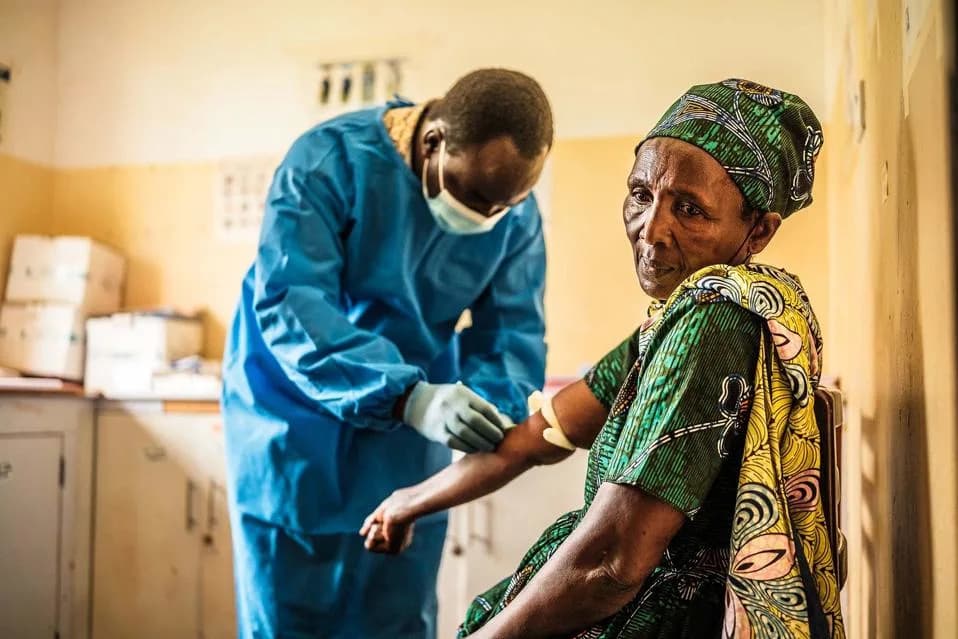
Artificial intelligence is being deployed by the Global Fund to help blunt the impact of recent aid reductions, using innovations such as portable pregnancy scanners and AI-powered handheld X-ray devices to diagnose tuberculosis and support other health services more quickly and cheaply.
Funding Gap Forces Tough Choices
The Global Fund, which raises and channels billions to fight HIV, tuberculosis (TB) and malaria worldwide, has disclosed a $6 billion (about £4.4 billion) shortfall for 2026–2028. Several Western governments have shifted spending priorities from foreign aid to defence; the United Kingdom cut its contribution by 15% last year, reducing its pledge from £1 billion to £850 million.
AI and Innovation Stretch Resources
Peter Sands, the Global Fund's executive director, says technological innovations are helping services remain resilient despite funding pressures. "Innovation is absolutely part of the answer when money is short. One of the few ways you can make the money go further is to have a better tool, a better way of doing things," he told The Telegraph.

AI is revolutionising development in a multitude of ways - AFP
"We have adapted pretty quickly to the changes in the funding environment; it has undoubtedly had negative impacts on health outcomes [...], but in some ways, the resilience of life-saving services has been remarkable." — Peter Sands
One example is rollout of AI-enabled, handheld digital X-ray units that can screen for TB within minutes with greater sensitivity than traditional sputum smear microscopy. Sputum smear tests, still widely used in parts of Africa, miss roughly half of active TB cases and often require patients to return days later for results. The newer, mobile devices can be brought to remote villages, prisons and displacement camps across more than 22 African countries.
Sands noted the cost advantage: while conventional diagnostic equipment can cost thousands of dollars and need lab infrastructure, some newer AI-driven devices can cost in the order of a few hundred dollars and be deployed from vehicles or community clinics, expanding access.
Service Outcomes and Trade-offs
Faced with constrained finances, the Global Fund has prioritised treatment services over some prevention programmes this year. Numbers show mixed progress: 26.9 million people were on antiretroviral therapy (ART) for HIV in 2025, up by 1.3 million, while about 7.4 million people received tuberculosis treatment, roughly unchanged from the previous year. Distribution of insecticide-treated bed nets rose to 196 million from 162 million.
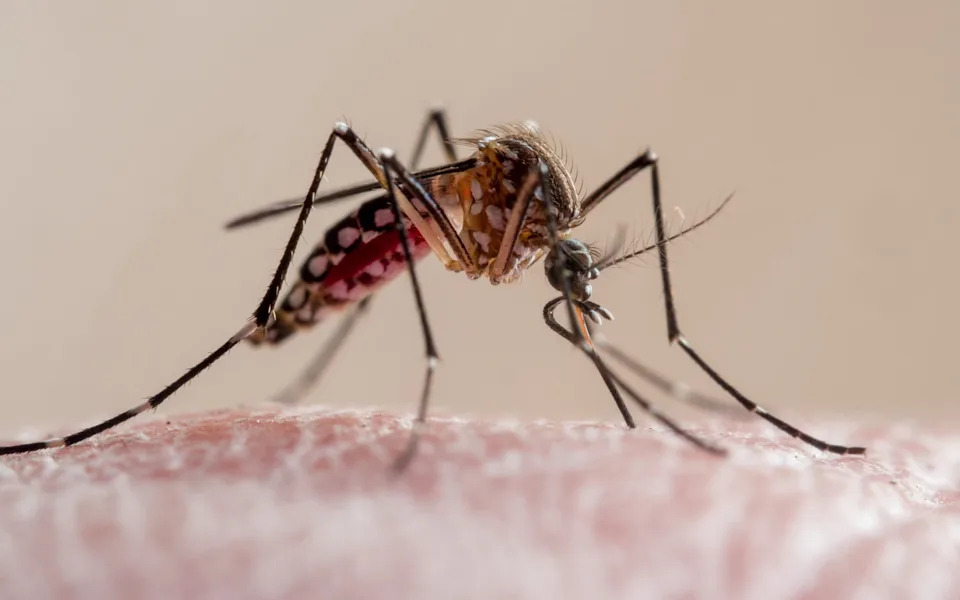
Global malaria deaths rose to 610,000 in 2024 as health organisations warn that funding shortfalls, climate change, and drug resistance are reversing two decades of progress - Moment RF
However, prevention suffered in key areas. Access to pre-exposure prophylaxis (PrEP) in Africa fell by roughly 300,000 people in 2025 (from 1.4 million to 1.1 million). Many countries also reported shortages of essential medicines, including seasonal antimalarials used to protect school-aged children.
Malaria deaths rose to an estimated 610,000 in 2024 (the most recent year of published data), up from 598,000 in 2023. The Global Fund and other health experts attribute the increase to a “perfect storm” of reduced funding, climate change expanding mosquito ranges, and growing drug resistance.
Looking Ahead
The Global Fund estimates it has saved about 72 million lives since 2002 by targeting the three major infectious disease killers, which still cause roughly 2.4 million deaths each year. The organisation plans its next replenishment in 2028 and aims to raise at least $18 billion to sustain and expand programmes.
Philanthropic commitments are also increasing interest in health-focused AI: Microsoft co-founder Bill Gates recently announced a $1 billion investment in AI to “help build and deliver equitable AI that improves health and opportunity.”
While technological advances offer ways to increase efficiency and reach, Global Fund leaders caution that innovation cannot fully substitute for adequate financing. "I wouldn't want people concluding that it's all okay and we can survive with less money," Sands warned.
Help us improve.