Volunteer search and rescue teams in Devon and Cornwall warn that a proposed CQC registration requirement — including a £1,000 fee per team and significant paperwork — could make it impossible for them to continue. Teams say the rule would hit small, charitable, 24/7 volunteer services that stage pre‑emptive event cover and average about 35 call‑outs a year. MPs and local leaders are urging a proportionate, risk‑based approach or exemption to avoid gaps in emergency response. The legal provisions are due to take effect on 7 September 2026, with assessments from 6 December 2027.
New CQC Registration Could Force Volunteer Search And Rescue Teams To Stop, Leaders Warn
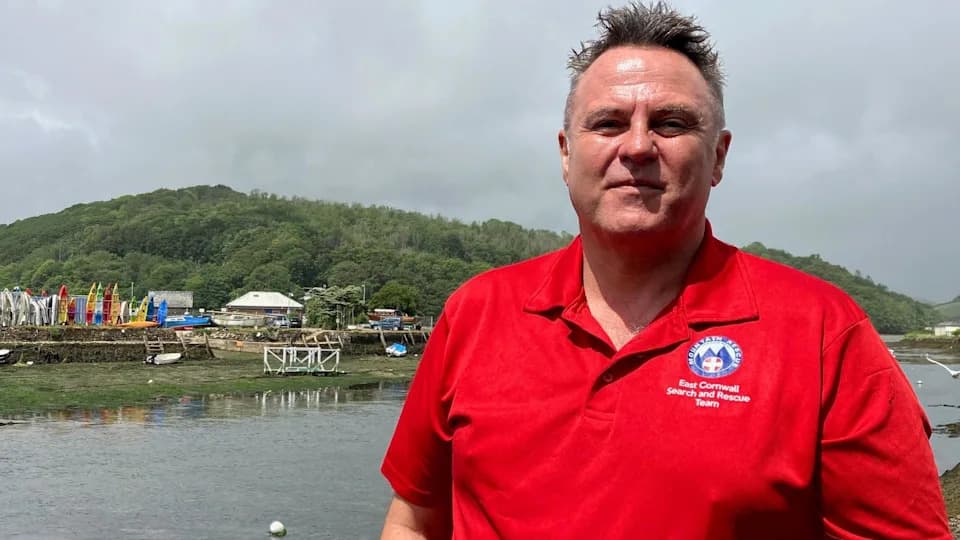
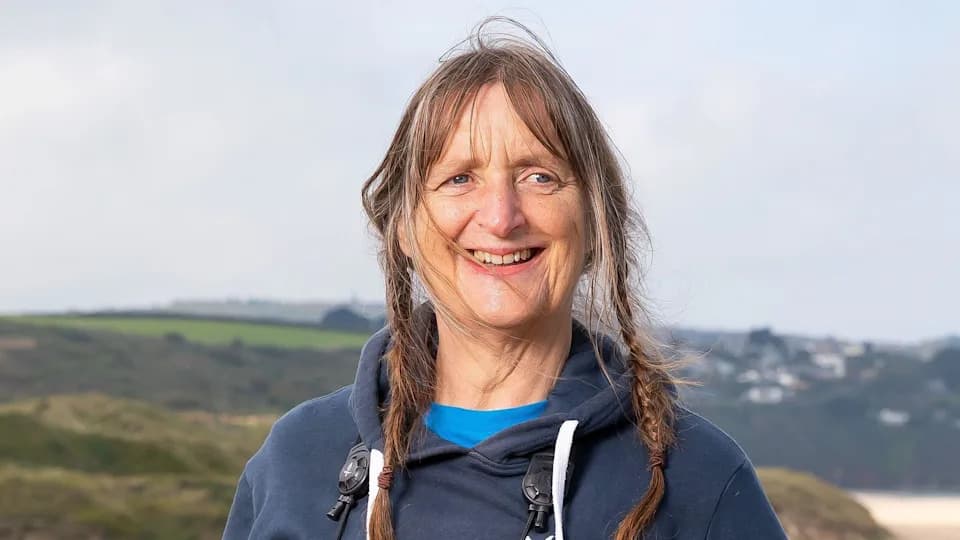
Dr Bruce Hughes said he hoped common sense would prevail [BBC]
Voluntary search and rescue (SAR) teams in Devon and Cornwall have warned that a proposed change to health regulation could make it impossible for them to continue providing life‑saving services. The change — an amendment to the Health and Social Care Act 2008 prompted by the Manchester Arena Inquiry — would require organisations delivering healthcare at events to register with the Care Quality Commission (CQC).
What The Proposal Would Require
Local SAR groups say the proposed requirements include a £1,000 registration fee per team and a significant administrative burden, which small, charitable, volunteer‑run organisations are ill-equipped to meet. Teams affected locally include those operating on Dartmoor and Exmoor, Cornwall's two independent teams and the Devon Cave Rescue Organisation.
Voices From The Teams
Dr Bruce Hughes, team doctor for East Cornwall Search and Rescue, said:
"Registration with the CQC would be a terrible thing for us to have to do because we just don't have the infrastructure and resources to be able to comply with that. We're volunteer‑run, charitably funded and provide a 24/7 emergency response — if we don't go, there's nobody else to go."
Dr Ben Morris, medical officer for North Dartmoor Search and Rescue, warned:
"CQC registration would be a massive cost for us to fundraise against and could prevent us supporting local events that help generate income. We were hoping for a proportionate, risk‑based response rather than a one‑size‑fits‑all approach."
Paula Holbrook, chair of Peninsula Search and Rescue, added:
"If registering is too difficult or complex, we won't be on hand as we have been; we may have to wait for a 999 call before attending, which would increase response times in remote areas."
Operational Impact And Context
Teams point out they operate 24/7 and often stage pre‑emptive coverage at events and popular locations to cut response times — the East Cornwall team averages roughly 35 call‑outs a year. The Maritime and Coastguard Agency has confirmed that HM Coastguard teams would be exempt from the new requirement, but voluntary SAR teams would not.
North Cornwall MP Ben Maguire has raised the issue in Parliament, urging ministers to remove unnecessary bureaucracy and to consider a cross‑party discussion with the health minister to highlight unintended consequences for voluntary emergency services.
Timeline And Next Steps
The Department of Health and Social Care says the amendment is intended to strengthen oversight and protect public safety. The CQC closed a consultation on the proposed changes in June and said it will publish the results. The legal provisions allowing registration are due to come into force on 7 September 2026, with the regulation used for regulatory assessment from 6 December 2027. There will be a 15‑month window for providers to apply to register before enforcement begins.
The CQC also said that any decision to exempt search and rescue teams would need to come from the Department of Health and may require a legislative change. Local leaders are calling for clarity and a proportionate, risk‑based approach that recognises the volunteer nature, charitable funding and operational realities of small SAR teams in remote environments.
Local SAR groups warn that without changes some services that reduce response times and provide event cover could cease to exist, potentially creating gaps in emergency provision.
Help us improve.