The RNLI has warned that supporter data may have been compromised after a cyber‑attack on Beacon CRM, a supplier used by many charities. The alert follows sustained online and physical abuse of volunteers who helped rescue 120 people from a dinghy in the English Channel, prompting temporary service suspensions in Portsmouth. Experts warn leaked records could enable doxxing and be amplified by extremist or foreign actors, while ministers pledge legal changes to make doxxing a clearer offence. The RNLI says there is no evidence of misuse so far but urges vigilance and reporting of threats.
RNLI Warns Volunteer Data May Have Been Stolen As Far‑Right Abuse Escalates
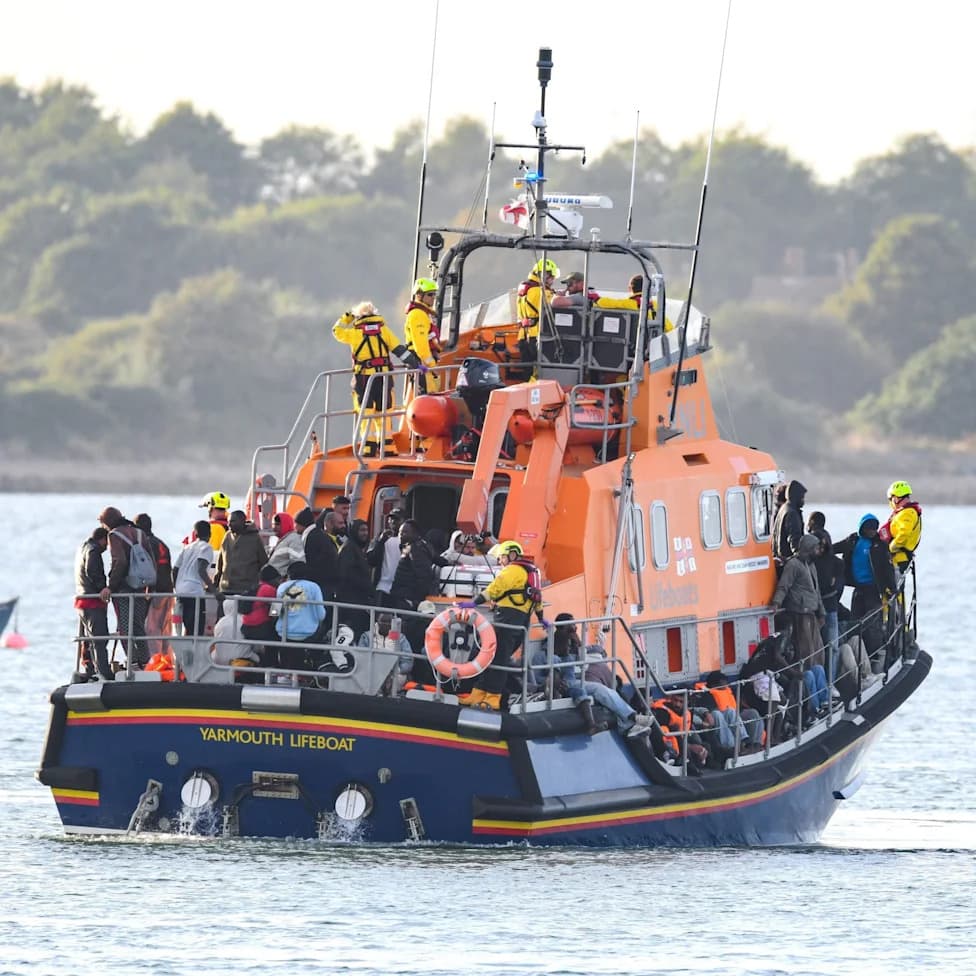
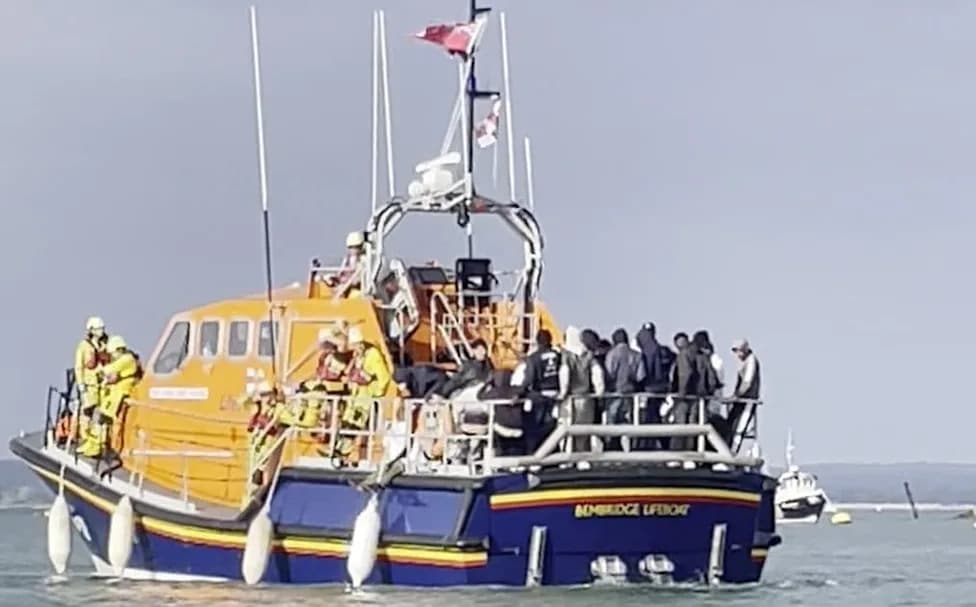
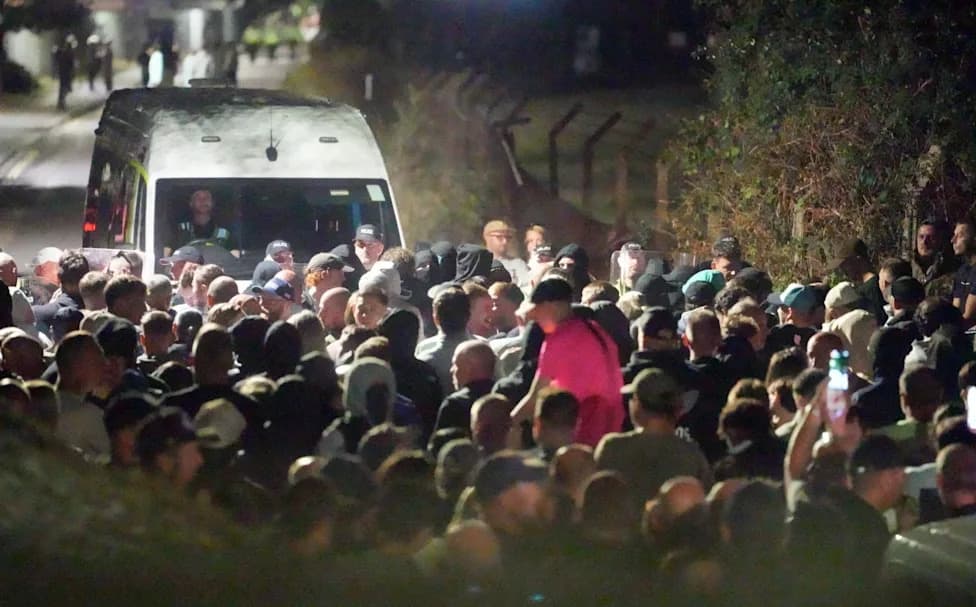
The RNLI has suspended its services in Portsmouth after its staff were subjected to relentless abuse and branded 'traitors' by anti-migrant protesters - Paul Jacobs/pictureexclusive.com
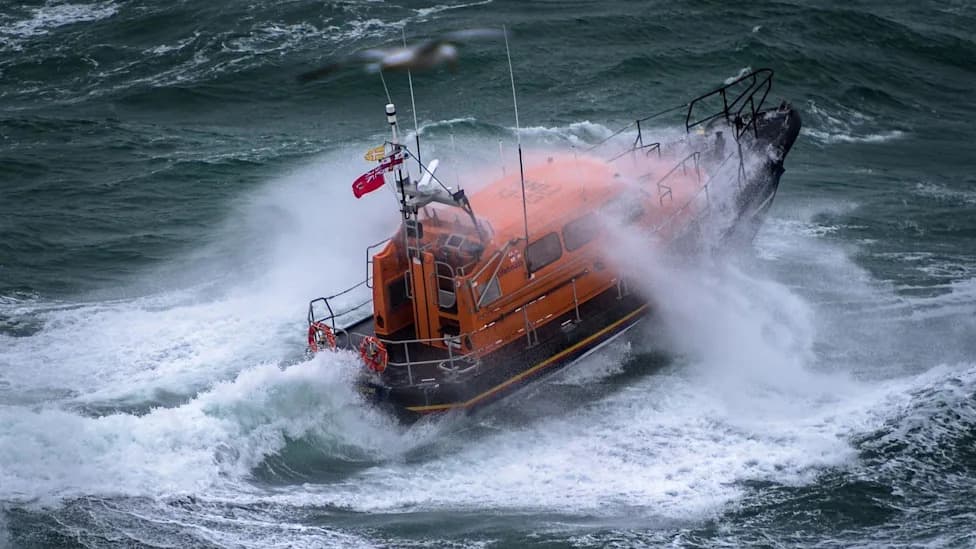
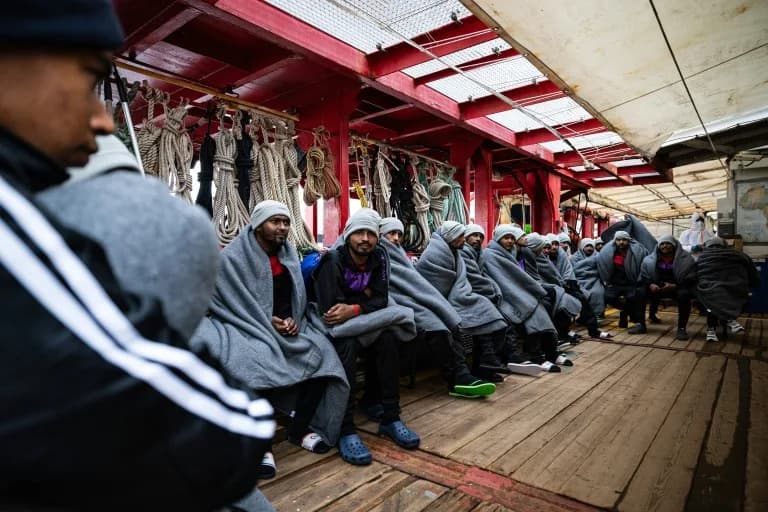
The Royal National Lifeboat Institution (RNLI) has warned supporters that their personal data may have been compromised following a cyber‑attack on Beacon CRM, a third‑party supplier used by many charities. The warning comes amid heightened threats and harassment aimed at volunteers after the charity rescued 120 people from a dinghy in the English Channel earlier this month.
In a letter sent with the autumn edition of its Lifeboat magazine, the RNLI said supporters should assume that names, contact details and records of interactions could have been accessed after a breach at Beacon CRM. The supplier told clients last month that data on its systems may have been taken in a cyber‑attack that affected around 1,500 charities in late July.

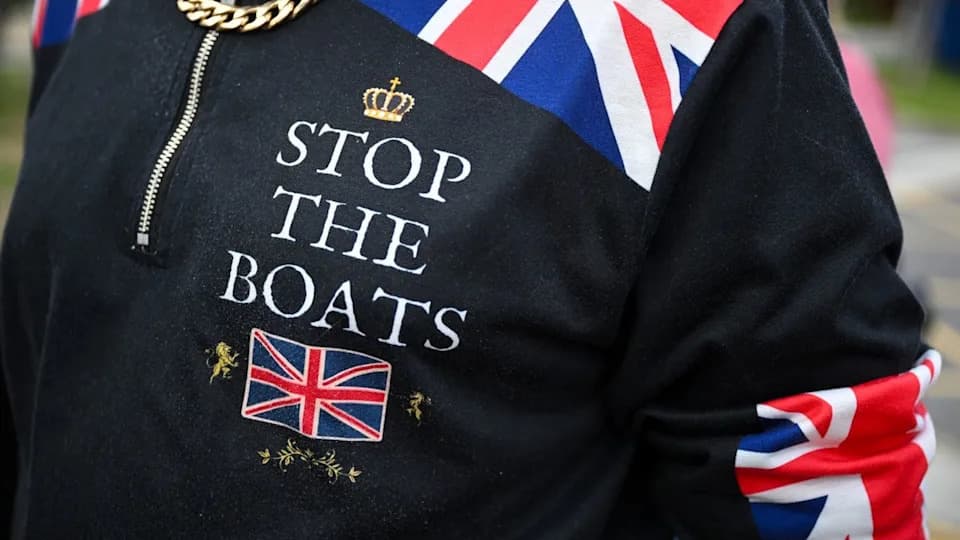
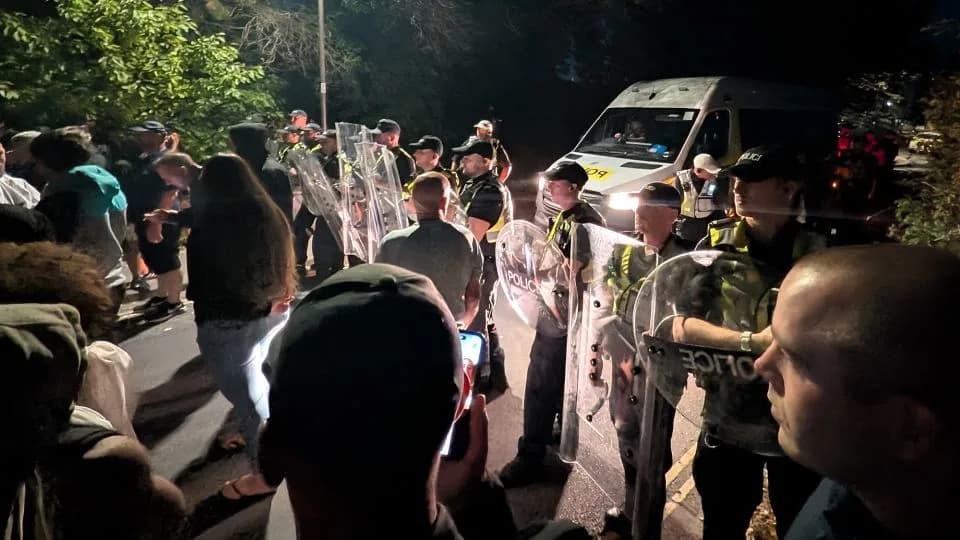
Demonstrators participate in an anti-migrant protest in Portsmouth's Guildhall Square last week - Guy Smallman/Guy Smallman
A spokesman for the RNLI said Beacon CRM could not confirm precisely which records were copied or downloaded, and advised all affected organisations to treat their data as compromised. The charity emphasised that, to date, it has "no evidence that information relating to RNLI supporters has been published, shared online or otherwise misused."
RNLI chief executive Peter Sparkes condemned the sustained abuse of volunteers as "wholly unacceptable in civilised society," stressing that the charity saves lives at sea regardless of who is rescued. In Portsmouth, where volunteers were labelled "traitors" by anti‑migrant protesters, the RNLI temporarily suspended some services after staff faced relentless harassment.
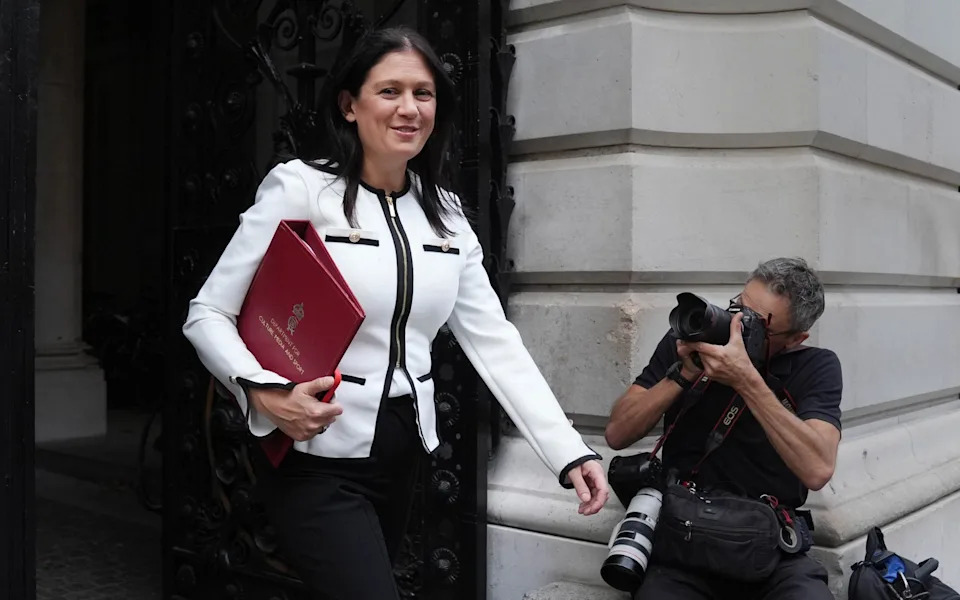
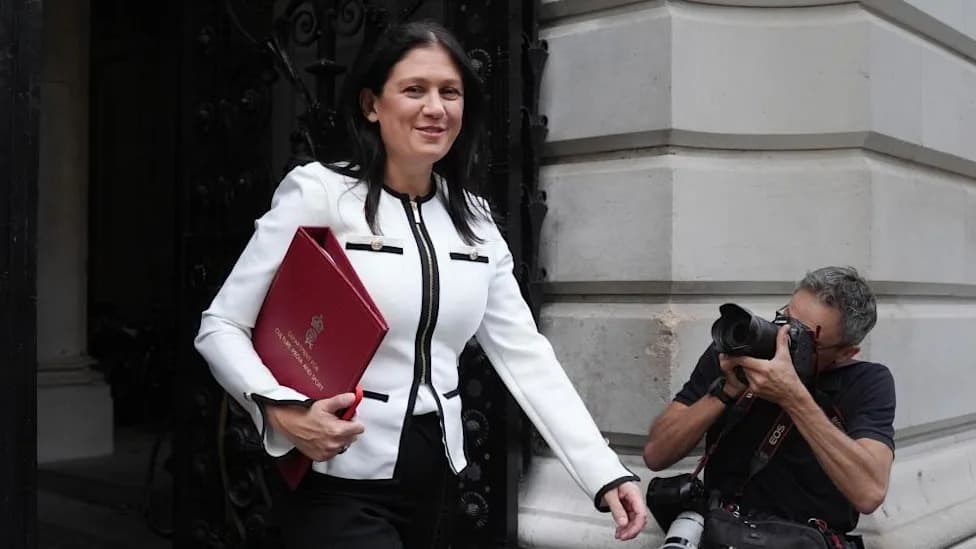
Lisa Nandy, the Culture Secretary, has vowed to 'tighten up the law' to make doxxing a criminal offence - Gareth Fuller/PA
"We work to save lives at sea irrespective of whose they are," Sparkes said, underlining the charity's impartial lifesaving role.
Experts warn that leaked membership records could enable doxxing — the publication of private addresses or details online — and could be exploited or amplified by far‑Right groups and hostile actors. Dr William Allchorn, a senior research fellow at Anglia Ruskin University's International Policing and Public Protection Research Institute, said that in an environment of heightened animosity these records could be valuable to extremists and potentially magnified by foreign disinformation networks.
Jake Moore, a global cyber‑security adviser at ESET, urged volunteers to remain vigilant. "Publishing someone's name, photograph and home address can quickly turn online intimidation into a physical risk," he said, adding that automated tools can aggregate online information to build detailed profiles. He advised those targeted to report threats to the police and request takedowns where possible.
Labour MP Jon Trickett called for police to investigate what he described as an organised campaign of intimidation. Culture Secretary Lisa Nandy said she was "appalled" by the doxxing of volunteers and has promised to "tighten up the law" so that publishing people's home addresses online is clearly an offence. Currently the conduct is criminal only when it can be shown the publisher intended to cause fear, alarm or distress.
The RNLI has asked volunteers to remove identifying badges while in public and reiterated that Channel rescues make up a small proportion of its work: last year 109 of its 9,058 lifeboat launches — about 1.2% — were for people described as "in distress in the Channel." The charity continues to monitor the situation and urges supporters to report any threats to law enforcement.
Help us improve.