Venetucci Farms in Fountain, Colorado, stopped growing vegetables after 2016 tests found PFAS contamination tied to firefighting foam from Peterson Air Force Base. The Pikes Peak Real Estate Foundation leased 15 acres to Gather Mountain Blooms, which has planted about two acres of cut flowers as a non-food alternative. The Air Force funded a $9 million water treatment plant in 2023, but PFAS persistence continues to limit safe uses of the land.
Forever Chemicals End Vegetable Harvests at Historic Venetucci Farm — Flowers Provide a Fragile Comeback
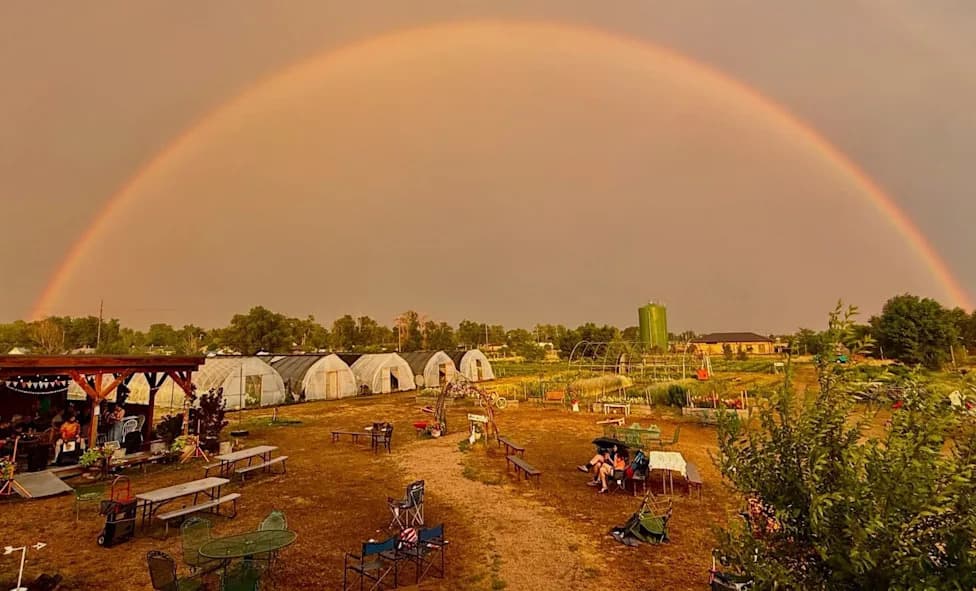
Photo Credit: Gather Mountain Blooms
Sections of the historic Venetucci Farms in Fountain, Colorado, once known for fresh vegetables and community events, have been repurposed after tests found persistent PFAS contamination linked to firefighting foam from nearby Peterson Air Force Base.
In 2016, sampling discovered PFAS in the farm’s soil, crops, and Fountain’s drinking water, and regulators ordered the property to stop producing food for consumption. The Pikes Peak Real Estate Foundation, which bought the land from Nick Venetucci in 2004 and had preserved local traditions like an annual pumpkin giveaway, has since sought safe ways to keep the site active and connected to the community.
After years of studies and outreach, a new tenant emerged. The foundation leased 15 acres to Gather Mountain Blooms; roughly two acres are now devoted to cut flowers and u-pick bouquets. Co-owner Nikki McComsey — along with her sister Abby Remacle and an all-woman crew — launched the flower operation in 2020. They also run a weekly summer "Music and Blooms" series to invite neighbors back onto the land.
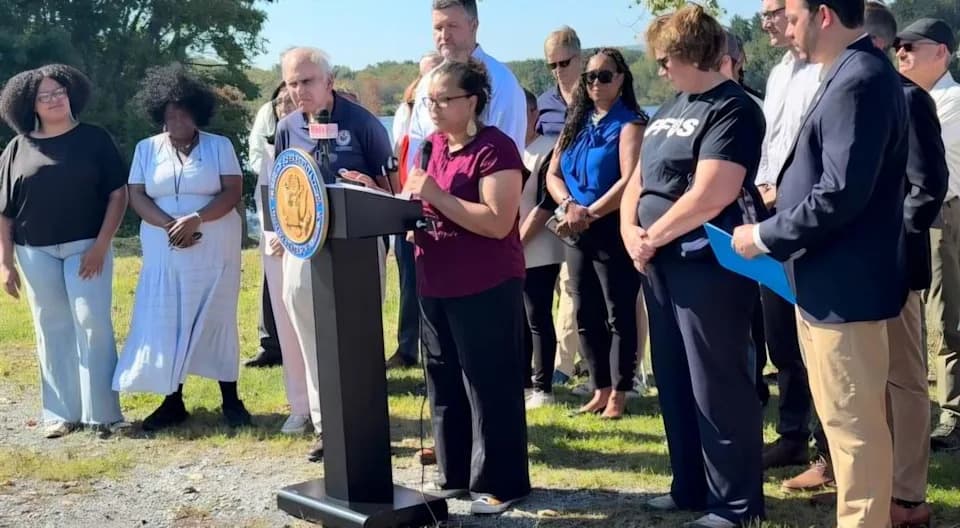
"People found out their drinking water was contaminated. That's a really bad day," said Samuel Clark, executive director of the Pikes Peak Real Estate Foundation.
PFAS (per- and polyfluoroalkyl substances), often called "forever chemicals," resist breakdown in the environment and the body, which leaves contaminated land limited in how it can be used safely. At Venetucci Farms, testing even found PFAS in chicken eggs, effectively ruling out traditional vegetable production and livestock as realistic options.
Flowers offer a non-food use that lets the farm remain active without directly producing contaminated foodstuffs. As McComsey put it: "To be able to really focus in on cut flowers allows us to really refine who we are and become experts at what we do."
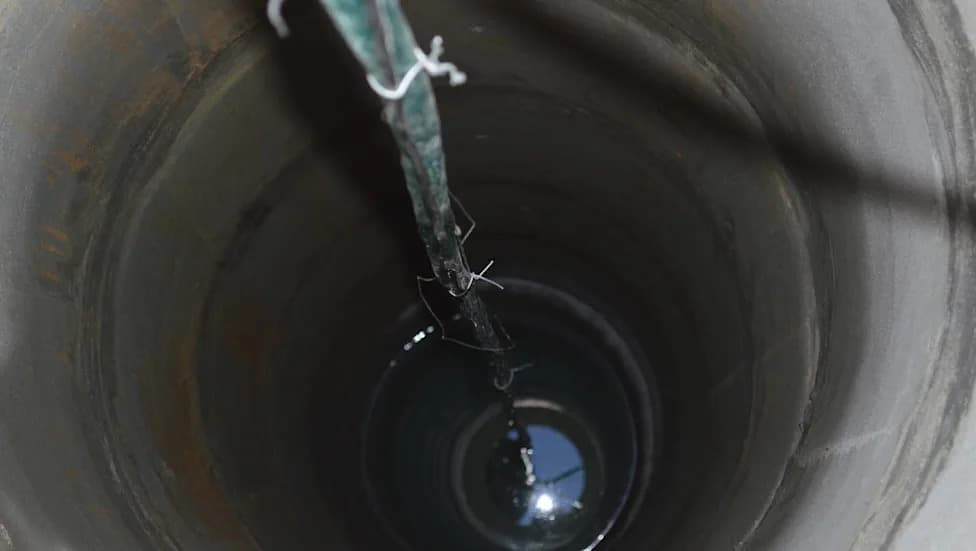
The U.S. Air Force has invested in mitigation infrastructure: in 2023 it funded a $9 million water treatment plant intended to remove PFAS from the local water supply. Still, remediation is complex, costly and long-term, and residents face ongoing uncertainty about health risks and land use.
This issue is not unique to Colorado. Other regions, including parts of Maine, have seen farms affected by PFAS-laced sludge and contamination, forcing operations to shut down and prompting long-term health concerns among families.
What Comes Next
Venetucci’s shift from vegetables to flowers underscores both the persistence of PFAS and the adaptive responses communities pursue: creative reuse that sustains local ties while the slow work of testing, treatment and policy continues.
Help us improve.