The Pentagon announced another round of postponements to PFAS cleanup schedules at hundreds of military sites, prompting concern from communities and lawmakers. A USA TODAY analysis shows nearly 1,250 timeline changes in five years, with Air National Guard bases seeing the longest delays — often decades. Local residents in places such as Newburgh, New York, say extended timelines leave future generations exposed and demand faster cleanup and clearer communication.
Pentagon Again Delays PFAS Cleanups, Leaving Communities to Wait Decades
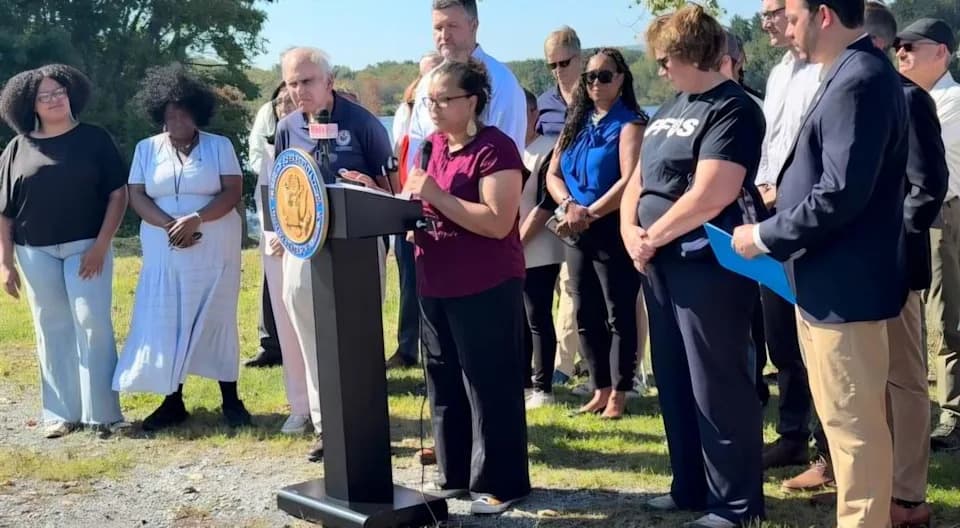
Jennifer Rawlison (center) speaks on Sept. 4 near Stewart Air National Guard Base in Newburgh, N.Y. She joined U.S. Rep. Pat Ryan (D-N.Y.) and other clean water advocates to protest the Pentagon's new delays in cleaning up 'forever chemicals' from the city's reservoir.
Residents near military bases across the United States are facing fresh postponements to PFAS cleanup work after the Pentagon updated timelines for hundreds of sites. Communities that expected remediation within years may now wait decades, prompting protests, congressional scrutiny and renewed concerns about long-term health risks.
What Happened
On Sept. 2, the Department of Defense announced another round of schedule changes for PFAS — perfluoroalkyl and polyfluoroalkyl substances — remediation at hundreds of military properties. A USA TODAY analysis of recently updated Defense Department records found nearly 1,250 timeline revisions over the past five years, many of them repeated adjustments to the same sites.
Why Timelines Are Shifting
The Pentagon says the changes reflect evolving PFAS science, newly stringent Environmental Protection Agency drinking-water standards issued in 2024, and prioritization of limited resources to address the most hazardous sites first. The department also updated its public PFAS webpage to describe frequent timeline revisions as a routine part of the multi-step Superfund cleanup process.
Disproportionate Impact On Air National Guard Bases
Delays have affected installations across all branches, but Air National Guard bases show the longest slippages — on average more than 30 years past their initial target dates. Many of these bases sit next to major civilian airports. Of the 40 Air National Guard locations listed as delayed, every one has been pushed back repeatedly in the Pentagon's last three timeline refreshes.
For example, a cleanup milestone originally expected last year at the Peoria, Illinois, Air National Guard base is now scheduled for 2065 after successive updates added six, then 15, then 19 years — cumulatively moving the deadline about four decades beyond the original target.
Community Consequences: Newburgh, New York
Some communities say the Pentagon's explanations offer little comfort. In Newburgh, New York, firefighting foam from Stewart Air National Guard Base contaminated Washington Lake, the city's reservoir, prompting the state to fund a temporary aqueduct connection for drinking water in 2016. That emergency fix protected public health but did not remove contamination from the reservoir.
The reservoir was a thriving, fully functional resource that was ours autonomously for over 100 years, and we should be able to exist that way again, said Jennifer Rawlison, a lifelong Newburgh resident and clean-water advocate.
After recent Pentagon schedule changes, Newburgh's cleanup milestone originally set for September 2026 was moved to 2051. Residents and local leaders, including Congressman Pat Ryan, have protested the delays and called for faster action and clearer communication from military officials.
Transparency And Trust Issues
USA TODAY reported that the Pentagon had previously recorded timeline updates on a chart buried behind a link on its website, a practice that drew criticism from lawmakers who said it undermined trust with surrounding communities. The department has begun notifying members of Congress directly and has revised its public materials to better explain the reasons for schedule changes.
What Comes Next
Officials say prioritization and evolving standards will continue to influence cleanup schedules. Meanwhile, affected communities are demanding accountability, faster remediation and more transparent, proactive communication about timelines and health risks.
Note: This article is based on reporting by USA TODAY and Defense Department updates; affected dates and counts reflect the department's recent timeline revisions.
Help us improve.