Aquaculture reached a historic milestone in 2024 when farmed aquatic-animal production topped 103 million tonnes, helping global fisheries and aquaculture hit 235 million tonnes. Aquaculture now supplies about 53% of aquatic-animal production, but output is heavily concentrated in Asia and per-capita availability remains low in regions such as Africa. Rising trade and employment underline the sector’s economic importance, while sustainability concerns and climate risks mean future growth must be managed carefully.
Farmed Seafood Tops 100 Million Tonnes in 2024 — A Turning Point for Global Protein
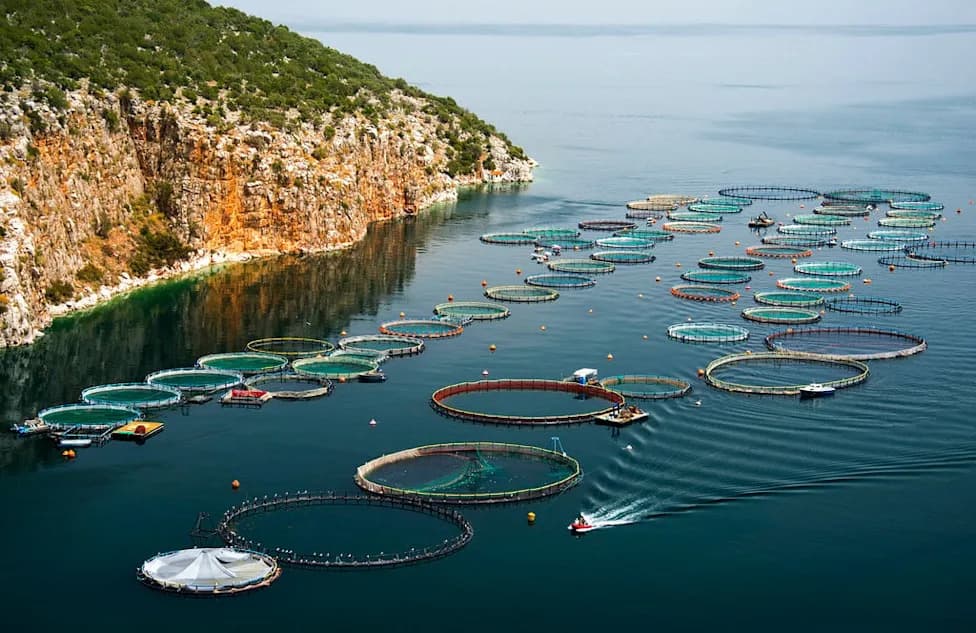
Image credits: Flickr
For the first time in recorded history, aquaculture produced more than 100 million tonnes of aquatic animals in a single year. According to the United Nations Food and Agriculture Organization (FAO), aquaculture aquatic-animal production reached 103 million tonnes in 2024, a milestone that underscores how farming has become central to the world's seafood supply.
What the Numbers Mean
The FAO set out these findings in its State of World Fisheries and Aquaculture 2026 report, released at the 11th Our Ocean Conference in Mombasa, Kenya. Combined fisheries and aquaculture production hit a record 235 million tonnes in 2024, of which 195 million tonnes were aquatic animals. Aquaculture now supplies roughly 53% of total aquatic-animal production and over 59% of aquatic-animal food supply.
How We Got Here
The rise of aquaculture is the result of steady expansion over decades — from inland carp ponds and freshwater cages to coastal and offshore farms. While capture fisheries have been essentially flat (around 86–94 million tonnes since the late 1980s, and 92 million tonnes in 2024), aquaculture has supplied nearly all of the sector’s recent growth.
Regional Concentration and Diversity
Production remains highly concentrated in Asia, which accounts for about 89% of farmed aquatic-animal output and roughly 92% of total aquaculture volume. China remains the largest producer; China, Indonesia, India, Vietnam and Bangladesh together contribute about 82% of global output. Yet the sector is expanding geographically: 47 countries now produce more through aquaculture than through capture fisheries.
Aquaculture today is diverse in species and systems — from carp ponds in inland China and tilapia farms across Africa to salmon cages in Norway and shrimp farms in Latin America. By species group, finfish led recent growth (4.5 million tonnes, about 56.4% of new expansion), followed by crustaceans (1.6 million tonnes, 19.7%) and mollusks (1.5 million tonnes, 19.4%). Marine and coastal aquaculture produced 38 million tonnes in 2024, reflecting growing use of coastal and offshore spaces.
Economic and Human Impact
Aquatic-animal trade reached a record value of $184 billion in 2024, and export value has climbed dramatically since the 1970s—more than twenty-threefold in nominal terms between 1976 and 2024. The fisheries and aquaculture sector supports an estimated 600+ million livelihoods (including subsistence and secondary workers and dependents) and directly employs about 65 million people. More than 40% of people rely on aquatic foods for at least 20% of their animal-protein intake.
Uneven Benefits and Environmental Concerns
Despite the gains, benefits are unevenly distributed. Per-capita aquatic-animal availability averaged about 21.3 kg in 2024, but regional differences are large — roughly 26.3 kg in Asia versus just 9.1 kg in Africa. FAO Director Manuel Barange has emphasized this imbalance: most aquaculture production remains concentrated in Asia, while Africa accounts for only a small share.
Meanwhile, wild fisheries face sustainability challenges: the share of marine fishery stocks fished within biologically sustainable levels fell to 62.4% in 2023 (down from 64.5% in 2021), a decline partly attributable to better data but nonetheless concerning. Climate change, pollution, habitat degradation, and geopolitical shocks add further uncertainty — FAO projects that under high-emissions scenarios exploitable fish biomass could decline by more than 10% by 2050 in some regions.
Looking Ahead
FAO projections anticipate continued growth to 214 million tonnes of aquatic-animal production by 2034, with aquaculture rising to roughly 119 million tonnes and capture fisheries stabilizing near 95 million tonnes. The pace of growth is expected to moderate, shifting the emphasis from rapid expansion to managing scale sustainably and equitably.
Bottom line: Crossing 100 million tonnes marks a structural shift in how the world sources seafood. The key challenge now is turning scale into resilience — ensuring that production growth translates into fair nutrition, stronger livelihoods, and environmentally responsible practices.
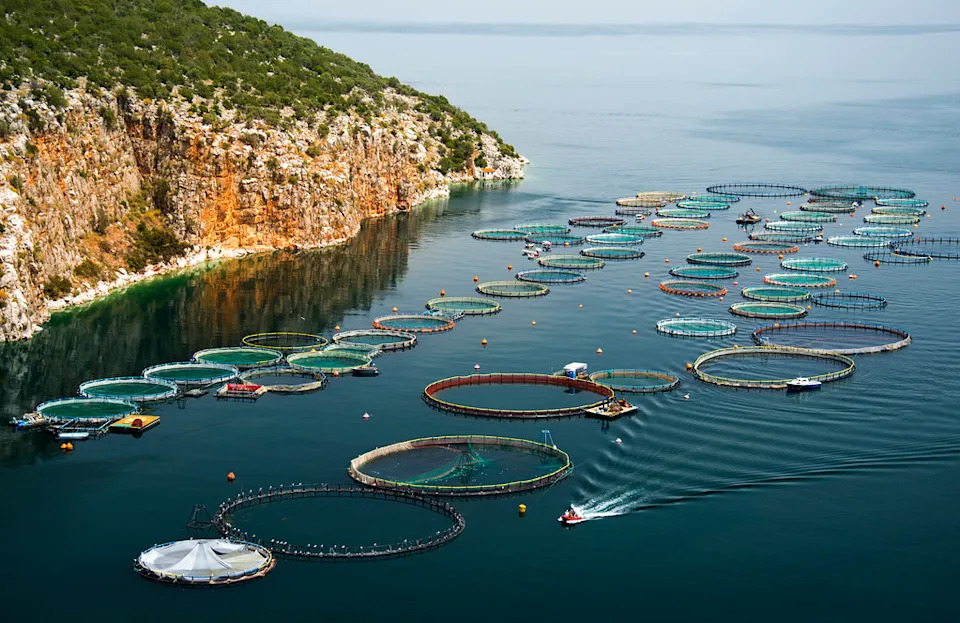
Image credits: Flickr
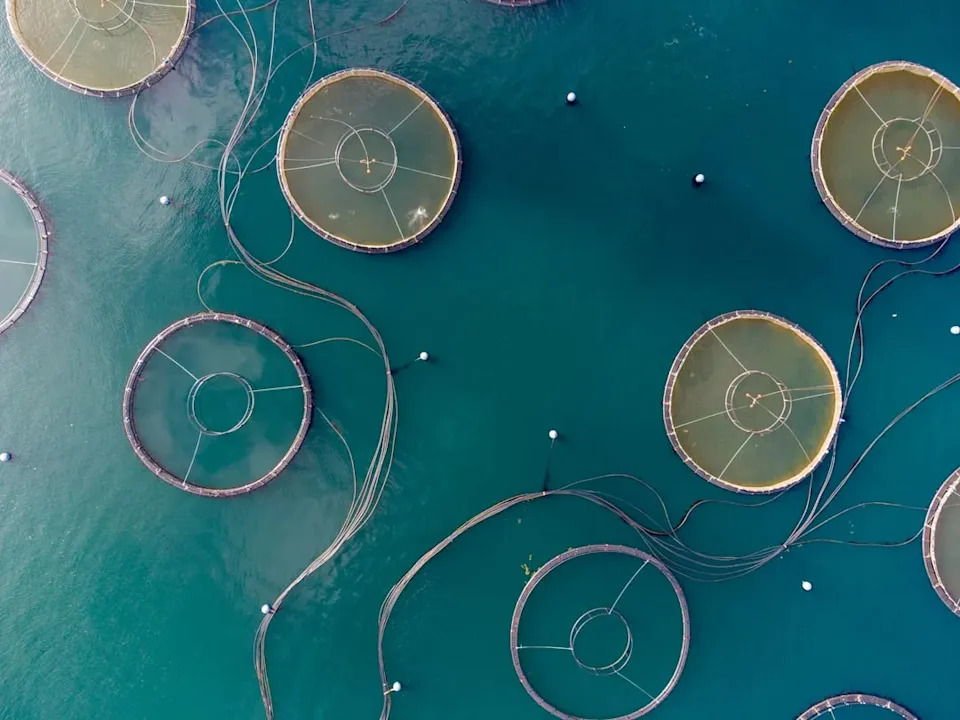
A Historic Milestone Decades in the Making (Image Credits: Unsplash)
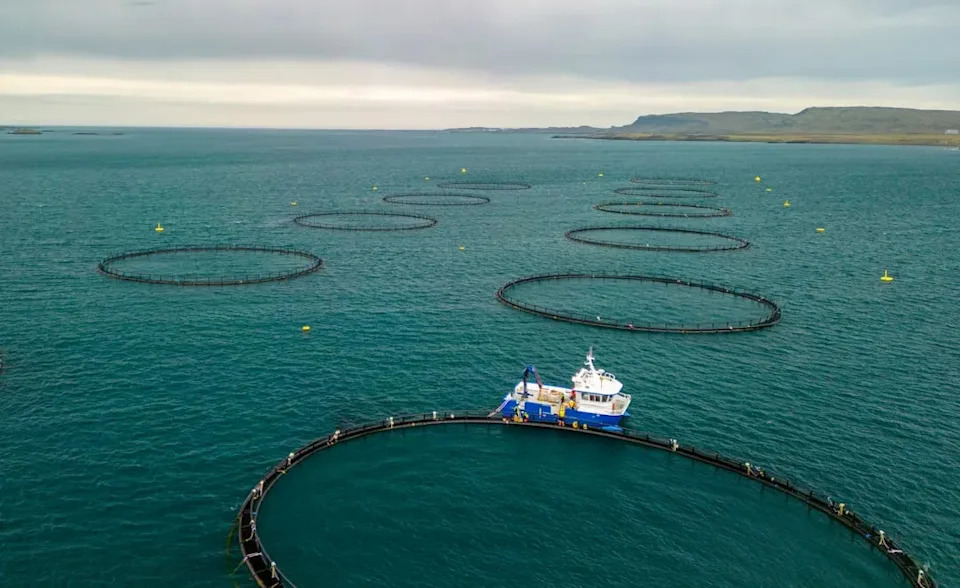
Why Aquaculture Overtook Wild Catch (Image Credits: Unsplash)
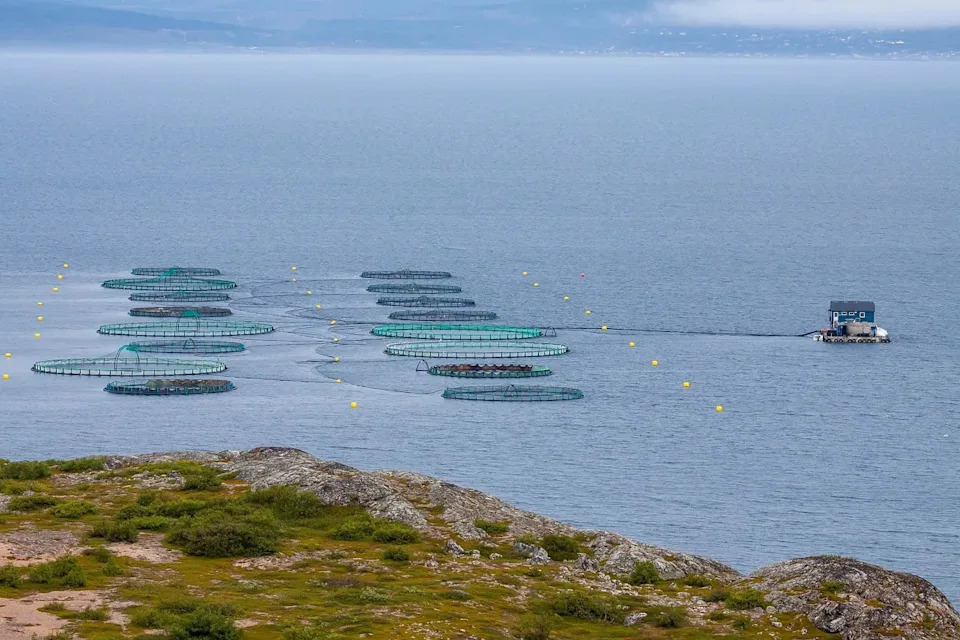
Where All This Fish Is Actually Being Farmed (Image Credits: Pixabay)
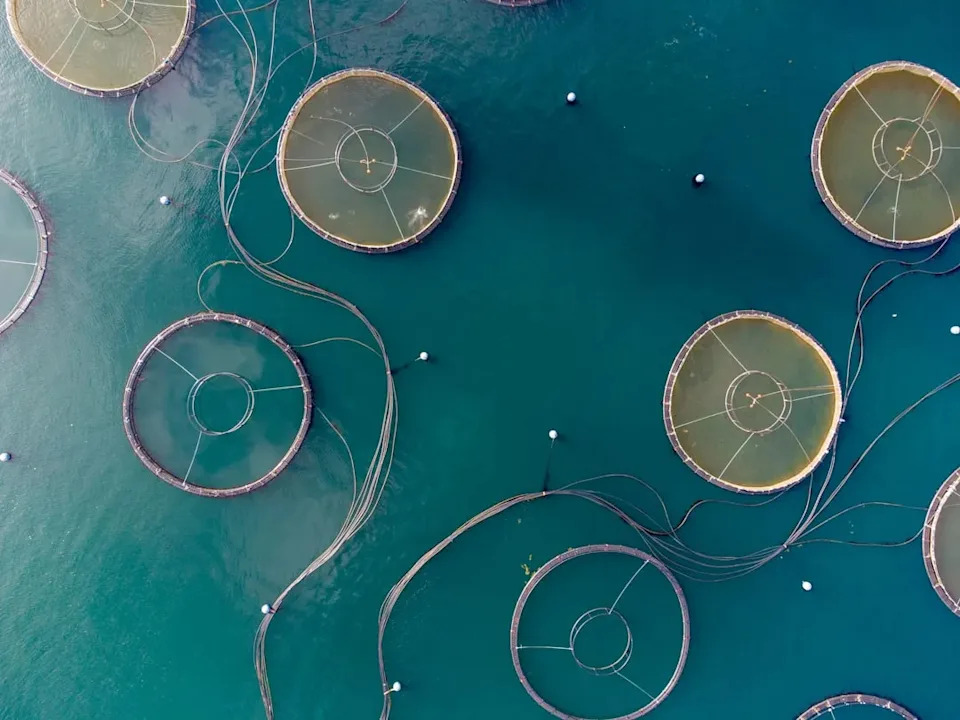
What's Actually Being Farmed (Image Credits: Unsplash)
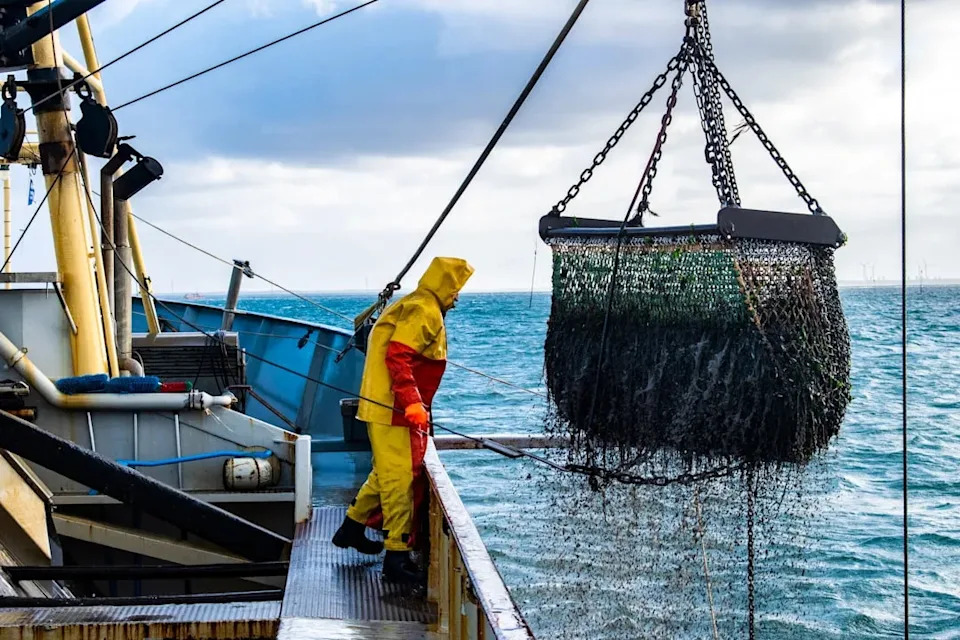
The Economics Behind the Numbers (Image Credits: Unsplash)
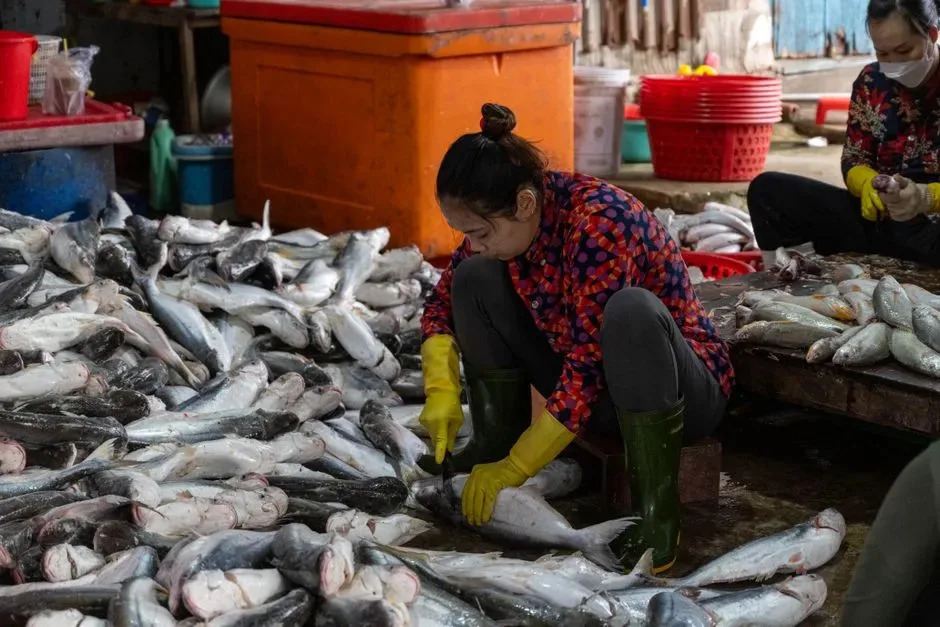
Feeding People and Sustaining Livelihoods (Image Credits: Pexels)
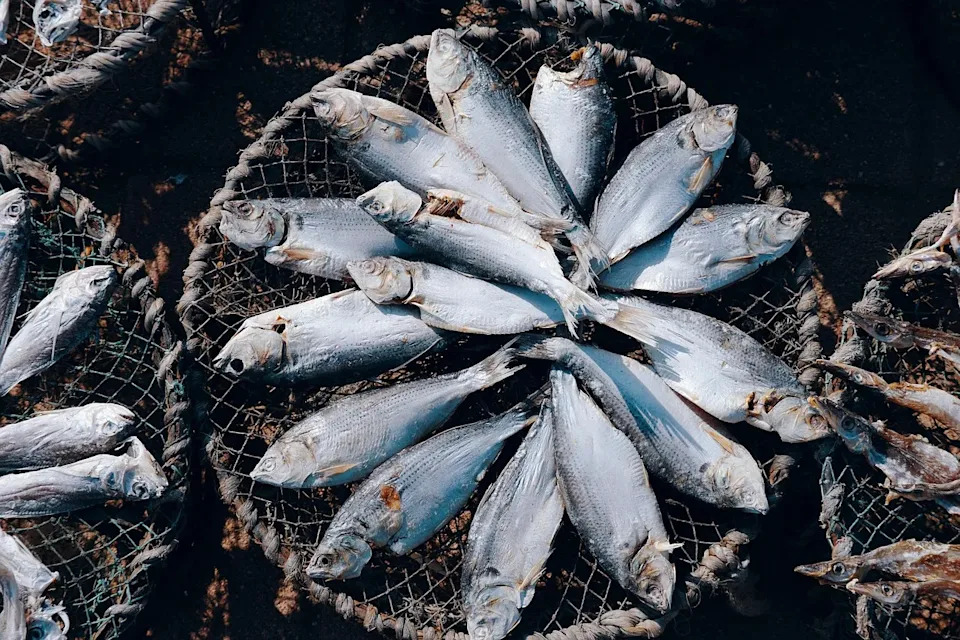
Uneven Benefits Across Regions (Image Credits: Pixabay)
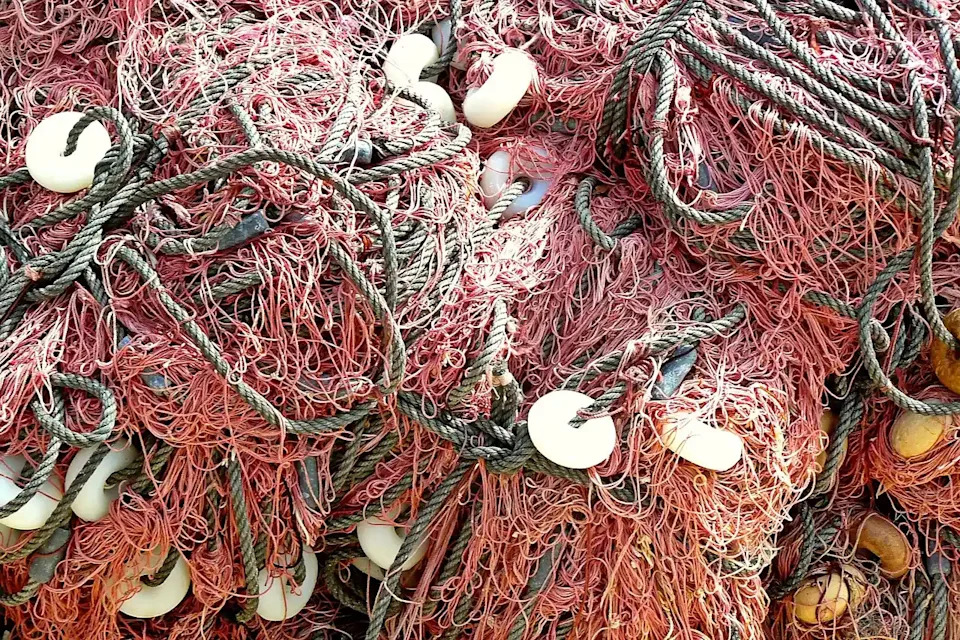
Sustainability Concerns Beneath the Record Numbers (Image Credits: Pixabay)
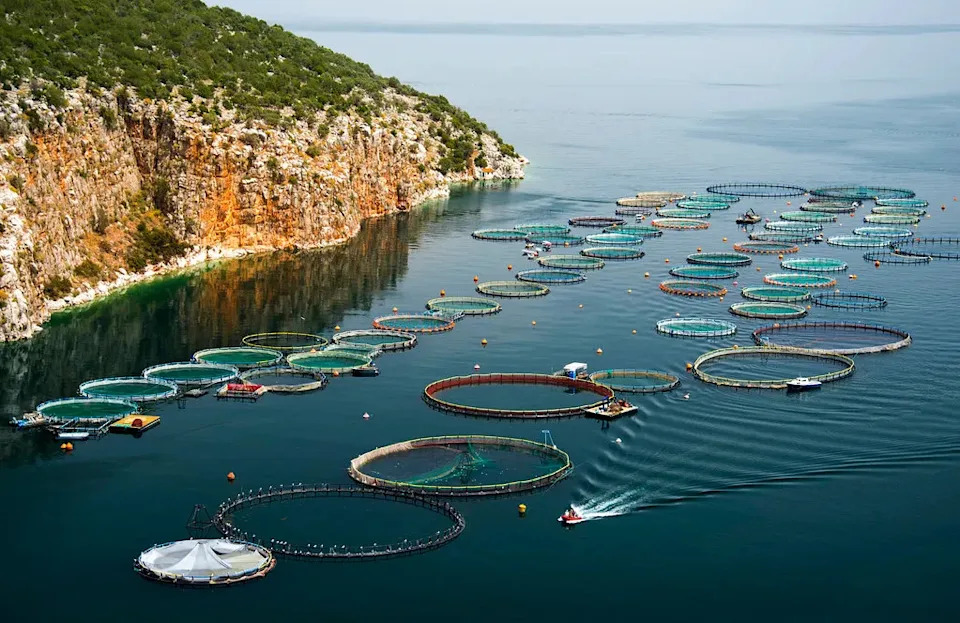
What Comes Next for Global Aquaculture (Artur Rydzewski, Flickr,CC BY 2.0)
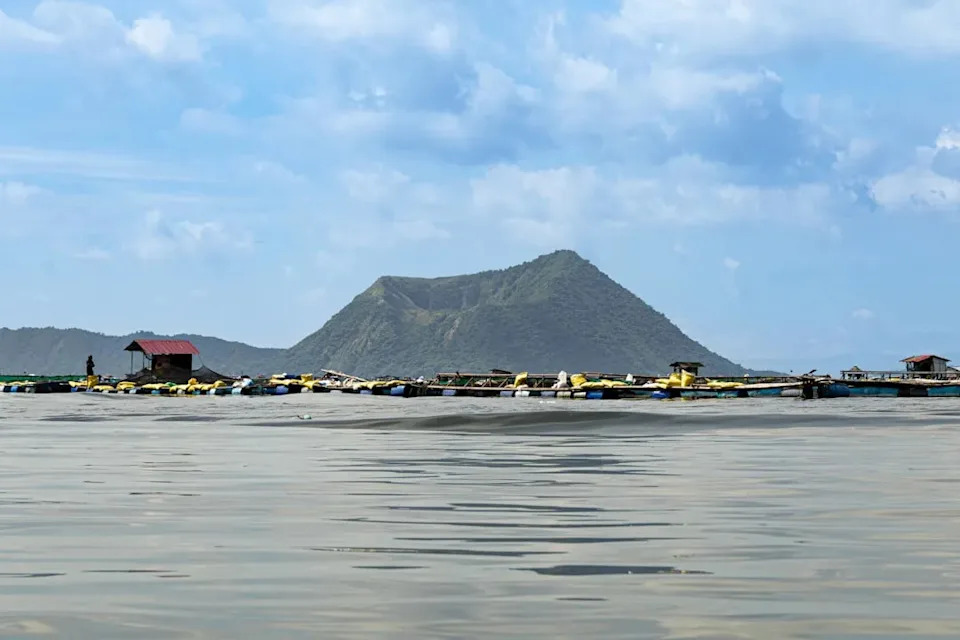
A Turning Point Worth Watching (Image Credits: Unsplash)
Help us improve.