The VA is consolidating its roughly 5,000-member police force under a new Office of Operations, Security, and Preparedness to improve safety, recruitment, pay and training. The move follows GAO and OIG reports—and a Senate hearing—highlighting safety lapses and staffing shortages at VA facilities. The reorganization establishes a single chain of command reporting to an assistant secretary, raises starting pay to GS-6, and creates clearer promotion pathways; officials expect completion by October.
VA Centralizes 5,000-Strong Police Force Under New Office to Boost Safety, Pay and Retention
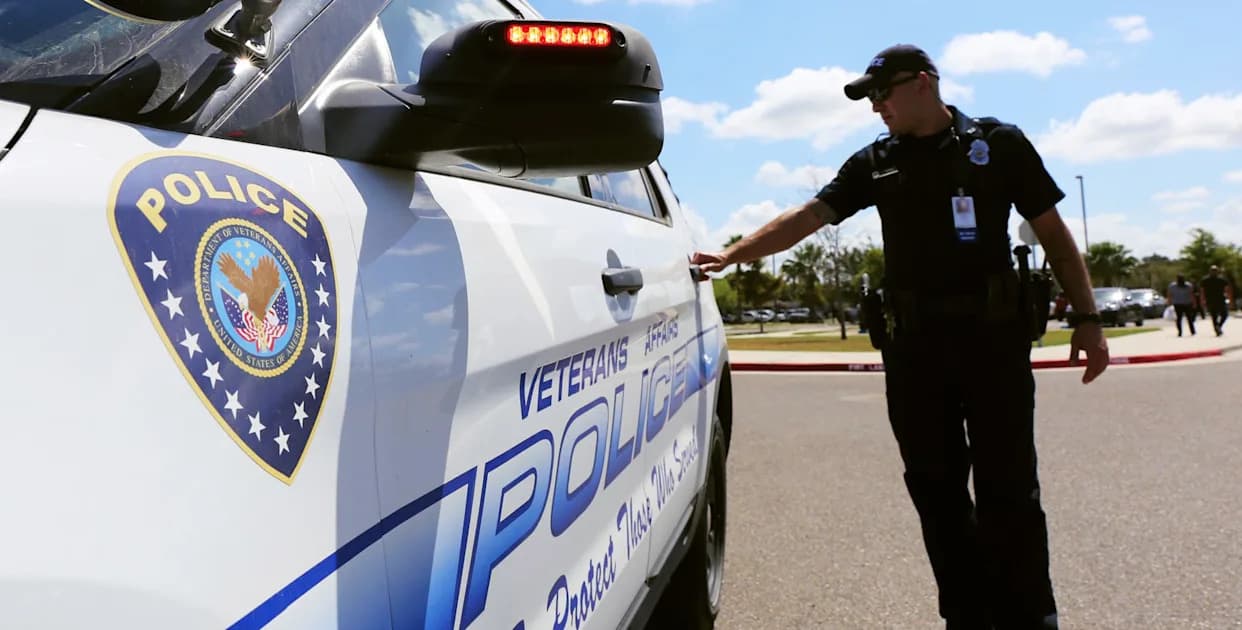
A Veterans Affairs police officer approaches his vehicle in August 2019. (VA photo)(Loza Gutierrez, Luis H.)
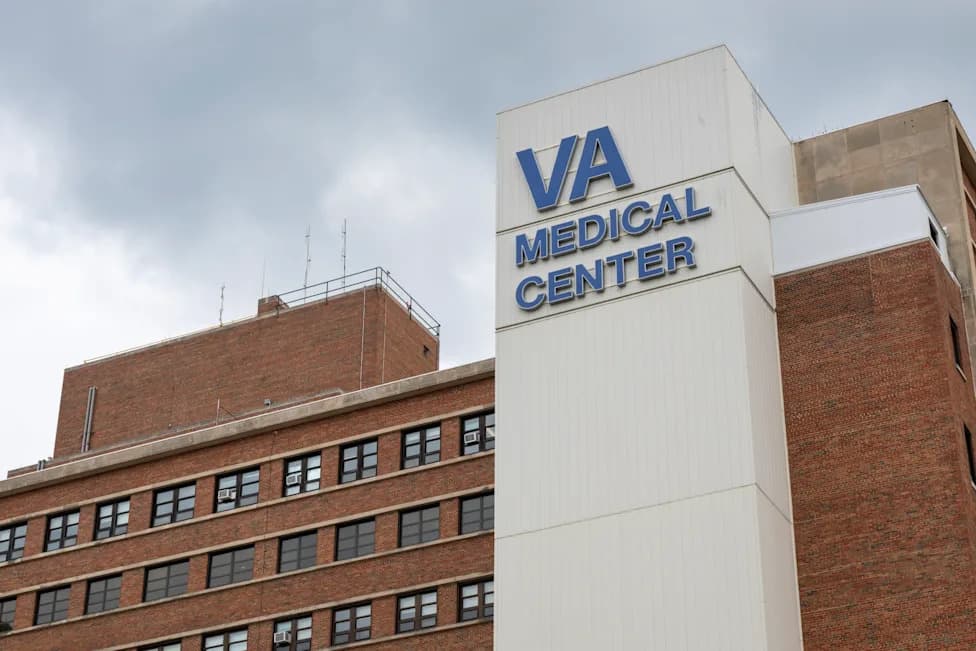
The Department of Veterans Affairs is consolidating its roughly 5,000-member police force under a newly created Office of Operations, Security, and Preparedness, the department announced Wednesday. Officials say the move is intended to improve safety, strengthen recruitment and retention, and standardize training and pay across VA facilities.
Why the Change?
The consolidation replaces a decentralized model—where individual medical centers and civilian administrators oversaw local policing—with a single law-enforcement chain of command reporting to an assistant secretary at VA headquarters. Officials say a centralized structure will simplify hiring, pay classification, career paths and training, and bring consistent policing standards and accountability across the system.
Reports and Oversight Findings
Several recent reports and a May Senate hearing spurred the reorganization. In April, the Government Accountability Office (GAO) published a covert review of 30 VA hospitals and related sites that found significant safety lapses. Investigators discovered that only two locations had metal detectors; one detector was inoperable and staff failed to respond when the other was triggered. The GAO also reported instances in which knives entered buildings undetected, investigators were allowed into non-public spaces such as labs and treatment rooms, and staff did not intervene in concerning scenarios—such as when an investigator drank water from a bottle that appeared to contain vodka.
A prior GAO review in 2025 found similar weaknesses: contracted guards—about 800 across VA facilities—did not prevent prohibited items such as blades or batons from entering sites roughly half the time. The VA Office of Inspector General reported that 58% of VA facilities experienced shortages in their police forces, calling VA police "the most frequently reported severe nonclinical occupational staffing shortage."
What VA Is Changing
Reginald Neal, assistant secretary for operations, security and preparedness, told the Senate Veterans Affairs Committee that the previous patchwork structure and incorrect pay classifications made it "difficult to recruit, retain and promote seasoned officers." He added that inconsistent standards had weakened accountability and sometimes led to officers performing non-police tasks.
Under the plan, VA police positions will be reclassified to start at the Government Services-6 (GS-6) level—about $48,000 a year for an entry-level officer in a market such as Atlanta, roughly $5,000 more than the GS-5 starting level. Career opportunities will extend through the chain of command up to the Senior Executive Service, creating clearer promotion pathways and incentives for long-term retention. Officials expect the reorganization to be completed by October.
"These reforms will help us accomplish that mission by creating a stable VA police force with clear lines of authority, accountability and career progression. The result will be better police recruitment and retention as well as improved safety and security for Veterans, staff and visitors," VA Secretary Doug Collins said in a statement.
Safety Context and On-the-Ground Reality
Although the VA says roughly 98% of police duties involve nonviolent issues, officers still confront life-threatening situations: patients who threaten staff or visitors, suicidal veterans, and opportunists seeking theft or drug activity on VA campuses. In March, a VA social worker was killed at a clinic in Jasper, Georgia, by a gun-wielding patient; a uniformed security guard on duty helped apprehend the suspect.
Neal emphasized the human side of VA policing: "When veterans come for care, it’s more than a doctor’s visit—the emotions and frustrations they bring shape the encounter. Our VA police are often the first and last point of contact and they set the tone for that visit."
What To Watch
Key implementation items to monitor in coming months include completion of the reorganization by October, realignment of pay grades and classifications, hiring and retention metrics for the centralized force, and follow-up audits or GAO/OIG reviews to confirm that safety and accountability have improved.
Help us improve.