The VA Office of Inspector General reported that 59% of reporting medical centers struggle to hire practical nurses and 58% have difficulty recruiting psychologists, with a total of 4,712 perceived severe staffing shortages across 389 occupations in fiscal 2026. The OIG survey captures leaders' views of roles 'difficult to fill' rather than verified vacancies, a distinction the VA underscores while citing 15% physician and 9% nurse vacancy rates. Lawmakers say large workforce reductions have worsened staffing challenges. The OIG made no recommendations, calling the report descriptive and informational.
VA OIG: Majority of VA Medical Centers Report Severe Shortages in Mental Health, Nursing and Safety Roles
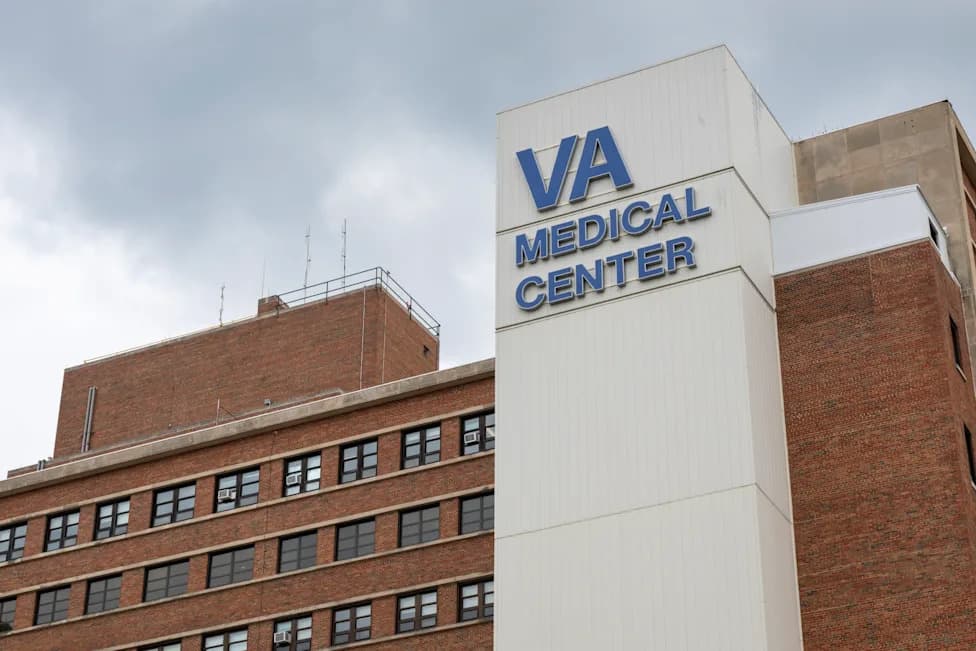
A VA medical center in Missouri. (Michael Siluk/UCG/Universal Images Group via Getty Images)
More than half of reporting Department of Veterans Affairs medical centers say they are struggling to recruit staff for critical clinical and non-clinical roles, according to a new Office of Inspector General (OIG) survey covering fiscal 2026.
Key Findings
The OIG’s survey, completed in late March and early April, reflects facility leaders’ perceptions of which occupations are 'difficult to fill' rather than documented vacancy counts. Still, the results show a sharp increase in perceived severe staffing shortages compared with prior years.
- 4,712 severe shortages were reported across 389 occupations for fiscal 2026 — up from 2,959 in fiscal 2024.
- 59% of 139 reporting VA facilities cited difficulty hiring practical nurses; 58% reported trouble hiring psychologists.
- Nearly all facilities (97%) reported severe shortages for medical officers; 86% reported shortages for nurses.
- Top clinical shortages: practical nurses, psychologists, psychiatrists, social workers and nursing assistants.
- Top non-clinical shortages: VA police officers, custodial workers, medical support assistants, food service workers and health care engineers.
Context And Responses
The survey period follows significant staffing changes at the VA. Since Sept. 26, 2025, the department’s workforce declined by more than 19,000 employees, including roughly 11,000 at Veterans Health Administration (VHA) facilities; overall reductions since earlier adjustments total about 30,000 positions.
The VA cautioned that the OIG survey measures perceived difficulty filling occupations, not actual vacancies. VA Press Secretary Quinn Slaven noted that reported vacancy rates are lower than the OIG perceptions — about 15% for physicians and 9% for nurses — and said those figures compare favorably with many other health systems and historical VA averages. Slaven also cited barriers to recruitment such as physician pay caps and highlighted recent operational activity, including opening 41 new clinics and enrolling roughly 250,000 additional veterans for care since January 2025.
'A staff shortage in this report refers to occupations that are difficult to fill, which does not necessarily indicate the presence of vacancies,' said VA Press Secretary Quinn Slaven.
'This report confirms that staffing shortages at VA continue to increase in number and impact,' said Sen. Richard Blumenthal (D-Conn.), who tied the issue to earlier workforce reductions and criticized the department's current work environment.
OIG Position
The OIG framed the publication as a descriptive review intended for informational purposes and made no operational recommendations. 'This report is a descriptive review and is intended for informational purposes,' wrote Dr. David Krulak, assistant inspector general for health care inspections.
Taken together, the OIG findings, VA statements and lawmakers' reactions illustrate a gap between perceived difficulty filling roles and the department’s vacancy metrics — a gap that policymakers and VA leaders say will affect planning for recruitment, pay policy and service delivery.
Help us improve.