Germany, joined by France and the Netherlands, is pushing the EU to require ultra‑fast fashion companies to help pay for textile waste. Jochen Flasbarth warned the sector places "an enormous strain on the environment," with many garments made to be quickly discarded. The proposal calls for higher recycled‑content standards, improved recyclability and repairability, and stronger producer responsibility so companies share disposal costs.
EU Push: Germany, France and the Netherlands Urge Ultra‑Fast Fashion Firms to Pay for Textile Waste

Jochen Flasbarth, State Secretary at the German Ministry for Economic Cooperation and Development poses for a photo in Berlin. The European Union should try and forge new climate alliances in the wake of Washington's planned exit from the Paris climate treaty, Germany's state secretary for climate has said. (is associated with: «Germany wants ultra-fast fashion companies to pay for textile waste») Britta Pedersen/dpa-Zentralbild/dpa
Germany, together with France and the Netherlands, is calling for tougher EU action to make ultra‑fast fashion companies responsible for the textile waste they generate. The appeal came during a meeting of EU environment ministers in Luxembourg, where German State Secretary for the Environment Jochen Flasbarth warned the sector is placing "an enormous strain on the environment."
"The consumption of resources is enormous. Ultimately, these textiles are produced only to end up in the bin, and we want to curb that," Flasbarth said.
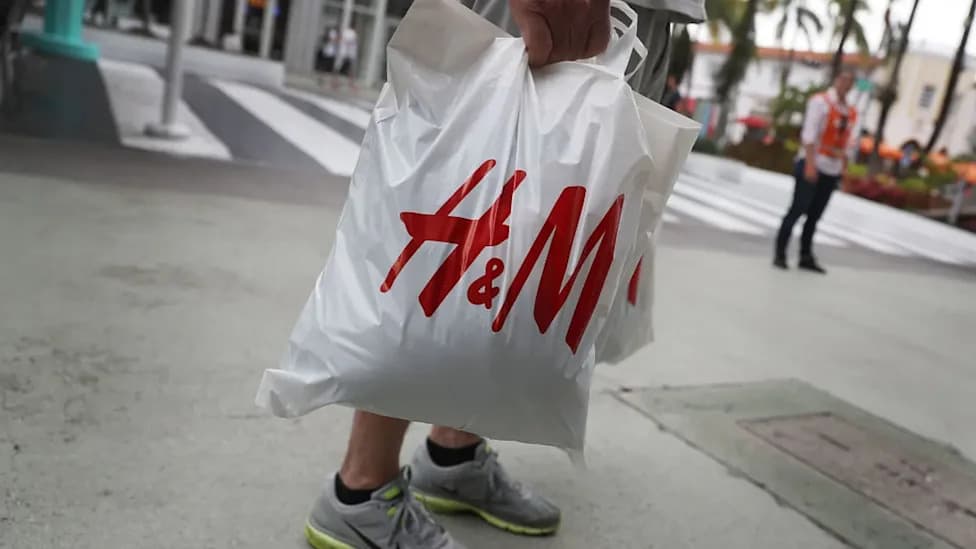
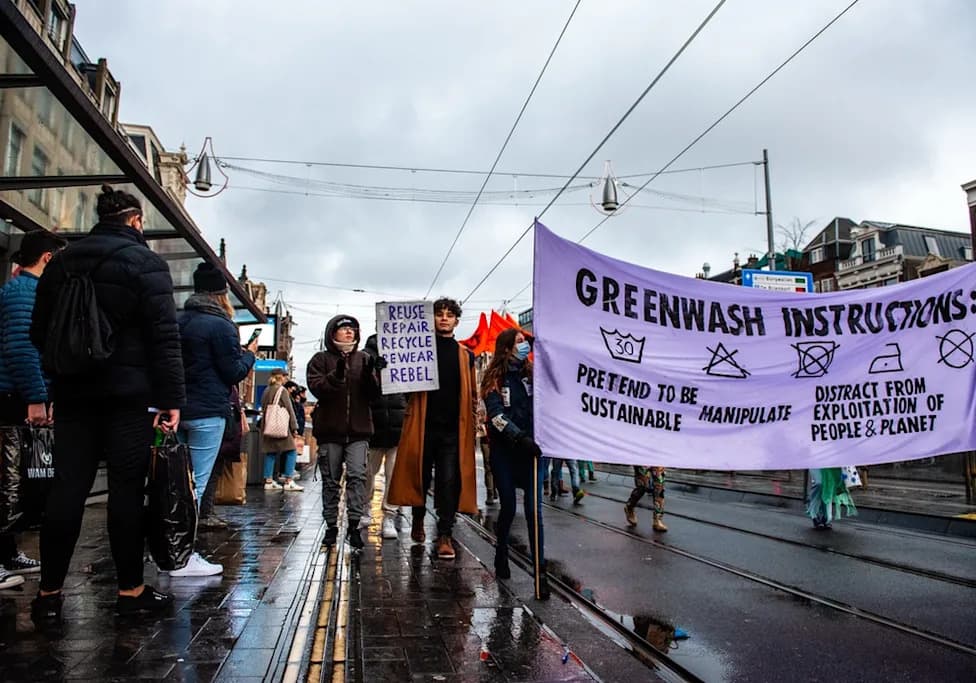
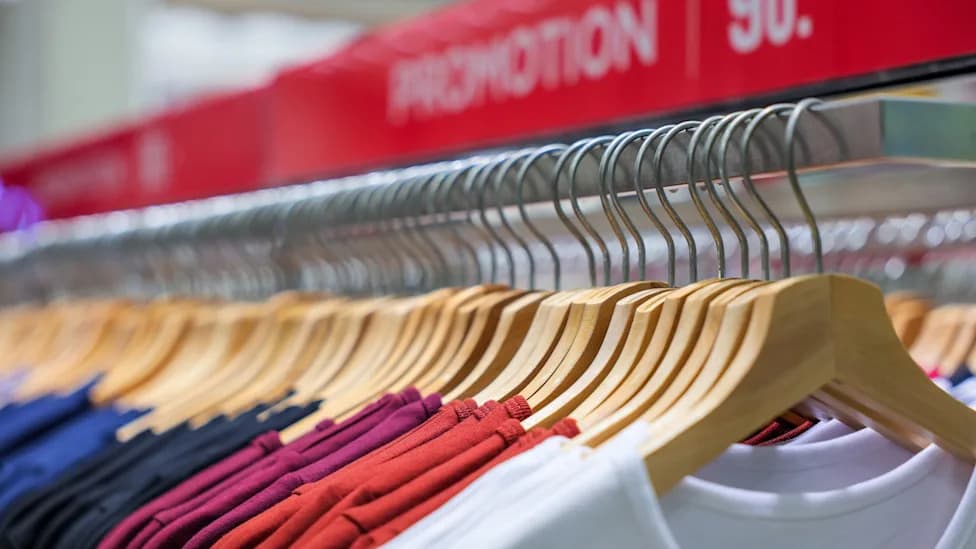
The term ultra‑fast fashion describes businesses that mass‑produce low‑quality clothing—often sold mainly online—and rapidly follow trends using algorithms and data analytics. Critics argue this model drives overconsumption and creates volumes of garments that are difficult or uneconomical to recycle.
Proposed Measures
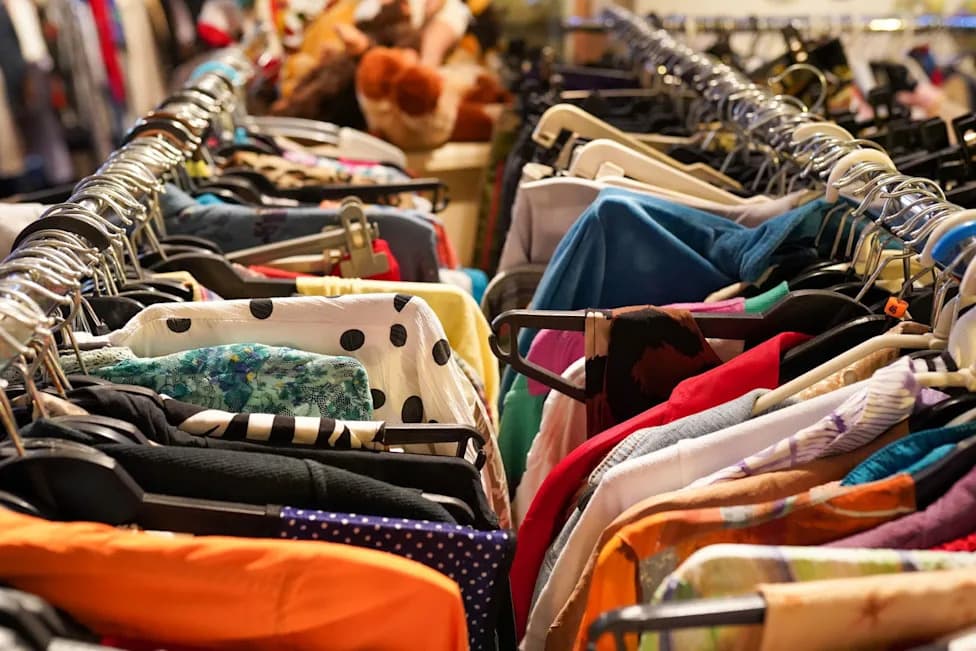
The three EU countries leading the initiative are urging stricter rules on recycled content in textiles, as well as measures to improve recyclability and repairability. The overall objective is to strengthen producer responsibility—often referred to as extended producer responsibility (EPR)—so that companies that foreseeably produce increasing volumes of waste contribute to disposal and recycling costs.
Supporters say these changes would incentivize better product design, greater use of recycled materials, and longer‑lasting garments, reducing environmental impact without banning fashion businesses outright. The proposals will now be discussed further within EU policy forums to determine how obligations and costs would be calculated and enforced.
Help us improve.