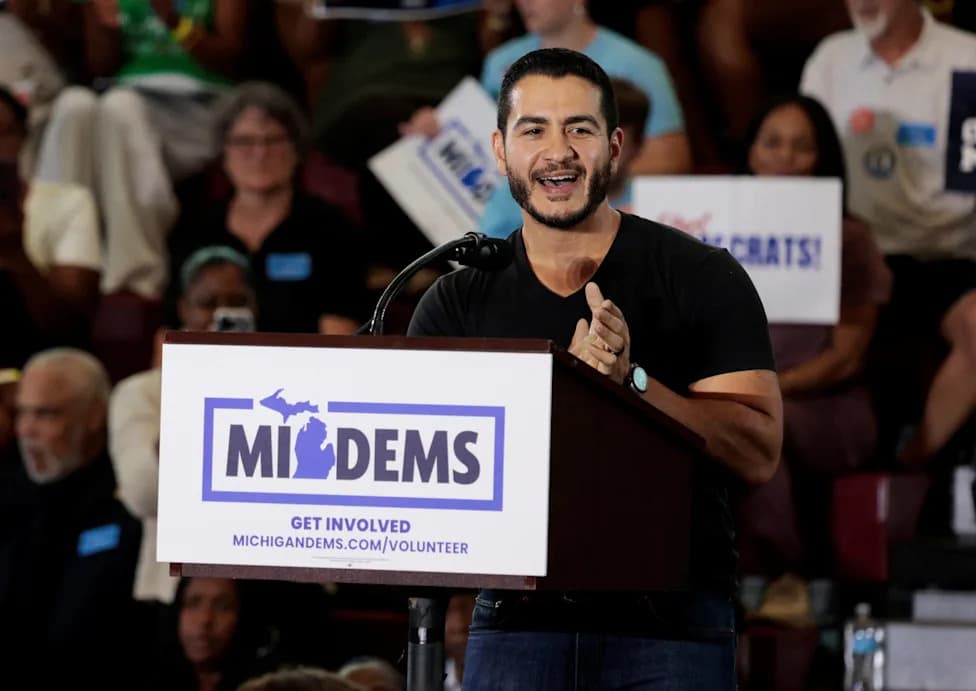
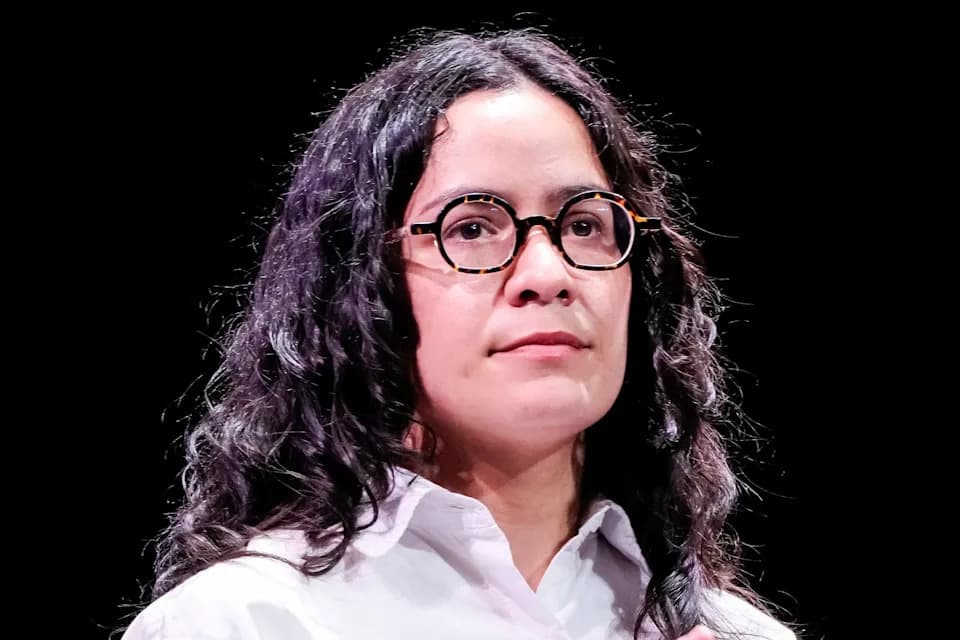
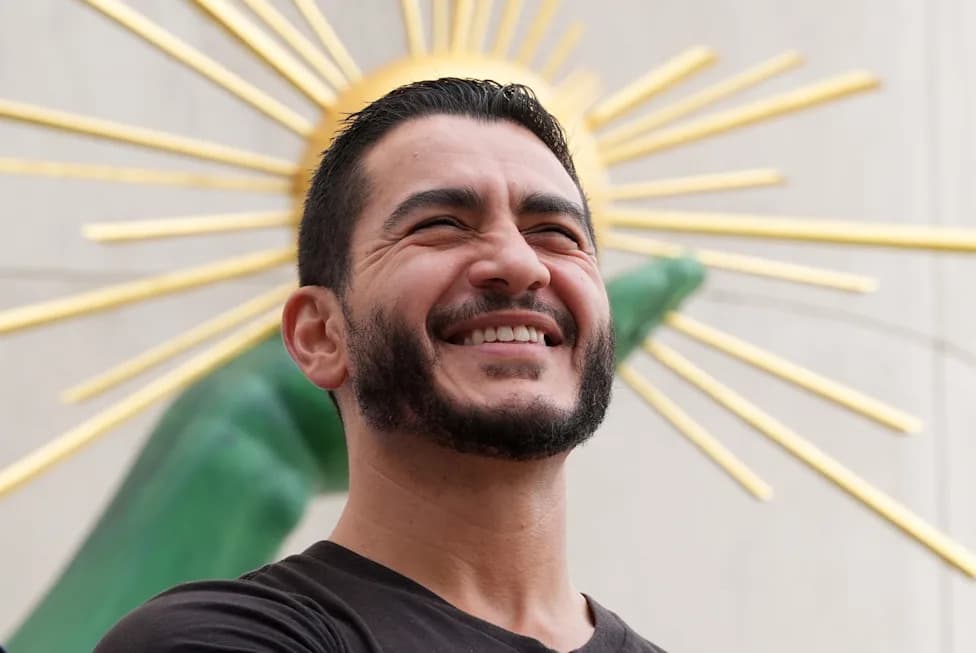
New York City’s primaries delivered a strong showing for the populist left, with DSA-aligned and allied progressives winning several marquee contests. Claire Valdez led Antonio Reynoso by about 19 points, Darializa Avila Chevalier led Adriano Espaillat by roughly 3.5 points, and Brad Lander defeated Dan Goldman by about 31 points. Downballot success was widespread, and institutional backing from groups like the DSA, Justice Democrats and the Sunrise Movement proved decisive.
DSA Sweep in NYC Primaries Signals Rising Progressive Power Centers
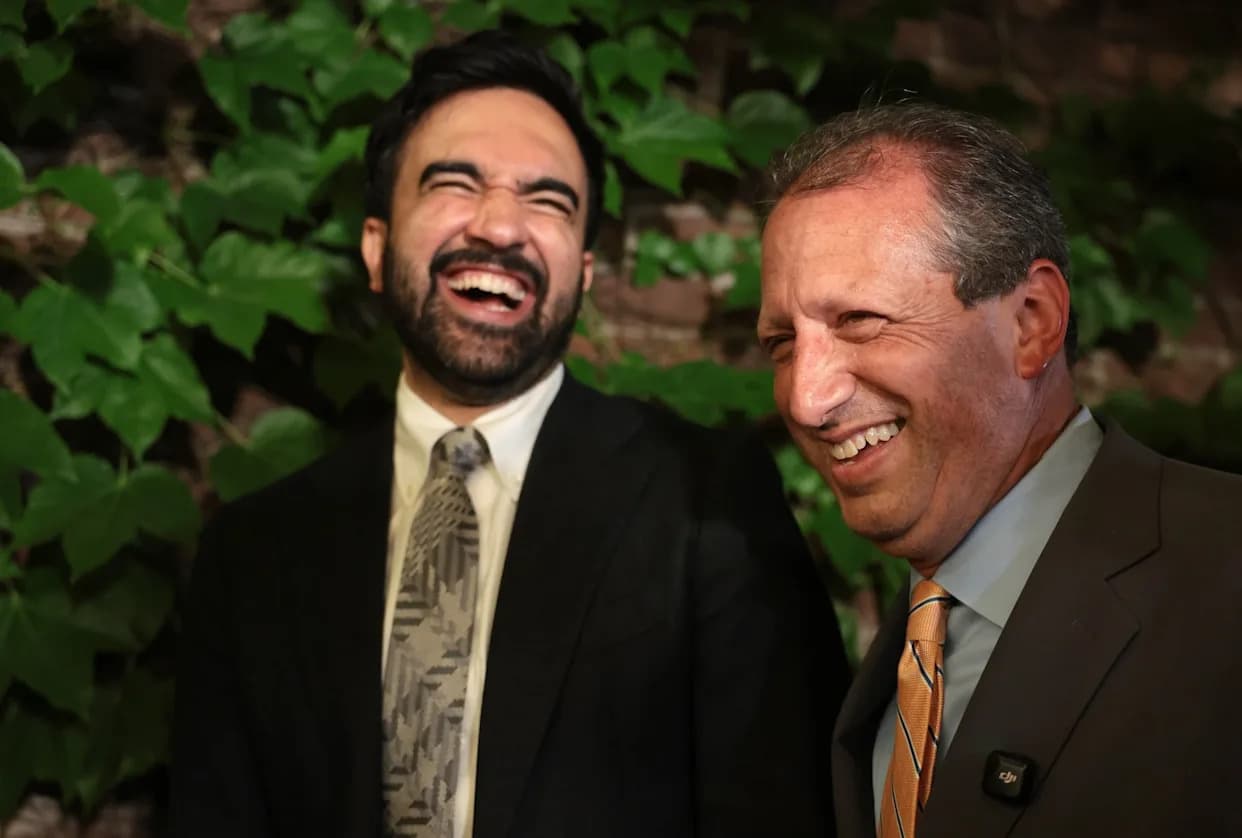
Democratic Congressional candidate Brad Lander stands with New York City Mayor Zohran Mamdani after winning the 10th District Democratic primary on June 23, 2026, in the Brooklyn borough of New York City. Lander defeated incumbent Dan Goldman. Photo by Spencer Platt/Getty Images
Last night’s New York City primaries offered a clear temperature check of the Democratic base: the populist left has retaken momentum. Democratic Socialists of America (DSA)-aligned and allied progressive candidates won multiple high-profile contests, outperforming establishment Democrats and other progressive factions in a show of organized strength within the party.
Key Victories
Across three marquee congressional races, DSA-backed or allied candidates fared strongly. In the Seventh District, state Assemblymember Claire Valdez led Brooklyn Borough President Antonio Reynoso by roughly 19 points as of Wednesday morning. In the 13th District, community organizer Darializa Avila Chevalier held a narrow lead of about 3.5 points over Rep. Adriano Espaillat, chair of the House Hispanic Caucus.
In the 10th District, former city comptroller Brad Lander defeated Rep. Dan Goldman by an estimated 31 points. Lander was not formally endorsed by the DSA but received backing from Assemblymember Zohran Mamdani, illustrating the alliances reshaping local races.
Downballot Strength and Organizational Muscle
Progressive momentum extended well beyond the top-ticket contests. Of the ten DSA-endorsed candidates who ran in Tuesday’s primaries, only one appears to have lost, underscoring the organization’s capacity to mobilize volunteers and run effective grassroots campaigns.
The campaign model championed by Mamdani, the DSA and allied groups proved effective: disciplined door-to-door canvassing and robust volunteer operations translated into votes. In parts of the Seventh District, it was nearly impossible to walk a block without encountering literature for a DSA-backed candidate.
When Institutional Support Mattered
Not every progressive-aligned candidate prevailed. In the 12th District, Alex Bores, associated with the so-called "abundance" wing of the party, was defeated by establishment-backed Micah Lasher — a reminder that institutional power can still shape outcomes. Similarly, Chuck Park, a former diplomat who ran on a platform aligned with many of the night’s winners, lost to Rep. Grace Meng by about 14 points; Park’s campaign lacked the progressive institutional backing that buoyed many victors.
Many winners also benefited from support beyond the DSA: Justice Democrats and the Sunrise Movement helped amplify and resource campaigns for candidates such as Valdez, Chevalier and Lander.
What This Means Going Forward
Perhaps the most consequential takeaway is that the progressive left appears to be consolidating as an institutional force rather than remaining tied to a few national personalities. While leaders like Sen. Bernie Sanders and Rep. Alexandria Ocasio-Cortez remain influential, the movement in 2026 shows broader organizational depth and appeal beyond any single figure — a dynamic that could reshape Democratic politics ahead of the general election.
Help us improve.