The Democratic Socialists of America have supported nearly 200 candidates in the 2026 cycle, claiming 67 wins, 60 losses and 64 undecided races as of Sept. 22. High-profile victories — and rising progressive nominees like Abdul El-Sayed and Darializa Avila Chevalier — are forcing Democrats to choose between remaining a broad, center-left coalition or shifting toward democratic socialism. The author warns such a shift could alienate older voters and urges the party to prioritize clear, moderate messaging.
Can Democrats Contain the DSA's Momentum? What 200 Endorsed Candidates Mean for 2026
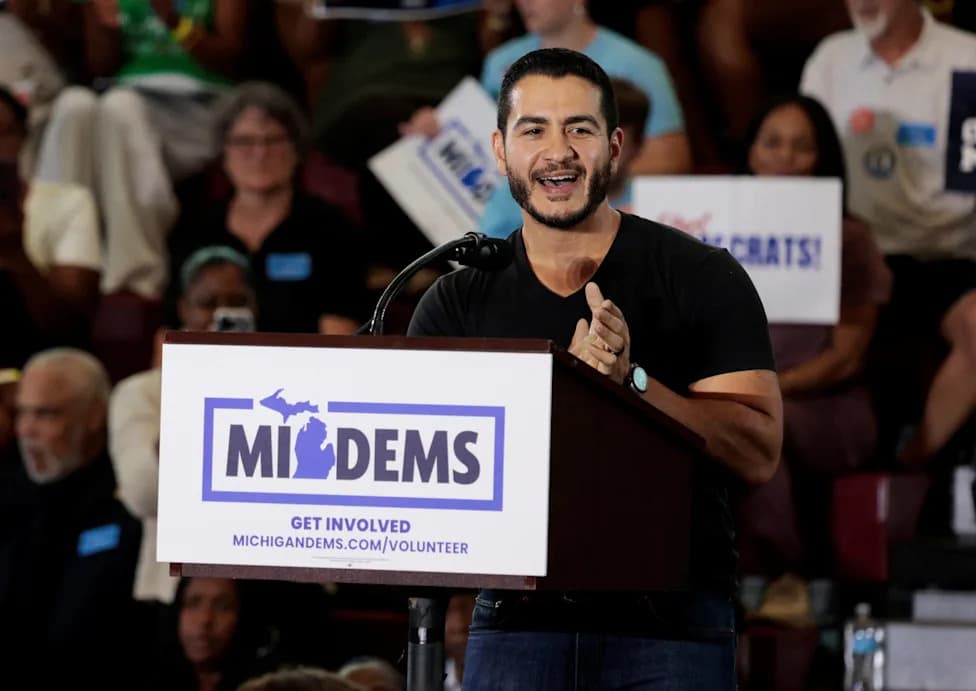
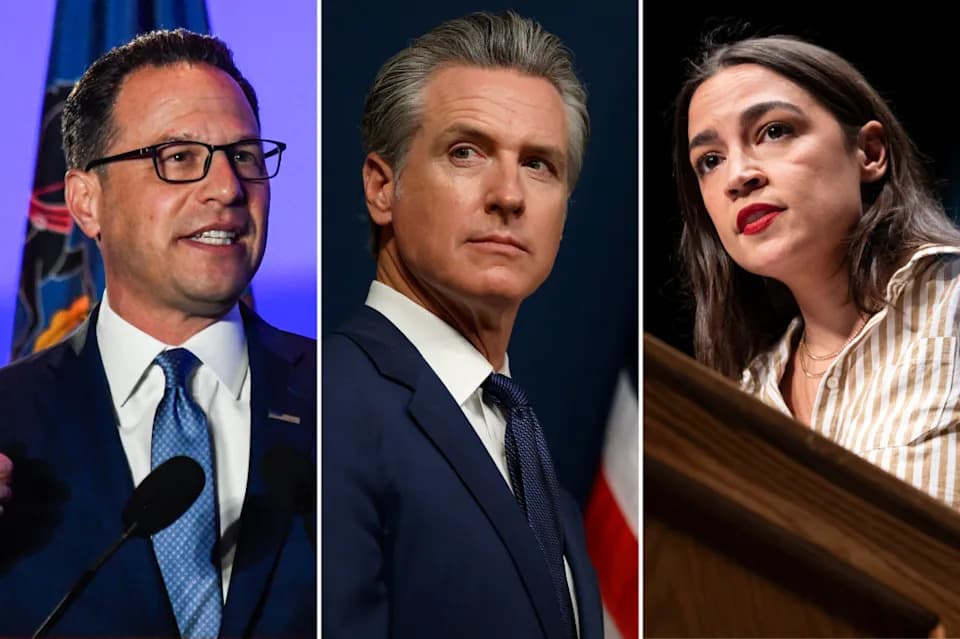
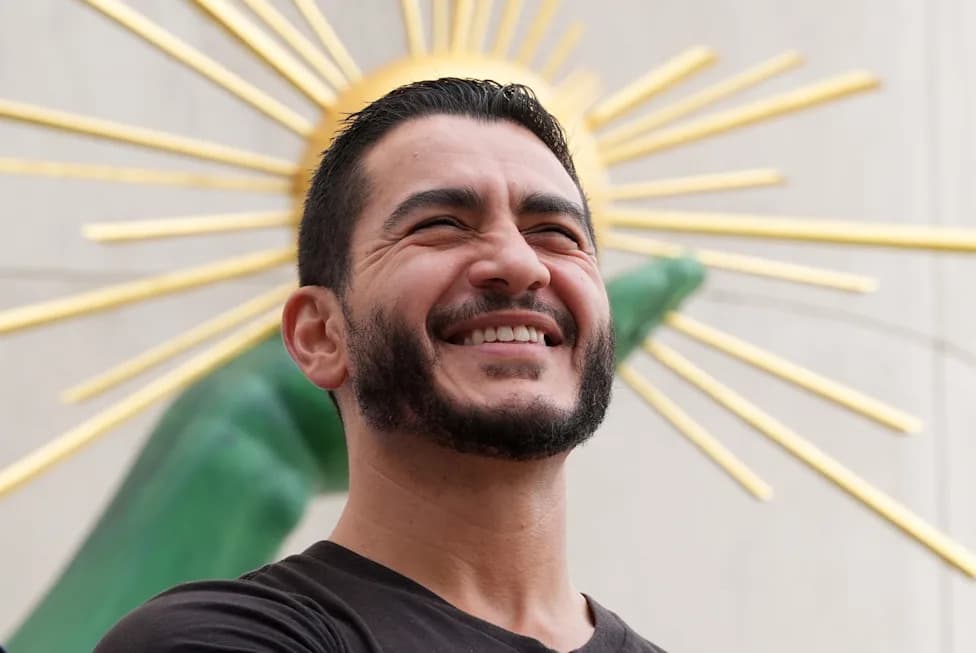
Democrats saw a burst of momentum following the successful campaign ofNew York City Mayor Zohran Mamdani. From grassroots movements to national races, here are theprogressive candidates running in 2026 midterms.Abdul El-Sayed is a former Detroit-based public health official who is Michigan's Democratic candidate for U.S. Senate. He is a progressive, defeating the more moderate U.S. Rep. Haley Stevens in the primary, but El-Sayed has said he is not a democratic socialist.(Rebecca Cook, REUTERS)
A recurring presence is unsettling Democratic fundraisers, dinners and policy forums: the Democratic Socialists of America (DSA). The group even labels its federal donation page "Socialist Cash Takes Out Capitalist Trash."
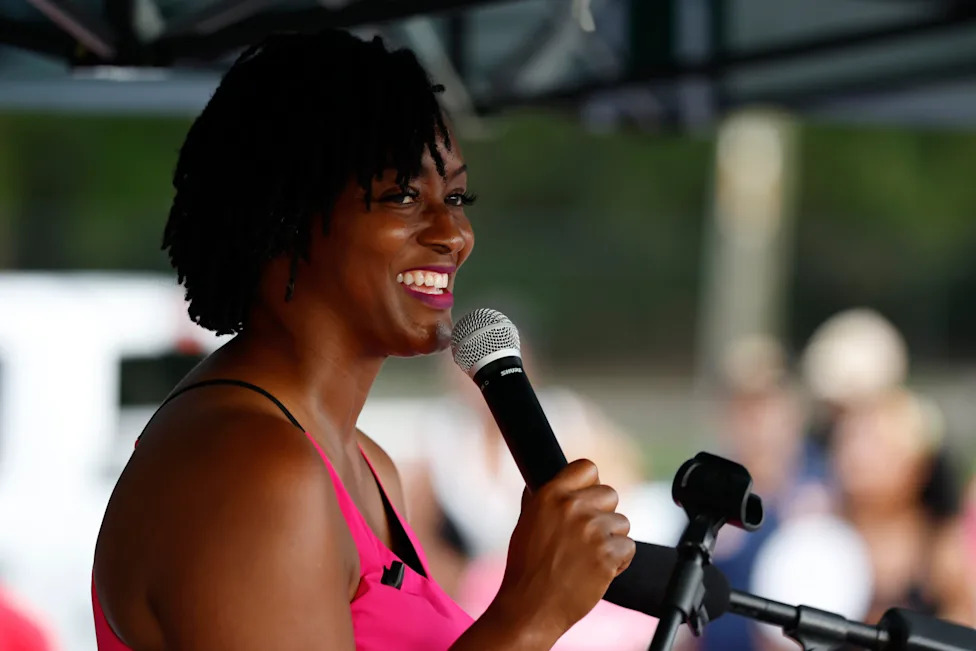
DemocraticU.S. Senate nomineeand Florida state Rep. Angie Nixon is a member of her local chapter of the Democratic Socialists of America.(Corey Perrine/Florida Times-Unio, USA TODAY Network via Reuters Co)
A review of the DSA's election tracker shows the organization has backed or strongly supported nearly 200 candidates during the 2026 cycle. As of Sept. 22, the tracker reported 67 victories, 60 defeats and 64 races still undecided, including several high-profile contests.
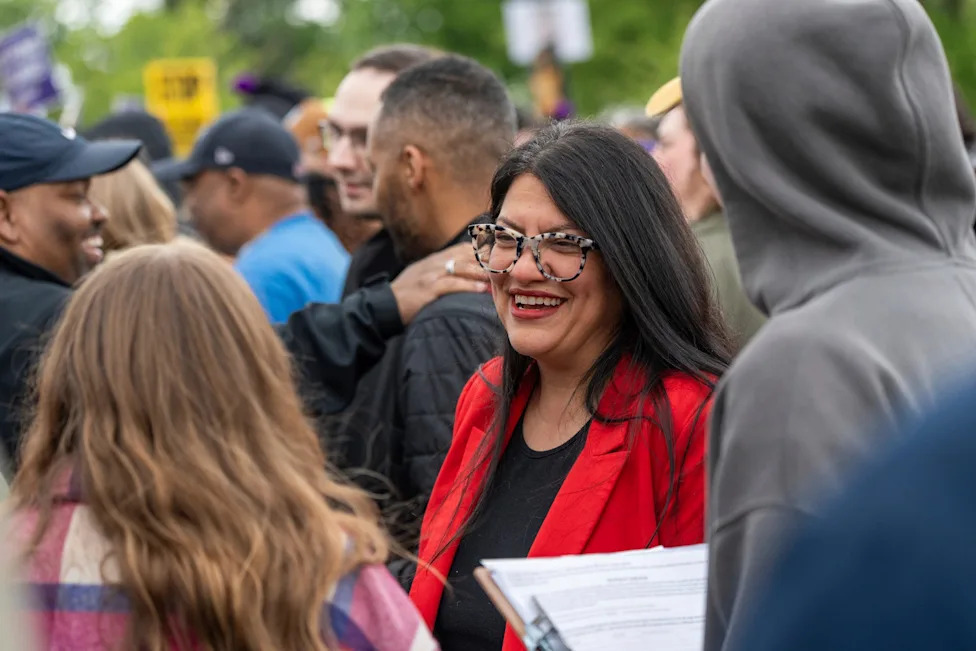
Michigan 12th U.S. District Rep. Rashida Tlaib is one of two Democratic Socialists of America members in Congress, and she is running for reelection.(Ryan Garza, USA TODAY Network via Reuters Connect)
Many DSA endorsements are for local posts — for example, a Ramsey County commissioner in Minnesota — but several endorsed candidates have become nationally visible, prompting debates within the Democratic Party about its future direction.
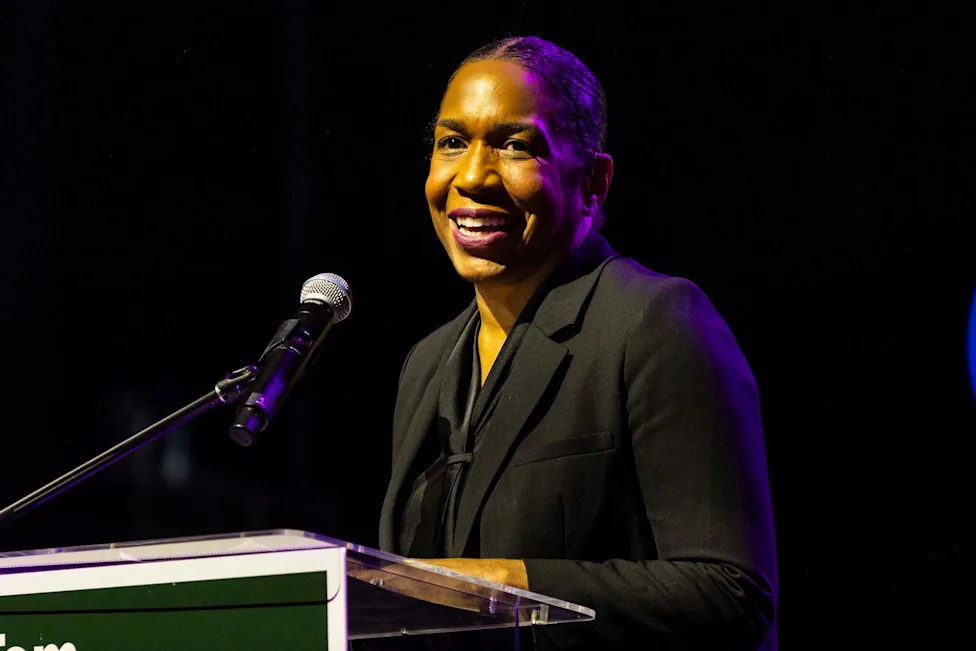
Illinois Lt. Gov. Juliana Stratton is the state's Democratic nominee for it's Senate race, but like El-Sayed, she is a progressive left candidate who does not identify as a democratic socialist.(Kara Hawley/Rockford Register St, USA TODAY Network via Reuters Connect)
Prominent Races and Candidates
Abdul El-Sayed, a former Detroit public health official and epidemiologist, emerged as Michigan's Democratic nominee for U.S. Senate after defeating more moderate Rep. Haley Stevens in the primary. El-Sayed identifies as a progressive rather than a democratic socialist, though he has drawn support from prominent democratic socialists and appeared at events alongside controversial online commentator Hasan Piker. Some past online posts attributed to him — later deleted — noted his grief for both American and Arab casualties of 9/11 and subsequent wars.
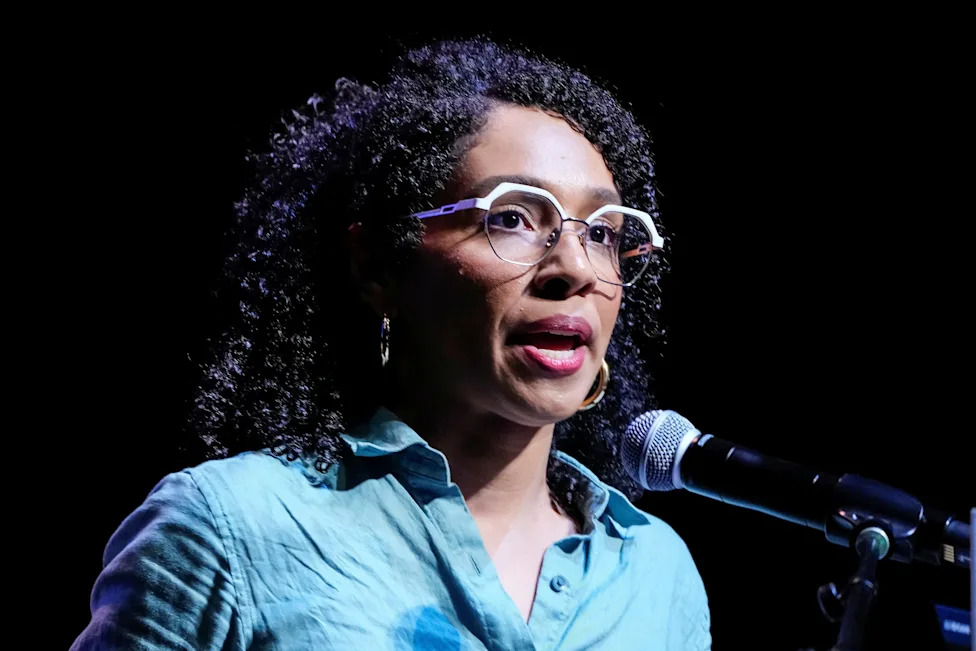
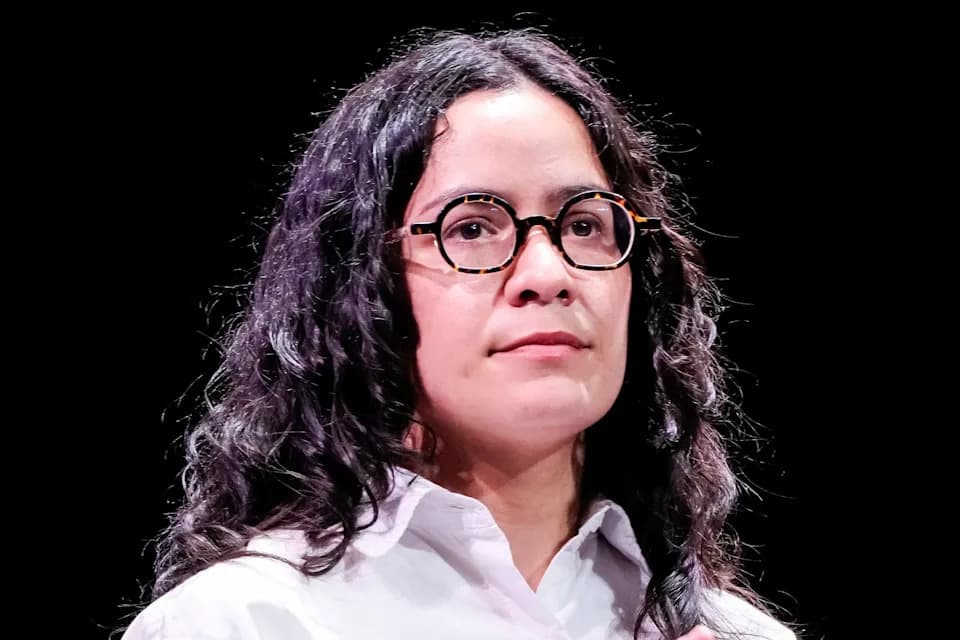
Darializa Avila Chevalier is the Democratic nominee for New York's 13th Congressional District. She was endorsed by the Democratic Socialists of America's New York City chapter, which she is a member of.(Eduardo Munoz, REUTERS)
Angie Nixon, Florida state representative and Democratic U.S. Senate nominee, is listed as a member of her local DSA chapter.
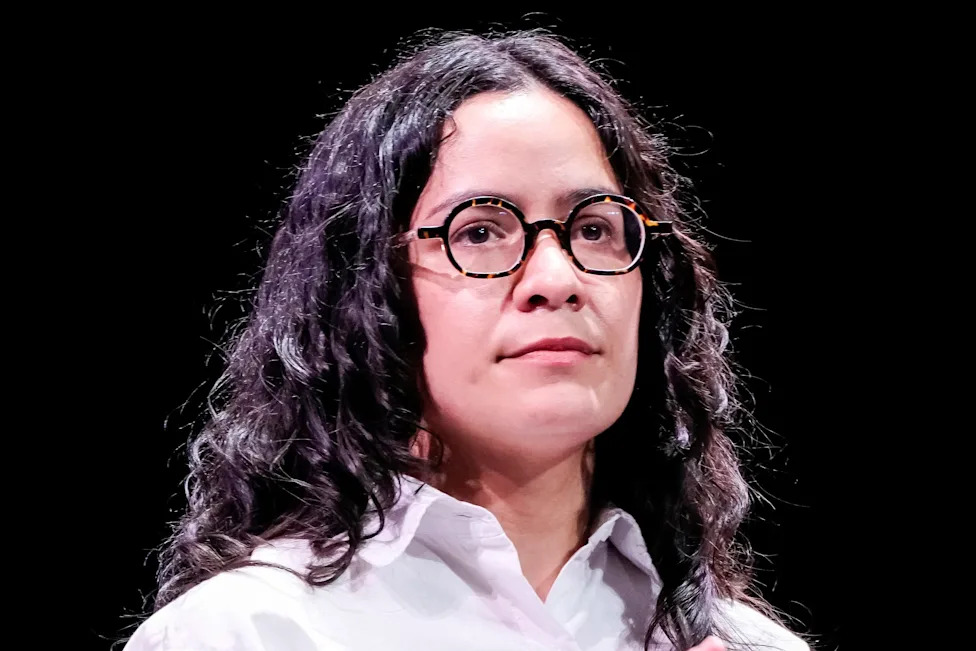
New York state Rep. Claire Valdez is the Democratic nominee for New York's 7th Congressional District. She is a a leader in the New York City Democratic Socialists of America, and they endorsed her.(Eduardo Munoz, REUTERS)
In New York, pro-Palestinian activist Darializa Avila Chevalier defeated Rep. Adriano Espaillat in a Democratic primary widely seen as decisive for the congressional seat. Observers, including Politico, described the result as "a massive victory for the Democratic Socialists of America and Mayor Zohran Mamdani," underscoring the DSA's growing influence in the city.

Wisconsin state Rep. Francesca Hong lost in the Democratic primary to Milwaukee County Executive David Crowley, the more moderate pick. Hong is a Democratic Socialists of America member.(Mark Hoffman / Milwaukee Journal, USA TODAY Network via Reuters Co)
Avila Chevalier — a sociology Ph.D. student and a former lead organizer of Columbia University's pro-Palestinian encampment — won despite the resurfacing and subsequent deletion of social media posts that called for abolishing police and borders, referenced Vladimir Lenin and included other provocative language. When Republican ads labeled her a "communist," she told MSNOW, "I won't be reactive."

In Colorado, democratic socialist Melat Kiros is the Democratic candidate for the U.S. House of Representatives from Colorado's 1st Congressional District.(Elizabeth Frantz, REUTERS)
What This Means for the Democratic Party
Scroll through the roughly 200 candidates listed on the DSA site and a pattern emerges: progressive nominees with strong left-wing ties are competing in races across the country. That reality forces a strategic choice for Democrats: maintain a broad, center-left coalition or shift substantially toward democratic socialism.
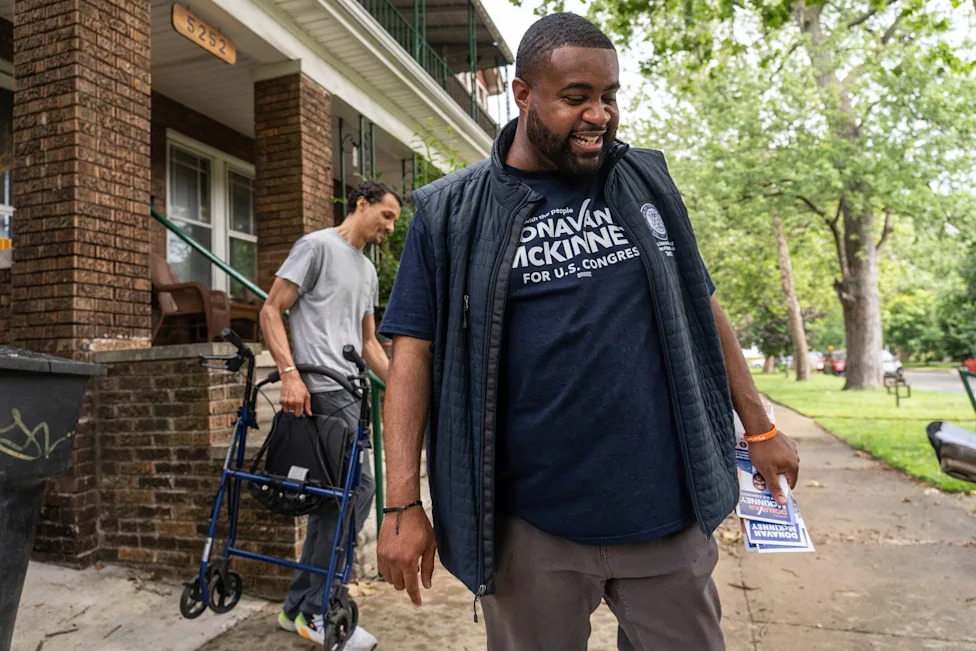
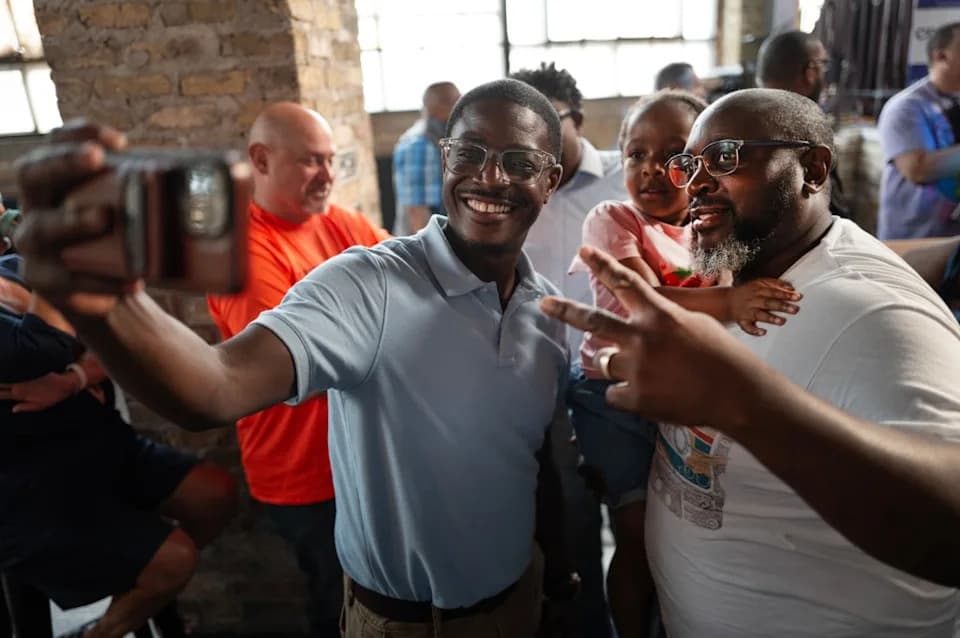
Democratic socialist Michigan state Rep. Donavan McKinney from Detroit is the Democratic nominee for Michigan's 13th Congressional District.(Ryan Garza, USA TODAY Network via Reuters Connect)
Leaning toward democratic socialism would be a high-stakes gamble. Young voters are relatively receptive — nearly half of those under 35 express at least some positive feelings about socialism — but older cohorts remain skeptical. According to a CBS News/YouGov poll, just 9% of Americans have a "very positive" view of socialism.
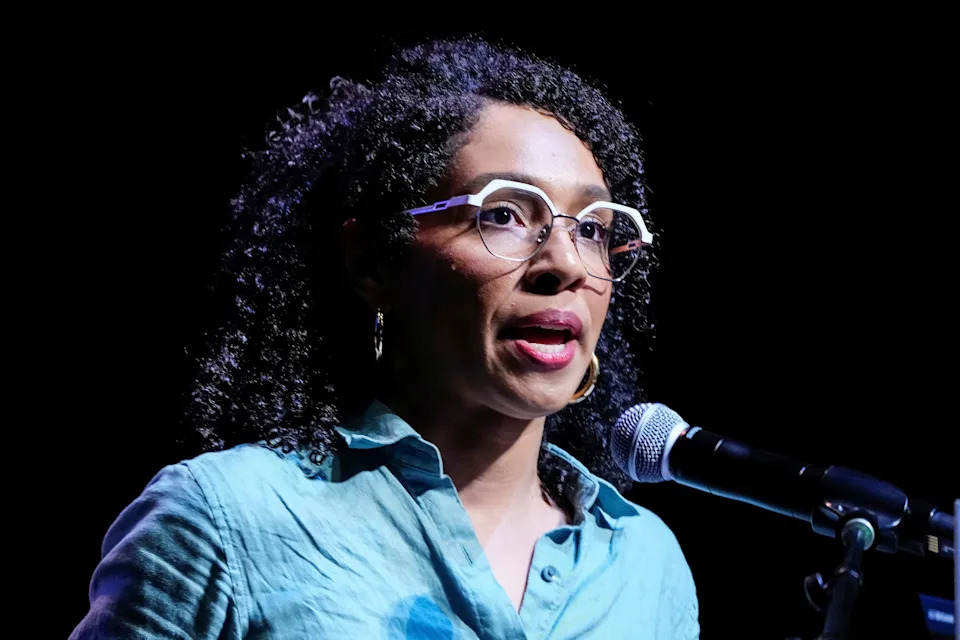
Darializa Avila Chevalier, the Democratic nominee for the U.S. House or Representatives, is endorsed by the Democratic Socialists of America's New York City chapter, of which she is a member.
The DSA platform includes proposals that poll poorly with many voters: transferring major corporations, banks and utilities to public ownership; adopting universal rent control; cancelling all student debt; and pursuing a Green New Deal that envisions a full transition to renewable energy. Those policy positions could complicate general-election prospects for Democratic nominees tied to the DSA.
Organizational and Cultural Challenges
A structural weakness for Democrats is the party's limited appetite for publicly distancing itself from allies on the far left. Practices such as "progressive stacking" — prioritizing speakers from historically marginalized groups in meetings — are embedded in DSA chapter bylaws nationwide. Within this cultural context, many Democratic leaders have been reluctant to openly repudiate DSA activists or call the party platform "problematic."
"What everyone I know wants is sanity. The party that's not crazy first could be in power for 30 years," a Kentucky businesswoman told the author.
The author argues Democrats will probably accommodate their far-left elements but hopes they choose restraint and clearer, more centrist messaging. Both major parties, he suggests, would benefit from prioritizing coherent, moderate appeals to the broad electorate.
Wilfred Reilly, an associate professor of political science at Kentucky State University and author of Taboo: 10 Facts You Can't Talk About and Hate Crime Hoax, originally wrote this opinion piece for USA TODAY.
Help us improve.