The Democratic Party’s progressive surge this summer has produced both victories and internal friction. New and incoming far-left lawmakers are withholding early support from House Leader Hakeem Jeffries over policy and procedural disagreements — notably his comments on "Medicare for All" and recent committee and campaign interventions. While many still expect Jeffries to become speaker if Democrats retake the House, the energized left is pressing for immediate policy wins, committee influence and institutional reforms.
Progressive Surge Puts Pressure on Hakeem Jeffries — New Left-Wing Lawmakers Withhold Support, Demand Policy Wins

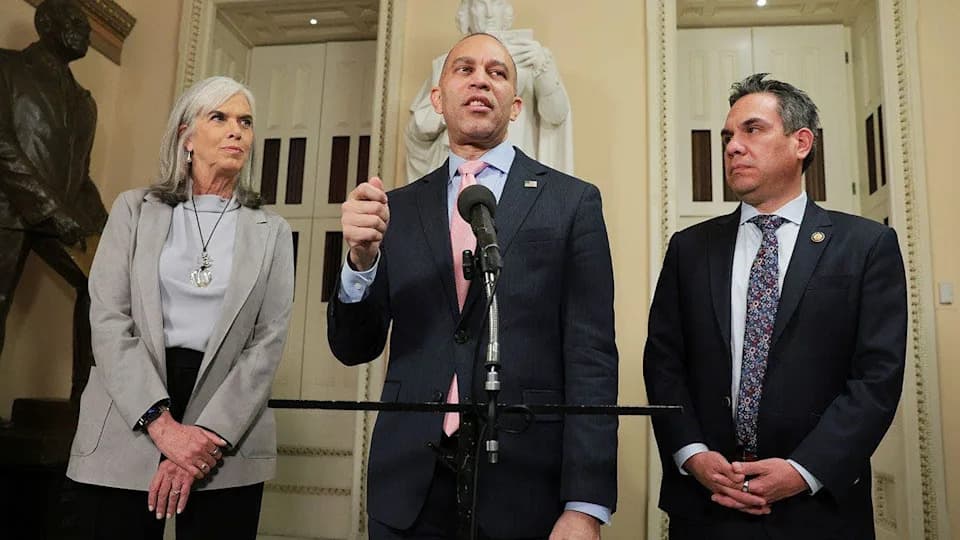
Democratic House Leader Hakeem Jeffries leaves a press conference in the US Capitol on August 31. - Finn Gomez/Getty Images
This summer’s wave of insurgent progressive victories has reshaped parts of the Democratic map and left party leaders contending with an energized left flank demanding tangible policy commitments and institutional change.
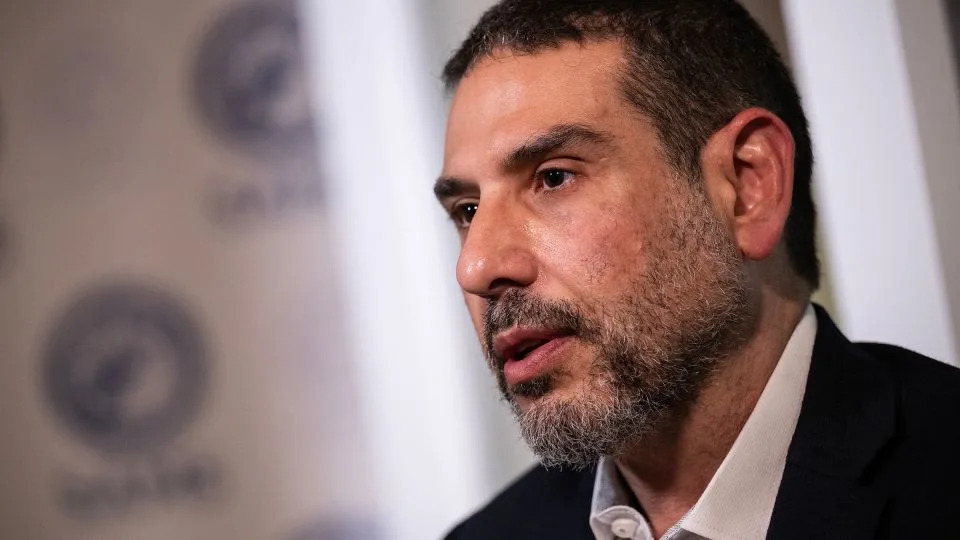
Adam Hamawy speaks during an AFP interview in Washington DC, in June 2024. - Drew Angerer/AFP/Getty Images
A Moment of Momentum — And Friction
Far-left Democrats and recent primary winners say they are buoyed by strong grassroots energy but frustrated that House Democratic Leader Hakeem Jeffries and some in the leadership have not fully embraced their priorities. Progressives point to several flashpoints: Jeffries’ public distancing from the marquee "Medicare for All" proposal, the elevation of a staunch pro-Israel member to a Foreign Affairs subcommittee post, and perceived interventions by party leaders against insurgent candidates in California and Michigan.

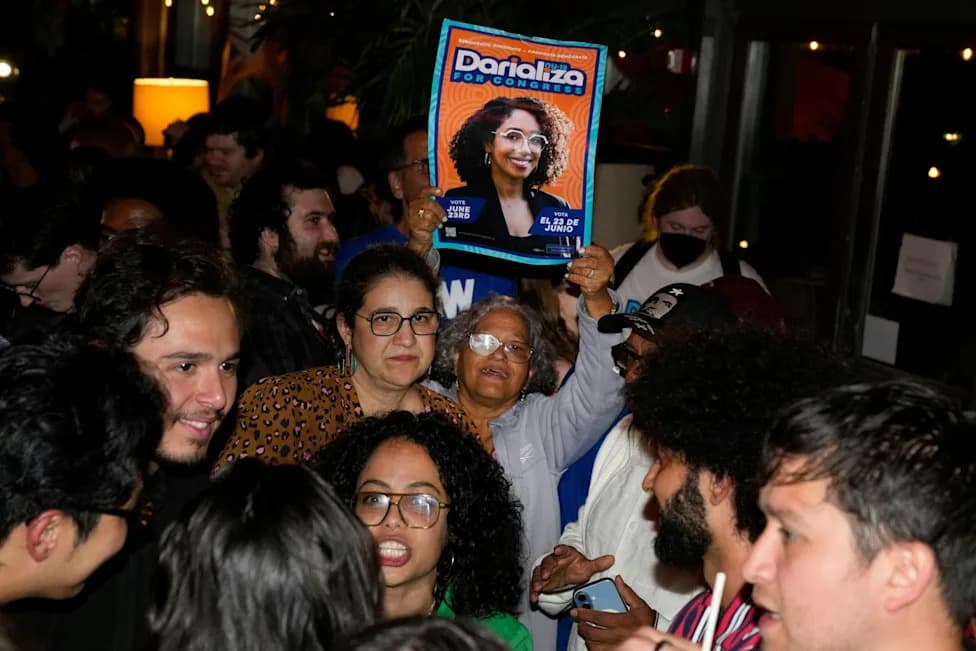
Darializa Avila Chevalier stands for a portrait at Marcus Garvey Park in the Harlem neighborhood of New York on August 12. - Marco Postigo Storel/CNN
Key Tensions
Medicare for All: Rep. Pramila Jayapal, author of the House "Medicare for All" bill, said she was "very confused and surprised" by Jeffries’ comments disavowing the legislation and is having direct conversations with him about it. Progressives say Jeffries’ stance signals a reluctance to embrace the bold reforms that powered many primary wins.
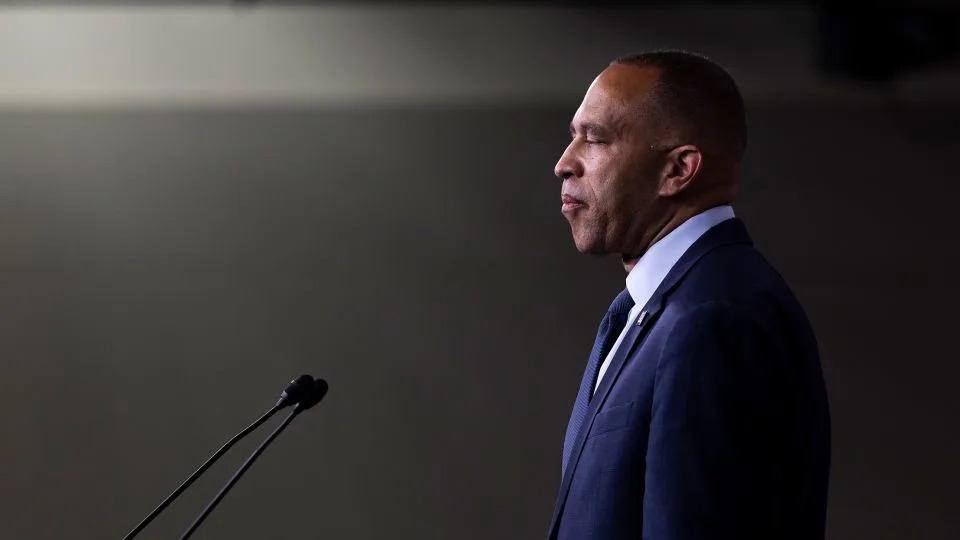
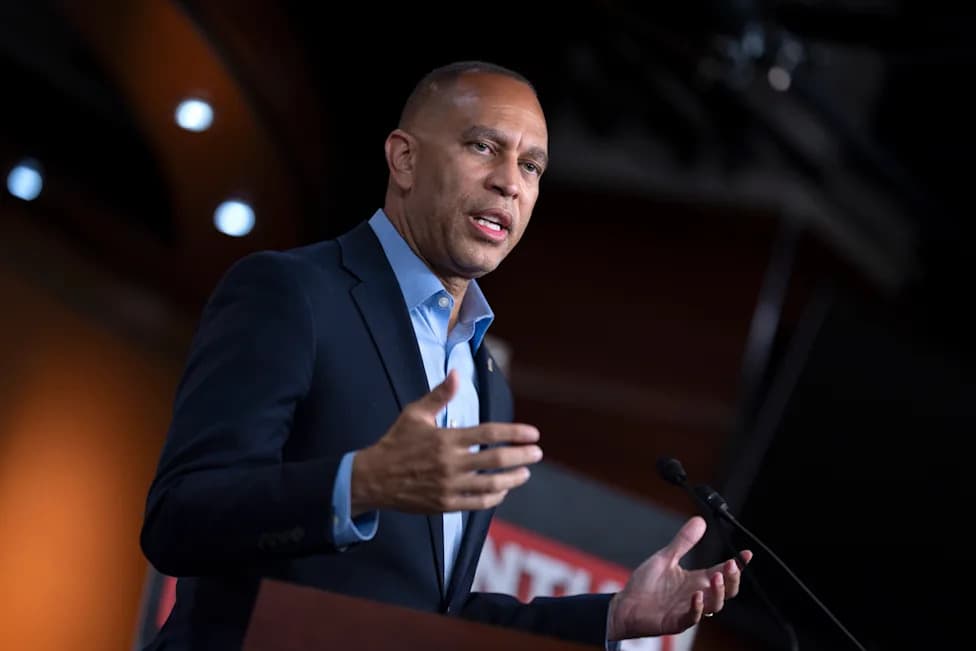
House Minority Leader Hakeem Jeffries speaks during a press conference in the US Capitol on September 3. - Finn Gomez/Getty Images
“We’re not really going in to fight, we’re going in to deliver on what people want,”
— Dr. Adam Hamawy, progressive candidate expected to win a safe New Jersey seat.
Newcomers and Leadership Leverage: Many recent primary victors — including Adam Hamawy (NJ), Claire Valdez and Darializa Avila Chevalier (NY), and Melat Kiros (CO) — say they have not yet committed to supporting Jeffries for speaker if Democrats flip the House. That withholding of early support could give incoming progressives bargaining power on policy priorities, committee assignments and internal rules.
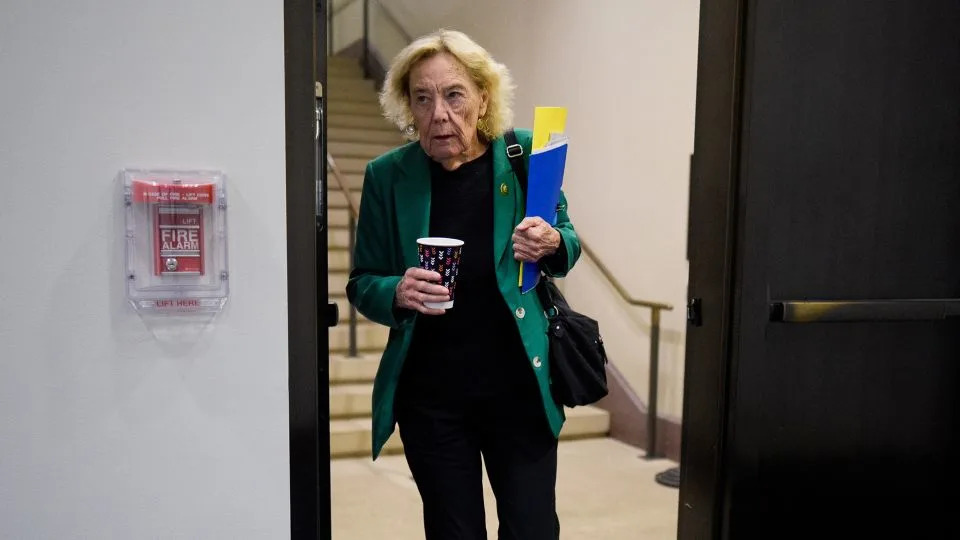
Rep. Zoe Lofgren arrives for a Democratic caucus meeting on September 1. - Andrew Harnik/Getty Images
Procedural Fights and Party Discipline
Centrist defections on key procedural votes earlier in the year embarrassed party leaders and prompted private discussions about stronger penalties for members who vote in ways that materially harm party priorities. That proposal has provoked pushback from both progressives and centrists, and sparked arguments at a closed-door meeting where Progressive Caucus Chair Greg Casar defended members’ right to dissent while others urged unity.
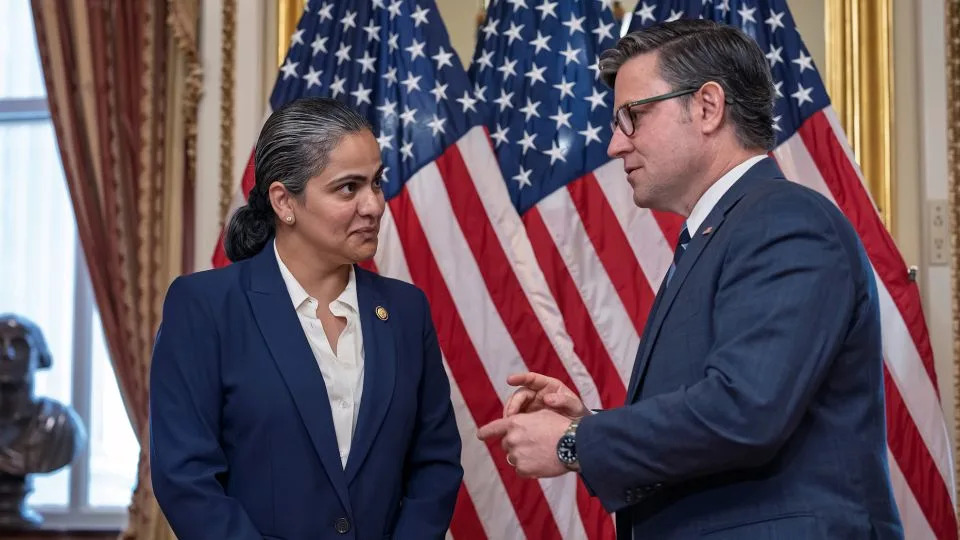
Rep. Aisha Wahab speaks with Speaker of the House Mike Johnson just after she was sworn in, at the US Capitol on September 2. - J. Scott Applewhite/AP
Campaign Interventions and Committee Assignments
Progressives are also angry about campaign interventions and committee moves they say favor establishment or pro-Israel voices. Examples include:
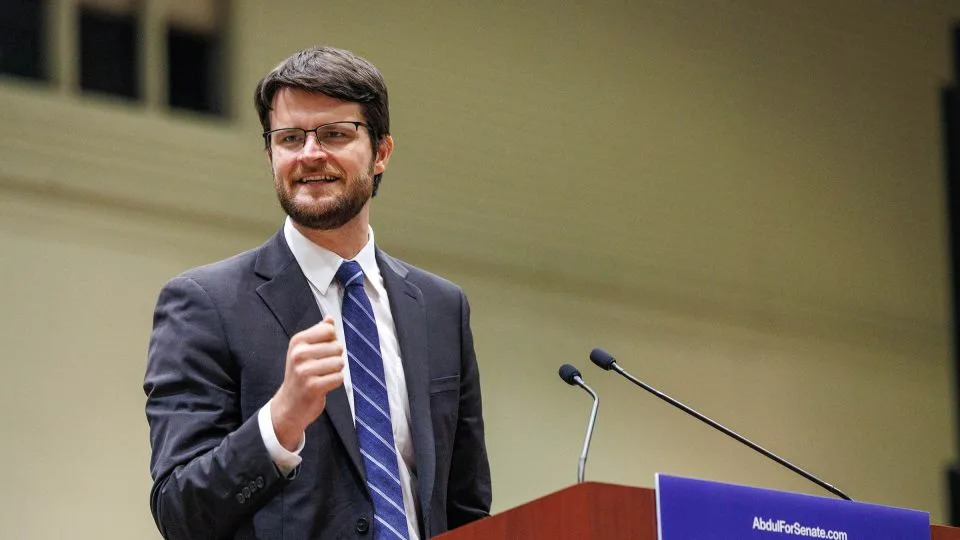
US House candidate William Lawrence speaks at a rally with US Senate candidate Abdul El-Sayed, Sen. Bernie Sanders and Rep. Alexandria Ocasio-Cortez in Lansing, Michigan, on July 19. - Andrew Roth/Sipa USA/AP
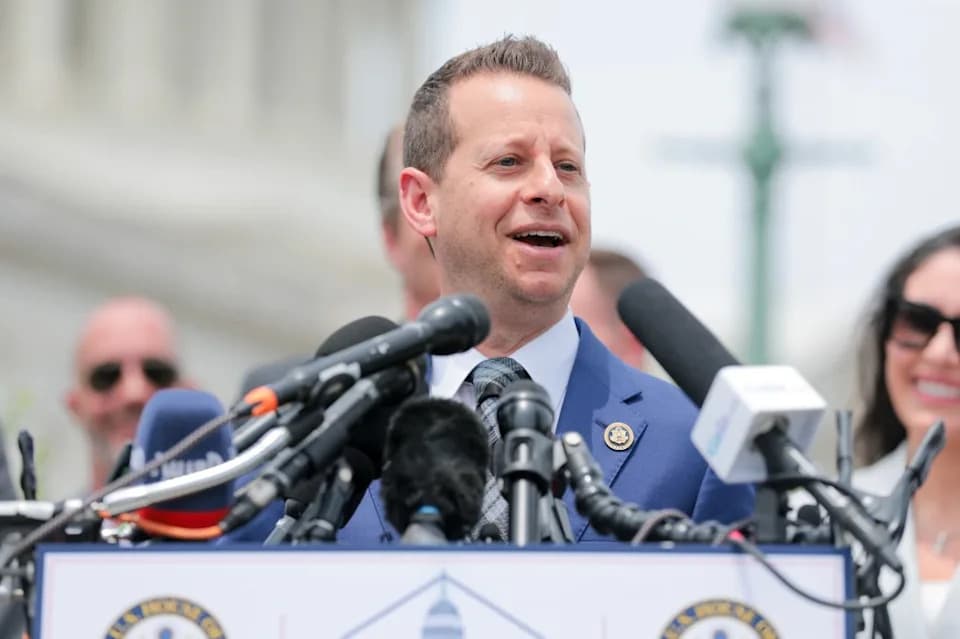
- The elevation of Rep. Jared Moskowitz to a Foreign Affairs subcommittee post — a move progressives associate with pro-Israel influence, though committee leadership says it followed standard procedure.
- California delegation leader Rep. Zoe Lofgren publicly questioning progressive Aisha Wahab’s fitness for Congress and endorsing a moderate alternative during a contentious race — an intervention progressives called unprecedented.
- The DCCC’s hesitation to add Michigan progressive Will Lawrence to its priority list after a dispute with the Congressional Black Caucus over past comments, a decision progressives say withheld critical fundraising support.
What Progressives Want
Incoming progressives say they are focused on deliverables: affordability, anti-corruption measures, universal childcare, raising the minimum wage, and more ambitious proposals such as a Green New Deal for Public Housing, abolishing super PACs and rethinking U.S. policy in the Middle East — including calls to halt certain arms sales to Israel.
Groups like Justice Democrats celebrated a strong primary cycle (nine endorsed candidates won), and organizers say the party establishment should recognize that the grassroots base is shifting.
Outlook
Most progressives CNN spoke with still expect Jeffries to become speaker if Democrats regain the majority next January. But the springboard of this summer’s primaries has created bargaining power for new members and raised the likelihood of early intraparty negotiations over leadership, committee posts and rules. How Jeffries balances the demands of an energized left wing with the electoral pragmatism of centrists will shape the Democratic caucus’ unity and agenda in a closely divided House.
Help us improve.