The post-2024 opening for Democrats to reconnect with working-class voters evaporated as momentum shifted to the progressive left and the Democratic Socialists of America (DSA). DSA-backed candidates won multiple primaries in safe Democratic districts, while the organization now counts roughly 120,000 members — short of a Debs-era per-capita equivalent. Polling shows socialism is far more popular among college-educated Democrats than among the broader public or working-class voters, and DSA's increasingly radical platform risks deepening Democrats' image problem rather than solving it.
Instead Of A Working-Class Reckoning, Democrats Empowered The DSA — And It Could Deepen The Party's Identity Problem
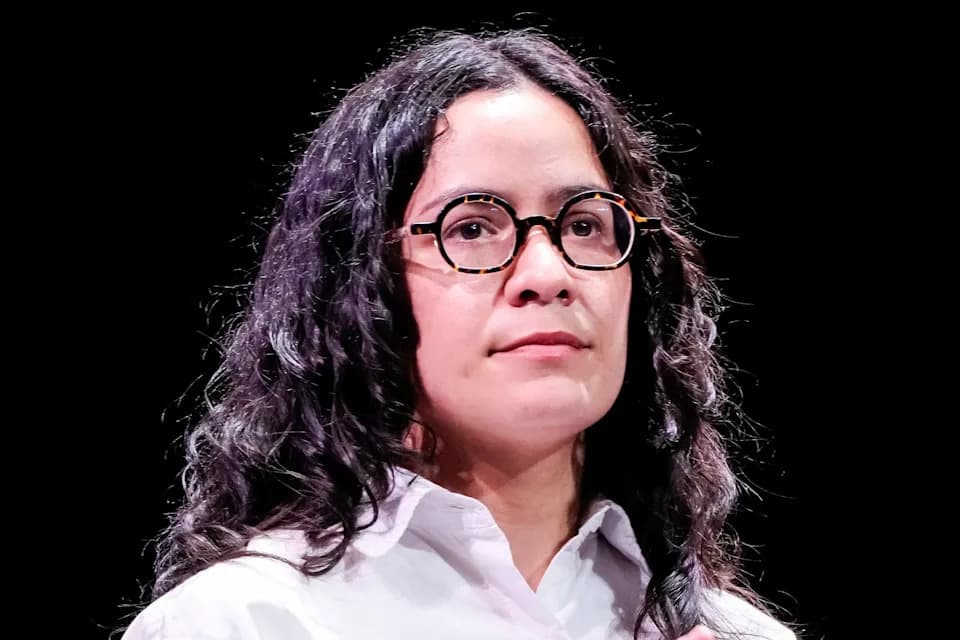
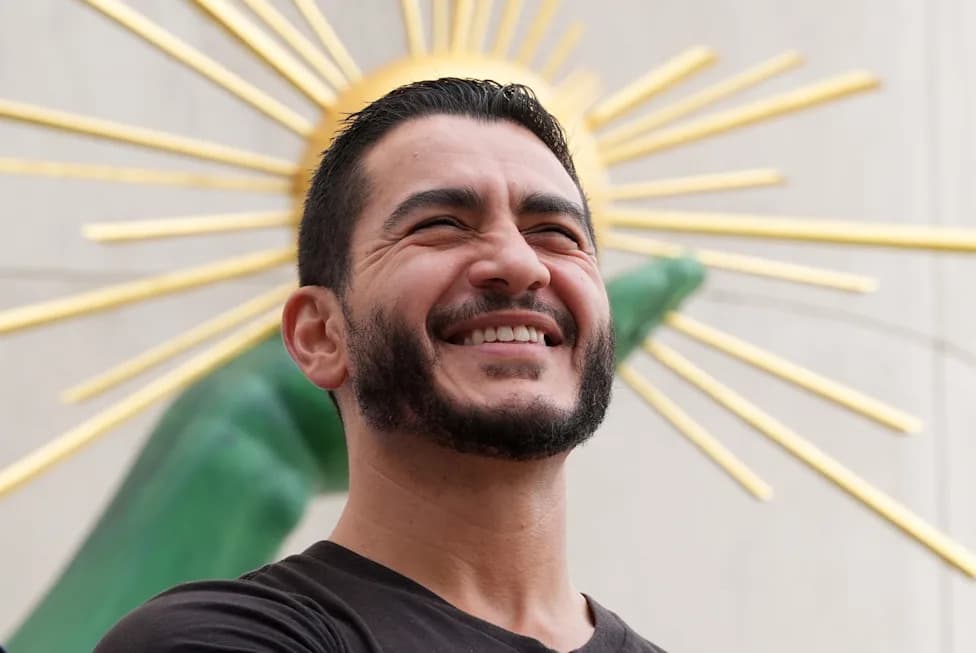
New York state Rep. Claire Valdez is the Democratic nominee for New York's 7th Congressional District. She is a a leader in the New York City Democratic Socialists of America, and they endorsed her.
The Democratic Party's post-2024 chance to reconnect with working-class voters dissolved as energy shifted to the progressive left. Rather than narrowing the cultural and policy gap between liberal professionals who run the party and the median working-class voter, the moment produced a surge of Democratic Socialists of America (DSA) influence — a development that may reinforce, not resolve, Democrats' electoral challenges.
DSA's Electoral Momentum
Zohran Mamdani's 2025 New York City mayoral victory helped catalyze a string of DSA-backed primary wins through the 2026 midterms. In New York, Darializa Avila Chevalier, Brad Lander and Claire Valdez all prevailed in Democratic primaries — including Chevalier's defeat of then–Congressional Hispanic Caucus chair Adriano Espaillat — in districts so safely Democratic that primary wins all but guarantee November victories.
The wave extended beyond New York: Chris Rabb won a Philadelphia Democratic primary, Melat Kiros unseated a 30-year incumbent in Denver, and Donavan McKinney defeated a sitting Michigan congressman in a Detroit-area district. Abdul El-Sayed captured Michigan's Democratic Senate nomination, and Janeese Lewis George won the Democratic nomination for D.C. mayor — making her likely to be the city's first democratic socialist mayor.
Membership, Geography And Reach
DSA now reports roughly 120,000 members, making it the largest socialist organization in modern U.S. history by raw membership. But on a per-capita basis it still falls short of the Socialist Party of Eugene V. Debs's era; reaching parity would require roughly 400,000 members. Much of DSA's success is concentrated in deep-blue, urban districts where winning a Democratic primary usually means winning the general election — places that do not represent the party's full geographic or demographic base.
Public Opinion On Socialism
Polls show a wide divide: socialism is far more popular among college-educated Democrats than among the broader public or working-class voters. Gallup finds about 39% of Americans view socialism positively, while YouGov puts the figure at 31%. An Economist/YouGov June poll found just 29% of Americans would consider voting for a self-identified democratic socialist — 23% among those without a college degree versus 40% among the college-educated. A July Washington Post/Ipsos survey showed overall rejection of a democratic socialist presidential candidate by 16 percentage points, rising to 28 points among voters whose highest education is a high school diploma.
A More Radical Platform
Rather than moderating to broaden appeal, DSA's updated national platform (released July 14) includes sweeping proposals: abolishing the U.S. Senate, replacing the president and Supreme Court with an executive and judiciary subordinate to Congress, defunding police departments on a path toward abolishing policing and prisons, unrestricted amnesty for immigrants and elimination of ICE. It also endorses reparations for slavery, a Green New Deal, universal rent control, defunding the Pentagon, a 32-hour workweek, expansive gender-affirming care access and public ownership of the nation's largest corporations. These positions are unmistakably bold and, in many cases, widely unpopular among the overall electorate.
Institutional Response And Party Branding
Surprisingly few mainstream Democrats have drawn firm lines against the DSA's rise. A small group of moderates circulated a modest "Promise to America" pledge that included lines such as "We are capitalist, not socialist" and "We want safety, not lawlessness," but only 10 sitting House Democrats out of 212 signed it. Just eight House Democrats voted with Republicans on a September resolution condemning socialism and the DSA. Some progressives have embraced the label outright — Sen. Ed Markey famously told a rally,
"Give us more of that socialism."
What This Means For Democrats
The upshot is straightforward: the party that needs to rehabilitate its image among working-class voters has instead become more closely associated with a movement whose membership, ideology and strongest successes are centered among urban, college-educated voters. That trend increases the risk of deeper reliance on highly educated constituencies and offers little immediate remedy for the working-class defections that contributed to the 2024 defeat.
Ruy Teixeira is a nonresident senior fellow at the American Enterprise Institute, where he studies party coalitions and the future of American electoral politics.
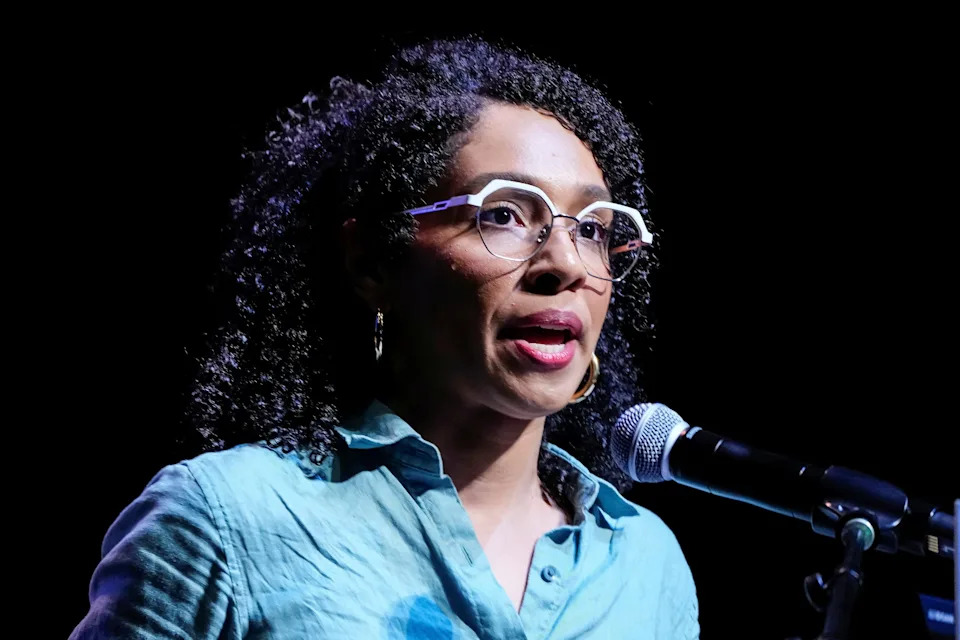
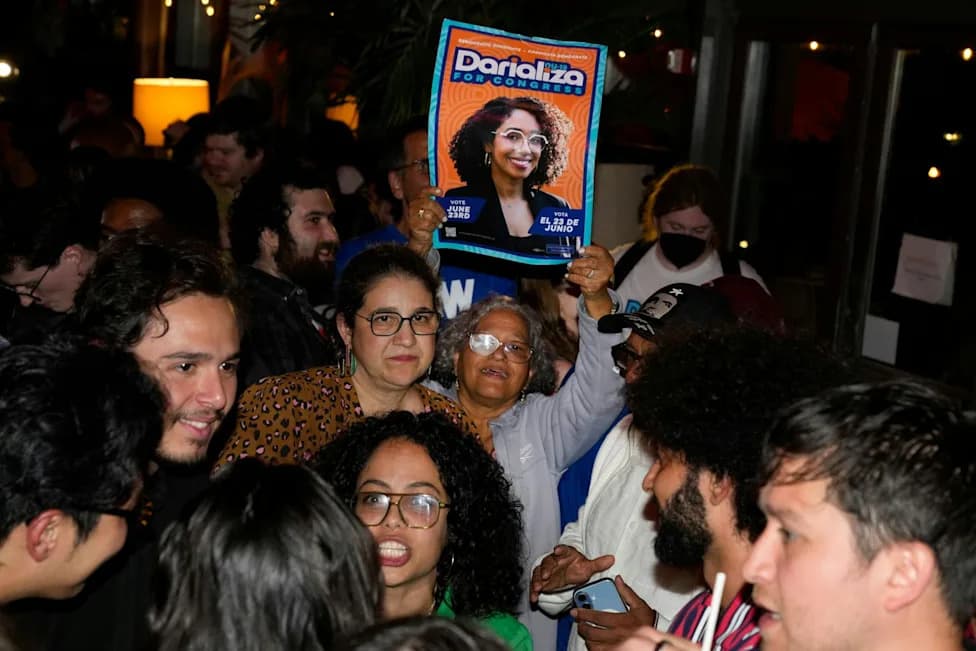
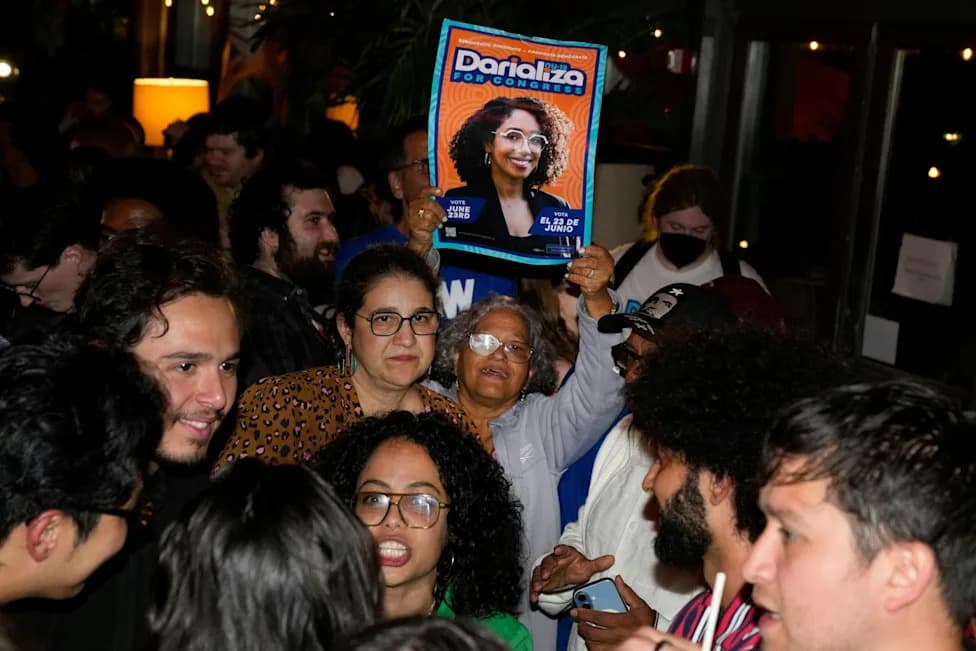
Darializa Avila Chevalier is the Democratic nominee for New York's 13th Congressional District. She was endorsed by the Democratic Socialists of America's New York City chapter, which she is a member of.
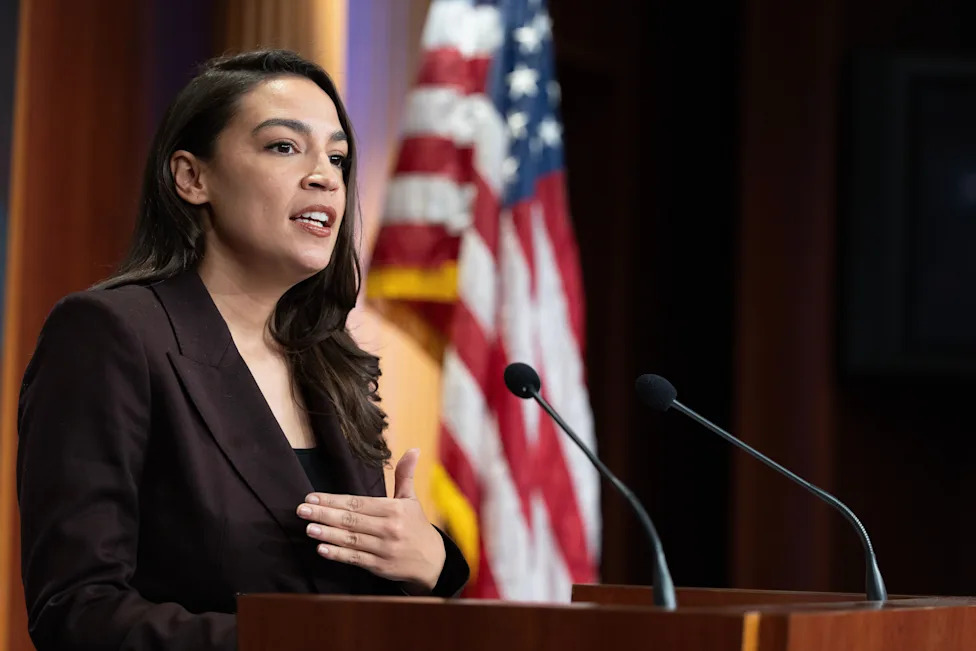
Rep. Alexandria Ocasio-Cortez, D-New York, speaks at a press conference on March 25, 2026 in Washington, DC. Ocasio-Cortez is a democratic socialist from New York City.(Tasos Katopodis, Getty Images)
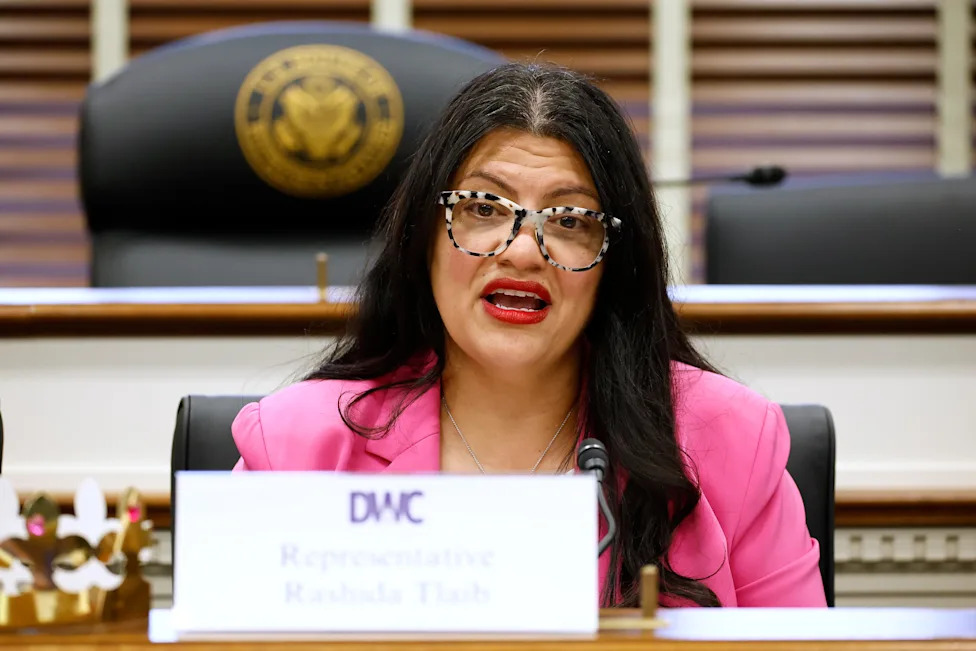
Rep. Rashida Tlaib, D-Michigan, speaks at the Rayburn House Office Building in Washington, DC on April 28, 2026. Tlaib is a democratic socialist representing the Detroit area.(Paul Morigi, Getty Images for MomsRising)

New York City Mayor Zohran Mamdani celebrates America's 250th anniversary at the Empire State Building on July 4, 2026.(John Nacion/Getty Images for Empire State Realty Trust)
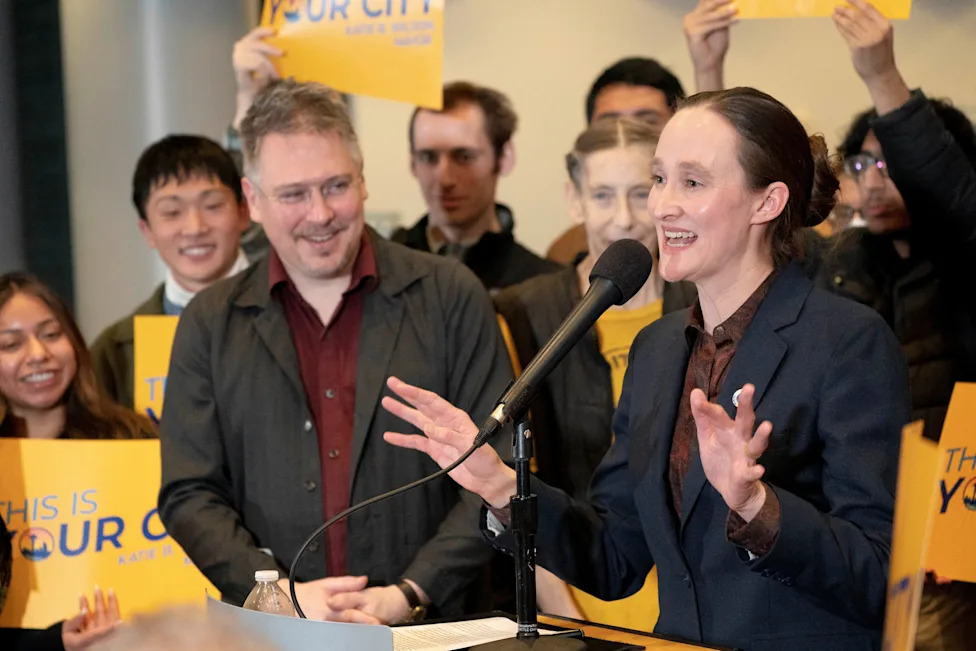
Katie Wilson, a democratic socilaist, speaks after being sworn in as the new mayor during a ceremony at City Hall, accompanied by her husband, Scott Myers, in Seattle, Washington on Jan. 2, 2026.(David Ryder, REUTERS)
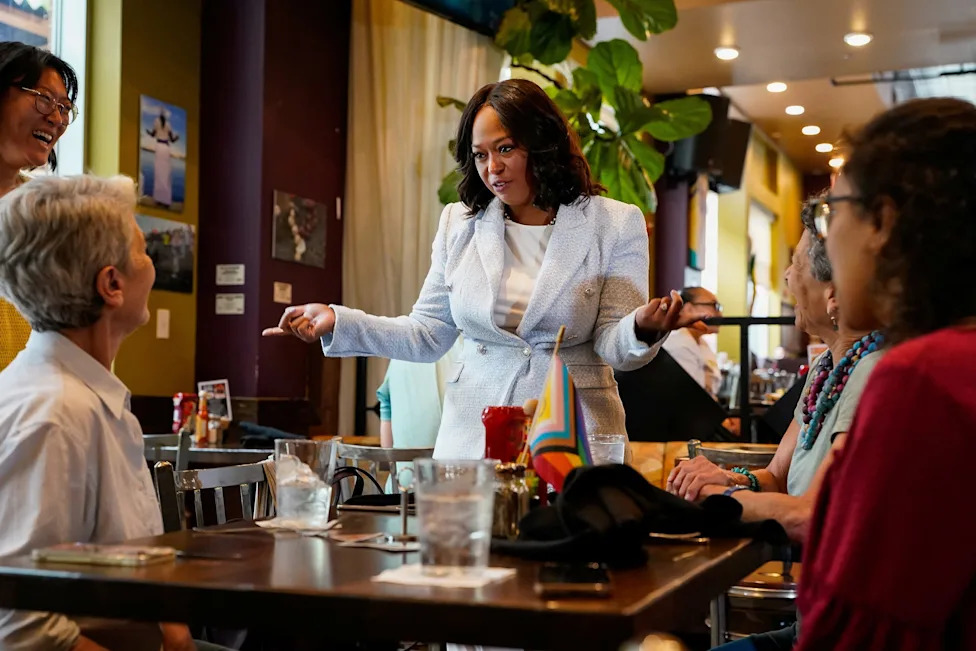
Washington, DC, City Councilmember Janeese Lewis George, a democratic socialist candidate for mayor, speaks with campaign staff and volunteers ahead of a news conference to discuss the D.C. Democratic primary results, in Washington, DC on June 18, 2026.(Elizabeth Frantz, REUTERS)
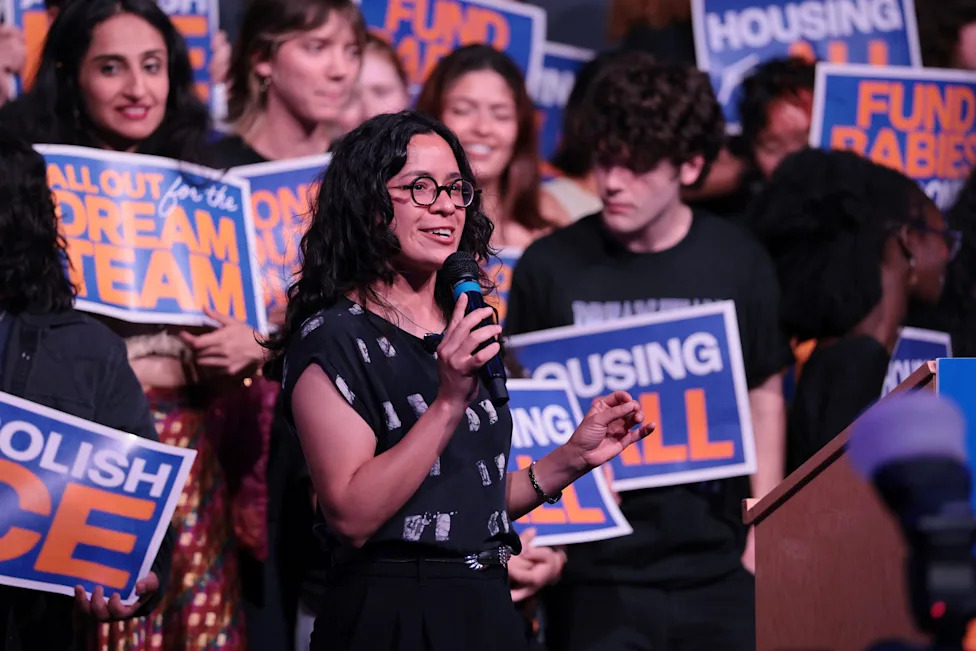
Democratic Congressional candidate Claire Valdez speaks during an election eve rally at Silo on June 22, 2026, in Brooklyn, New York City. Valdez ran among a slate of democratic socialist candidates endorsed by New York City Mayor Zohran Mamdani.(Michael M. Santiago, Getty Images)
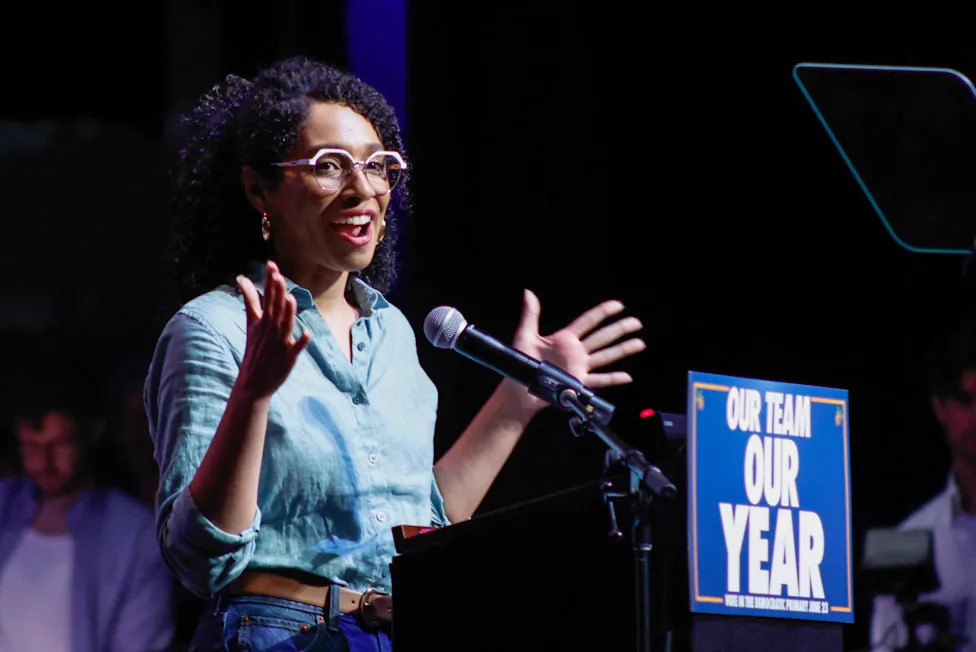
Darializa Avila Chevalier speaks during a rally at the Kings Theatre in Brooklyn, New York, on June 18, 2026. Avila Chevalier is a democratic socialist who unseated incumbent Rep. Adriano Espaillat, D-New York, in the Democratic primary.(KENA BETANCUR, AFP via Getty Images)
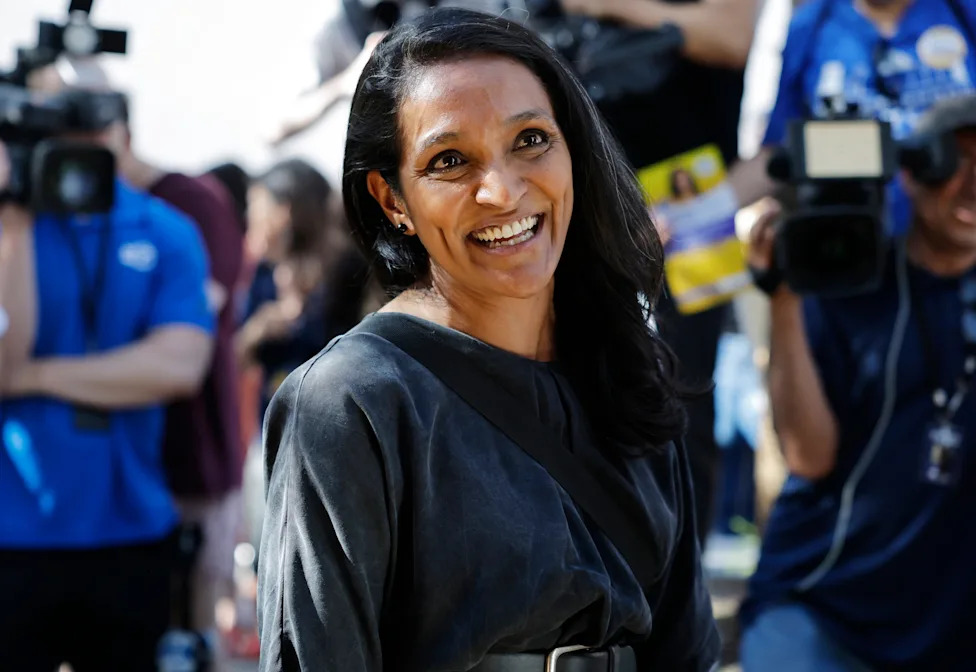
Los Angeles City Council member Nithya Raman attends a campaign celebration marking her advance into the general election on June 13, 2026 in North Hollywood, Calif. Raman, a democratic socialist, advanced to a November runoff election with Los Angeles Mayor Karen Bass.(Mario Tama, Getty Images)
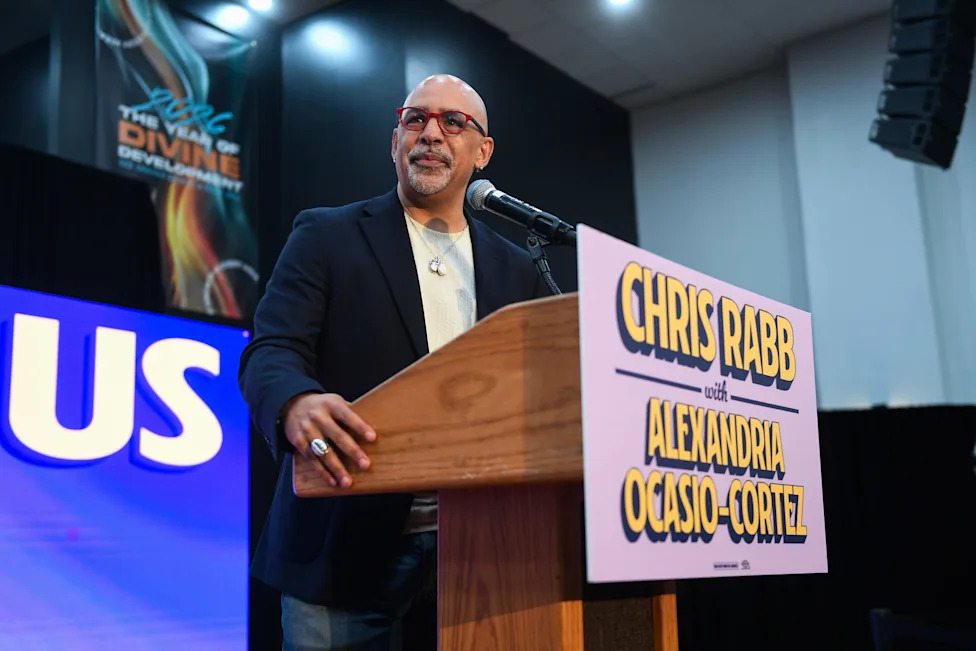
Pennsylvania State Rep. Chris Rabb takes the stage to deliver remarks during a rally with Rep. Alexandria Ocasio-Cortez (D-NY) who spoke and supported Rabb on May 15, 2026 in Philadelphia. Rabb is a democratic socialist who won in his Democratic primary.(Matthew Hatcher, Getty Images)
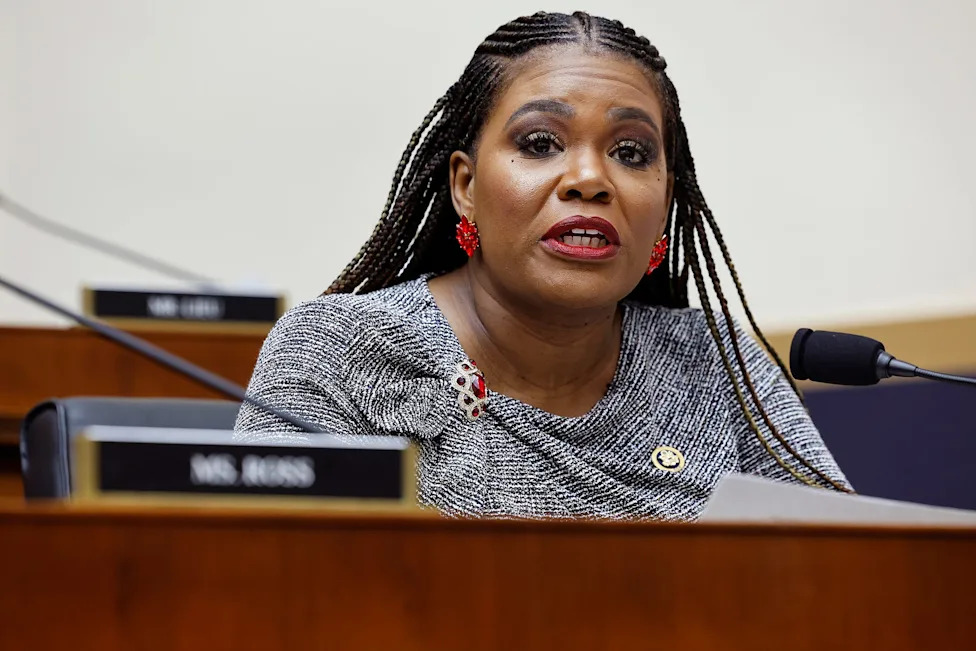
Now former Rep. Cori Bush, D-Missouri, questions former Special Counsel Robert Hur testifies during a 2024 hearing in Washington, DC. Bush ran as a democratic socialist and is running in the 2026 midterm elections for the seat she lost in 2024.(Chip Somodevilla, Getty Images)
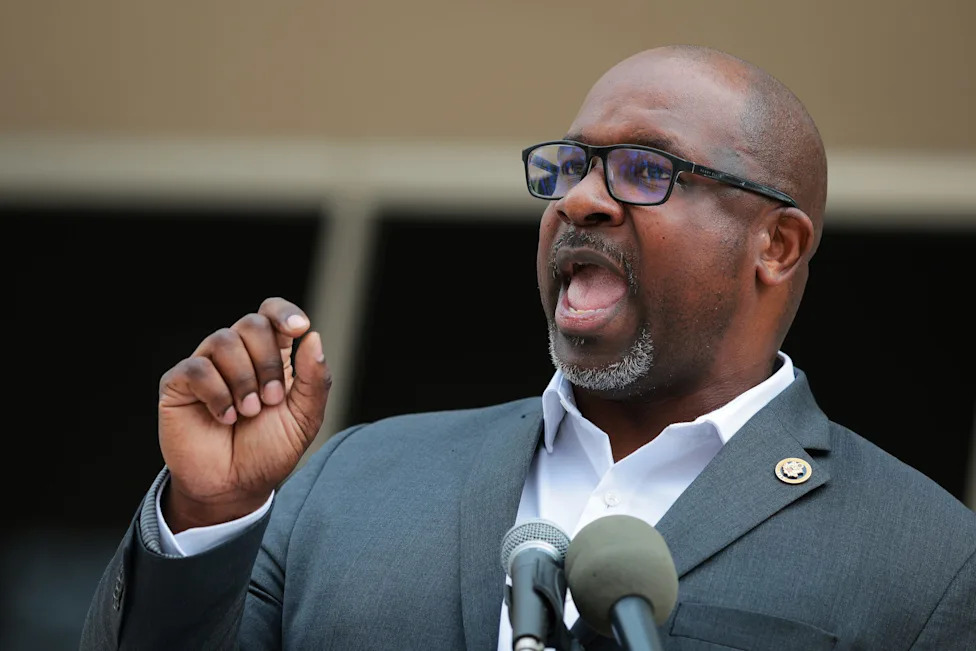
Former Rep. Jamaal Bowman, D-New York, is a democratic socialist who represented parts of Westchester County and the Bronx in New York before losing his seat in 2024.(Kayla Bartkowski, Getty Images)
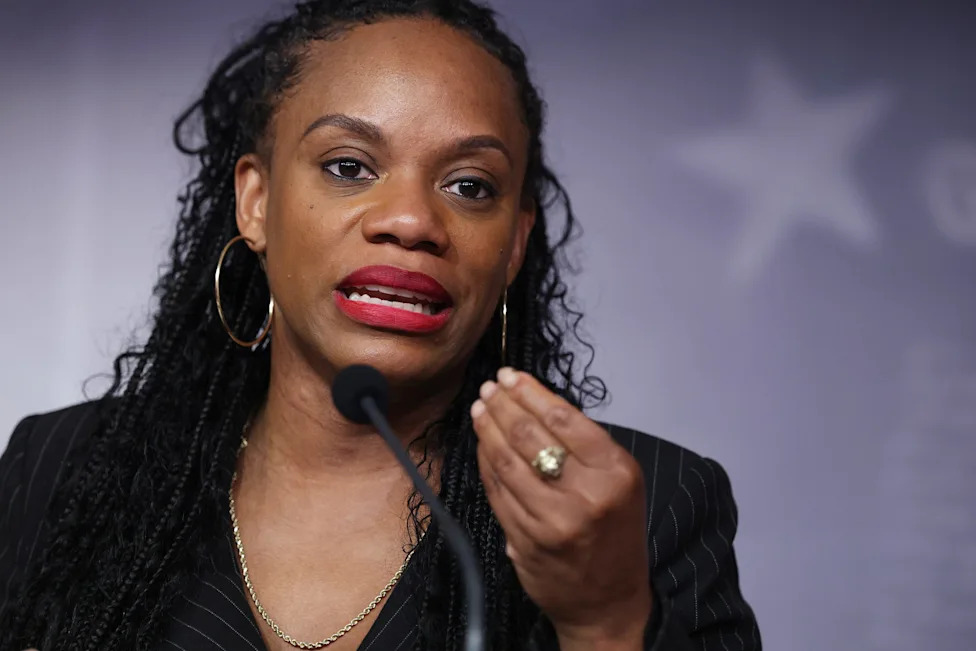
U.S. Rep. Summer Lee, D-Pennsylvania, is a former democratic socialist who still sides with the progressive wing of the Democratic Party.(Alex Wong, Getty Images)
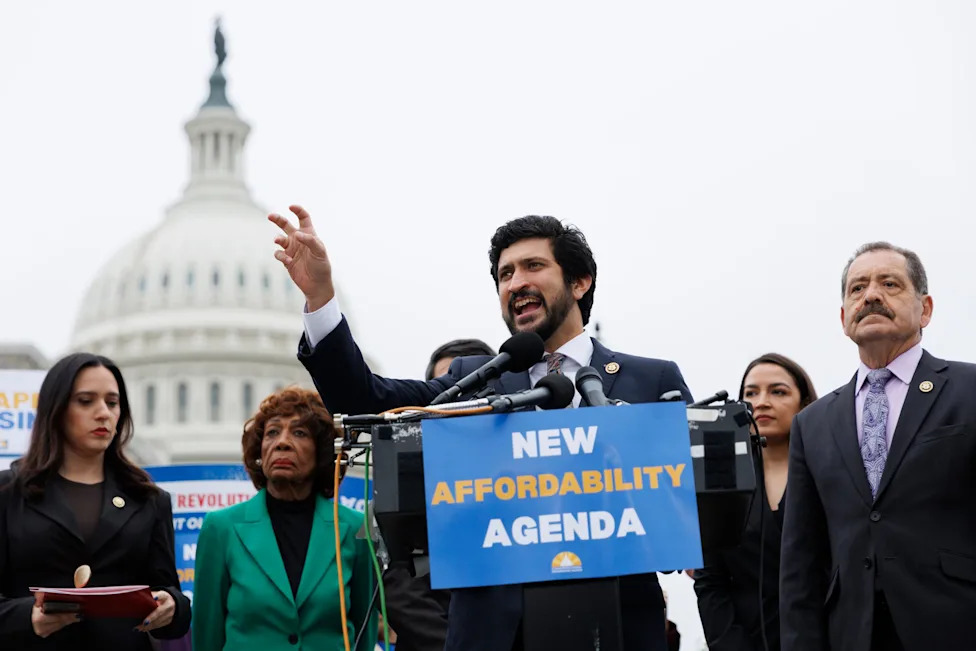
Rep. Greg Casar, D-Texas, center, is a former democratic socialist who has backed economic messages for Democrats that are often championed among the progressive wing of the party.(Tom Brenner, Getty Images)
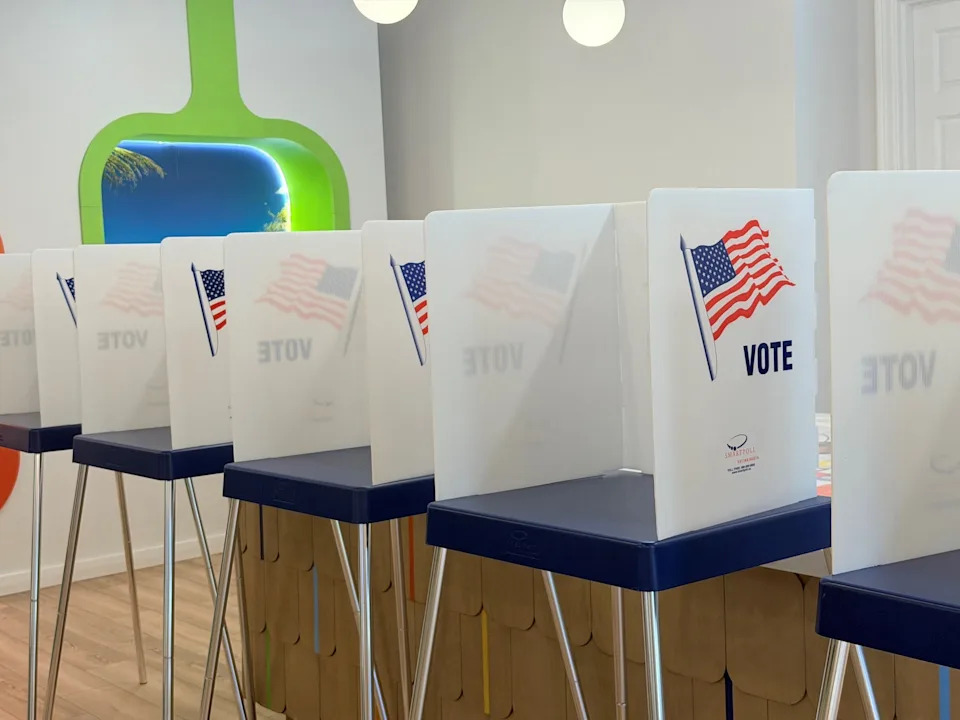
Voting booths are set up for the Aug. 18, 2026, Florida primary in Collier Precinct 595 in Ave Maria.
Help us improve.