Overview: The 2026 primary season has intensified a clash between Democratic progressives and centrists. Progressives have won more primaries overall, driven by stronger grassroots infrastructure and a disciplined economic message, while centrists have retained important victories in governor and competitive-seat contests. The true test will be November: general‑election outcomes in battleground districts will determine which wing gains lasting influence and shape strategy heading into 2028.
2026 Primaries Are Recasting the Democratic Party — Progressives Surge While Centrists Hold Key Battlegrounds
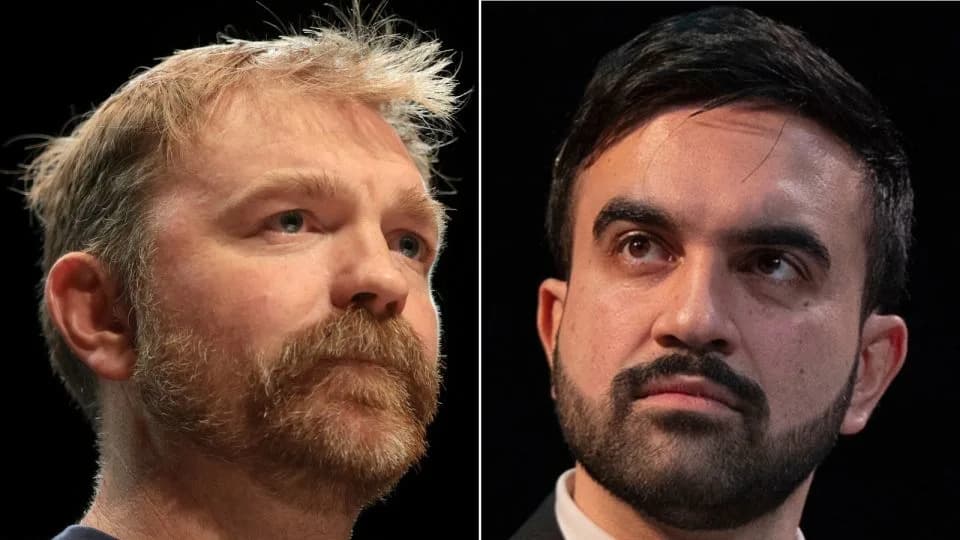
Graham Platner and Zohran Mamdani - Getty Images/AP
The fight over the Democratic Party’s direction has intensified in 2026, with New York’s upcoming primary poised to be another high‑stakes showdown between progressive and centrist factions. From Maine to California, a wave of contested primaries for local, state and congressional seats has exposed generational and ideological rifts and reshaped internal party dynamics.
A Year of Unusual Primary Intensity
Progressive groups have recorded more primary wins so far, buoyed by robust recruitment, training and grassroots organizing. High-profile progressive victories include Graham Platner’s Senate nomination in Maine and Zohran Mamdani’s win in the New York City mayoral primary. At the same time, centrists have held important ground: Xavier Becerra won California’s gubernatorial primary and Josh Turek prevailed in Iowa’s Senate contest.
Why the Left Is Advancing
Progressive organizations — including Our Revolution, the Progressive Change Campaign Committee, Justice Democrats and Leaders We Deserve — have built durable pipelines to identify, groom and fund candidates. Many progressive winners are political veterans of down‑ballot campaigns who have matured into credible contenders for higher office. Their message centers on economic populism: Medicare for All–style reforms, wealth taxes, stronger labor and consumer protections, and immigration changes including calls to overhaul or replace ICE.
“These are not candidates coming out of nowhere — a lot of these candidates have run for down‑ballot offices and gained governing experience and are graduating up,” said Joseph Geevarghese of Our Revolution.
Centrist Resilience and Strategic Wins
Centrists point out that many progressive victories have come in safely Democratic districts, while competitive swing seats that will decide control of the House and Senate continue to favor more moderate nominees. Governors’ races have been a relative bright spot for the center: Becerra’s California victory, Mikie Sherrill’s New Jersey gubernatorial campaign, and Hannah Pingree’s Maine primary performance are examples of centrists prevailing where they mattered.
Major Issues Driving Primaries
Economic populism has been the clearest through line for successful progressive campaigns this cycle, with many deliberately downplaying polarizing cultural rhetoric in favor of bread‑and‑butter appeals. A second defining issue has been Israel’s war in Gaza and the role of AIPAC: candidates’ positions on Israel and campaign contributions from pro‑Israel groups have become flashpoints in many primaries.
The Stakes: Electability vs. Ideology
The ultimate test of which wing gains lasting influence will come in the general elections. If progressive nominees lose competitive November contests — for example, the Valadao House seat, Maine districts and the Platner–Collins Senate matchup — centrists will argue that left‑leaning nominees weaken Democratic prospects in swing terrain. Complicating matters, Republicans have sometimes spent on Democratic primaries to boost more extreme nominees whom they believe are easier to beat.
What To Watch Next
- New York’s primary results, especially Mamdani‑backed House candidates.
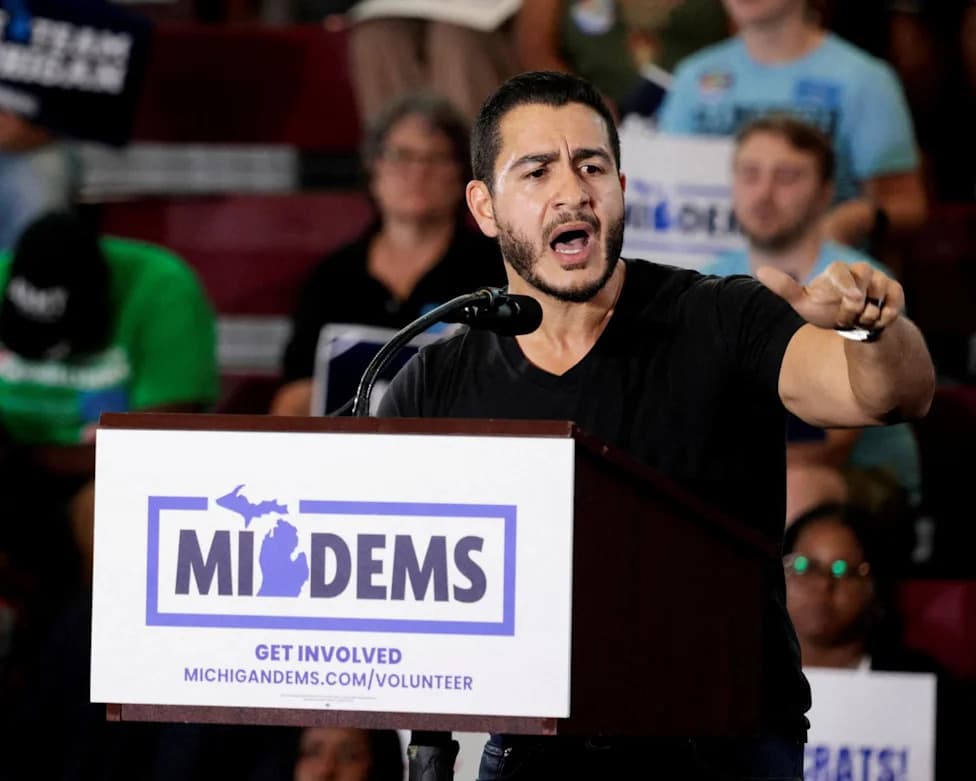
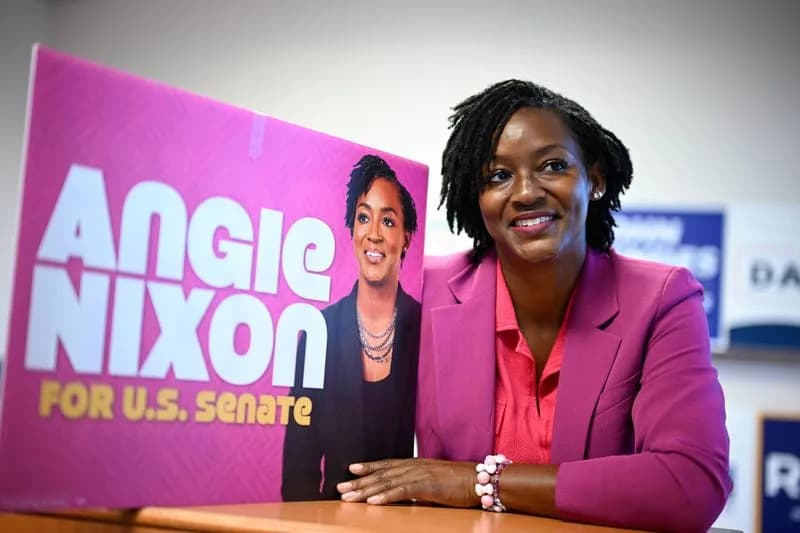
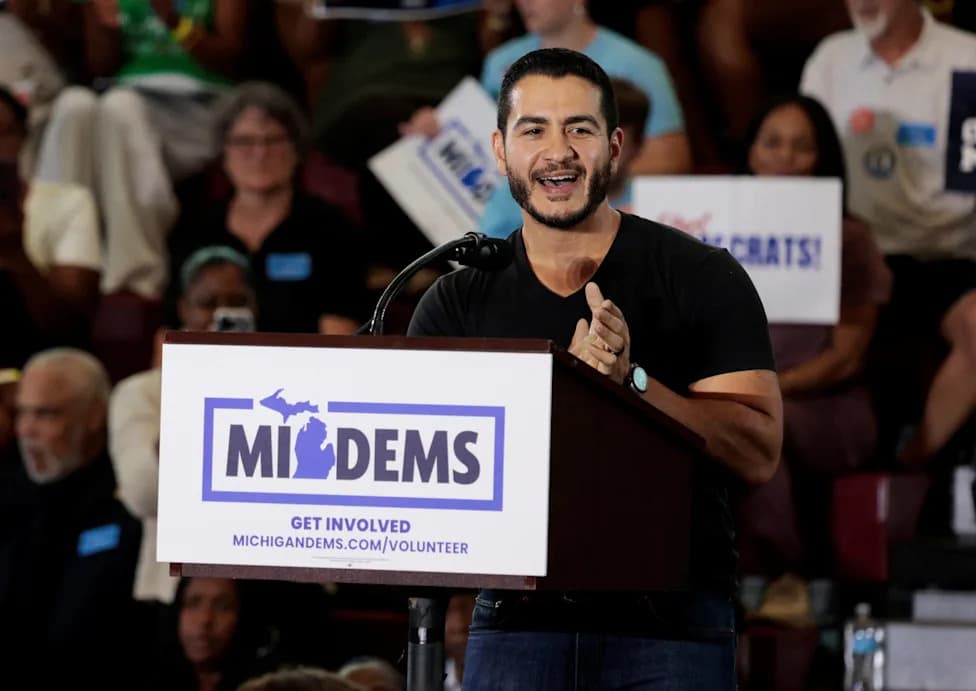
- Several left‑vs‑center Senate contests later this year in Minnesota, Michigan and Massachusetts.
- How progressive nominees perform in competitive general elections and whether their candidacies affect down‑ballot outcomes.
Whatever the immediate outcome, 2026’s primaries are reshaping the Democratic coalition: the party now faces a complex tradeoff between the energized base’s policy demands and the centrists’ focus on electability in swing districts. Those tensions will reverberate into 2028 and beyond as Democrats decide what kind of coalition they need to win national power.
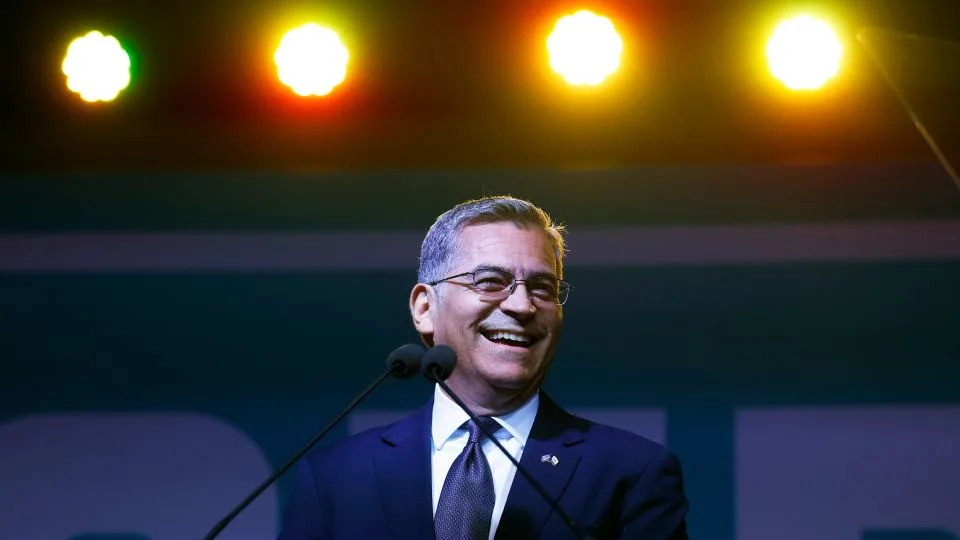
Democratic gubernatorial candidate Xavier Becerra speaks to supporters during his election night gathering at La Plaza de Cultura y Artes on June 2, in Los Angeles, California. - Justin Sullivan/Getty Images
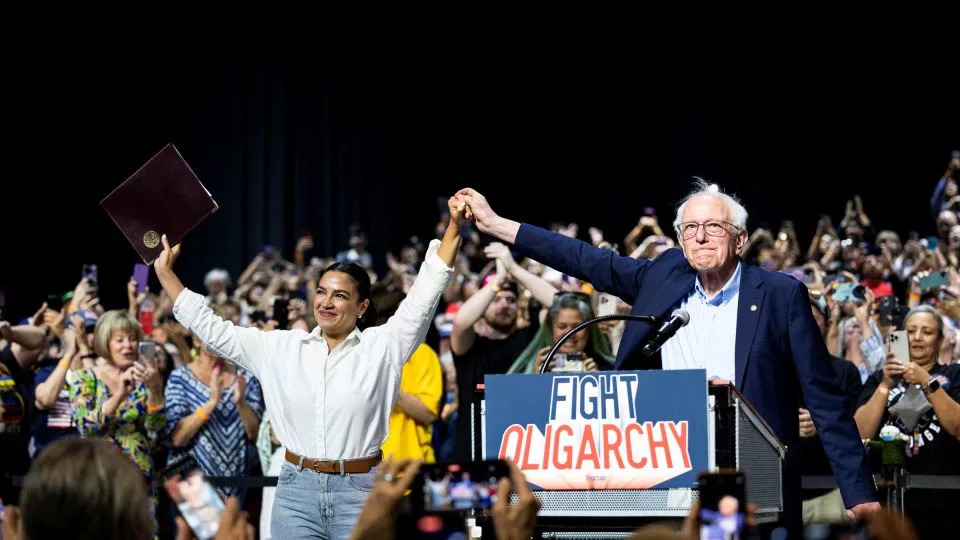
Rep. Alexandria Ocasio-Cortez and Sen. Bernie Sanders at a stop on the "Fighting Oligarchy" tour in Bakersfield, California, on April 15, 2025. - Aude Guerrucci/Reuters
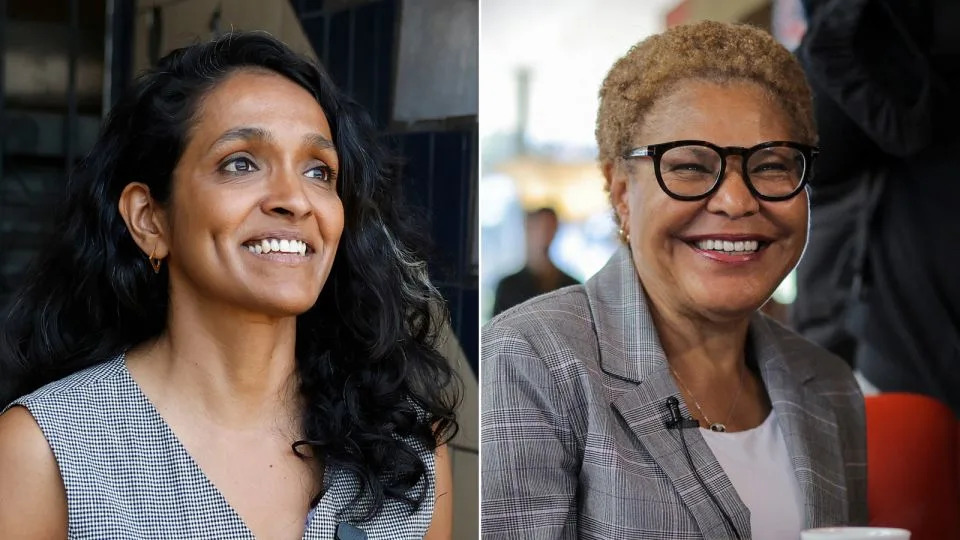
Nithya Raman and Karen Bass. - Getty Images/Reuters
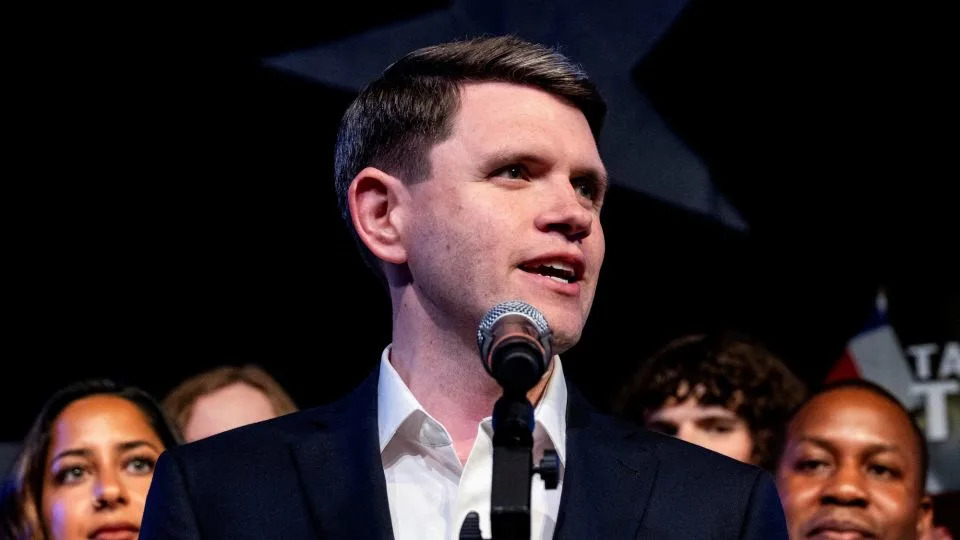
Democratic US Senate candidate for Texas James Talarico speaks during his primary election night party in Austin, Texas,on March 4. - Joel Angel Juarez/Reuters
A person wears a Democrat donkey pin on September 21, 2018, in Philadelphia, Pennsylvania. - Mark Makela/Getty Images
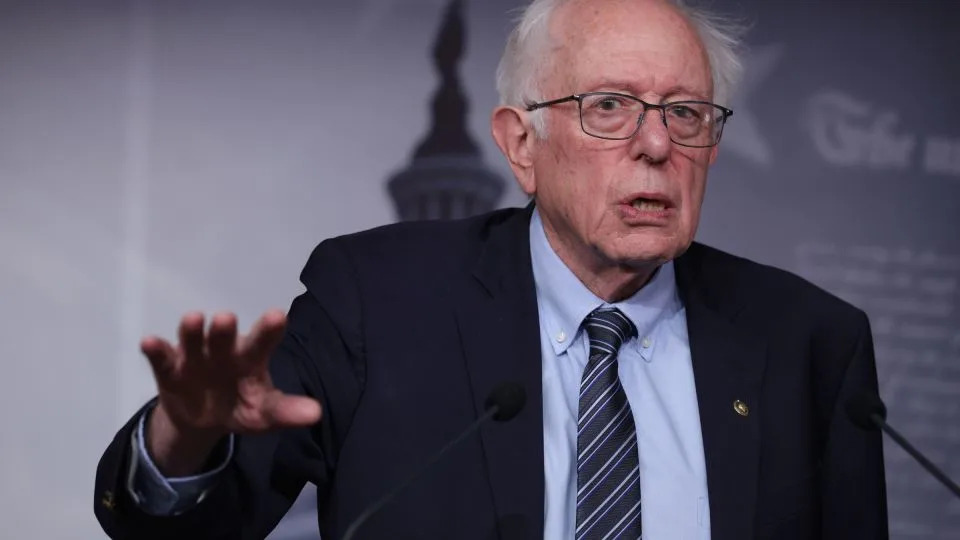
Sen. Bernie Sanders speaks during a news conference at the US Capitol on May 20 in Washington, DC. - Alex Wong/Getty Images
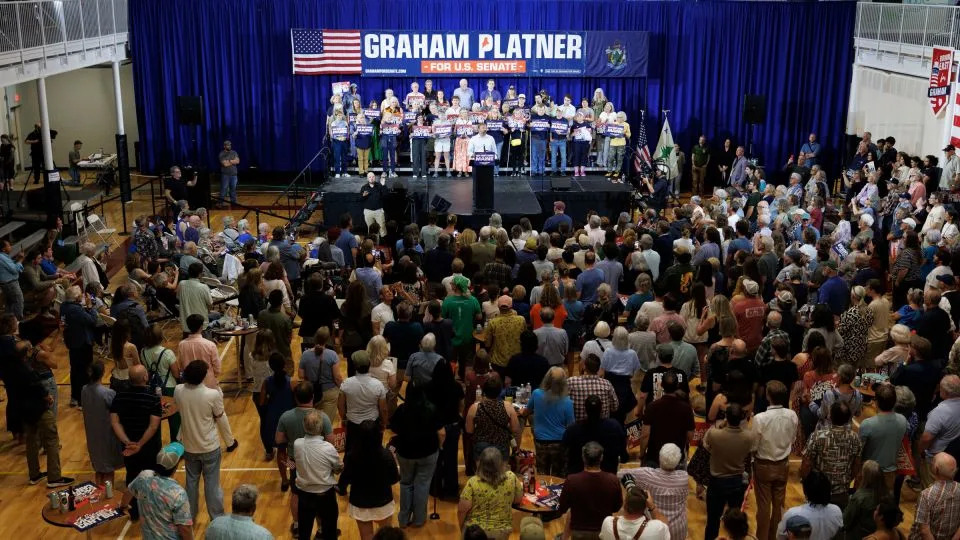
Democratic US Senate candidate Graham Platner speaks at his primary election event on June 9 in Blue Hill, Maine. - CJ Gunther/Getty Images
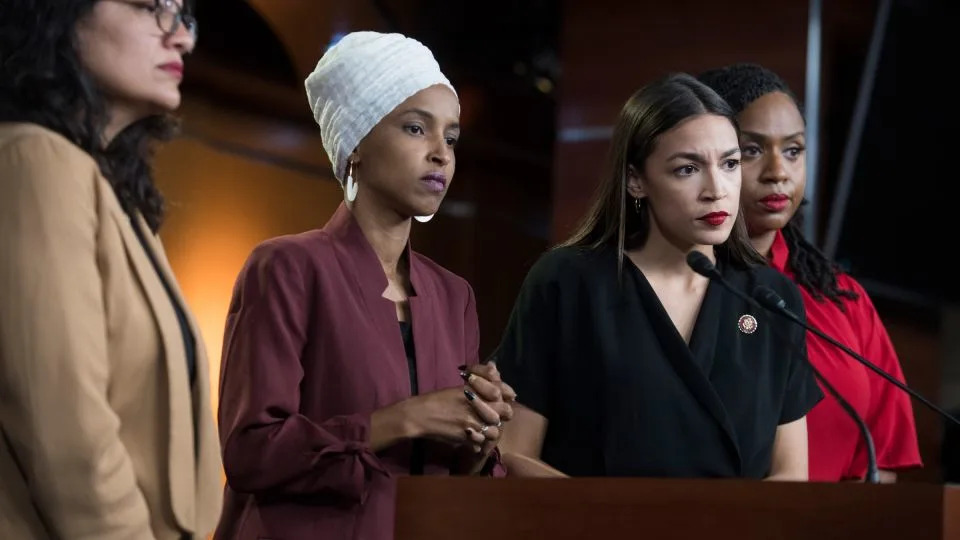
From left, Reps. Rashida Tlaib, D-Mich., Ilhan Omar, D-Minn., Alexandria Ocasio-Cortez, D-N.Y., and Ayanna Pressley, D-Mass., conduct a news conference in the Capitol Visitor Center responding to negative comments by President Trump that were directed at the freshman House Democrats on July 15, 2019. - Tom Williams/CQ-Roll Call, Inc./Getty Images
Help us improve.