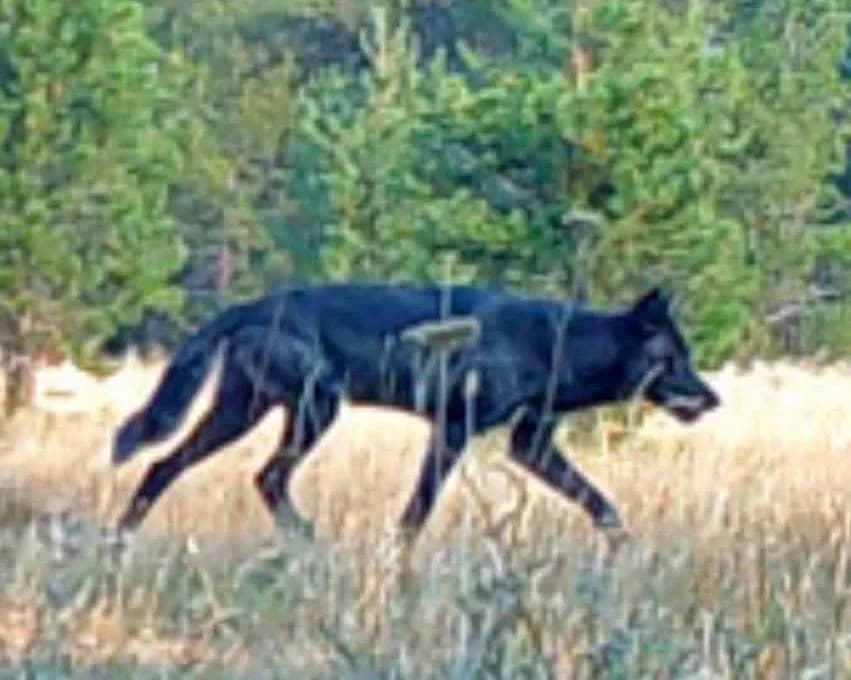
Yellowstone's wolf reintroduction is widely cited as a clear example of a trophic cascade: wolves reduce elk browsing and allow aspen to recover. A 2025 study claimed a dramatic 152-fold increase in aspen saplings after wolves returned. A 2026 rebuttal by Daniel MacNulty and colleagues argues methodological errors — including a miscalculated baseline, non-independent samples, and metrics skewed by a few plots — reduce that figure to about a 17.5-fold increase. The debate reinforces that predator effects are real but context-dependent and that robust methods are essential for strong claims.
New Analysis Says Yellowstone Wolves' Role In Aspen Recovery Was Overstated
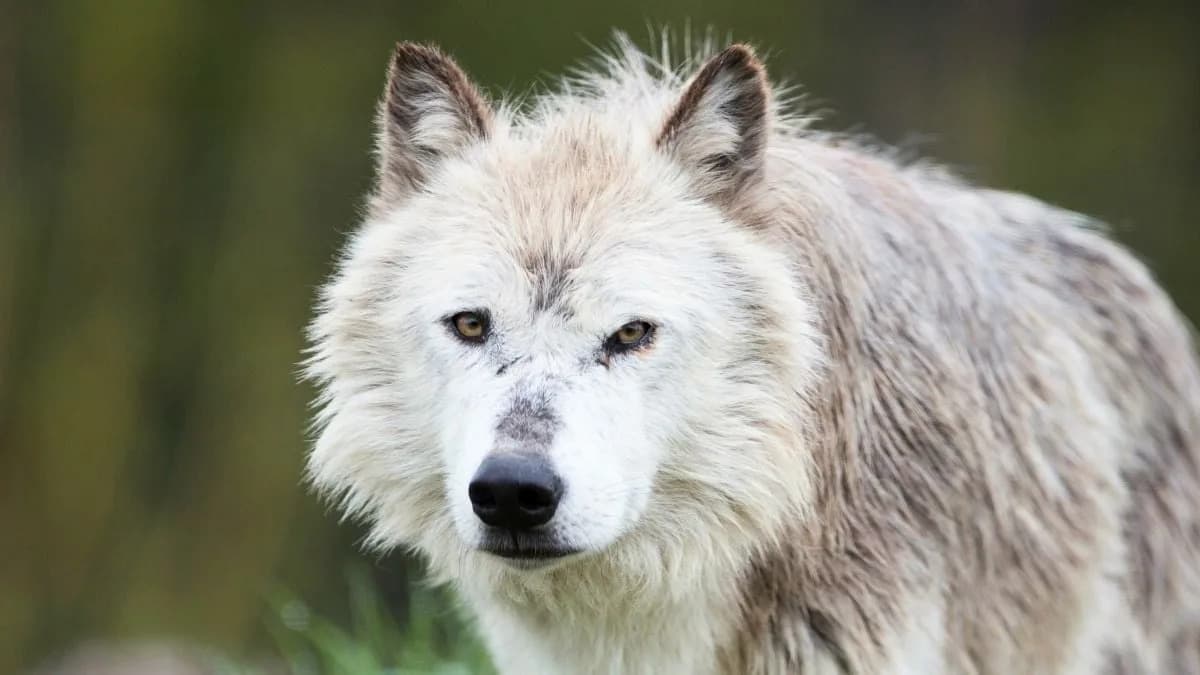
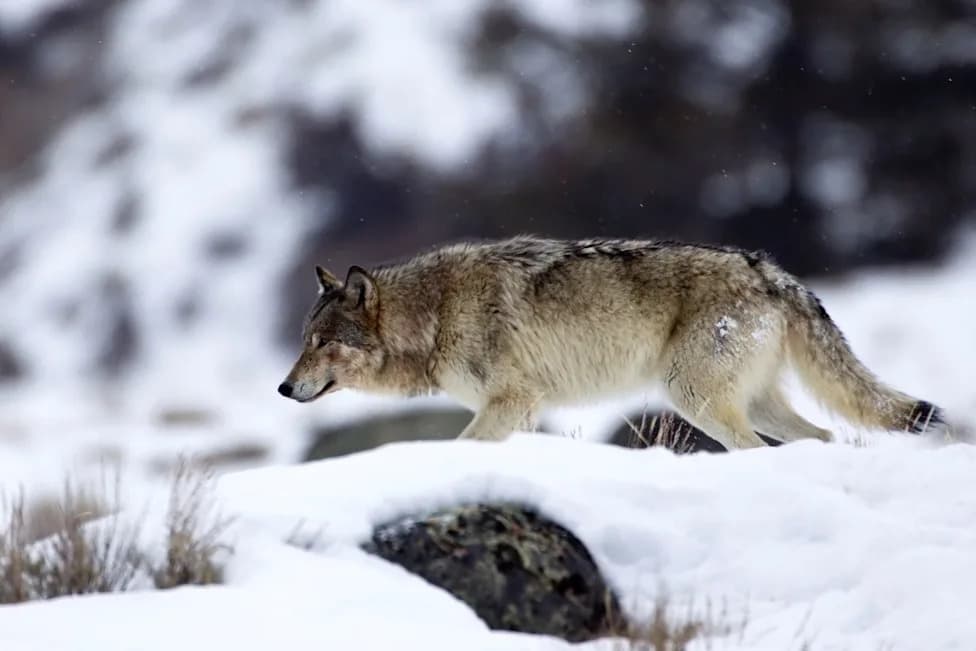
Still a very good boy. (Michael Russell/Moment/Getty Images)
Yellowstone National Park's wolf reintroduction is often taught as a textbook example of a trophic cascade: remove a top predator, elk numbers rise, young trees are eaten, and the forest declines — then restore the predator and watch the woodland recover. While wolf return did influence Yellowstone's ecology, a recent scientific exchange argues the scale of aspen recovery has been exaggerated.

YouTube Thumbnail
What happened historically
Gray wolves (Canis lupus) were eradicated from Yellowstone in the 1920s under government hunting programs. Elk (Cervus canadensis), one of their principal prey species, browse aspen and cottonwood saplings and compact soils with their hooves. With predators removed, elk numbers and browsing pressure grew, and many aspen stands experienced low sapling recruitment as older trees died without replacement.
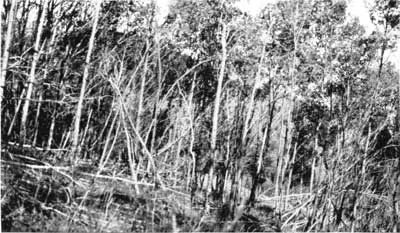
A photo taken in 1933 shows Yellowstone aspen groves stripped of bark and leaves by elk. (National Park Service, 1935)
After decades of debate and planning, managers reintroduced wolves to Yellowstone in 1995, bringing animals from Jasper National Park in Canada. The expectation was that restored predation and altered elk behavior would reduce browsing and allow young trees to survive and grow.
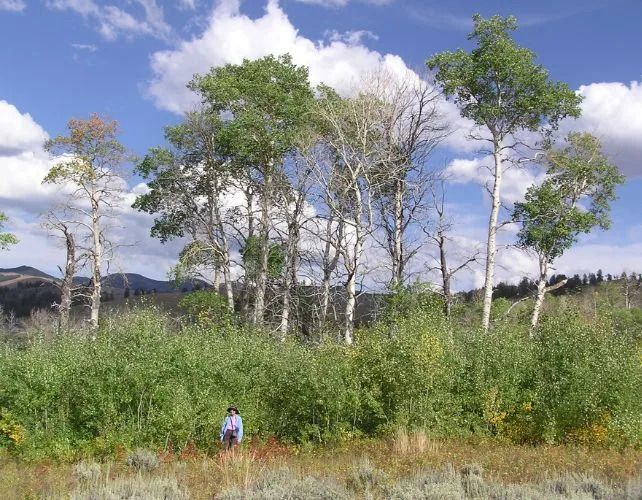
Overstory aspen trees were a common sight in Yellowstone National Park, before wolves were removed. (Oregon State University)
The scientific dispute
In July 2025, a team led by ecologist Luke Painter (Oregon State University) published analyses reporting what they described as a very strong trophic cascade following wolf reintroduction, including a headline figure of a 152-fold increase in aspen sapling density from 1998 to 2021.
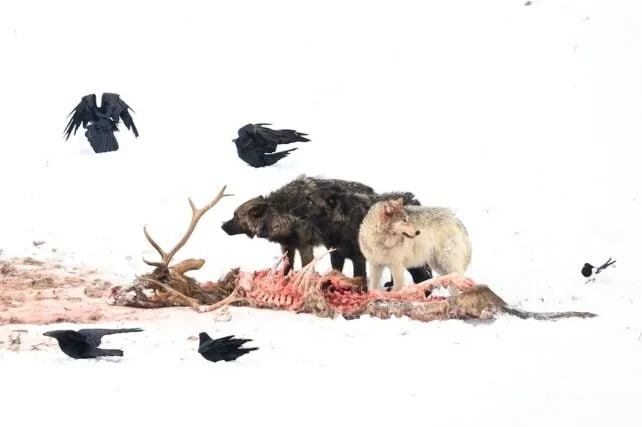
Two gray wolves stand over the bloodied remains of a bull elk in Yellowstone National Park. (Jared Lloyd/Getty Images)
A separate group led by wildlife ecologist Daniel MacNulty (Utah State University) published a rebuttal in 2026 in the same journal, Forest Ecology and Management, after first raising concerns in a 2025 letter to Global Ecology and Conservation. MacNulty and colleagues argue that Painter et al.'s results substantially overstate the cascade's strength because of methodological and interpretive issues.

Subscribe to ScienceAlert's free fact-checked newsletter
MacNulty's team writes that key problems include a miscalculated baseline density, treating repeated measurements from the same aspen stands as if they were independent samples, and using mean-based metrics that allow a few plots to dominate the results.
The recalculation of the baseline reduces the reported 152-fold increase to roughly a 17.5-fold rise in sapling density. The critics also challenge Painter et al.'s use of a two-meter height threshold as proof that stems have escaped browsing, noting long-term data showing browsing can continue above that height in some contexts. They stress that finding a small number of tall stems in a plot does not necessarily indicate broad recruitment across a stand.
Implications and the bigger picture
MacNulty and colleagues emphasize that their critique does not deny that predators influence ecosystems; rather, it calls for rigorous analytical approaches when quantifying complex, context-dependent ecological responses. As they put it: predator effects in Yellowstone are real but context-dependent, and strong claims require robust evidence.
The exchange highlights healthy scientific debate: reanalysis and critical review help refine our understanding of iconic examples used in ecology and restoration. Accurate estimates of trophic-cascade strength in Yellowstone matter because the park is often used as a model for ecological theory and practical restoration decisions.
Publication notes: Painter et al.'s 2025 study and MacNulty et al.'s 2026 response both appear in Forest Ecology and Management; MacNulty's initial 2025 letter appeared in Global Ecology and Conservation.
Help us improve.