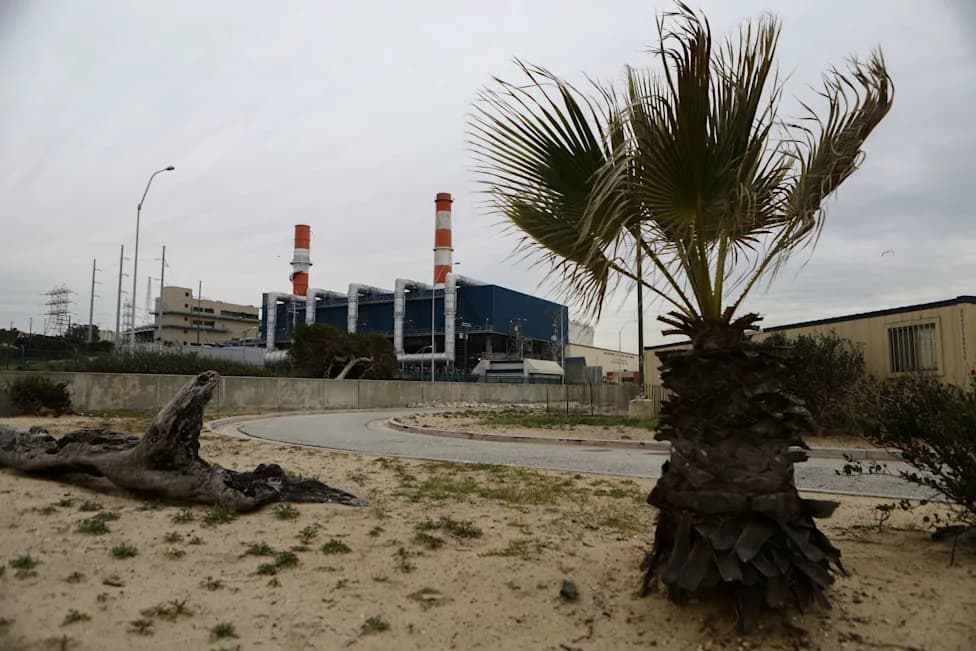
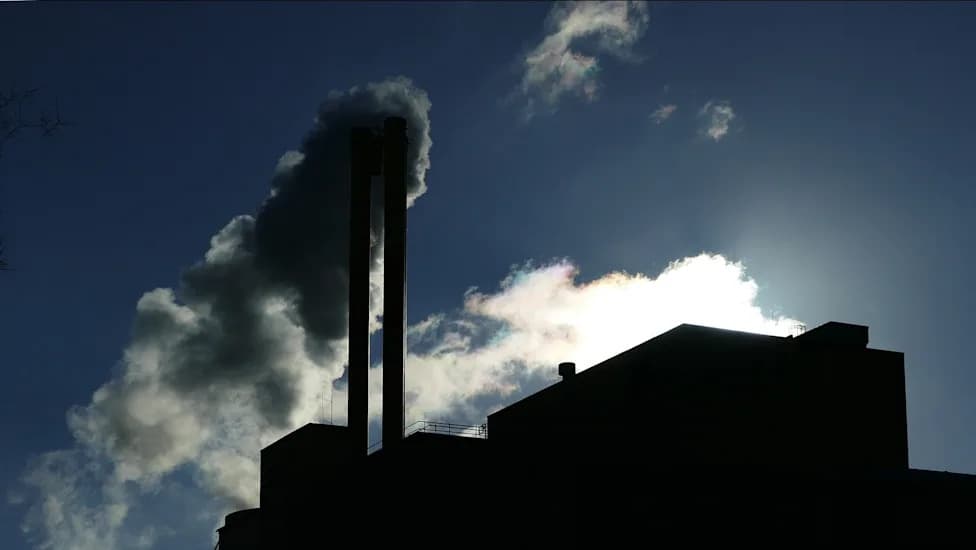
Environmental advocates say permits and federal oversight may not adequately address PFAS emissions from the Hennepin Energy Recovery Center (HERC) in downtown Minneapolis. A Zero Burn Coalition review and former EPA risk assessor Doug Gurian-Sherman argue current monitoring and permits are insufficient to capture long-term risks. Hennepin County maintains HERC is operating within EPA and state permits and notes the plant is scheduled to close under a Zero Waste Plan, while residents highlight cumulative pollution and environmental-justice concerns.
Advocates Say Minneapolis Incinerator’s PFAS Limits Were ‘Improperly Set,’ Raising Long-Term Health Concerns

Photo Credit: Hennepin County Minnesota
Questions about toxic PFAS emissions have reignited a long-running dispute over the Hennepin Energy Recovery Center (HERC), a downtown Minneapolis waste-to-energy plant that processes about 365,000 tons of trash annually. Environmental advocates warn that current federal rules and facility permits may not fully account for long-term risks to nearby communities already bearing significant pollution burdens.
A review commissioned by the Zero Burn Coalition argues that PFAS released by the plant may escape current facility-level monitoring and regulatory controls. PFAS — commonly called "forever chemicals" — have been linked to cancer, weakened immune response and developmental harm.
Former EPA risk assessor Doug Gurian-Sherman, who contributed to the review, criticized existing permits:
"The permits that they are relying on were improperly set. They are not based on a full assessment of long-term health risks from residual pollution."
Hennepin County rejects that critique, saying HERC operates within legal limits. Dave McNary, assistant director in Hennepin County's Environment and Energy Department, said, "HERC is in full compliance with our current permits from both the EPA and the Minnesota Pollution Control Agency." County officials also note the plant is expected to close eventually under the county's Zero Waste Plan, while cautioning that a rapid shutdown could shift more waste to landfills.
Advocates counter that compliance with permits is not the same as proof of safety—especially for residents of North Minneapolis, who face cumulative exposures from multiple pollution sources. Nazir Khan of the Zero Burn Coalition said, "We're talking about communities that have experienced decades of environmental racism and cumulative harm. People living near HERC are dealing with multiple pollution sources at once."
Local residents call for greater transparency and stronger monitoring. Stephani Booker, who lives about a mile from HERC, told reporters, "People hear 'forever chemicals,' and they understand that these compounds don't just disappear. Residents want accountability and transparency about what's being released into the air."
The debate unfolds alongside a lawsuit in which youth plaintiffs and environmental groups are challenging the U.S. Environmental Protection Agency over rollbacks to emissions protections. Opponents of the plant say the science on incinerating PFAS is still unsettled, and Gurian-Sherman warned, "To conclude that emissions are safe is scientifically unjustified."
What’s Next
Advocates want strengthened federal standards, improved PFAS monitoring at facilities like HERC, and more community-centered assessments of cumulative pollution impacts. County officials emphasize legal compliance and the planned eventual closure, while residents press for immediate transparency and protections.
Help us improve.