Environmental groups have sued Los Angeles over an $800 million proposal to add hydrogen-capable turbines at the Scattergood Generating Station, arguing the city approved the plan without sufficient detail on hydrogen sourcing, delivery and storage under CEQA. The DWP says the upgrade is needed for reliability during extreme heat and cites an NREL study saying noncombustion resources alone can’t fully replace Scattergood's role. Critics warn the project could lock in continued natural gas use if green hydrogen is not secured.
Environmental Groups Sue Over $800M Plan To Add Hydrogen-Capable Turbines At LA’s Largest Gas Plant
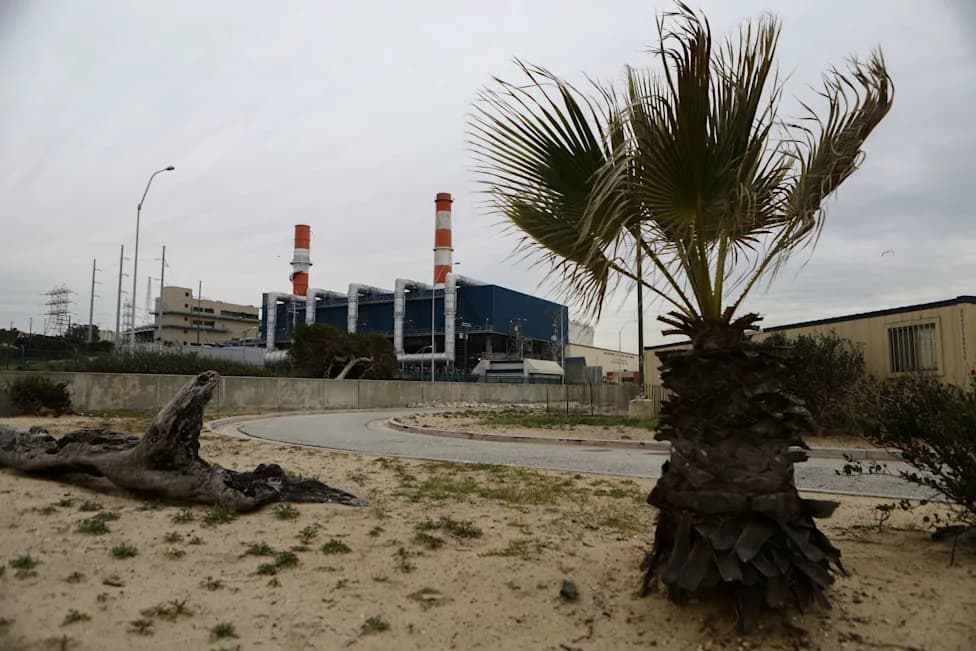
Photo Credit: Getty Images
Los Angeles' largest gas-fired power station, the beachside Scattergood Generating Station, is at the center of a new legal fight after the city approved an $800 million plan to replace two older units with turbines that can burn hydrogen as well as natural gas.
What the Lawsuit Says
A coalition of environmental groups — Communities for a Better Environment, Sierra Club, Los Angeles Waterkeeper, Food & Water Watch, and Physicians for Social Responsibility — LA — has sued the city and the Los Angeles Department of Water and Power (DWP) in Los Angeles County Superior Court. The plaintiffs contend officials approved the project without providing sufficient detail to satisfy the California Environmental Quality Act (CEQA).
'It's framed very much as this beneficial, clean, environmentally positive project, and from our perspective, it looks a lot more like the city is investing very close to a billion dollars to keep a methane gas plant on line,' said Theo Caretto, staff attorney at Communities for a Better Environment.
Key Uncertainties
The DWP's environmental impact report acknowledges a central unknown: 'the green hydrogen that would supply the proposed project has not yet been identified.' Opponents say that without clarity on the hydrogen's source, delivery and on-site storage, the turbines could operate primarily on natural gas — undermining the project's climate benefits.
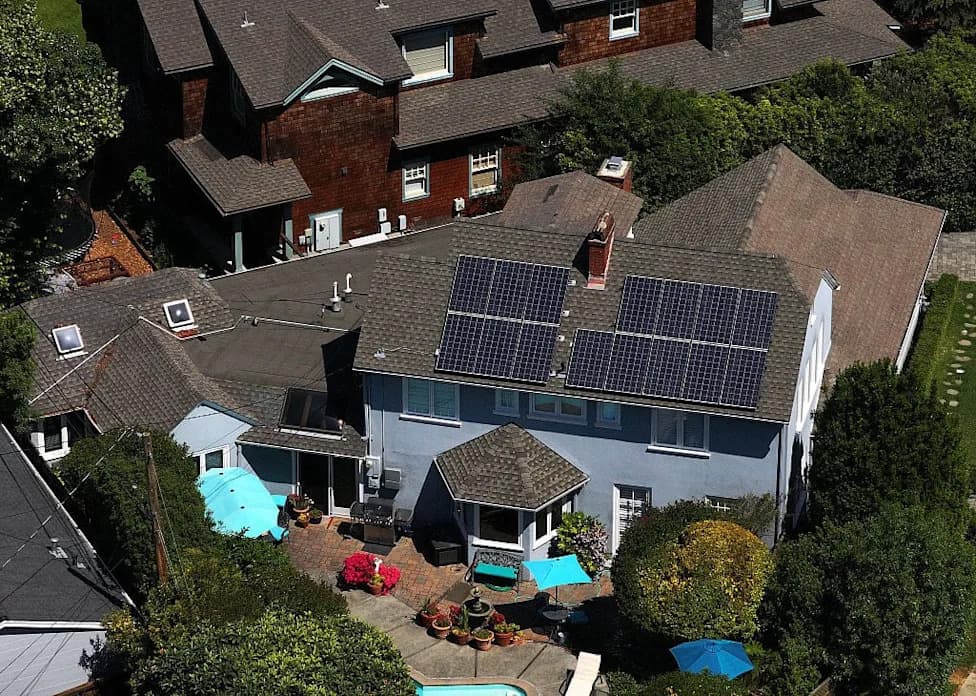
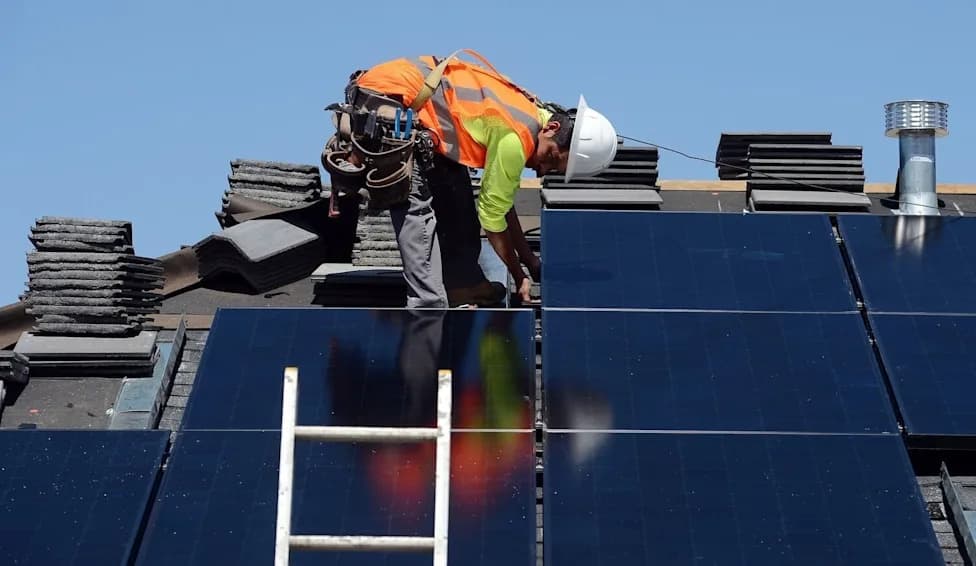
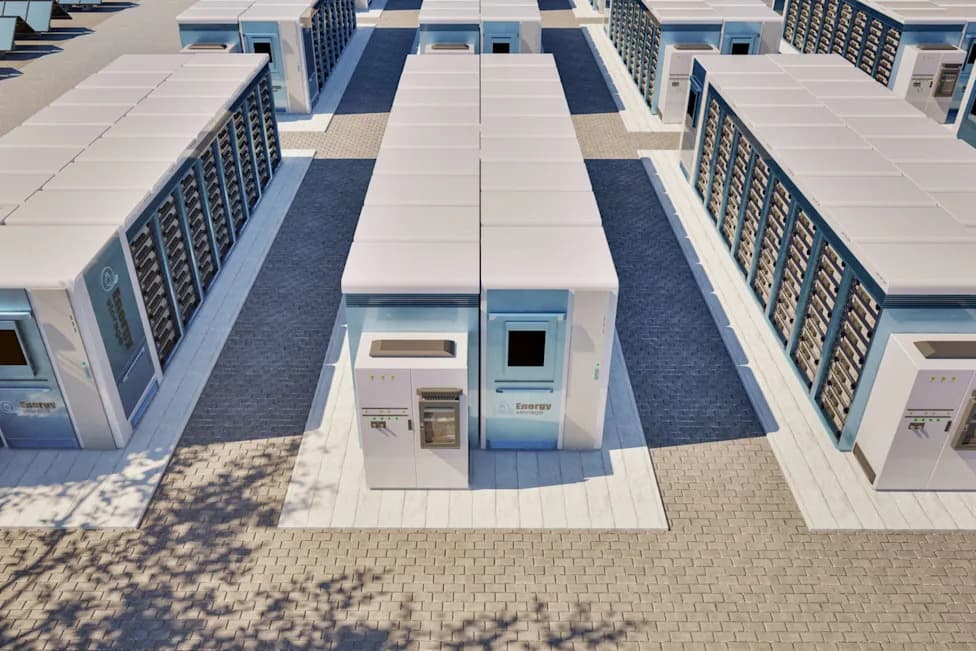
Ethan Elkind, director of the Climate Program at UC Berkeley's Center for Law, Energy and the Environment, warned that neighbors and decision-makers may lack a full picture if the project description does not specify how much hydrogen would be used. He also noted that the economics of clean energy have shifted, with solar power and battery storage becoming substantially cheaper.
DWP Response and Reliability Concerns
The DWP defends the upgrade as a reliability measure, particularly during extreme heat events when electricity demand spikes. Jason Rondou of the utility cited a National Renewable Energy Laboratory (NREL) study that found noncombustion resources alone could not realistically replace Scattergood's role on the grid today.
'The reality is that some of this does depend on hydrogen infrastructure,' Rondou said. 'If that industry develops, we are going to have equipment that is ready to utilize it.' He also acknowledged that if hydrogen supply and delivery infrastructure lag, the upgraded turbines may operate solely on natural gas.
The DWP says it has invested about $5 billion in clean energy projects and reports Los Angeles reached roughly 65% renewable generation, with a trajectory toward 80% by 2030 and a city goal of 100% clean energy by 2035.
Broader Context
The Scattergood dispute is part of a nationwide debate over how to handle aging fossil-fuel plants as cleaner, cheaper alternatives become more available. Courts, regulators and utilities are weighing whether retrofitting plants to run on possible future fuels like hydrogen is a prudent transition strategy or an expensive way to prolong fossil-fuel dependence. The outcome will have implications for public health, electric bills and climate targets across the country.
A separate lawsuit challenging the same project has been filed by the Center for Biological Diversity.
Help us improve.