Independent testing found extremely high radium levels and elevated radiation readings at a laydown yard in Cecil Township, PA, adjacent to the Montour Trail and local parks. Lab analyses measured radium-226 in pipe-scale at more than 3,100 pCi/g — roughly 600× the EPA Superfund public screening level — and field meters recorded individual pipes with dose rates nearly 1,000× background. State inspectors have visited the site and issued permits for temporary radioactive-waste handling, but residents, scientists and physicians say the open, unmarked storage, accessible fence gaps and proximity to public spaces demand urgent sampling, containment and public-health action.
Radioactive Fracking Waste Found Next To Popular Trail — Could It Be Linked To A Cluster Of Childhood Bone Cancers?
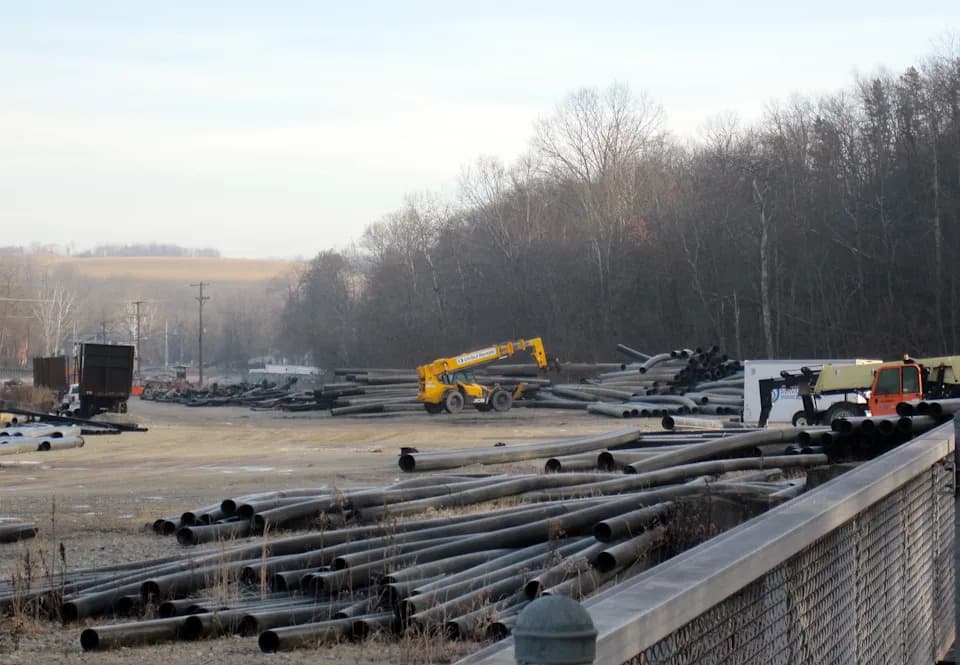
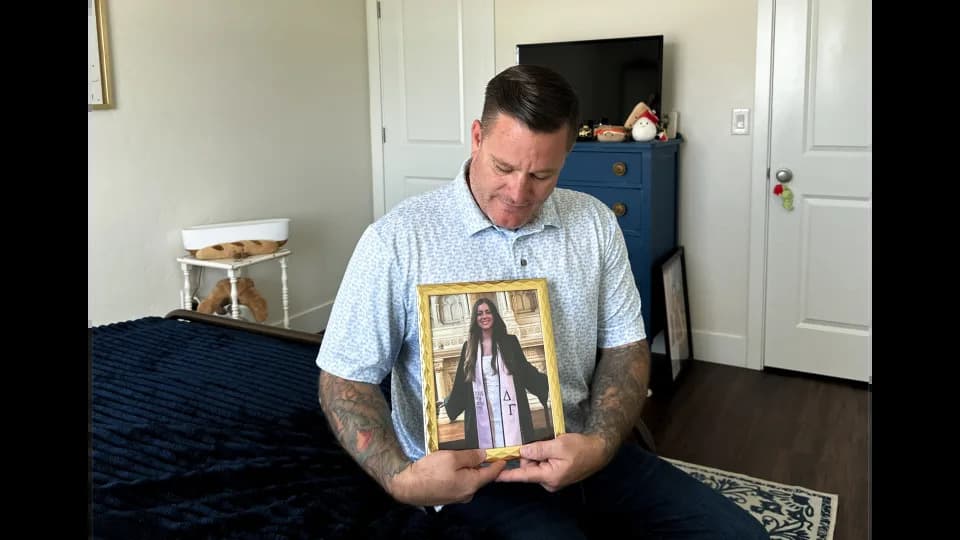
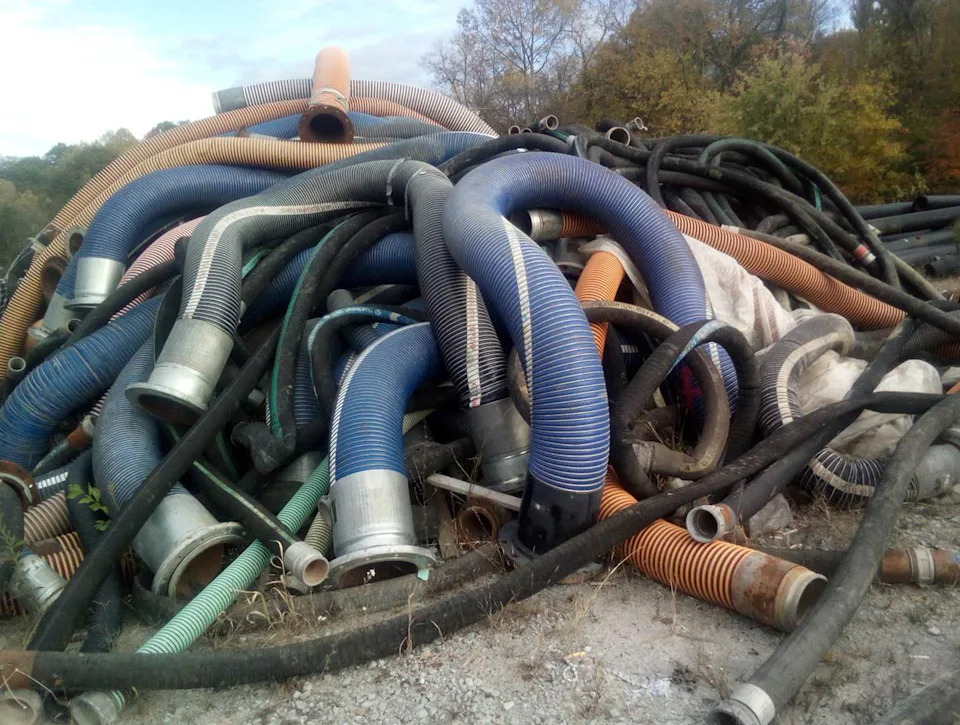
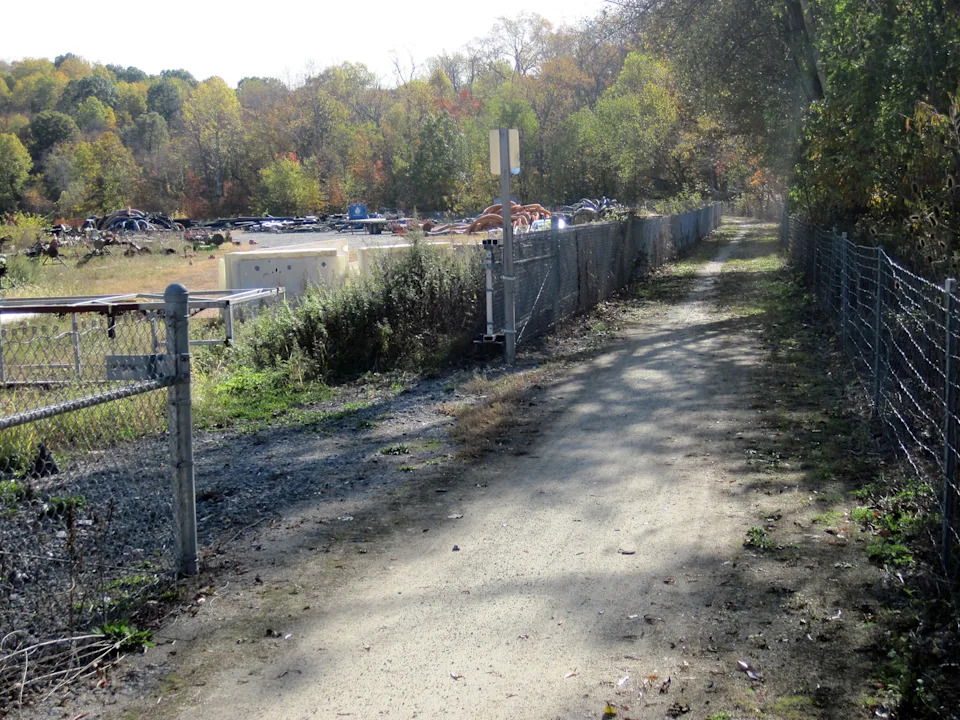
When Janice Blanock peered through a broken section of chain-link fence along the Montour Trail near her home in suburban Pittsburgh, she saw a seven-acre oil-and-gas laydown yard strewn with thousands of rusty pipes, discarded hoses and flakes of flaky metal. For Blanock — who lost her son Luke to Ewing sarcoma, a rare pediatric bone cancer — the sight raised a frightening question: could radioactive fracking waste stored at the site have played a role?
What Reporters Found At The Cecil Yard
The yard in Cecil Township, Washington County, sits on the Marcellus Shale, a gas-bearing formation beneath parts of Pennsylvania, Ohio and West Virginia. The site was owned for more than two decades by Weavertown Transport Leasing and later applied for operation by 5D Field Services. In May 2025 the Pennsylvania Department of Environmental Protection (DEP) issued 5D a permit to temporarily store, handle and process oil-and-gas waste — including material contaminated by naturally occurring radioactivity — allowing up to 1,500 tons of waste per day.
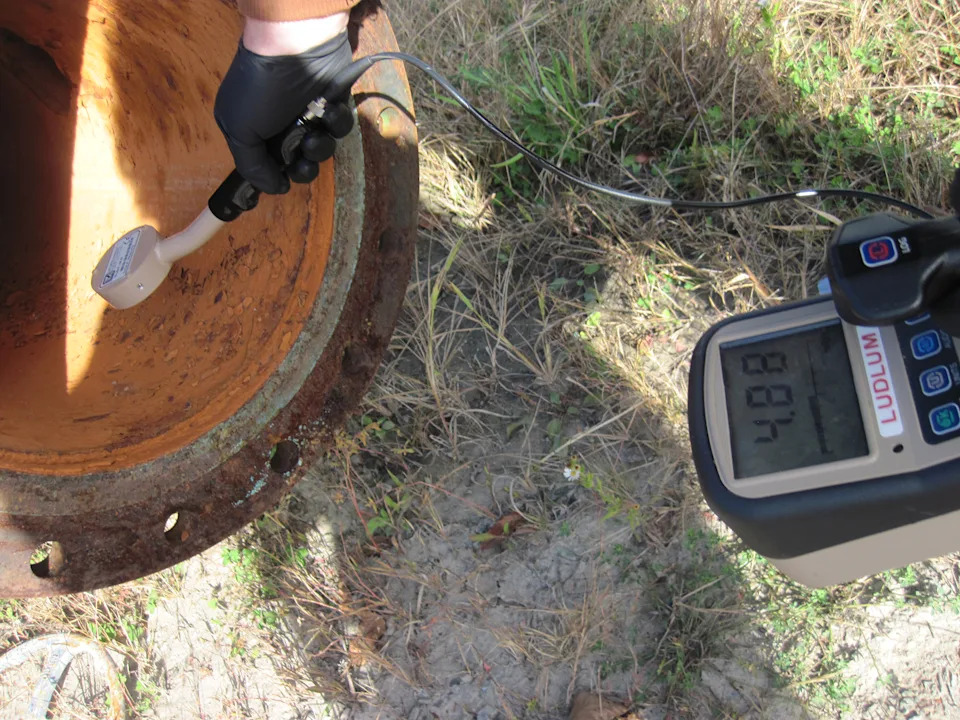
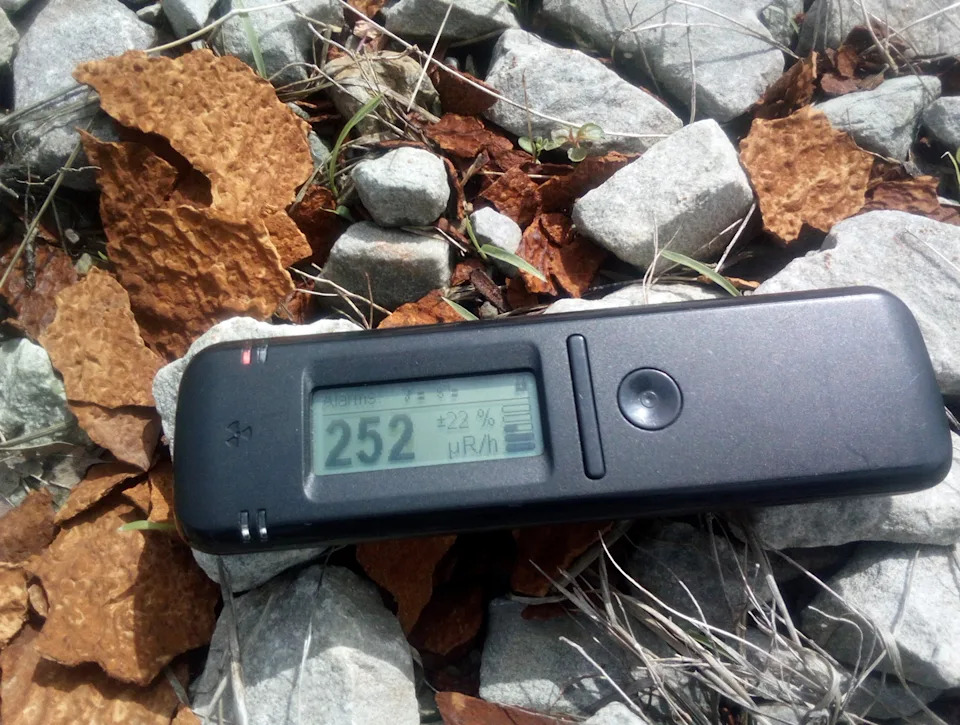
Independent field inspections in October 2025 documented gaps in the fence, no warning signs, and unsecured equipment easily accessible to the public. Former U.S. Department of Energy scientist Yuri Gorby measured individual pipes with a Ludlum 3000 survey meter; one pipe registered 4.88 milliroentgens per hour (roughly 4,880 microroentgens/hour), nearly 1,000 times the location's background rate and well above thresholds industry guidance recommends for cleanup and containment.
Laboratory Results And Health Concerns
Samples of pipe-scale (the flaky deposits that accumulate inside brine and production lines) were sent to radiological labs. University of Texas nuclear engineer Sheldon Landsberger reported radium-226 concentrations of 3,108 and 3,302 picocuries per gram (pCi/g) in separate samples — roughly 620–660 times the U.S. EPA's 5 pCi/g public screening level used at Superfund sites. Additional analyses found elevated radioactive lead and bismuth.
Radium is a naturally occurring radioactive element that concentrates in oil-and-gas wastewater. It is chemically similar to calcium and therefore can accumulate in bones; historical research ties radium exposure to bone cancers in other settings. However, major cancer authorities currently report no established causal link between radium exposure and Ewing sarcoma specifically.
Official Response And Community Reaction
The DEP has inspected the site multiple times. An Oct. 14, 2025 inspection by the DEP Bureau of Waste Management reported operations were "as approved" with no violations, and a subsequent review in early May found "no waste observed" in the storage lot and closed the complaint. The DEP has said it will continue to review information and perform follow-up inspections as needed. The Pennsylvania Department of Health and the Nuclear Regulatory Commission have indicated limited or no further action at this time, while the EPA has said it stands ready to assist.
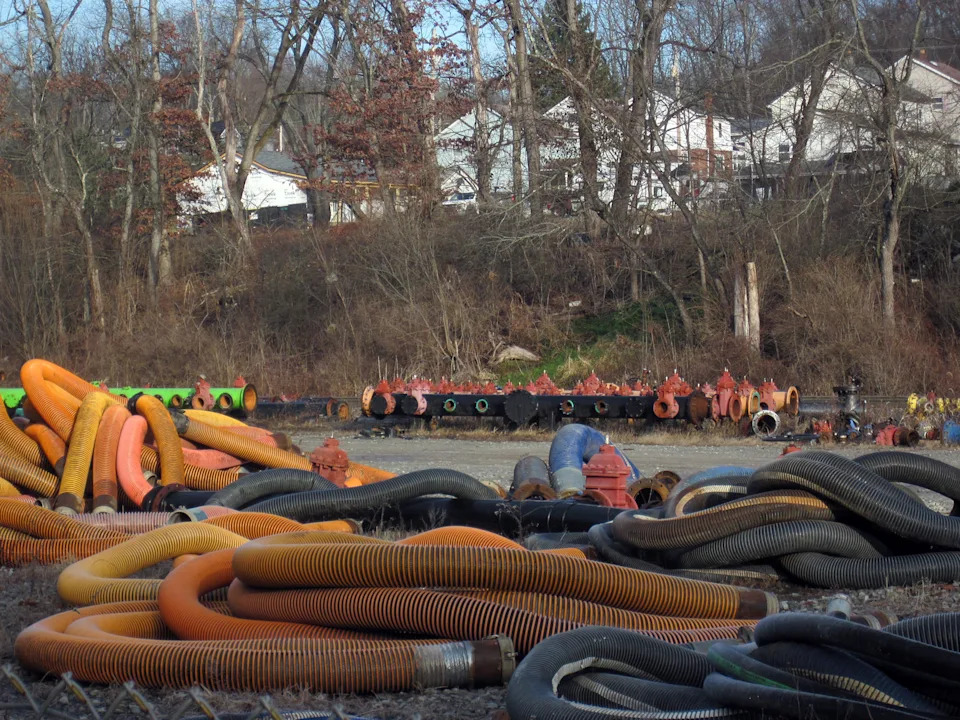
Local residents, environmental advocates and regional physicians, however, view the permit, the open storage and the lab results as a pressing public-health concern. They point to accessible fence gaps, lack of signage, nearby parks and ballfields, and the creek that flows from the site toward community recreation areas. Health professionals interviewed for this reporting urged immediate site security, further sampling, and clear public-health communications.
Context: Fracking, Waste Handling, And Precedents
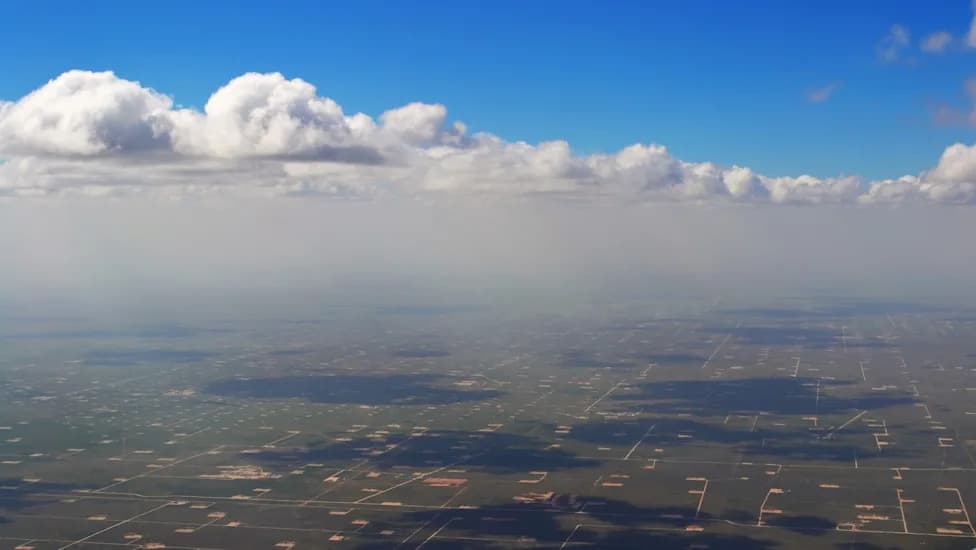
Since high-volume hydraulic fracturing surged in the mid-2000s, the Marcellus region has generated enormous volumes of radium-rich wastewater. Investigations and studies have documented radium in streambeds, reservoir sediments and biota downstream from waste handling facilities. Regional examples such as Fairmont Brine Processing (West Virginia) and Austin Master Services (Ohio) have led to large cleanups, enforcement actions and Superfund listings after severe contamination and public exposure risks were documented.
Industry practices like "solidification" — mixing liquid radioactive waste with paper dust, fly ash or cement-kiln dust to meet landfill acceptance rules — can mask radioactivity and create additional worker and community hazards if performed without robust controls.
What Comes Next
Residents and public-health advocates are calling for: immediate physical barriers and warning signs; comprehensive, independent environmental sampling of soil, sediment, air and water; transparent release of all DEP and contractor radiation data; and an expanded public-health review of cancer patterns in the area that includes potential radiation exposure pathways. State officials say monitoring continues, but many community members say the response has lacked urgency.
"Think about all these rare cancers in children and adults — it's grotesque," Janice Blanock said. "You can bet money that sites like these are all over southwestern Pennsylvania."
Ten years after Luke's death, his family continues to memorialize him through the Pittsburgh Cure Sarcoma 5K, where friends and relatives run as Team Luke Strong.
Help us improve.