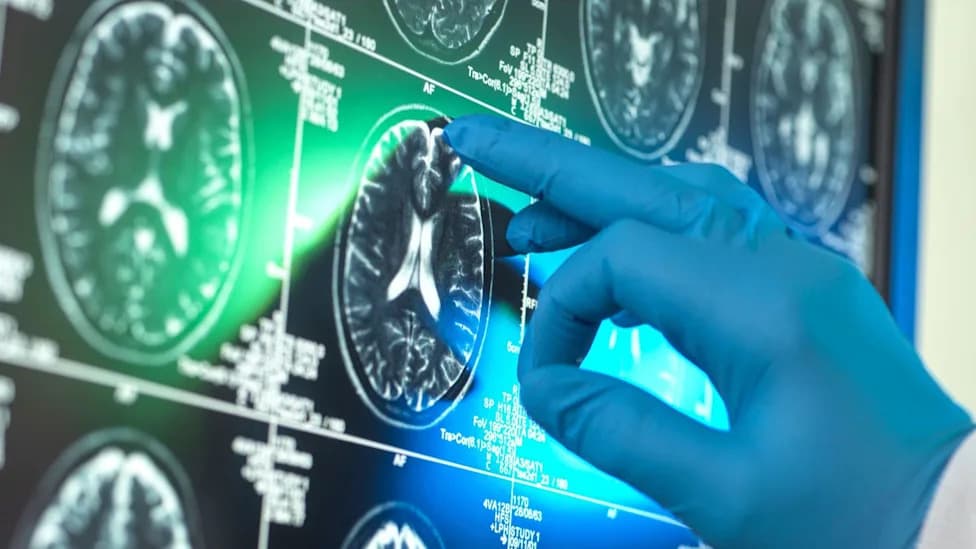
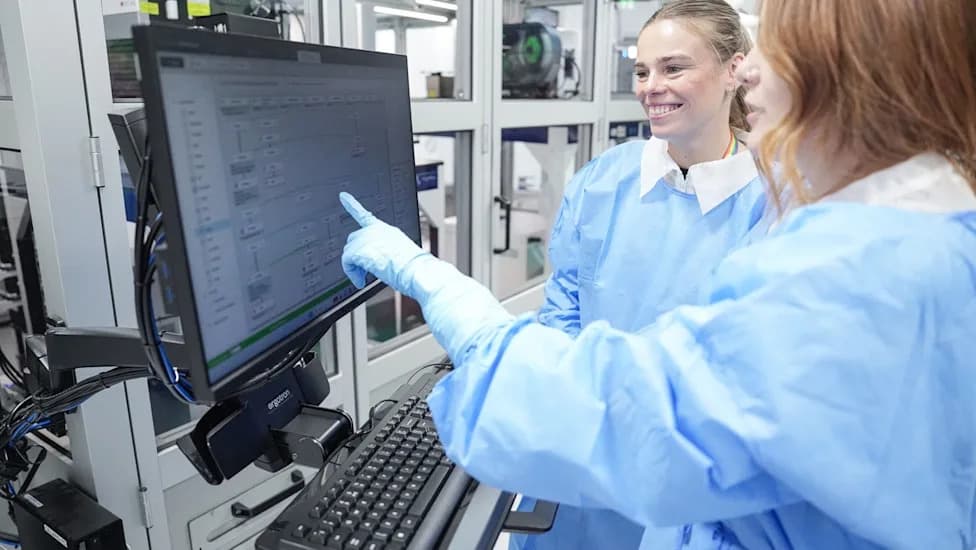
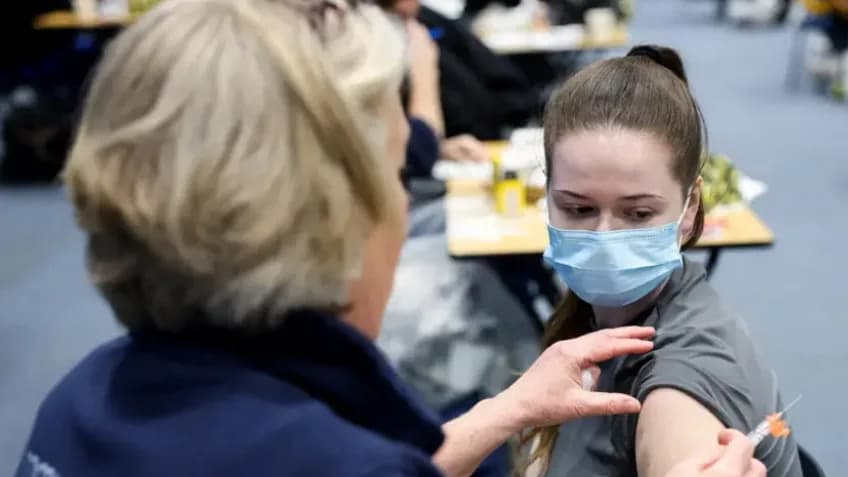
Whole Genome Sequencing (WGS) at Addenbrooke's helped 63-year-old Laraine Chung avoid radical surgery by identifying a benign meningioma behind her eye. A stabilising solution developed at Addenbrooke's allows biopsy samples to be transported at room temperature, removing the need for -80°C freezing and specialist cold-chain logistics. Launched across the East of England at the end of 2025 and now nationally accredited, the technique broadens NHS access to WGS and reduces environmental costs.
Game-Changing Whole-Genome Sequencing Method Approved For Wider Rollout — Room-Temperature Transport Expands NHS Access
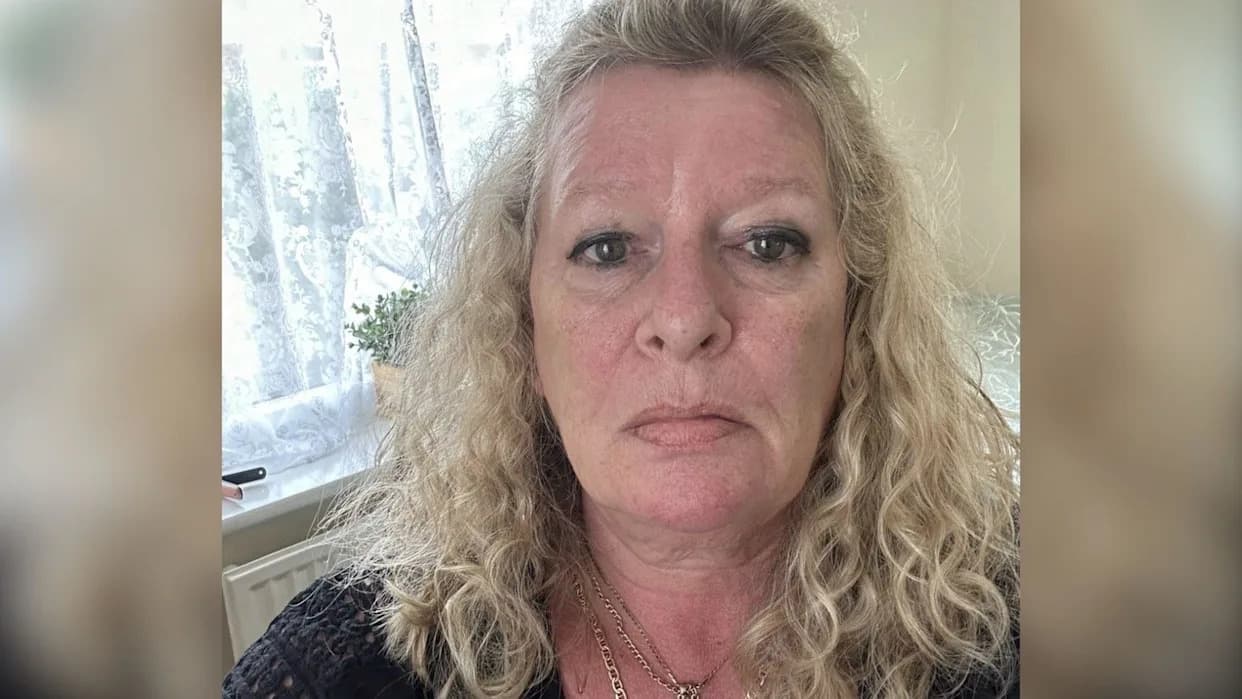
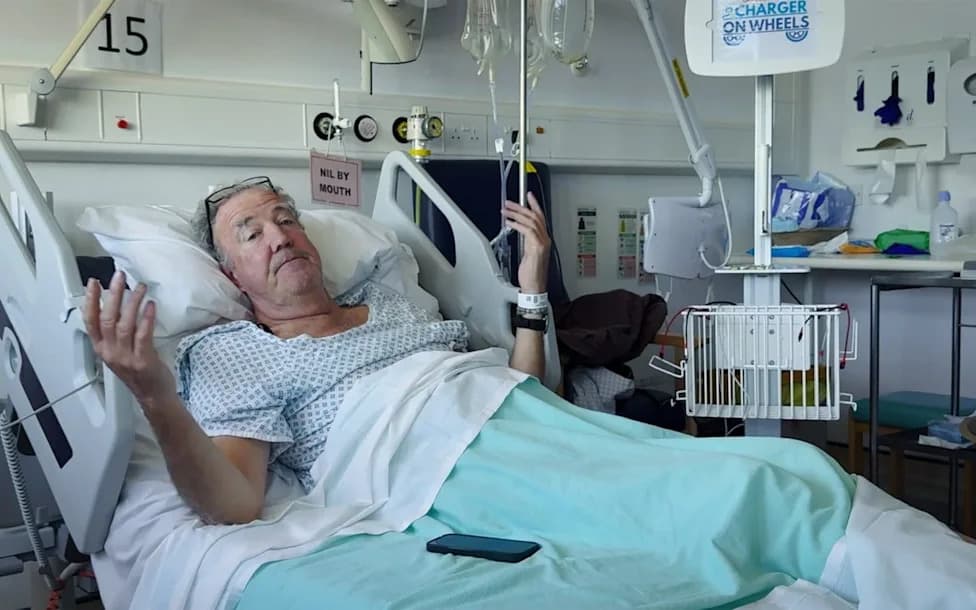
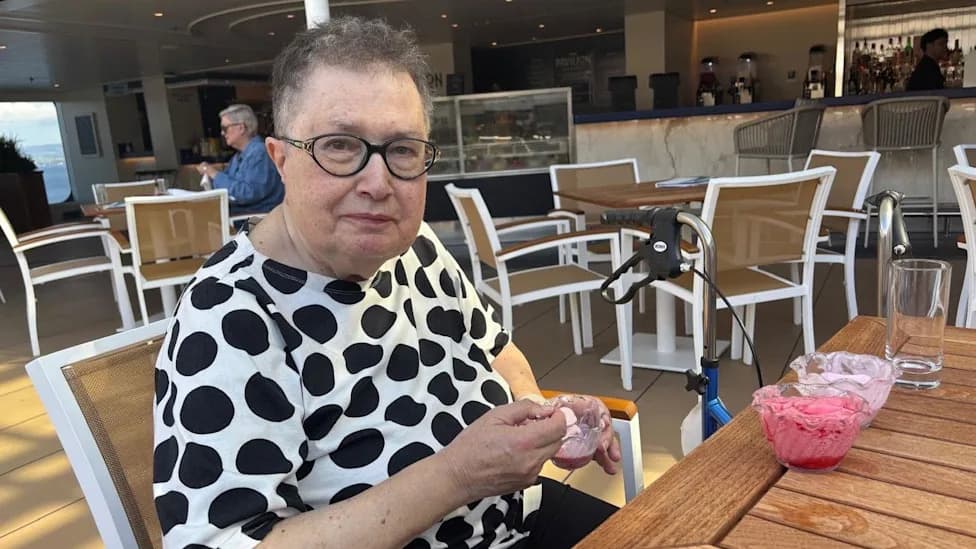
Laraine Chung who needed less invasive surgery as a result of genome testing said "making tests like this easier to access can only be a good thing" [Laraine Chung]
Whole Genome Sequencing (WGS) and a new sample-stabilising technique developed at Addenbrooke's Hospital are set to expand access to advanced cancer testing across England, avoiding the need for ultra-cold transport and widening patient access to tailored treatments.
Patient Story: A Life-Changing Diagnosis
Last year, 63-year-old carer Laraine Chung of Peterborough learned she had a tumour behind her left eye. Initial tests could not determine the type of growth, meaning she faced complex surgery that might have cost her eye and risked damage to surrounding brain and facial tissue. Ms Chung received Whole Genome Sequencing (WGS) at Addenbrooke's Hospital in Cambridge, which identified the tumour as a benign meningioma and allowed surgeons to pursue a far less invasive approach.
“Without the test, I would have needed much more complex surgery, and it would have taken even more time to recover,” Ms Chung said. “Getting the genetic results made everything clear. It was a long, anxious wait but a huge relief when they rang to say I wouldn’t lose my eye.”
What WGS Does And Who Can Access It
WGS analyses a patient’s full DNA sequence to reveal the precise nature and genetic drivers of cancers and other genetic diseases. On the NHS, WGS is available for all children with cancer (up to age 25) and for adults with certain tumour types — including advanced ovarian cancer, triple-negative breast cancer, select sarcomas, some blood cancers and cancers of unknown origin. However, access has been uneven because of sample-preservation and transport challenges.
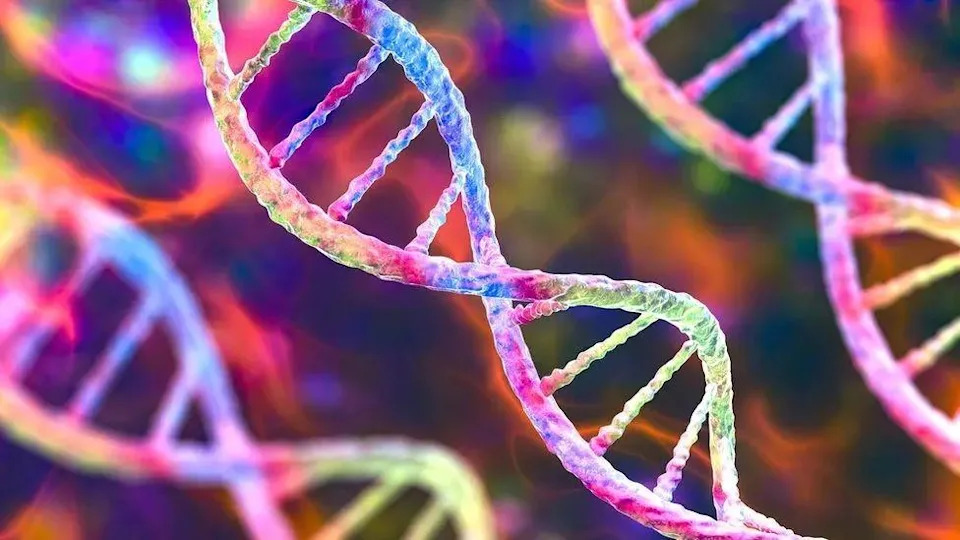
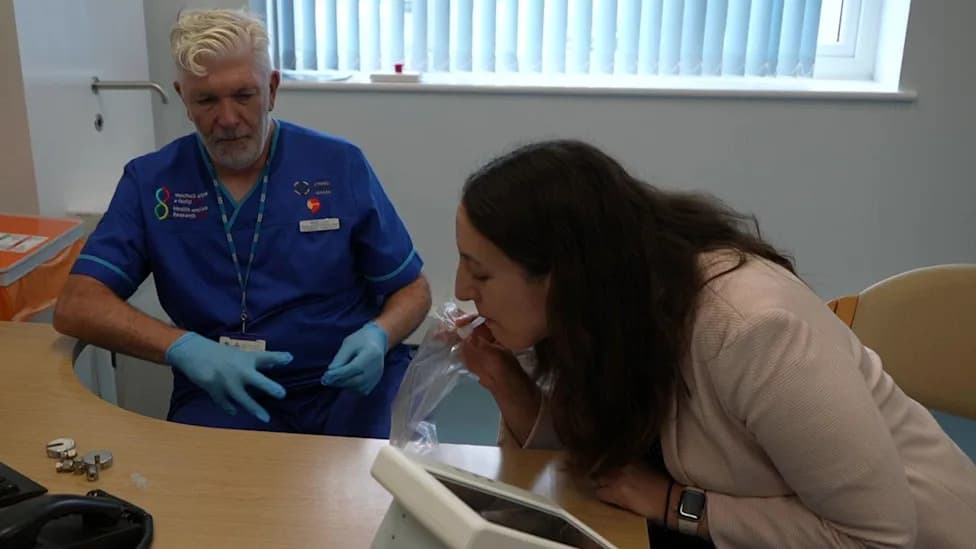
A new technique for preserving tissue samples should allow more patients in the UK to access Whole Genome Sequencing and improve outcomes [Getty Images]
The Practical Problem: Cold-Chain Transport
After a biopsy, genetic material degrades within hours unless preserved. The traditional solution is ultra-low-temperature freezing (typically around -80°C) and specialised cold-chain transport to regional sequencing labs such as Cambridge University Hospitals NHS Foundation Trust (CUH). Not every hospital has the equipment or logistics for that process, limiting the number of patients who can benefit from WGS.
Innovation: Room-Temperature Stabilising Solution
Teams at Addenbrooke's have developed a stabilising solution that preserves biopsy material so it can be transported at room temperature. Launched across the East of England at the end of 2025, this approach removes the need for ultra-cold storage and specialised transport, enabling hospitals such as Queen Elizabeth Hospital King's Lynn, Peterborough City Hospital and Ipswich Hospital to send samples for sequencing more easily.
Dr Jeffrey Rubasingham, a consultant clinical oncologist who was among the first to use the method at King's Lynn, said the change is “truly game-changing for our patients and for clinical practice.” He added that the technique can open the door to cutting-edge clinical trials for patients when standard treatments have been exhausted.
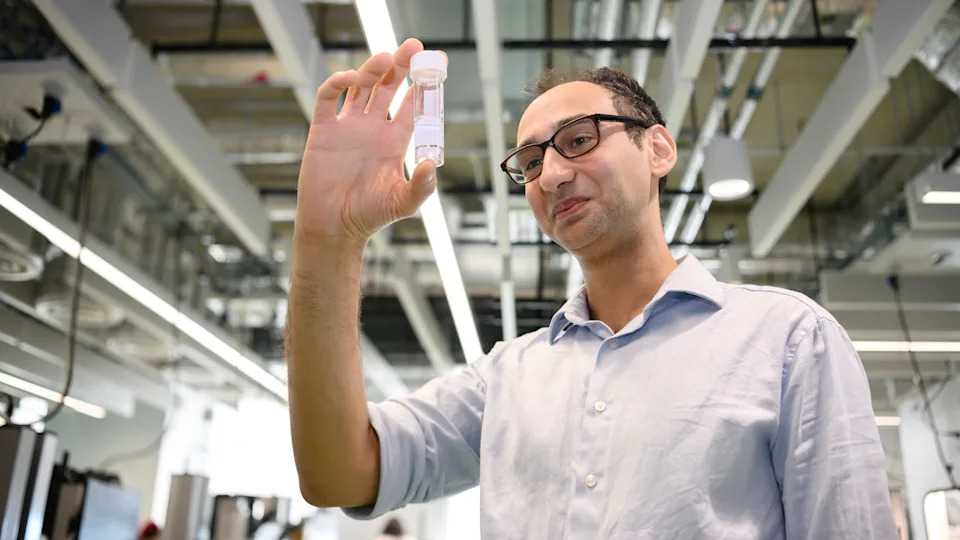
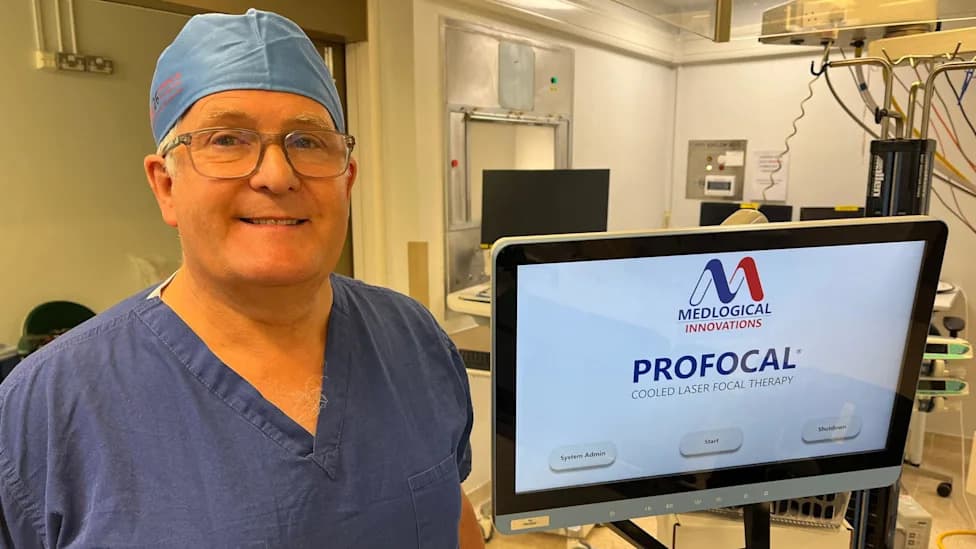
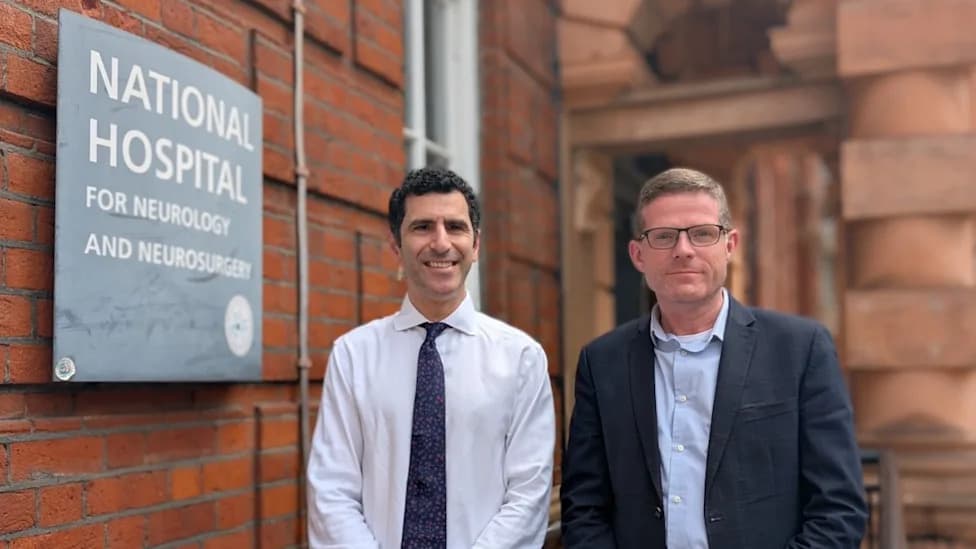
Dr John Tadross pioneered the change from freezing samples to preserving them in solution at room temperature [Cambridge University Hospitals/Mel Yeneralski]
The process has received national accreditation and is expected to be rolled out to other English regions. Dr John Tadross, a consultant molecular pathologist at CUH who led the development, noted: “Whole genome sequencing can make a huge difference to a person's cancer journey, and it's vital that we remove barriers to testing so as many people as possible can benefit.”
Awards And Environmental Benefits
In recognition of the environmental benefits from avoiding ultra-cold transport, Dr Tadross and colleagues received the Royal College of Pathologists' Achievement Award 2026 for Sustainability. The new technique reduces the carbon and resource costs associated with cold-chain logistics while improving clinical access.
What This Means For Patients
- More hospitals can send biopsy samples for WGS without needing specialised freezers or cold transport.
- Faster, more accurate diagnoses can guide less invasive surgeries and better-targeted treatments.
- Wider access could increase enrolment in precision-medicine clinical trials for patients with limited options.
Do you have a story suggestion? Contact the news desk.
Help us improve.