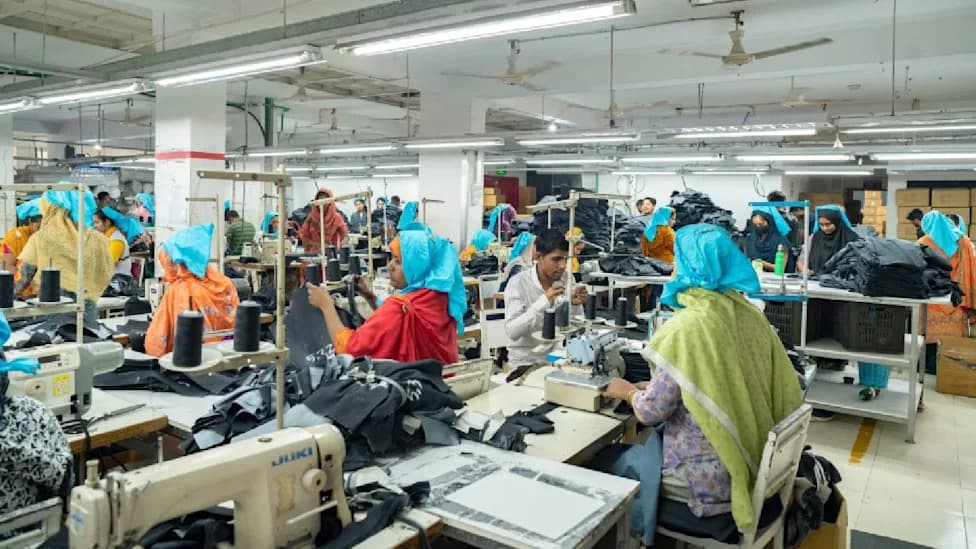
The updated LCA from Textile Exchange and SCS Consulting Services adds new primary data for virgin PET in Southeast Asia and recycled polyester in China, Europe and the US. It finds that renewable energy mixes can substantially cut climate impacts while coal-dependent grids increase them, and that thermomechanical and chemical recycling have different trade-offs. The report highlights sorting, transport and regional data gaps as key barriers to scaling circularity.
Updated LCA Sharpens Environmental Profile of Polyester Production
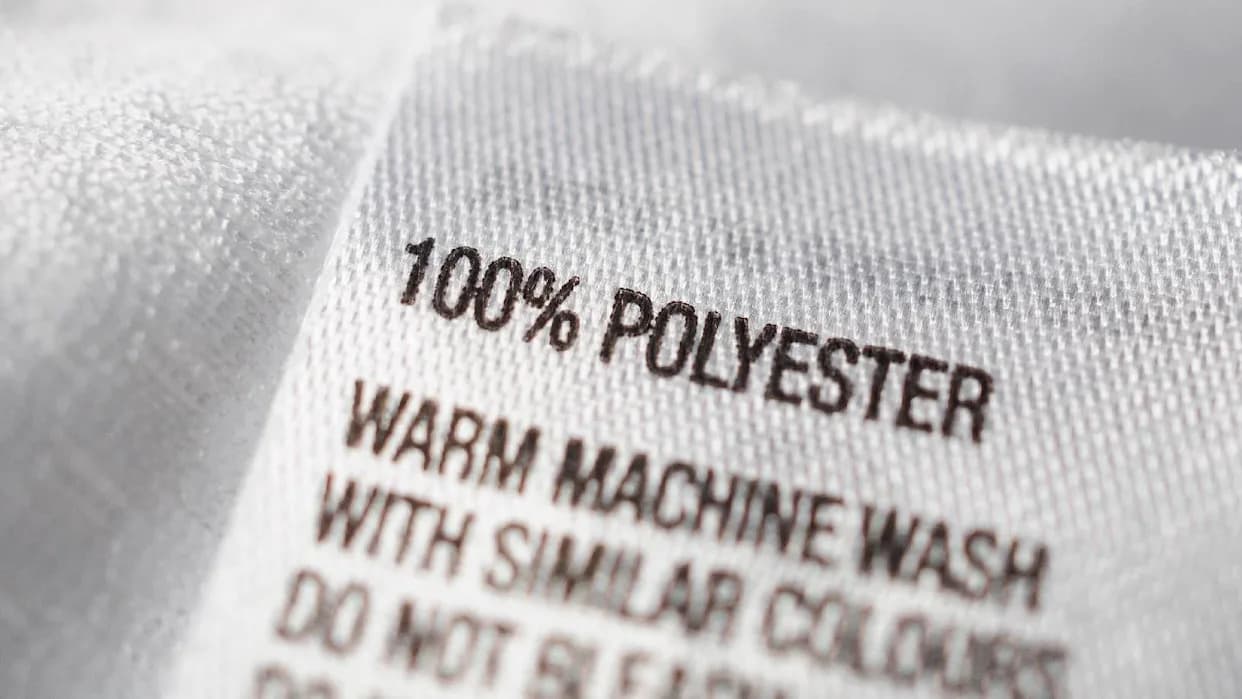
Polyester is one of the most widely used fibres in the world. Credit: Kwangmoozaa/Shutterstock.com.(Kwangmoozaa/Shutterstock.com.)
The updated life-cycle assessment (LCA) conducted by Textile Exchange and SCS Consulting Services provides new primary data and refines the environmental footprint of polyester across virgin and recycled pathways. By filling long-standing regional and process-specific data gaps, the study improves the reliability of LCAs used by the fashion, textile and apparel industries.
Key Findings
The analysis shows that energy source is a major driver of climate impacts: switching to a renewable energy mix can substantially reduce polyester's climate footprint, while reliance on coal-intensive power grids can materially increase it. The research also demonstrates that no single recycling technology is a panacea—thermomechanical and chemical recycling each have distinct trade-offs and roles to play in scaling circularity.
Recycling Trade-Offs and Barriers
Thermomechanical recycling is generally less resource-intensive but depends on clean, high-quality feedstock. Chemical recycling can process more complex and contaminated wastes yet is typically more energy- and chemical-intensive. The study concludes that achieving large-scale circularity will require a mix of recycling approaches, supported by improved collection, sorting and preprocessing.
Logistics and Regional Considerations
Transport distances for textile collection and feedstock delivery meaningfully affect overall environmental performance; longer collection and transport can erode the environmental benefits of recycling, making local sourcing and processing an effective mitigation strategy. The report notes that commercial chemical recycling has so far concentrated on post-industrial waste because post-consumer sorting, collection and logistics remain challenging at scale.
Data Coverage and Methodology
This work provides new, publicly accessible primary LCA data for virgin polyester production in Southeast Asia and recycled polyester production in China, Europe and the United States. It also includes the first known publicly available primary data for virgin polyethylene terephthalate (PET) production in Asia covering melt, chip and staple-fibre stages from Southeast Asia. Primary data were collected from seven facilities between 2022 and 2024—three chemical recycling operations, three thermomechanical recycling operations and one virgin PET producer. The study follows ISO 14044 standards and aligns with the Higg Materials Sustainability Index requirements.
Textile Exchange Chief Impact Officer Beth Jensen: "This LCA marks a significant update to polyester datasets, closes important data gaps and identifies hotspot areas—creating a stronger foundation for informed decisions that support a shift toward preferred production systems."
By improving transparency and regional coverage, the study empowers brands, suppliers and policymakers to make better-informed choices that reduce the environmental footprint of polyester across global supply chains.
Help us improve.