Roughly half of the continental U.S. grasslands have been lost since European settlement, with native tallgrass prairie reduced by about 98%. Major intact tracts remain in the Flint Hills and Nebraska Sandhills, but invasive species, development, intensive agriculture and climate change continue to erode grassland ecosystems. Grasslands store large amounts of soil carbon, support keystone wildlife, and were historically managed by Indigenous peoples; boosting public awareness and conservation action is urgent to protect this vanishing heritage.
America Has Lost Half Its Grasslands — Protecting Remaining Prairies Is Urgent
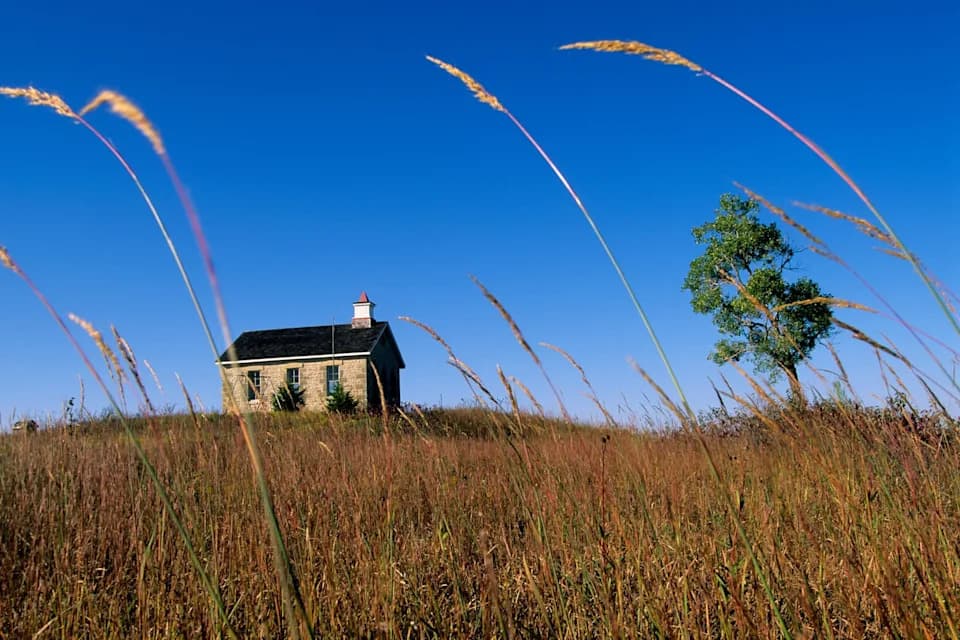
Wolfgang Kaehler/LightRocket via Getty Images - PHOTO: Flint Hills, Kansas near Tallgrass Prairie National Preserve.
Experts warn that roughly half of the grasslands that once stretched across the continental United States have been lost since European settlement, and native tallgrass prairie has been especially devastated. Conserving the remaining prairie, savannah and open-country habitats is essential for biodiversity, carbon storage and ecosystem resilience.
How Much Has Disappeared?
According to a statement from America’s Grasslands Coalition, about 50% of the nation’s historic grasslands have vanished. Grassland ecologists estimate that roughly 98% of native tallgrass prairie has been eradicated. Today, grasslands (including related habitats such as savannahs and shrublands) cover about 1 million square miles of the continental U.S.
Where Native Grasslands Still Persist
The largest intact native grassland tracts remain in places such as Kansas’s Flint Hills (approximately 4.5 million acres) and Nebraska’s Sandhills (about 12 million acres). Significant pockets of native prairie also survive in parts of central Montana and across much of Nebraska, much of it privately owned ranchland that continues to support native species.
Ecology and Cultural History
More than 1,000 native grass species have been documented in the U.S. Two dominant prairie grasses are big bluestem — a tall, robust species that can reach about 10 feet and provides excellent cattle forage — and little bluestem, which thrives on sandier, drier soils.
Indigenous peoples actively managed grasslands for millennia, using prescribed fire to maintain open habitat, encourage plant diversity and support abundant wildlife such as bison, elk and deer. Grasslands east of the Mississippi began disappearing centuries ago; losses near early port cities like Philadelphia and Baltimore were already evident in the late 17th century.
Primary Threats Today
Remaining grasslands face multiple, compounding threats:
- Invasive plants: Non-native species can alter fire regimes and displace native grasses.
- Land conversion: Housing, shopping centers, highways and even data centers are replacing open habitats.
- Agricultural intensification: Mechanized farming and large-scale plowing converted prairie into cropland.
- Climate change: Shifts in temperature and precipitation patterns change species composition and allow forests or shrubs to encroach in some areas.
Why Grasslands Matter
Grasslands provide critical ecosystem services: they support keystone species (bison, elk, mule deer), sustain diverse birds, pollinators and small mammals, regulate water and soils, and store substantial carbon. Researchers estimate that grasslands hold about 30% of the world’s soil-based carbon, with roughly 80% of that carbon sequestered belowground in soils.
"These sorts of chronic, low-level threats have a cumulative impact on our grasslands," said David Wedin, director of the University of Nebraska’s Center for Grassland Studies.
Public Awareness And Conservation Action
A recent survey released by America’s Grasslands Coalition found that nearly half of 2,014 Americans said they were unfamiliar with grasslands. Conservationists emphasize that raising public awareness—especially ahead of national milestones—is vital to accelerating protections, restoring native plants, and sustaining the cultural and ecological values grasslands provide.
Protecting remaining grasslands will require targeted policies, private-public partnerships, Indigenous-led stewardship approaches, and incentives for landowners to maintain native prairie on working landscapes.
Help us improve.