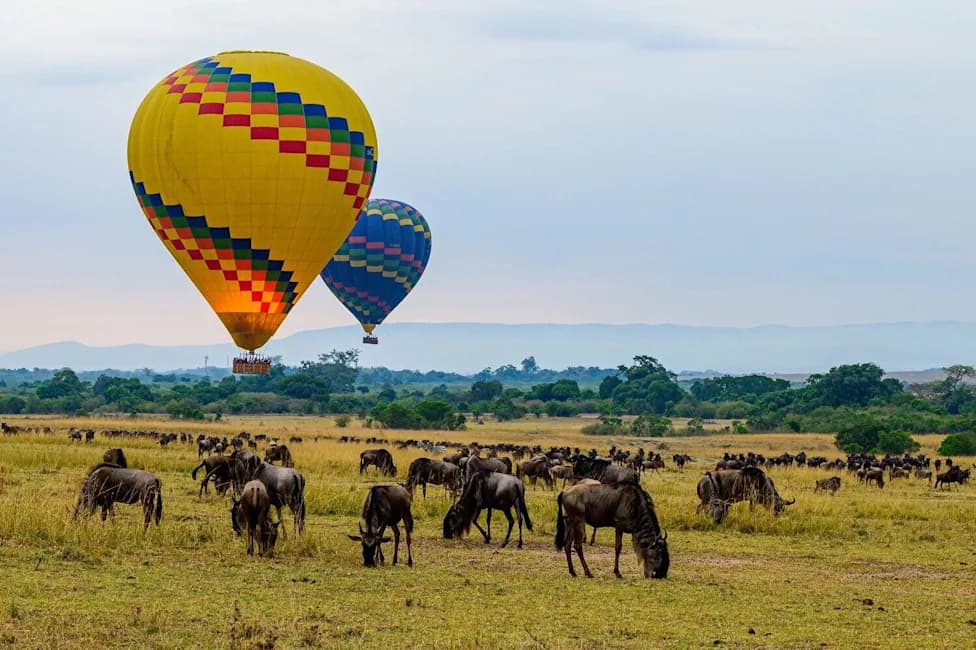
A new Colorado State University study in Nature Sustainability finds that colonial history, religion and Indigenous cultural influence predict modern attitudes toward wildlife more accurately than contemporary economics or geography. Surveying nearly 18,500 people across 33 countries, researchers identify two core value types—mutualism (coexistence) and domination (control)—and map clear regional patterns: Latin America is most mutualist, while North America and Northern Europe lean toward domination. The findings stress that effective conservation must account for deep cultural histories and community values, not only ecological science.
Colonial Legacies — Not Economics — Best Predict How Communities View Wildlife, New Study Finds

The Florida panther is the most endangered cat in North America.© iStock.com/fotoguy22
When mountain lions wander into suburbs or wolves attack livestock, communities respond in strikingly different ways: some prioritize relocation and coexistence, others demand rapid removal or lethal control. A new study from Colorado State University, published in Nature Sustainability, shows these contemporary disagreements are shaped less by modern economics or geography than by centuries-old cultural forces such as colonial institutions, religion, and Indigenous influence.
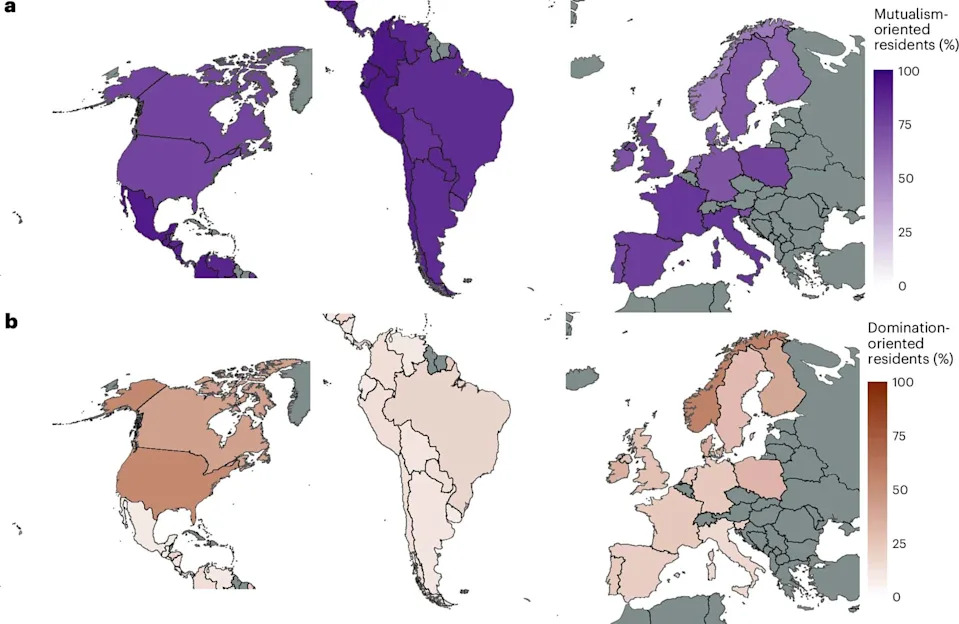
Figure: Distribution of wildlife values across Europe and the Americas. The map illustrates the percentage of mutualism-oriented residents (a) versus domination-oriented residents (b). Image credit: Colorado State University/Manfredo et al.©Colorado State University/Manfredo et al. –Original
What the Study Did
Researchers surveyed nearly 18,500 people across 33 countries in Europe and the Americas to measure where populations fall on two broad value orientations toward wildlife: mutualism and domination. Mutualism treats animals as members of a shared community with intrinsic worth; domination treats wildlife primarily as a resource that humans must manage and control.

A community’s tendency to choose lethal eradication over non-lethal relocation is shaped more by deep cultural history than by modern economics or geography.©010110010101101/Shutterstock.com
Key Patterns
The study finds clear regional patterns. Latin America scored highest on mutualist values and lowest on domination, with many residents preferring coexistence and nonlethal responses except when human safety is at immediate risk. By contrast, North America and Northern Europe showed stronger domination values, where lethal management remains an accepted response to certain wildlife conflicts. Southern Europe occupies an intermediate position, closer to Latin America than to Northern Europe.
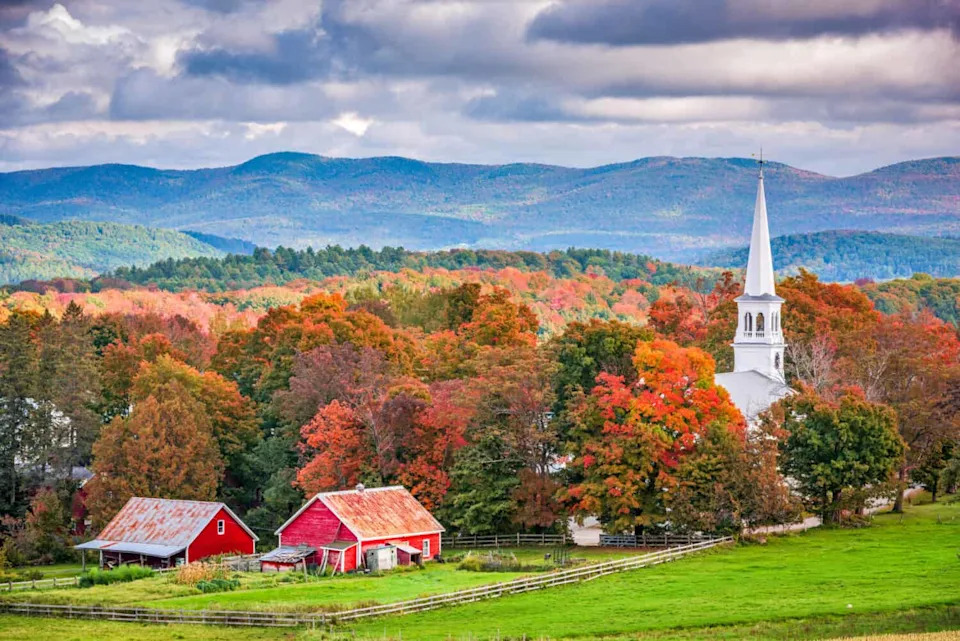
Following the Reformation, Northern European societies heavily embraced ideas of human mastery over nature.©Sean Pavone/Shutterstock.com
Why History Matters
The authors link these differences to divergent colonial projects and religious histories. British colonial systems in North America emphasized permanent settlement, intensive agriculture and landscape transformation, promoting cultural norms of human mastery over nature. Spanish and Portuguese colonial systems, focused more on extractive economies like mining, left different ecological and cultural imprints. The Protestant Reformation in Northern Europe also reinforced ideas of human mastery that align with domination values, while Catholic regions followed different trajectories.

Latin America’s mutualist views are the result of cultural blending over centuries.©THP Creative/ via Getty Images
The Role of Indigenous Influence
One striking result is that Latin America is more mutualist than Spain and Portugal, the region’s original colonizers. The researchers attribute this to the persistence and blending of Indigenous worldviews that emphasize relationships with the natural world. Despite catastrophic disruption during colonization, many Indigenous cultural elements endured and mixed with Iberian traditions, helping produce the strong mutualist orientation seen across much of Latin America today.

When wild animals cross into human spaces, regional identity dictates how residents respond.©WhyNotChannel/Shutterstock.com
Implications for Conservation
The study warns that wildlife management is not only a technical or ecological challenge but a cultural one. Policies that ignore local values risk public opposition and failure. For example, strategies that use lethal control may be acceptable in domination-oriented regions but provoke fierce resistance in mutualist communities. Instead, successful conservation requires engaging local histories, beliefs and values—designing policies that align with the cultural context to build trust and long-term support.
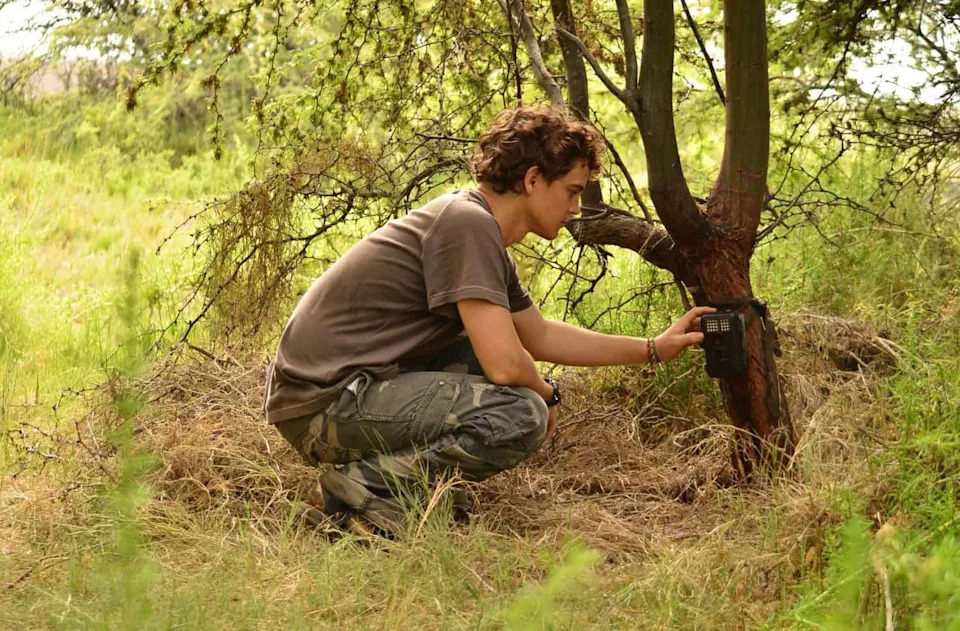
Understanding both the past and present is crucial for successful wildlife conservation.©AlvaroGO/Shutterstock.com
Change Is Possible — But Slow
Researchers note values are not fixed: rising education, urbanization and incomes are nudging many populations toward more mutualist perspectives. However, these shifts typically occur across generations, not overnight. Effective conservation planning should therefore combine ecological science with culturally informed engagement and long-term community partnerships.
"Understanding both past and present cultural forces is essential to designing wildlife policies that work for both people and animals," the authors conclude.
By revealing how colonial history, religion, and Indigenous influence continue to shape wildlife attitudes, the study encourages conservationists and policymakers to treat cultural context as a central component of wildlife management strategy.
Help us improve.