The study examined 1,116 mammal species described from 1990–2025 and found that 95% originate in the Global South, yet 60% of those defining holotype specimens are held in institutions in the Global North. This imbalance is larger for mammals than for many other vertebrate groups and raises concerns about scientific neocolonialism and restricted local research capacity. The authors call for local deposition of holotypes, investment in museum infrastructure, and more equitable international partnerships.
Study: 60% Of Holotypes From The Global South Are Housed In Wealthy Nations — A Major Imbalance In Biodiversity Records
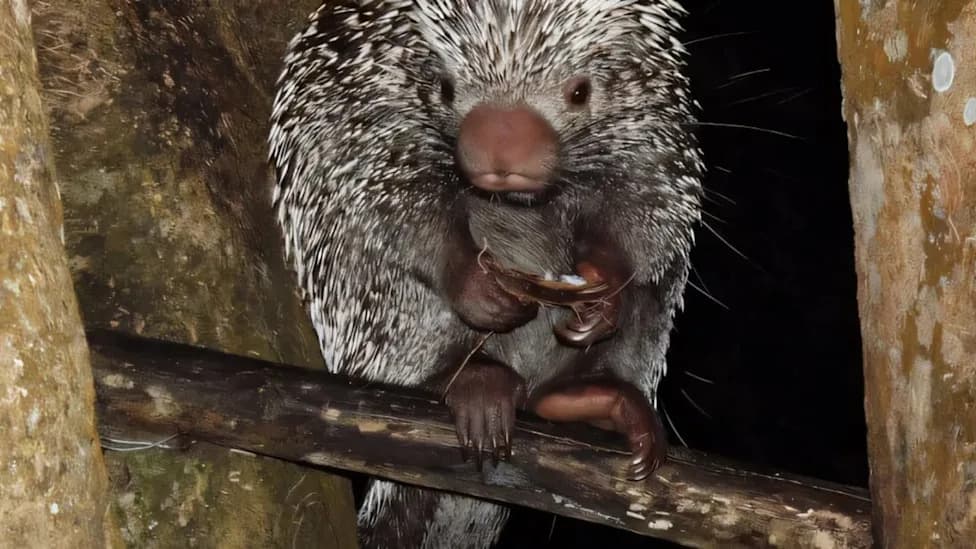
Photo Credit: Fernando Herberson Menezes
A new analysis exposes a persistent imbalance in how the world’s biodiversity is archived: many mammals discovered in low- and middle-income countries are physically housed in institutions in wealthier nations. The study, published in npj Biodiversity, tracked the repository locations for holotypes — the single specimens that define a species — for mammals described between 1990 and 2025.
Key Findings
- Scope: The team examined 1,116 mammal species described from 1990 through 2025.
- Origin vs. Storage: 95% of these species are native to the Global South (Latin America, Africa, Asia, and the Caribbean), yet 60% of those holotypes are currently stored in institutions in the Global North (Europe and North America).
- Contrast With Northern Species: Only 22% of species native to the Global North had holotypes deposited outside their country of origin, and those specimens tended to remain within the same geopolitical sphere.
- Regional Storage Patterns: Among holotypes physically held in the Global North, more than 90% were collected elsewhere; in the Global South, fewer than 8% were held outside the country where they were collected.
- Comparison With Other Vertebrates: Mammals show a larger imbalance than other groups cited in the paper — roughly 30% out-of-country holotype rates for freshwater fish species described after 2000 and ~50% for reptiles described after 1990.
Why This Matters
A holotype is the benchmark scientists consult to confirm a species’ identity, compare related taxa, and build evidence for conservation decisions. When those benchmark specimens are held overseas, researchers from the country of origin face hurdles to direct access. This can limit training opportunities, slow the growth of local museum infrastructure, and reduce the ability of national institutions to lead research and conservation for species native to their ecosystems.
"The mammal figures surprised us. Even though early colonists collected biological material from their former colonies, we didn't expect to see such high numbers in recent decades," said Mario Moura, lead author and professor at the Federal University of Paraíba.
Recommendations
The authors and commentators propose several practical steps to redress the imbalance:
- Require or encourage deposition of new holotypes in qualified local repositories whenever possible.
- Invest in museum infrastructure, storage, curation, and taxonomic training in biodiversity-rich countries.
- Promote equitable international collaboration with shared authorship, local leadership, and sustained institutional support rather than extractive practices.
- Expand high-quality digital records and open data to broaden access, while recognizing that digital surrogates do not replace the value of nearby physical specimens for detailed study.
Broader Implications
Beyond questions of equity, where holotypes are stored affects who can monitor change, lead recovery efforts, and respond when ecosystems shift or species become threatened. Improved local access can support faster, better-informed conservation actions and strengthen scientific capacity in regions that host the world’s highest biodiversity.
Related studies cited by the reporting highlight real-world consequences of documenting species: shifts in large-mammal migration in Iran under climate pressure; unexpected water vole behavior changes in the UK; reported recoveries of 26 species at Charles Darwin University; and evidence from Cambridge researchers that sustained conservation can prevent extinction.
Journal: npj Biodiversity
Lead author: Mario Moura, Federal University of Paraíba
Help us improve.