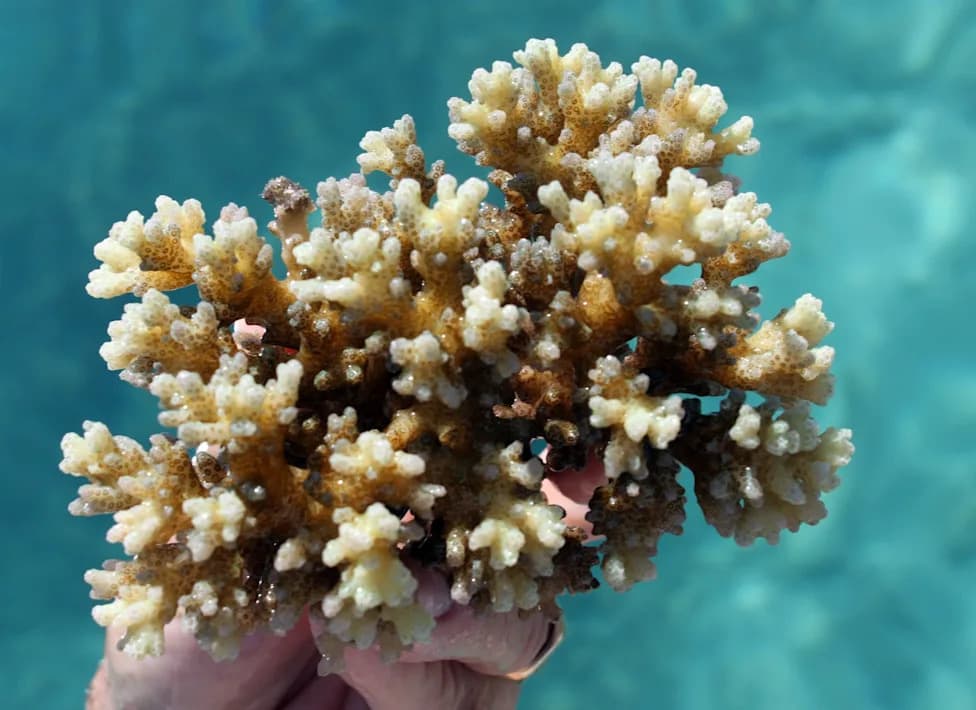
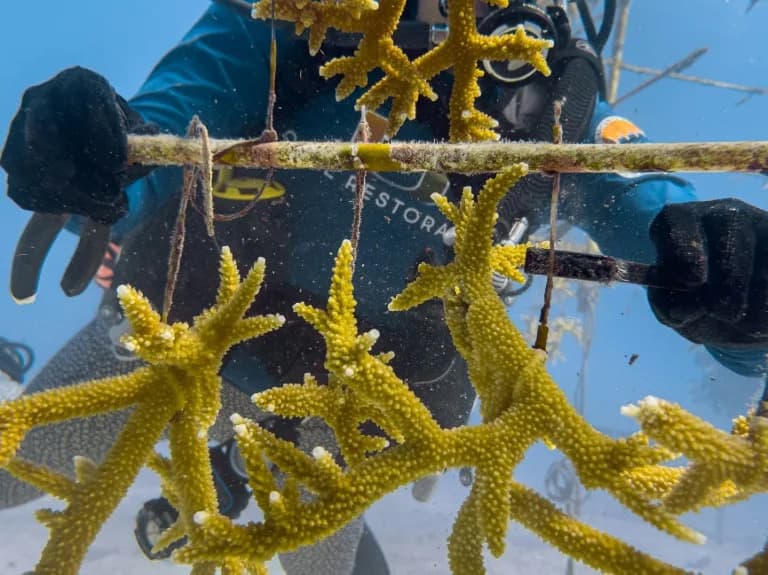
Scientists mapped nearly 166,000 sq km (64,000 sq miles) of coral reef that show strong potential to survive and recover from climate change, using 45,000 reef surveys and decades of climate and ocean data. These resilient reefs occur across 71 countries and 100 territories, including newly recognised sites in the Caribbean and parts of the Pacific and Atlantic. Only 28% of reefs are currently protected, and researchers say the findings should guide "30 by 30" conservation planning and urgent funding decisions ahead of a likely strong El Niño.
Researchers Map 166,000 sq km of Climate‑Resilient Coral Reef — A Guide for '30 by 30' Conservation
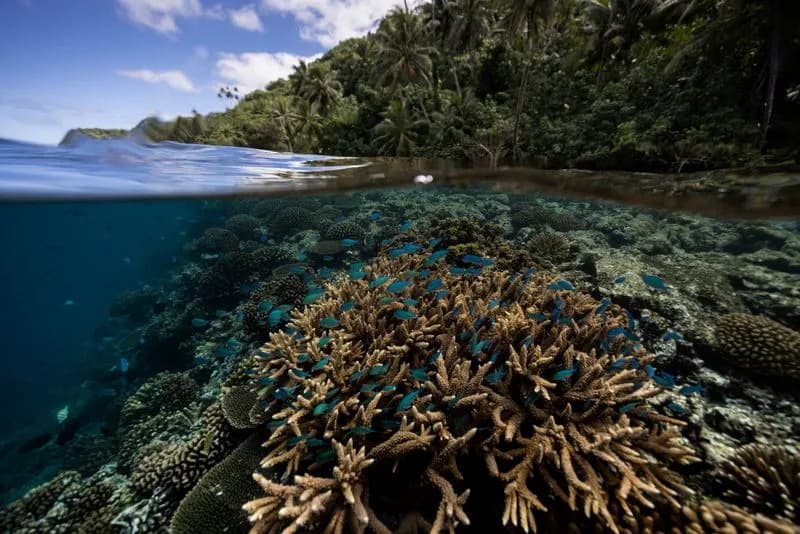
FILE PHOTO: Fish swim at a coral reef inside a 'Rahui' or restricted area in Teahupo'o, Tahiti, French Polynesia, August 4, 2024. REUTERS/Carlos Barria/File Photo
Scientists have identified nearly 166,000 square kilometres (64,000 square miles) of coral reef that appear capable of surviving and recovering from climate change — roughly three times larger than previous estimates, according to a new analysis released on Tuesday.
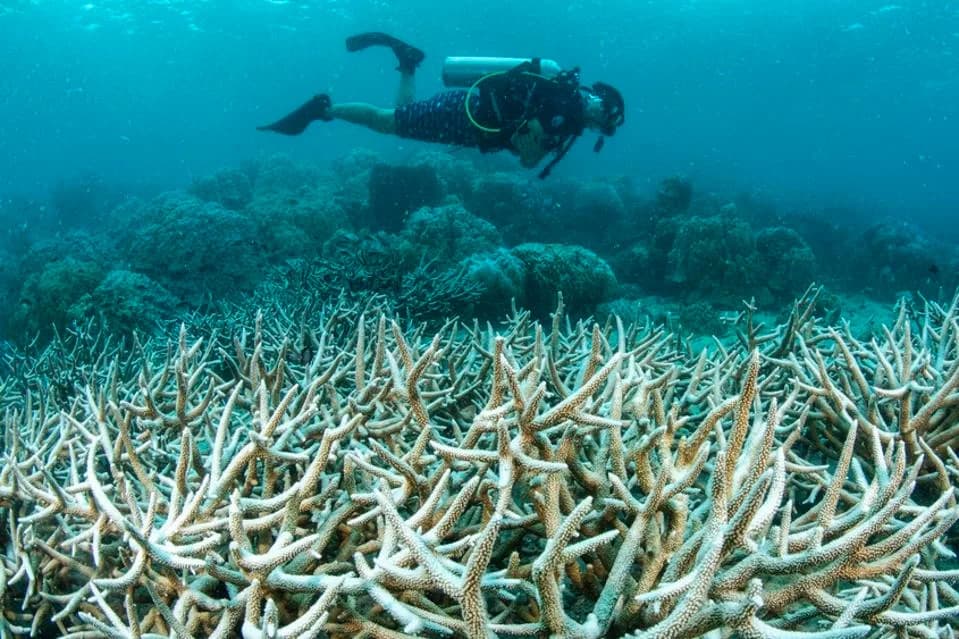
The world's coral reefs support about a quarter of marine species but have been battered by intense tropical storms, pollution and widespread bleaching driven by rising sea temperatures. The new mapping combines 45,000 reef surveys with decades of climate and oceanographic data to pinpoint reefs with greater climate resilience.
Key Findings
Scope: The resilient reef areas identified span 71 countries and 100 territories, including previously unrecognised pockets in the Caribbean and regions of the Pacific and Atlantic.
Protection Gap: Only about 28% of these reefs currently lie inside formally protected or conserved areas, highlighting a major opportunity — and urgent need — for targeted conservation.
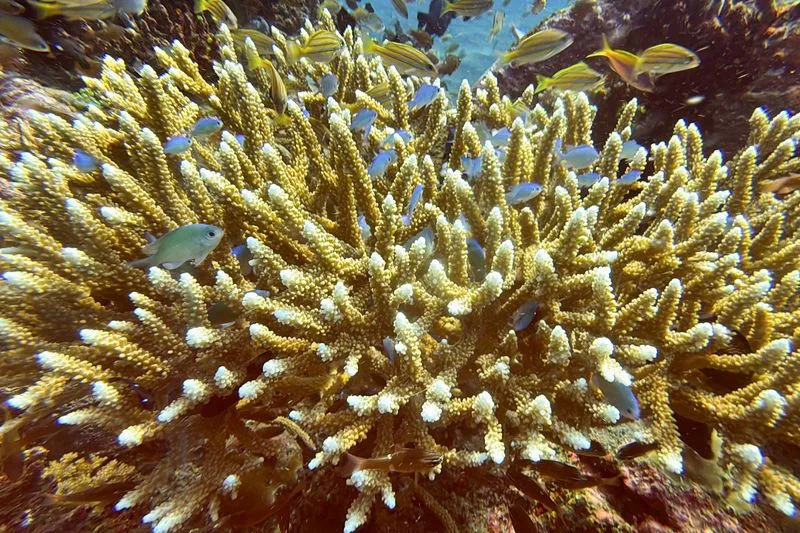
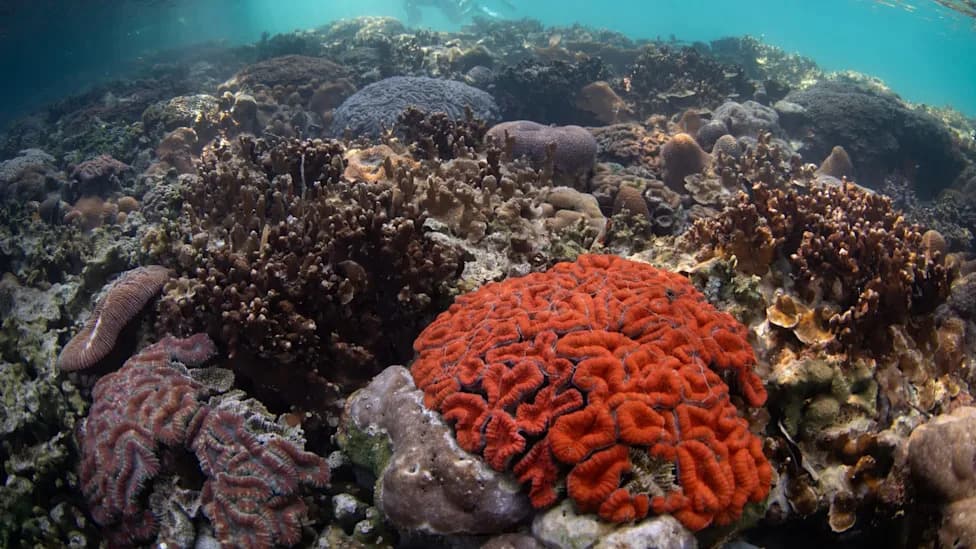
FILE PHOTO: Fish swim near recovering coral reefs after bleaching in late December 2023 due to extreme weather, in Bondalem village, Buleleng regency, Bali, Indonesia, June 20, 2024. REUTERS/Yuddy Cahya Budiman/File Photo
Policy Relevance: The results are intended to help governments prioritise reef locations as they develop plans to protect 30% of land and marine environments by 2030, the international "30 by 30" goal.
"Coral reefs are often framed as ecosystems beyond saving," said Emily Darling, director of coral conservation at the Wildlife Conservation Society (WCS) and a co-author of the report. "This research shows otherwise: we know where the hope is and what we need now is political will."
Stacy Jupiter, co-author and executive director of WCS's Global Marine Program, said the dataset can guide where limited conservation funds will have the greatest impact. She noted that some degraded reefs may fall below functional benchmarks and could be subject to a pragmatic "triage" approach if resources are insufficient.
Researchers also warned of the added urgency posed by an anticipated strong El Niño event, which tends to raise ocean temperatures and increase bleaching risk. The study's authors say timely, strategic protection and restoration efforts could give the most resilient reefs the best chance of persisting.
Reporting: David Stanway; Editing: Lincoln Feast.
Help us improve.