Researchers sampled more than 50 geothermally warmed headwater streams across Iceland, Alaska, Greenland, Svalbard and Kamchatka to test whether long-term warming strengthens nature’s methane "filter." They found methane production potential rose roughly 12× and sediment methane-to-CO2 ratios increased more than 50× in warmer sites. Although methane-consuming microbes became more active, they still consumed about 75% of produced methane in both cool and warm streams, so warmer waters released substantially more methane overall. The results, published in Nature Climate Change, suggest freshwater systems could contribute larger methane feedbacks to climate warming than currently estimated.
Warming Streams Release Far More Methane As Microbial 'Filter' Fails To Keep Up
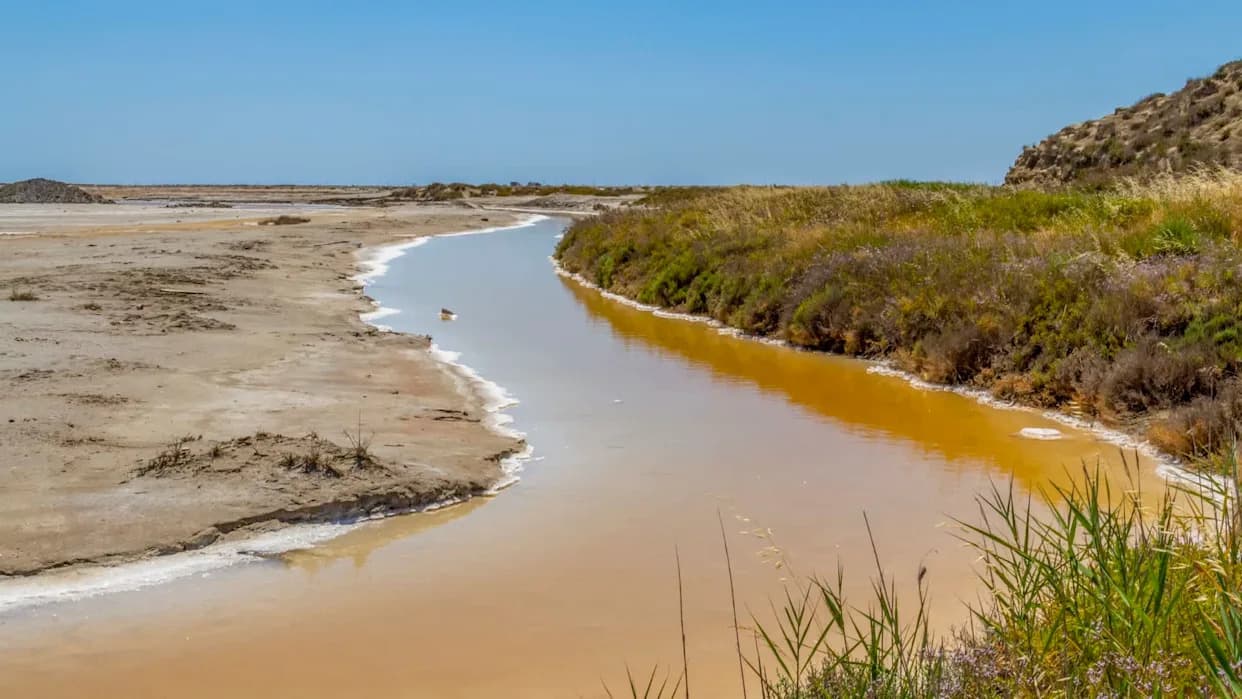
Photo Credit: iStock
New research shows that geothermally warmed headwater streams emit substantially more methane as temperatures rise because the microbes that consume the gas do not proportionally increase the share they remove. The study examined natural, long-warmed streams across the Arctic and subarctic to test whether prolonged warming strengthens this ecosystem "filter."
Study Design and Sites
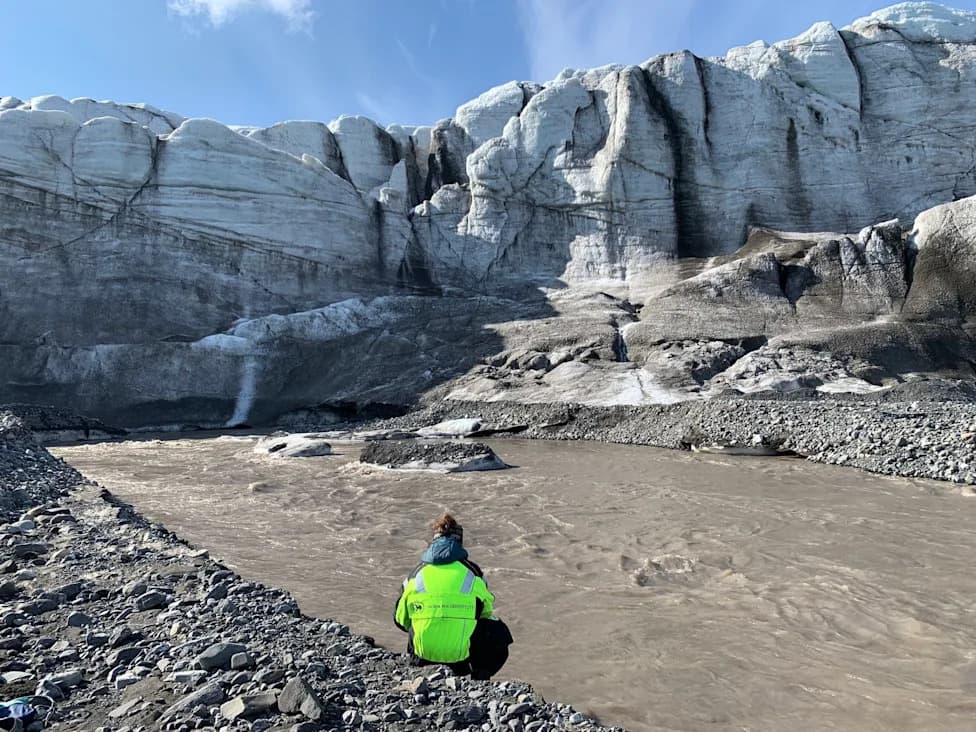
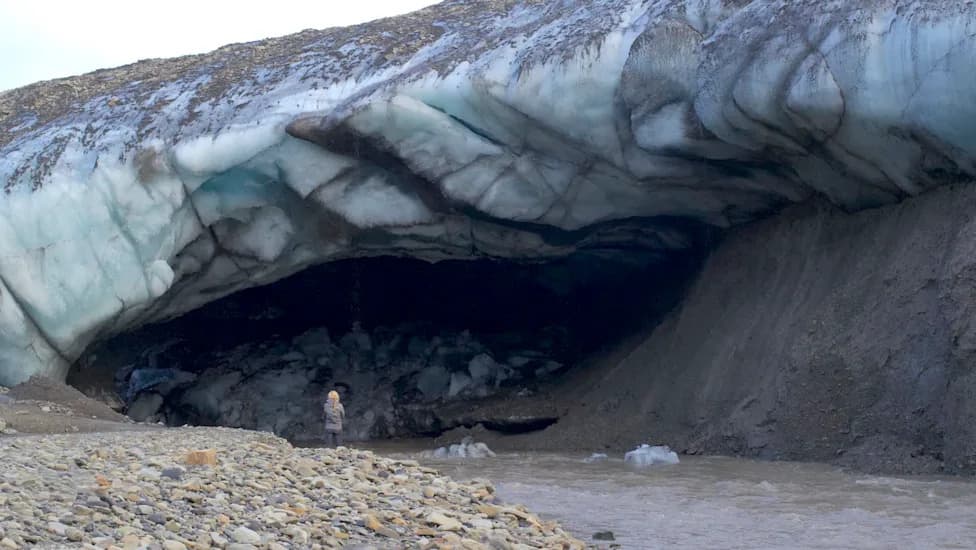
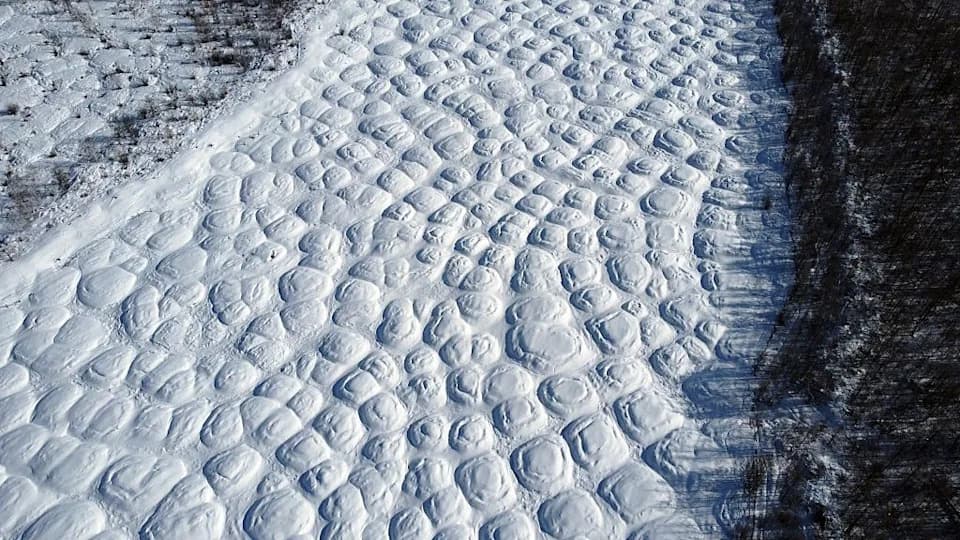
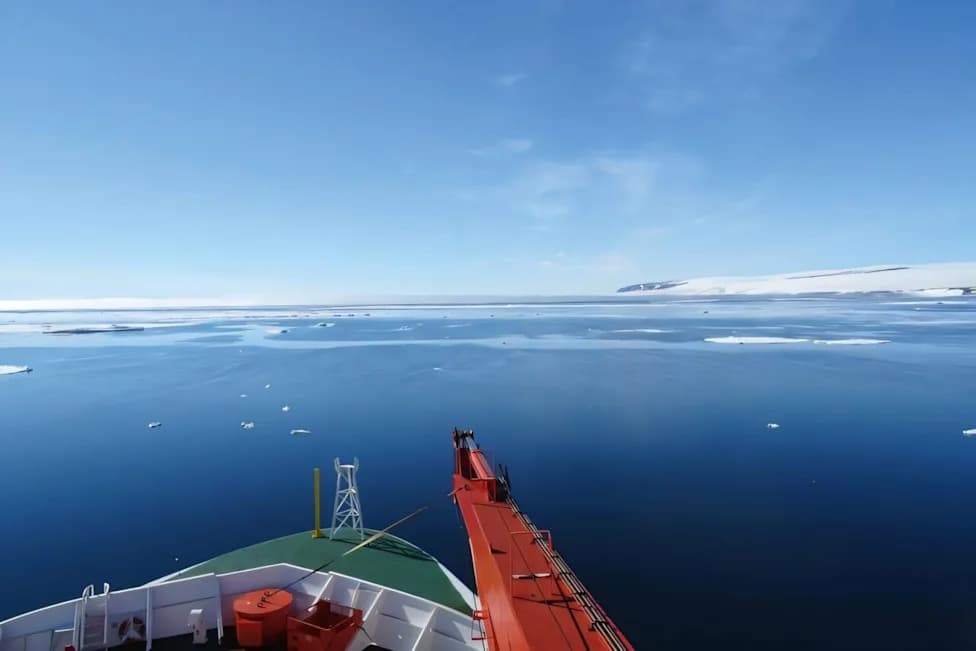
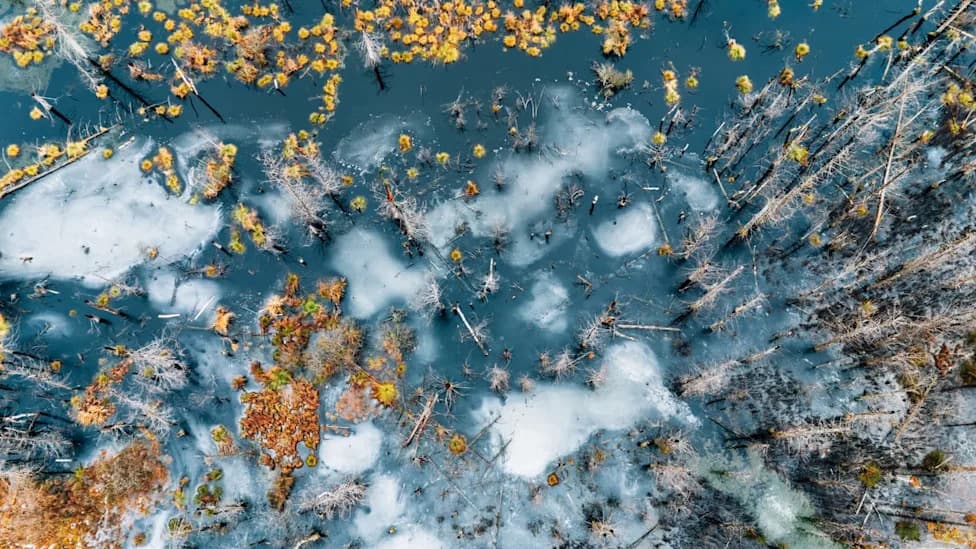
The team sampled more than 50 geothermally warmed headwater streams in Iceland, Alaska, Greenland, Svalbard and Russia's Kamchatka Peninsula. Because geothermal heating has elevated temperatures in these systems for centuries, the sites offered a rare natural experiment on how microbial communities respond to persistent warmth.
Key Findings
Methane Production Rises Sharply. Across the temperature gradient studied, the potential for methane production in sediments was about 12 times higher in warmer sites. Sediment methane-to-carbon-dioxide ratios were more than 50 times higher than in cooler streams.
Microbial Consumption Increases But Not Enough. Methane-consuming microbes (methanotrophs) became more active in warmer sediments, but the fraction of produced methane they removed remained essentially unchanged. About 75% of produced methane was consumed in both cool and warm streams, so the absolute amount escaping to the atmosphere still climbed in warmer waters.
Why This Matters
Even modest increases in methane emissions are important because methane traps far more heat than carbon dioxide on short timescales. Freshwater microbial processes already contribute a large share of global methane emissions, so the study's results—which were published in Nature Climate Change—could have broader implications. If a similar "fixed-filter" response occurs across wetlands, peatlands and lakes, current climate models may be underestimating how much methane freshwater systems will release as the planet warms.
Conclusions
The study suggests that prolonged warming does not strengthen the natural microbial methane-removal filter. Instead, it points to a reinforcing feedback: higher temperatures increase methane production faster than microbial consumers can compensate, leading to greater methane emissions that can further accelerate warming.
Implication: This is not necessarily limited to geothermal streams—similar microbial processes operate across many freshwater ecosystems, meaning the effect could be widespread.
Study Source: Findings published in Nature Climate Change. Sites included streams across Iceland, Alaska, Greenland, Svalbard and Kamchatka.
Help us improve.